
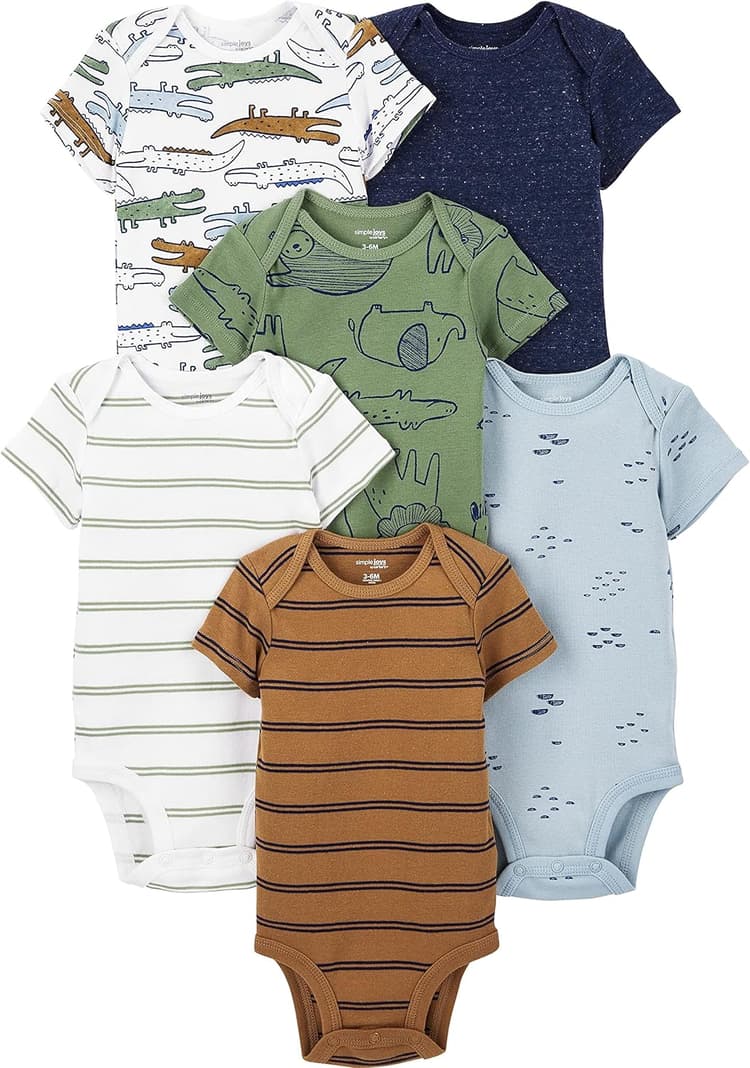
Simple Joys by Carter's
Simple Joys by Carter's Baby-Boys 6-Pack Short-Sleeve Bodysuit
★★★★☆4.8
$20.00
*

Product analyst covering fabric tech, fit advice, and budget-friendly finds.

We tracked five developments this week that change how families buy, test and manage kids’ and baby clothing: a worrying study finding lead in fast‑fashion shirts, European chemical recalls, an EU push that will limit destruction of unsold stock, and market moves that push resale and safer sourcing into the foreground. We explain what parents should check and how product choices will shift.
What we learned this week — summary and impact.
We’re reporting and contextualizing a warning presented at the American Chemical Society meeting: a small university study tested 11 children’s T‑shirts (mostly low‑cost retailers) and found lead above the U.S. 100 ppm limit. The team at Marian University (led by Dr. Kamila Deavers) also ran simulated gastric digestion to estimate bioaccessible lead from mouthing or chewing fabric — a crucial exposure route for young kids — and conclude that brief mouthing could produce exposures over safe daily limits.
Why it matters.
Practical actions we recommend.
Editorial take. This is a red flag rather than a recall notice. It should encourage retailers and regulators to widen testing of dyed fabrics and push for transparent supply‑chain chemistry. (Main reporting: Marian University / ACS; press coverage on ScienceDaily and Jerusalem Post.)
Simple Joys by Carter's
$20.00
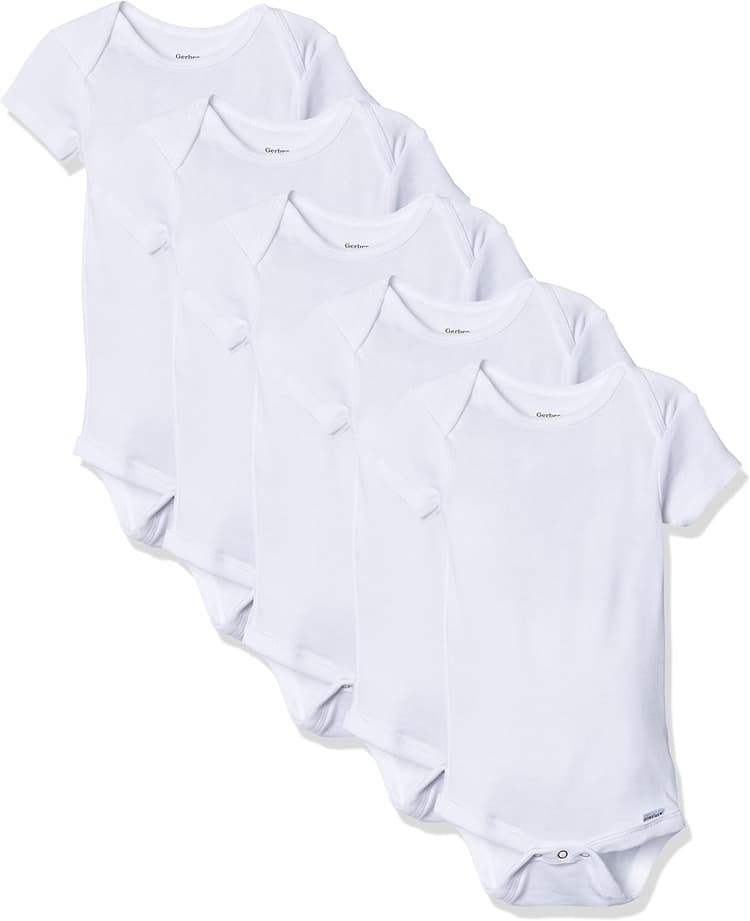
Gerber
$12.95
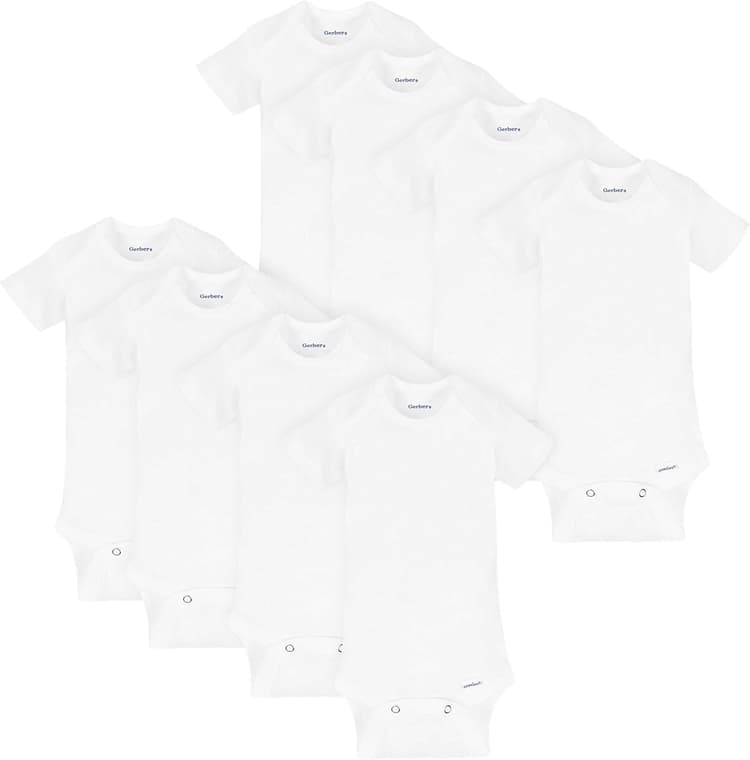
Gerber
$16.99
$24.99
-32 %
*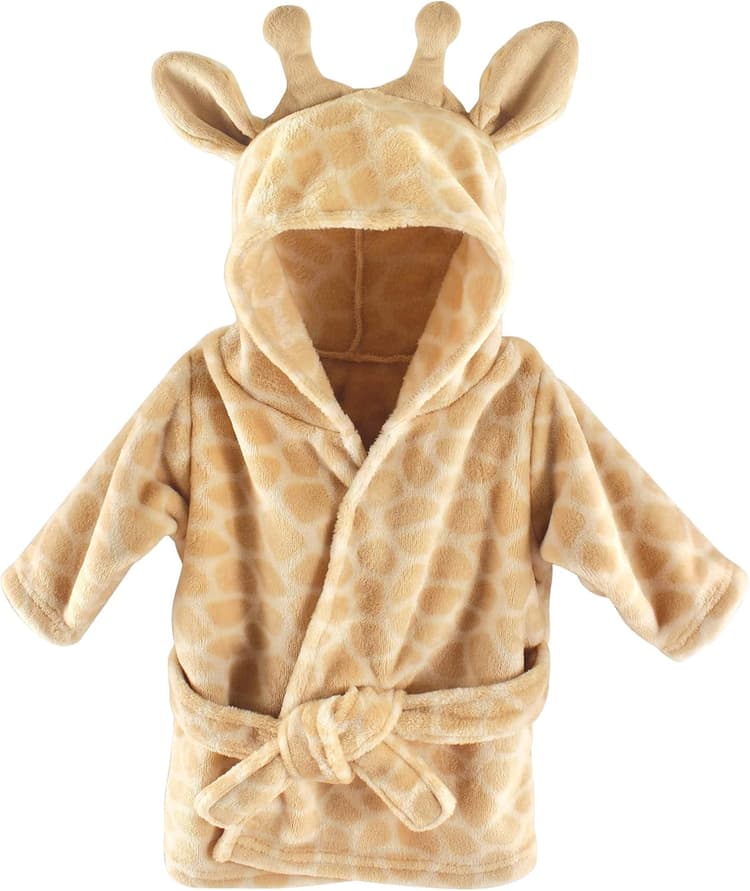
Hudson Baby
$11.99
Context and facts.
French authorities and national media reported recalls and consumer alerts this week for garments containing PFAS — the so‑called “forever chemicals.” Official RappelConso notices and coverage in outlets such as Le Parisien and TF1 Info identify specific windbreakers and a baby pilot suit removed from the market and subject to refund periods after tests found PFAS above legal limits.
Why this matters for families.
Practical steps we recommend.
Editorial take. These incidents show regulation and testing catching up with production practices; parents should use them as a cue to demand supply‑chain transparency and to favor tested, lower‑chemical options. (Sources: official RappelConso notices and national press in France.)
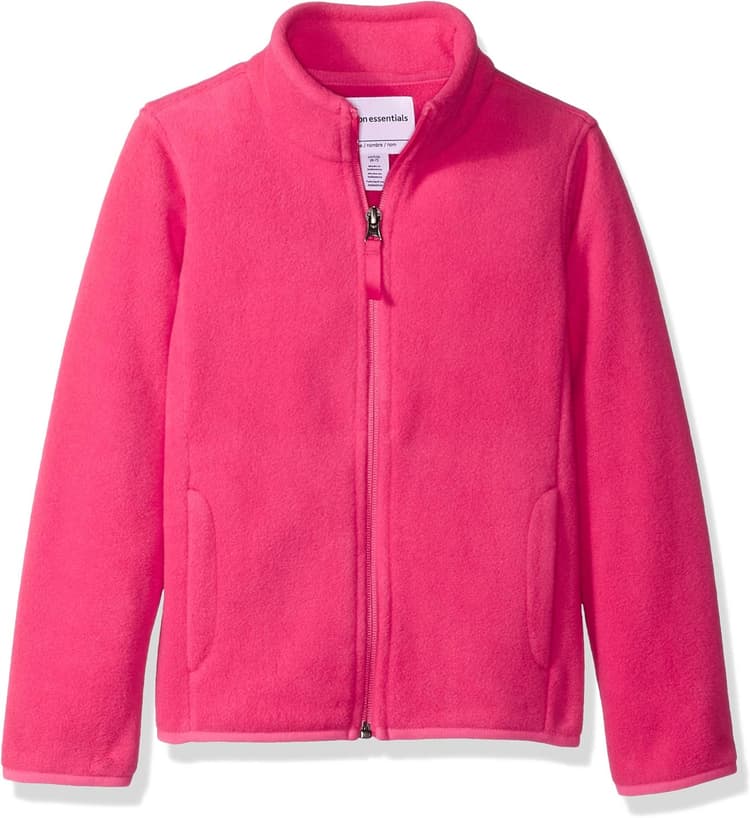
Amazon Essentials
$13.59
$18.30
-26 %
*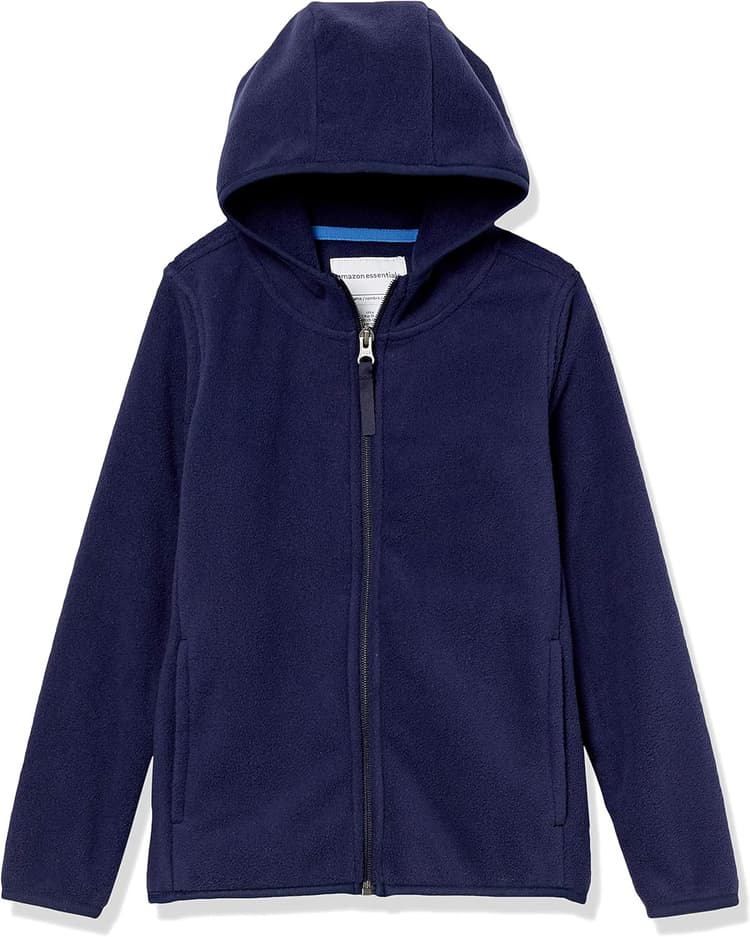
Amazon Essentials
$14.08
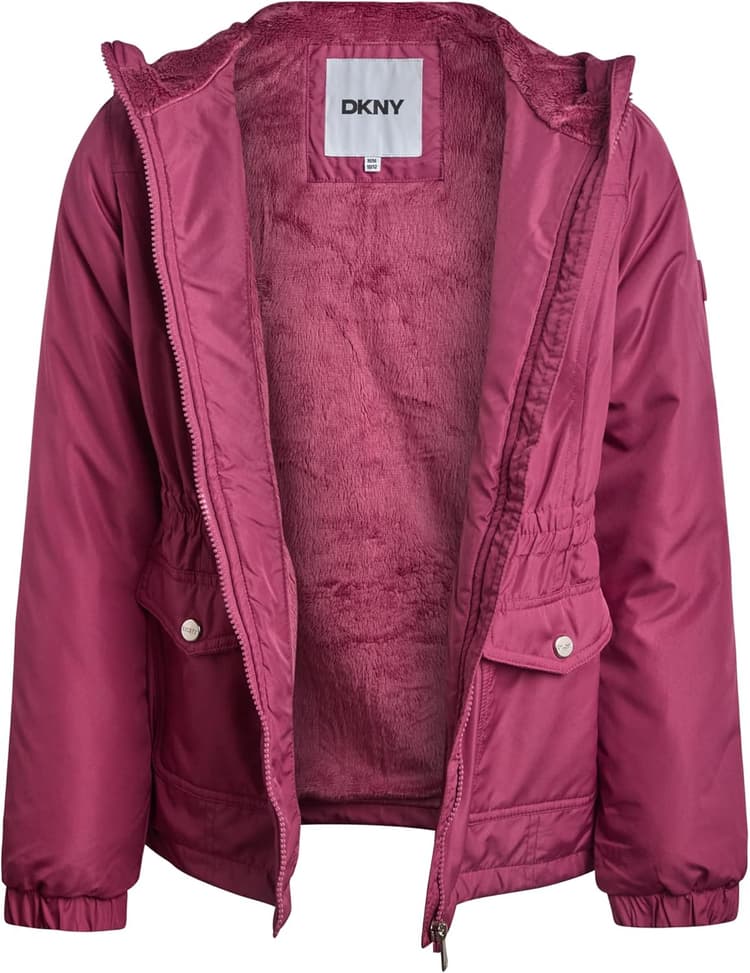
DKNY
$19.98
$29.99
-33 %
*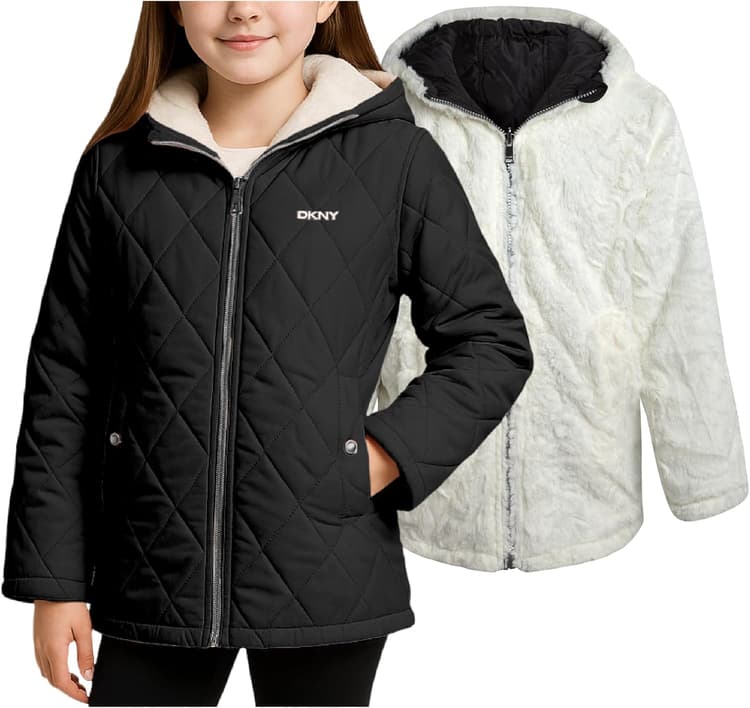
DKNY
$19.99
$39.99
-50 %
*
Slwosdlds
$19.99
The Children's Place
$20.76
$29.38
-29 %
*
Amazon Essentials
$21.64
The Children's Place
$23.97
$39.95
-40 %
*
The Children's Place
$24.13
$29.38
-18 %
*
The Children's Place
$24.24
Columbia
$24.50
$50.00
-51 %
*
DKNY
$24.99
$39.99
-38 %
*Regulatory summary and sector consequences.
EU moves under the Ecodesign for Sustainable Products Regulation (ESPR) are now concrete: from mid‑2026 large companies will face a ban on destroying unsold clothing and footwear and must implement measures to avoid waste. That requirement forces apparel players — including kids & baby specialists — to redesign markdowns, returns and overstock management.
How this affects kidswear.
Practical expectations and parental guidance.
Editorial view. This is structural: by shifting liability for unsold stock onto producers the EU is forcing systemic changes that should reduce waste in the long run — a material development for the kidswear market, where overproduction and rapid churn have been the norm. (Source: ESPR summaries and legal analysis.)
DKNY
$19.99
$39.99
-50 %
*DKNY
$19.98
$29.99
-33 %
*Columbia
$24.50
$50.00
-51 %
*
Amazon Essentials
$36.00
Market trend and evidence.
Recent industry reports show accelerated adoption of secondhand and reconditioned kids’ apparel. For households, this markedly lowers cost‑per‑wear (children outgrow and damage clothes quickly) and—when platforms perform checks—reduces exposure to questionable chemical treatments common in fast fashion.
Key points.
Practical tips.
Editorial perspective. Secondhand is now mainstream and solves economic and environmental problems simultaneously. Brands that invest in circular systems will win trust and repeat buyers; parents win lower costs and more durable wardrobes. (Source: market research summaries 2026.)
Disney
$7.77
$47.99
-84 %
*
FURTALK
$14.99
$16.99
-12 %
*
Weebaby
$14.99
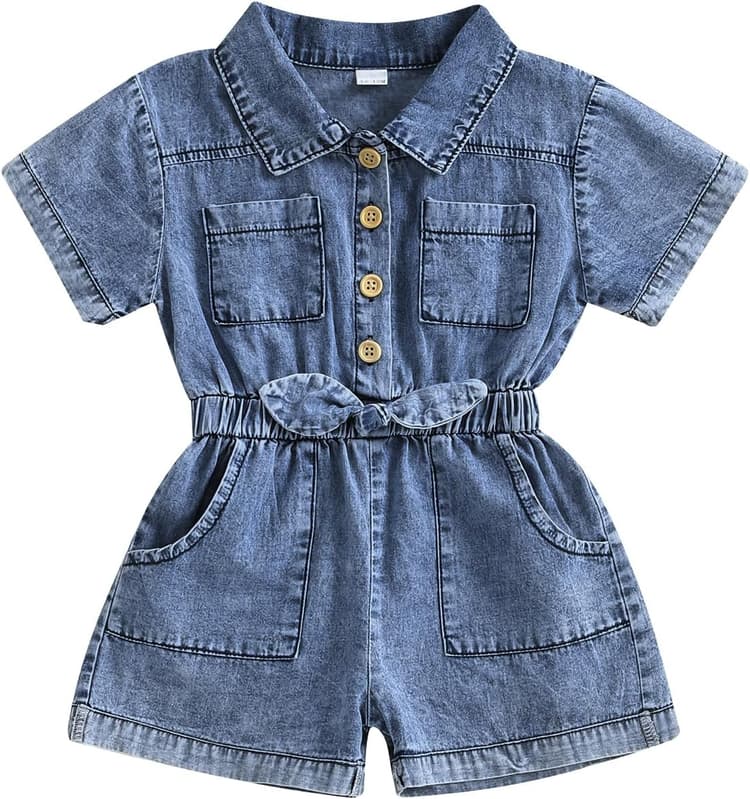
Ledy Champswiin
$16.89
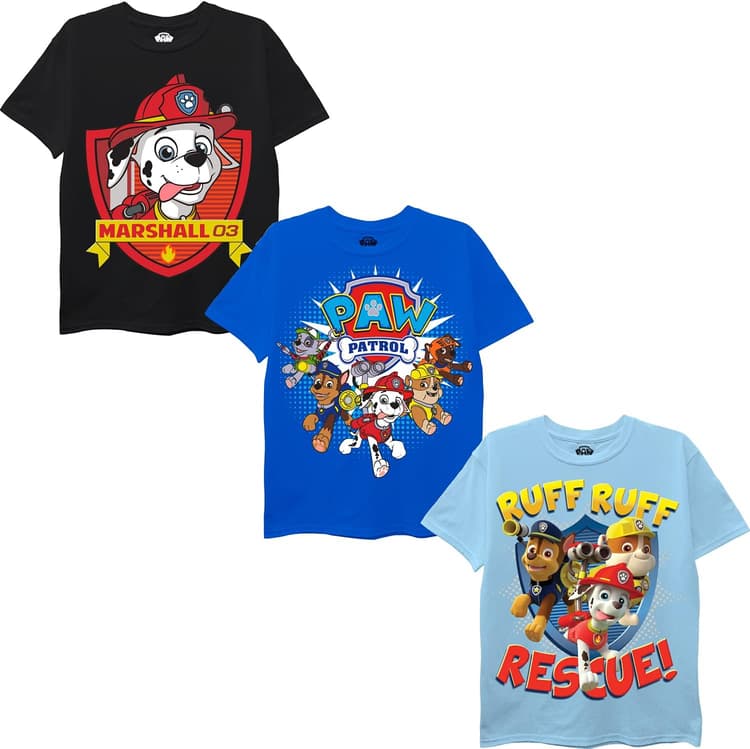
Nickelodeon
$18.27
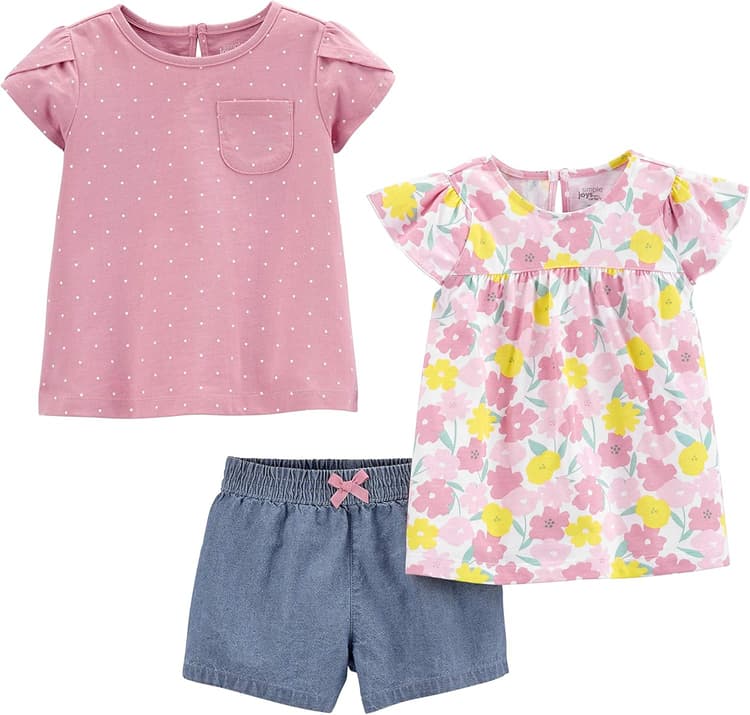
Simple Joys by Carter's
$19.00
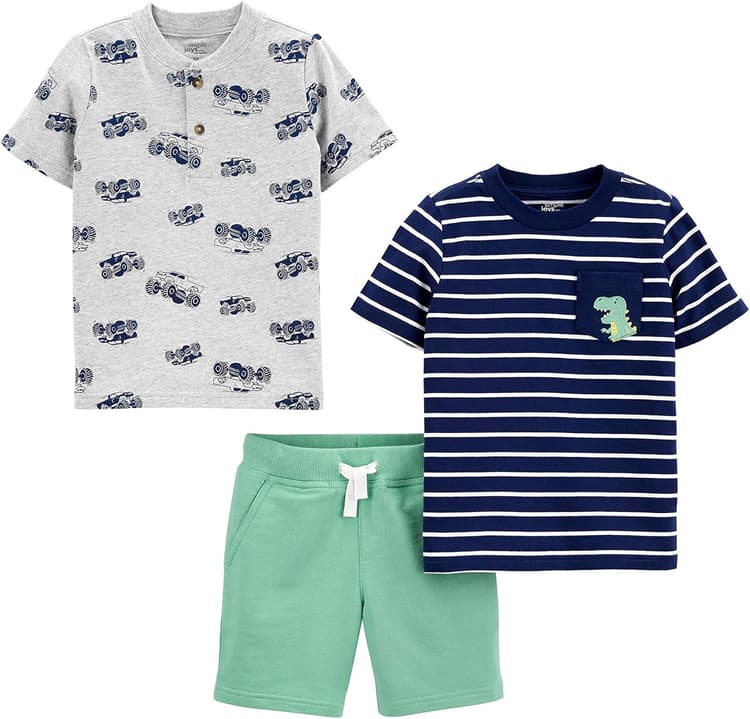
Simple Joys by Carter's
$19.00
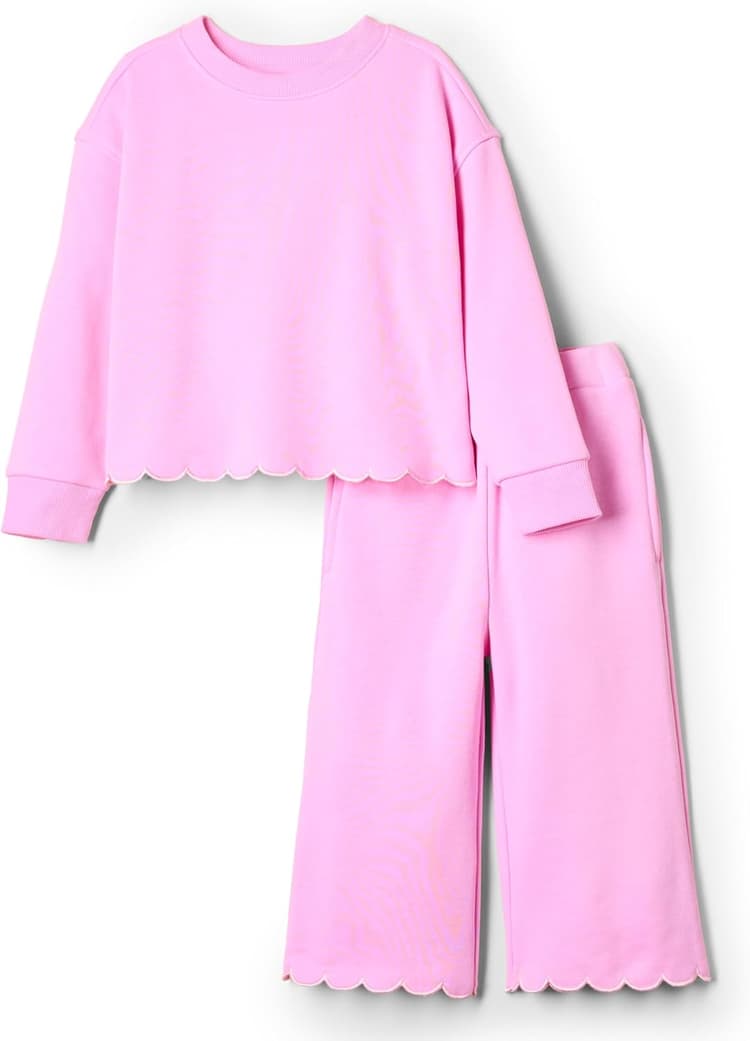
Amazon Essentials
$19.90
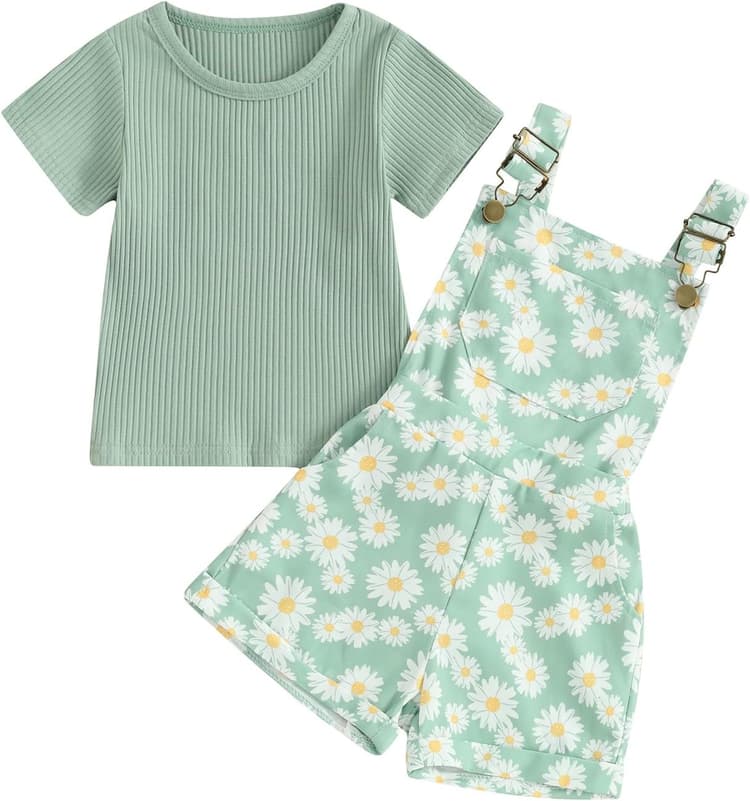
Lucikamy
$19.99
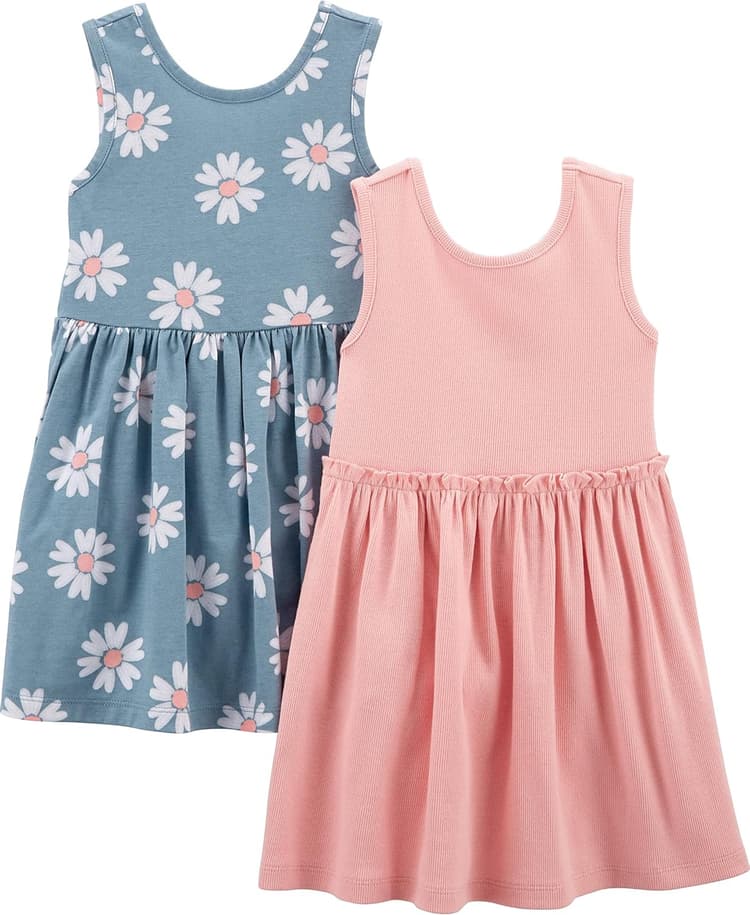
Simple Joys by Carter's
$20.00
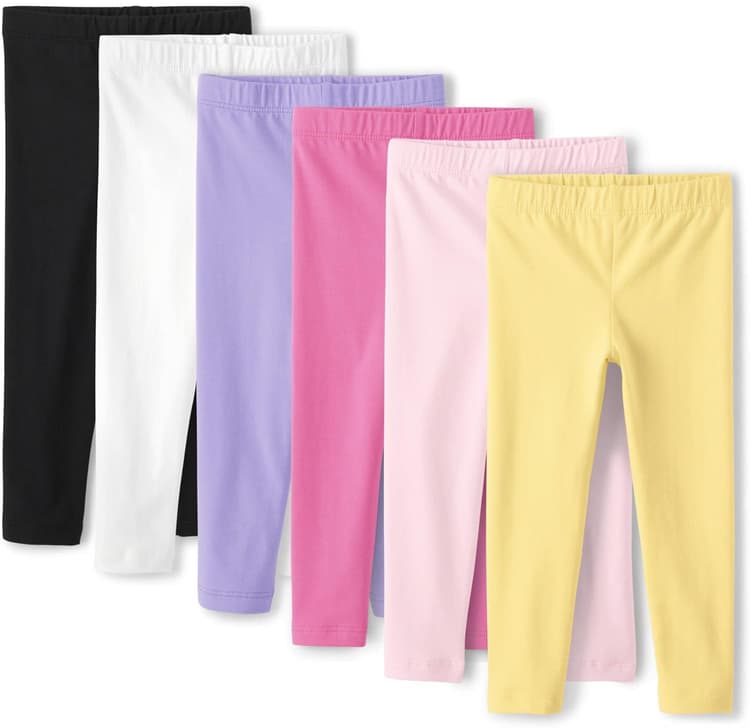
The Children's Place
$26.97
$59.95
-55 %
*
LIMIROLER
$28.89
$33.99
-15 %
*Snapshot.
Between chemical concerns (lead, PFAS) and physical hazards (detachable trims, sleepwear flammability), sleep safety for infants and toddlers remains tightly regulated. Authorities such as the U.S. CPSC and national agencies in Europe issue recalls when items violate flammability or choking/ingestion standards.
Takeaways for consumers.
When to act.
Editorial summary. Buy smart, inspect, and prioritize tested sleepwear; safe sleep is both product choice and practice. For buying guidance, consult our practical baby clothing guide at How to Choose Baby Clothing - A Practical Buying Guide. (Source: CPSC and public recall notices.)
Simple Joys by Carter's
$20.00
Gerber
$12.95
Gerber
$16.99
$24.99
-32 %
*Hudson Baby
$11.99
 By Marcus Bellamy
 By Hannah Reyes
 By Marcus Bellamy
 By Hannah Reyes
 By Hannah Reyes
 By Hannah Reyes
We relied on university releases, scientific meeting coverage and official recall databases: Marian University, ACS / ScienceDaily, RappelConso (France) and ESPR regulatory summaries.
We report on studies and public notices; some cited research is preliminary and presented at conferences. Check official recall databases and consult a health professional for personalized medical advice.
Our selections rely on independent analysis and hands-on testing, without commercial influence.
Clear comparison guides based on technical criteria and expert reviews.
We frequently revise articles to reflect new models and fashion trends.
Some links are affiliate: we may earn a commission and redirect you to trusted partner retailers.