
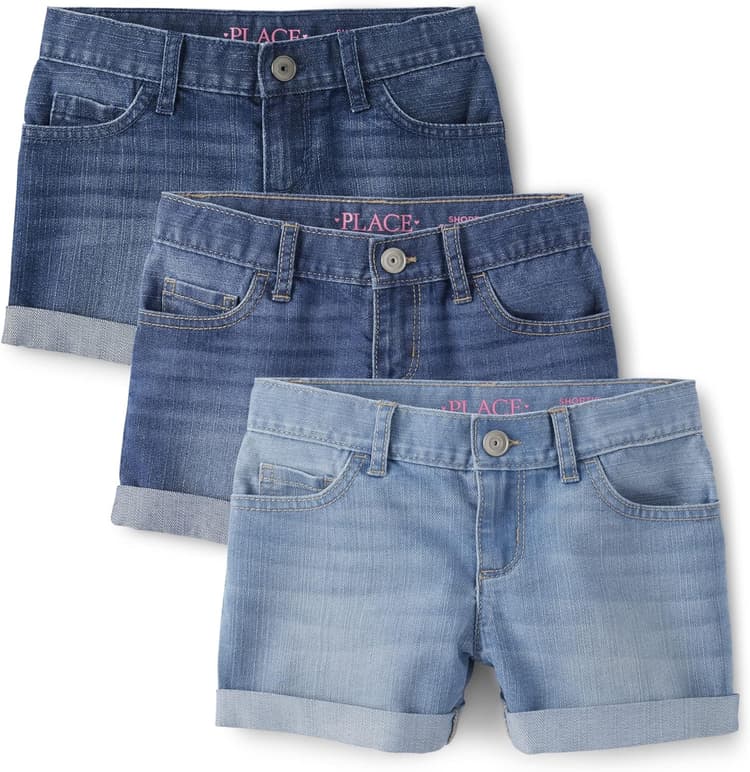
The Children's Place
Denim Shortie Shorts
★★★★☆4.6
$37.92
*

Product analyst covering fabric tech, fit advice, and budget-friendly finds.

We present this week’s snapshot: from London runways to retail promos, material reports and resale events. This issue explains practical implications for parents, buyers and brands — safety, sustainability and budgets continue to drive purchase decisions for kids and baby clothing.
We tracked clear signals from London Fashion Week that will bleed into kidswear: elevated adult silhouettes, sportswear collaborations and artisanal detailing adapted for children. This week’s roundup spotlights how designers are importing adult codes—sport-couture mixes, embroidered trims and upcycled touches—into lines for little ones, and what that means operationally. Product teams face a twin task: translate runway cues into safe, washable, play-ready constructions (protected zips, securely attached trims, low-risk fastenings) while managing premium finish costs. Marketing sees high demand for designer x sports collaborations among pre-teens, requiring leaner, targeted drops rather than broad mass assortments. For parents, the result is more “mini-adult” options that can be stylish but pricier and sometimes less durable; choosing pieces certified to OEKO‑TEX or GOTS becomes a practical filter. We advise brands to validate designs with playtests and to prioritize child-safe finishing when adapting grown-up aesthetics. The trend reinforces family-matching strategies as a commercial lever, but underlines the ongoing need to reconcile fashion-led design with textile safety standards and everyday resilience for kids.
The Children's Place
$37.92
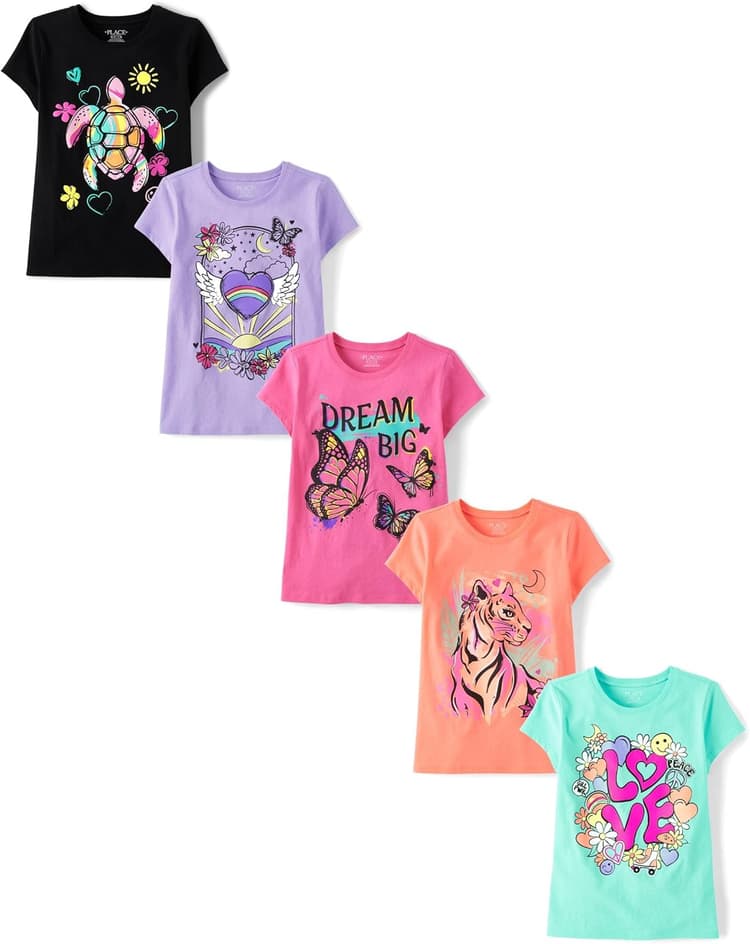
The Children's Place
$28.78
$32.42
-11 %
*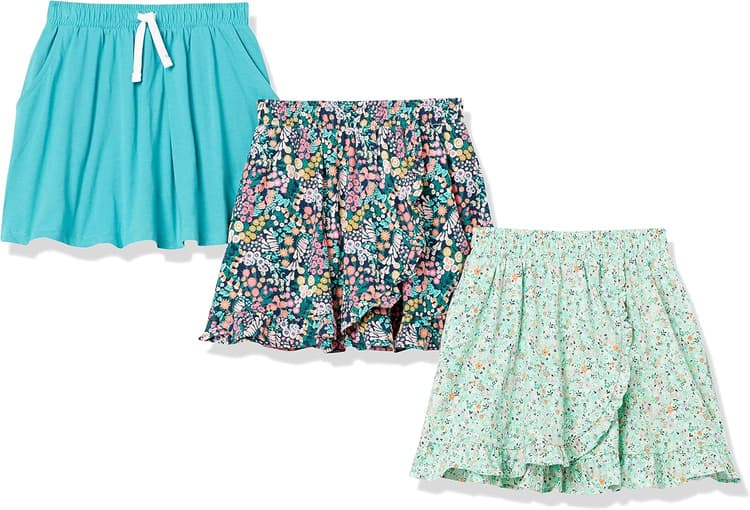
Amazon Essentials
$28.40
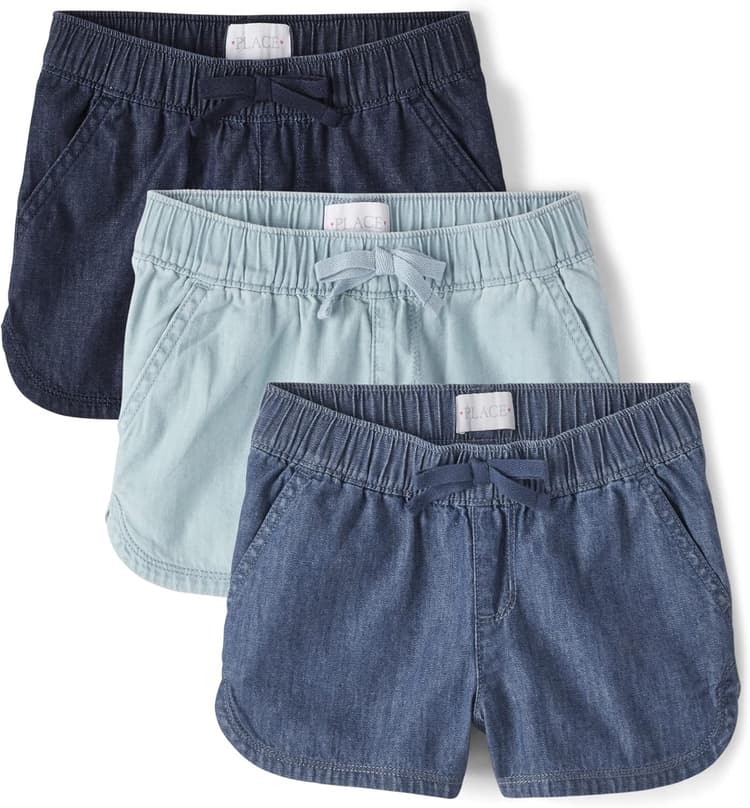
The Children's Place
$28.02
The updated chambray market report (late February) points to steady growth driven by chambray’s soft hand, denim-like look and better durability versus some lightweight weaves. The children’s wear chapter highlights chambray’s suitability for shirts, dresses and overalls when finished with garment-wash processes and certified (GOTS, OEKO‑TEX) treatments that reduce chemical residue worries for parents. For sourcing teams, the message is simple: buyers want traceable supply chains and verified low-chemical finishes. Technically, blending organic cotton with technical fibers can deliver stretch and quick-dry performance without losing the gentle feel essential for baby and toddler skin. On production, premium chambray requires rethinking weight and anti‑pilling finishes to survive frequent washes. Retail positioning can sit at ‘accessible premium’—consumers are willing to pay more for longevity and comfort rather than brand alone. We recommend prioritising dermatological testing and clear fabric-origin labelling for baby ranges to build purchase confidence.
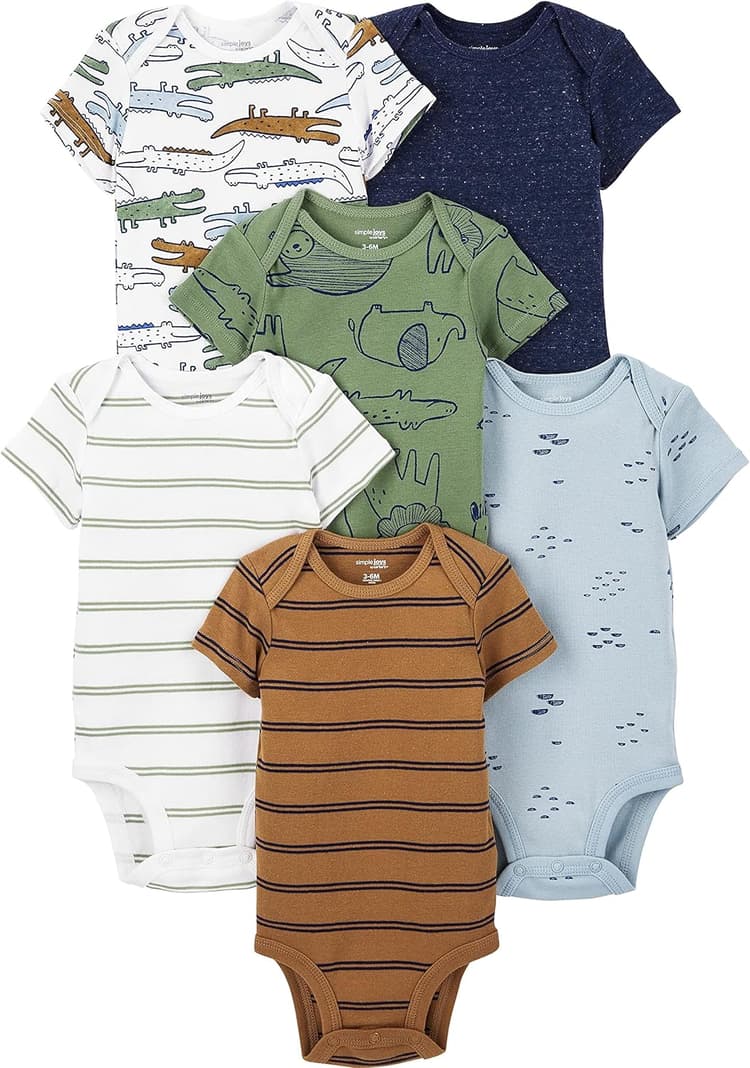
Simple Joys by Carter's
$20.00
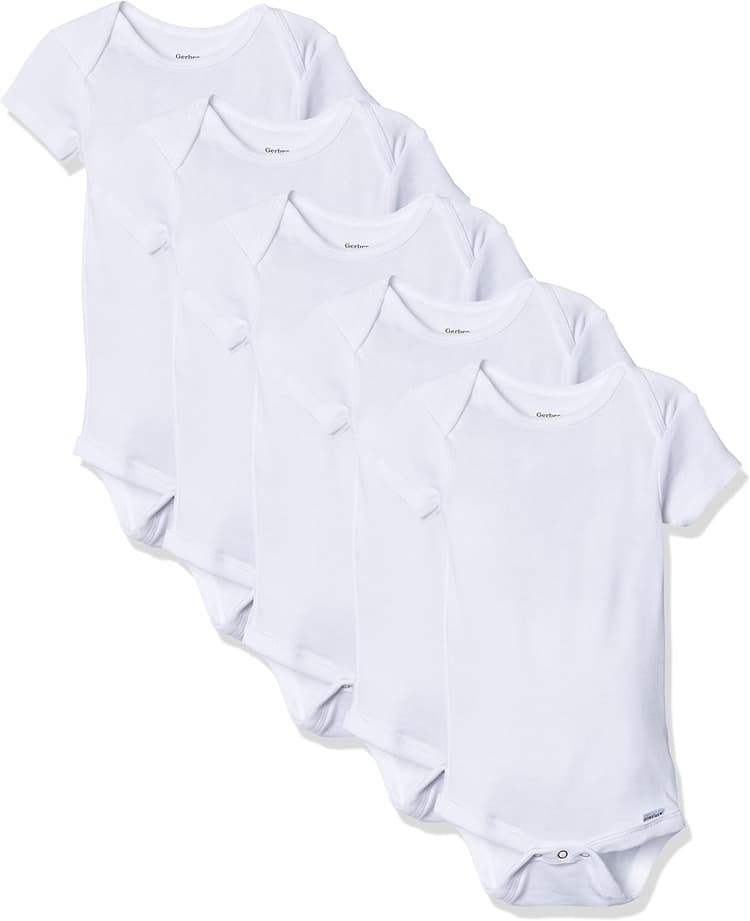
Gerber
$12.95
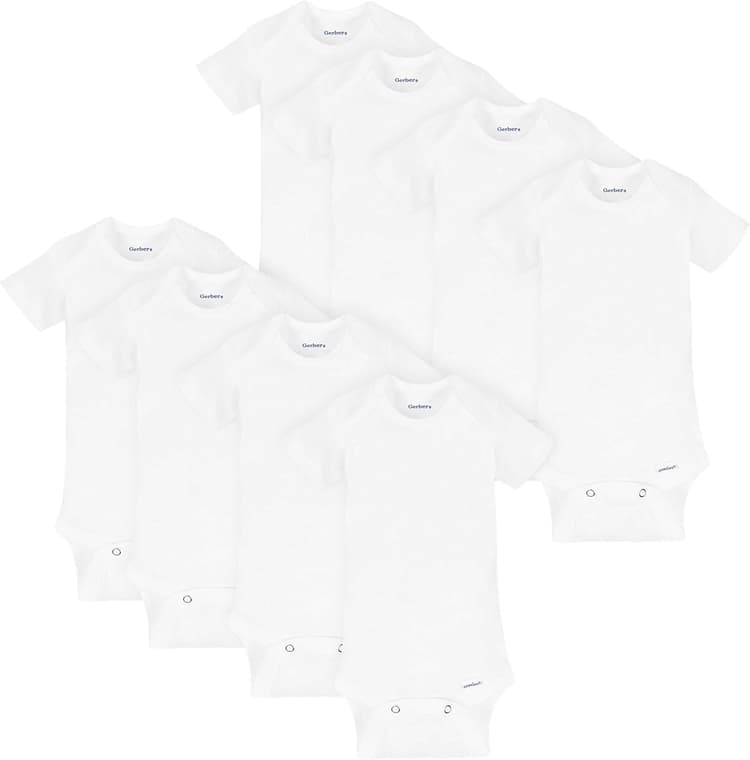
Gerber
$16.99
$24.99
-32 %
*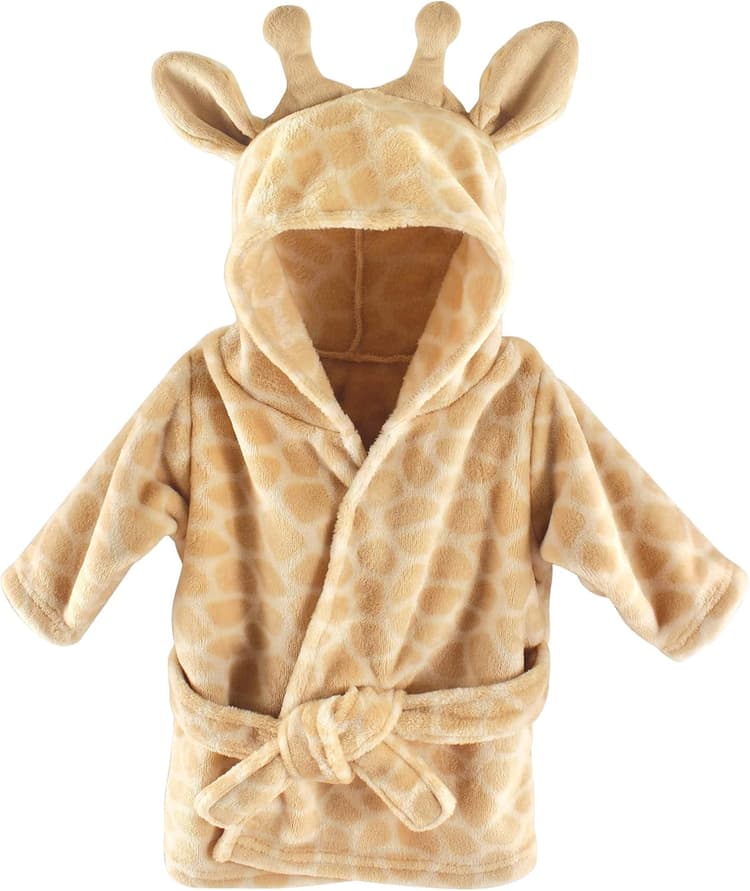
Hudson Baby
$11.99
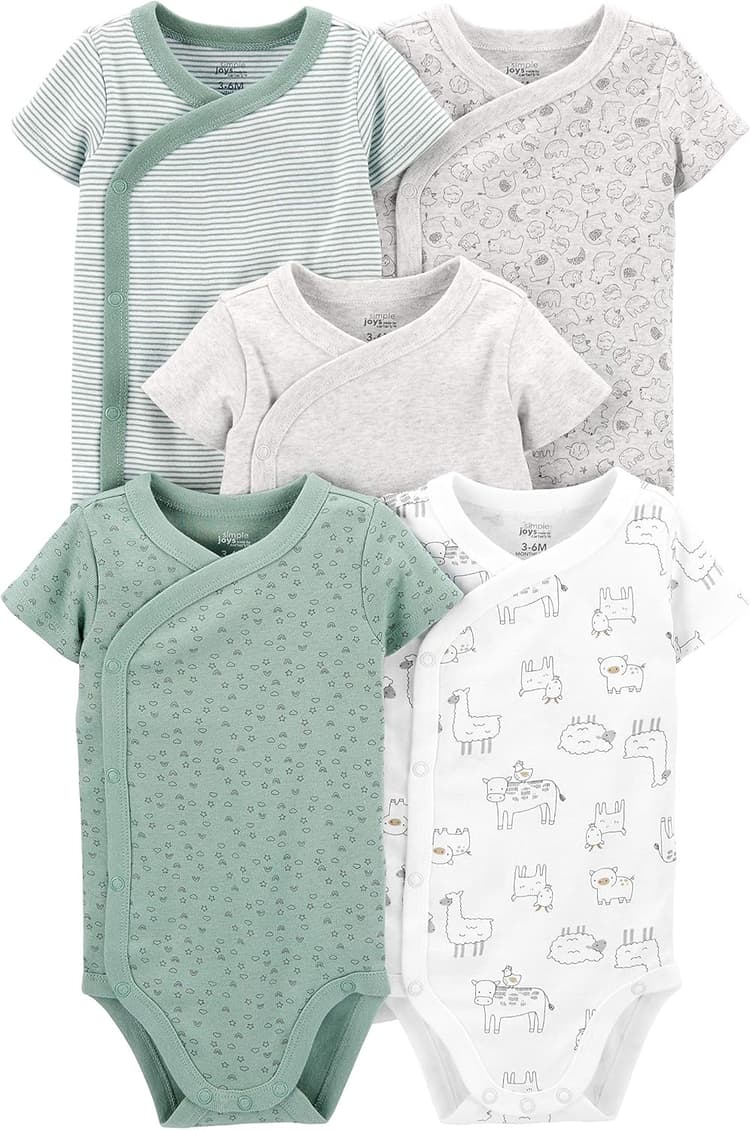
Simple Joys by Carter's
$20.00
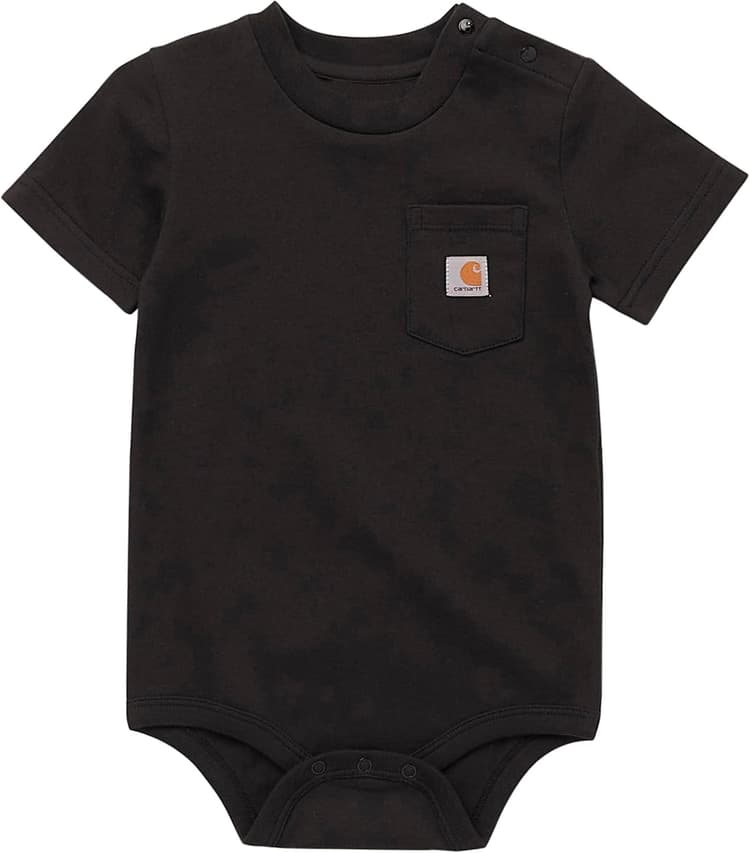
Carhartt
$11.99
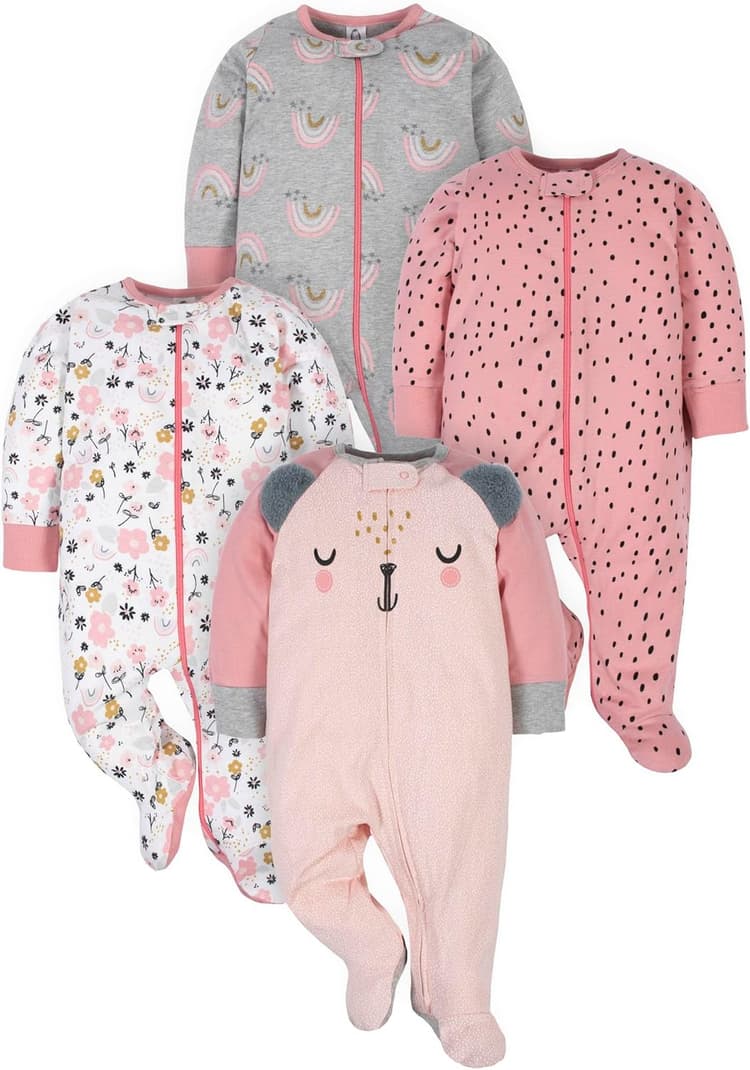
Gerber
$25.95
$29.99
-13 %
*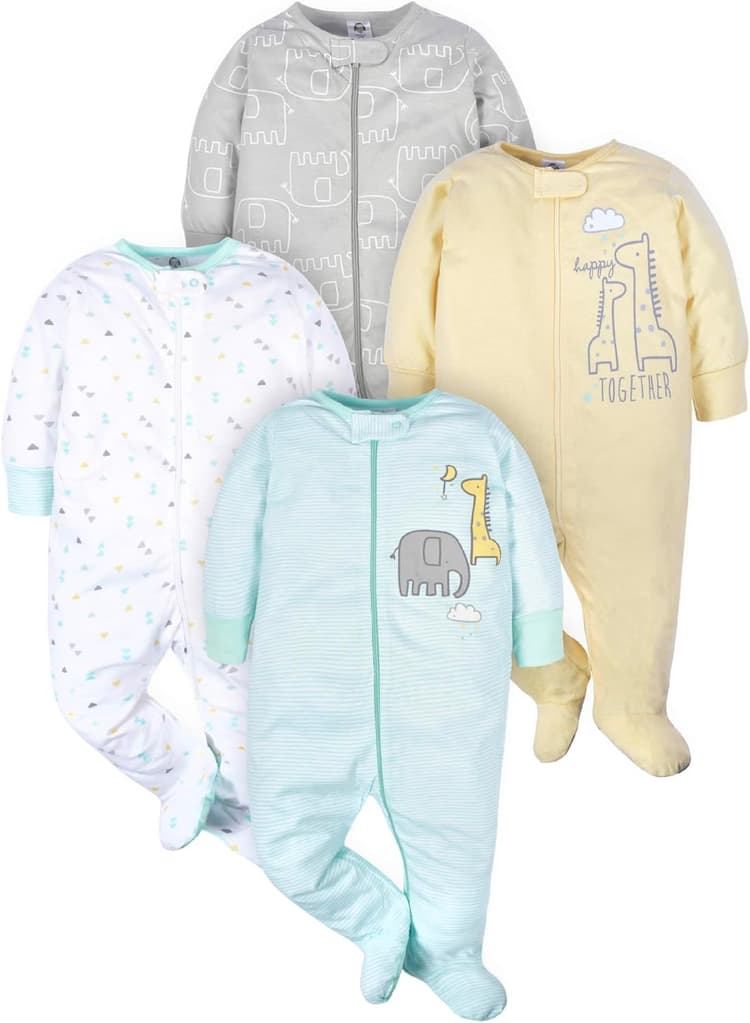
Gerber
$25.95
$29.99
-13 %
*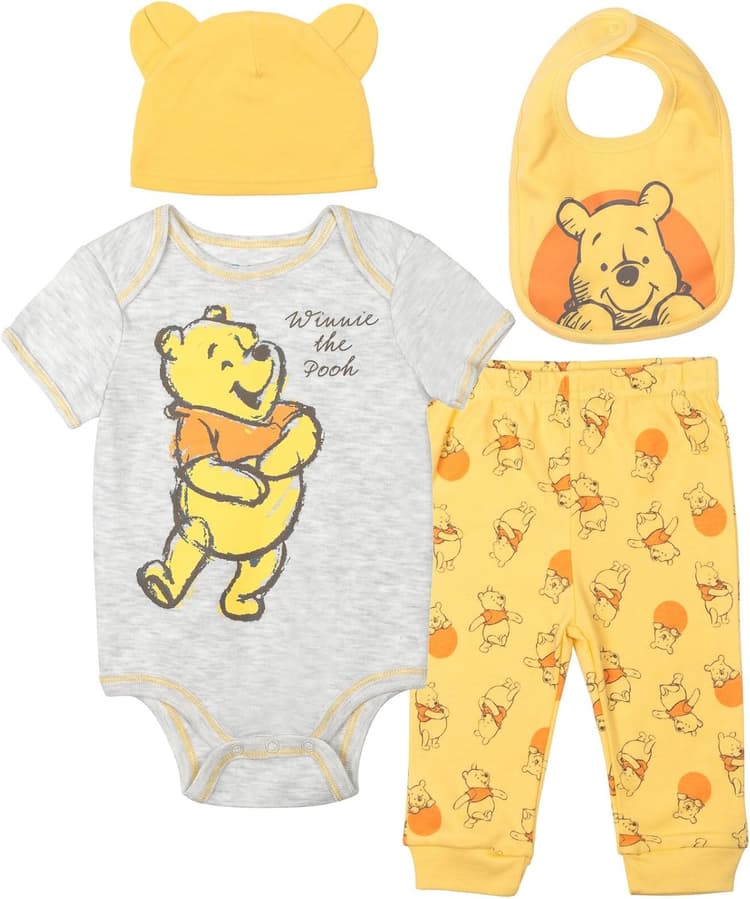
Disney
$24.99
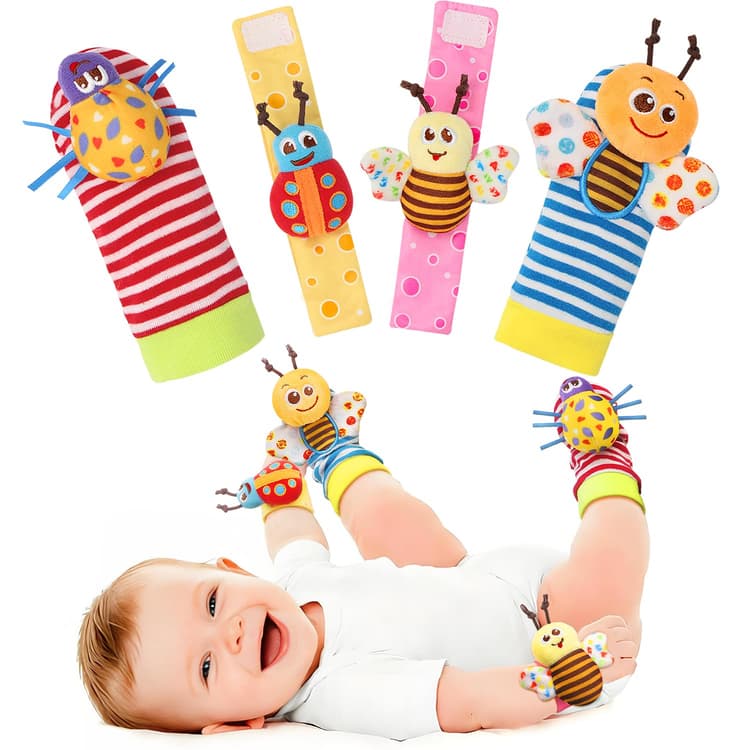
BLOOBLOOMAX
$8.96
$14.95
-40 %
*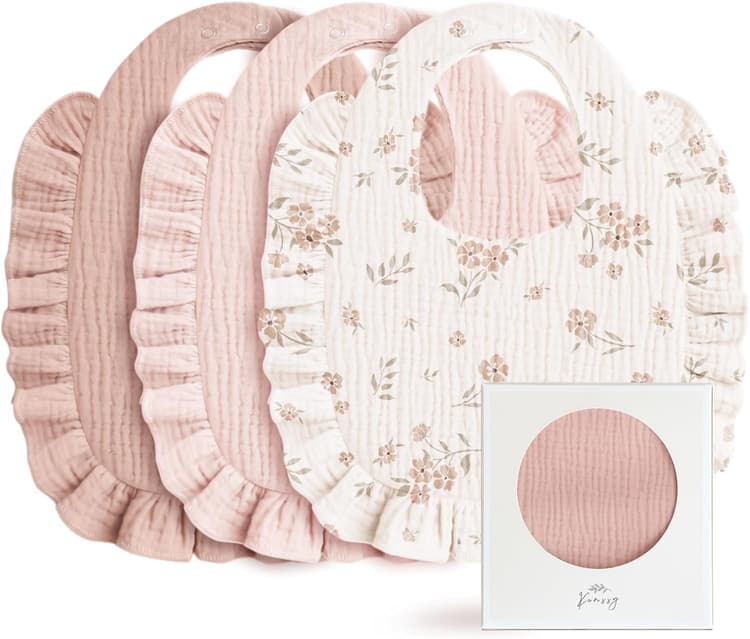
Konssy
$13.99
$17.99
-22 %
*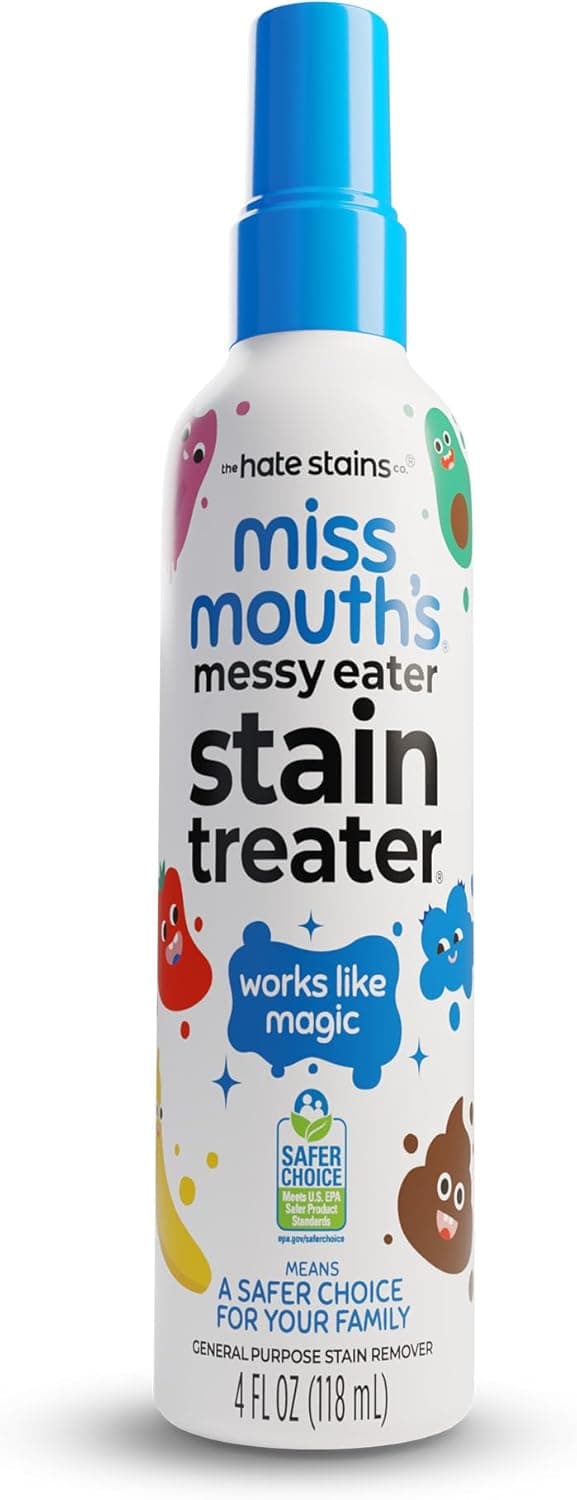
Miss Mouth's
$7.97
$9.99
-20 %
*This week saw multiple kids sneaker drops and buyer guides focused on school-ready trainers: grade‑school silhouettes, durability tests and fit advice. Specialist coverage emphasises launches across toddler to grade-school sizes, highlighting features parents should prioritise—non-marking soles, heel support, easy-on closures—over looks alone. Retailers are using short launch windows and heavy stock messaging to drive demand, which can prompt impulse buys for fast‑growing children. On the product side, there’s steady demand for durable toe reinforcements, breathable uppers and reinforced stitching to handle daily play. Omnichannel retailer tactics—web reservations and stock alerts—help reduce returns and improve conversion for online purchases. For buyers, check age/size labelling and returns policy, and prefer models with repairable elements or replaceable insoles to extend usable life. These shifts underline how footwear choices in school-age children increasingly balance style with practical, longevity-minded design.
Disney
$7.77
$47.99
-84 %
*
The Children's Place
$26.97
$59.95
-55 %
*
The Children's Place
$29.99
$50.95
-41 %
*
LIMIROLER
$28.89
$33.99
-15 %
*This week’s targeted promotions—such as BOGO deals on kids lines—illustrate a deliberate retail strategy: drive wardrobe turnover through volume offers rather than average transaction value. For families, these promos can be a practical way to match budgets with needs—buy a technical piece and get a low-cost daily-wear item, or buy multiple sizes. Caution is required: discounts can obscure differences in materials and construction; we urge checking fabric composition and certification rather than buying on price alone. For brands, BOGO helps clear late-season stock and acquire multi-item buyers but increases pressure on returns and after-sales handling. Omnichannel retailers report rising searches for “bundle” and “set,” confirming a shopper shift to grouped purchases. From a sustainability angle, promotions should be paired with clear guidance on repairs, exchanges and resale to reduce waste after a single season.
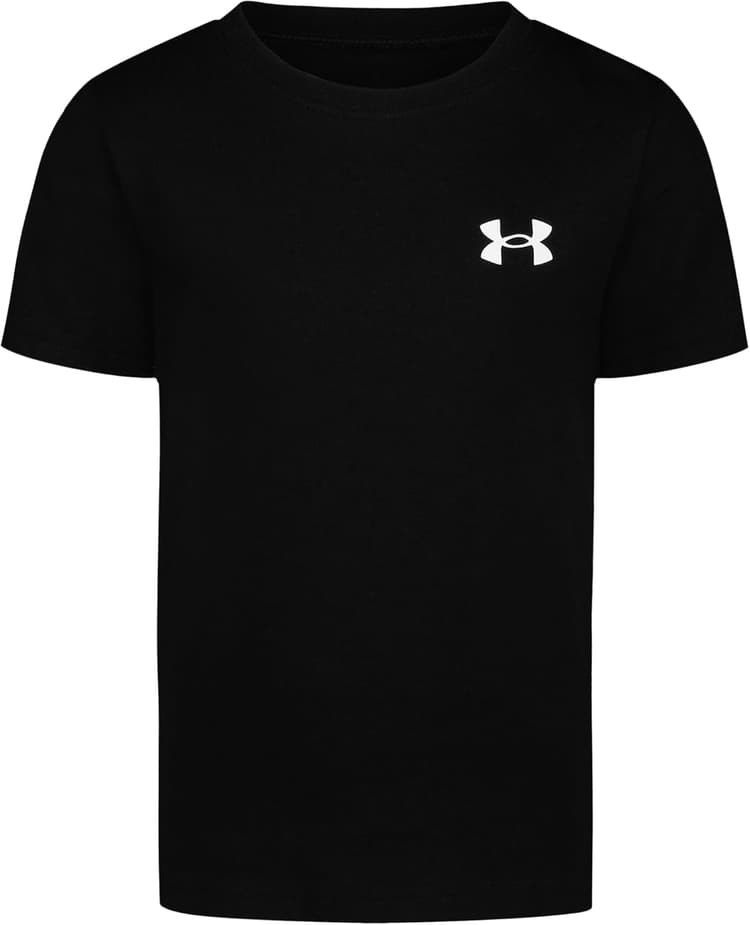
Under Armour
$10.30
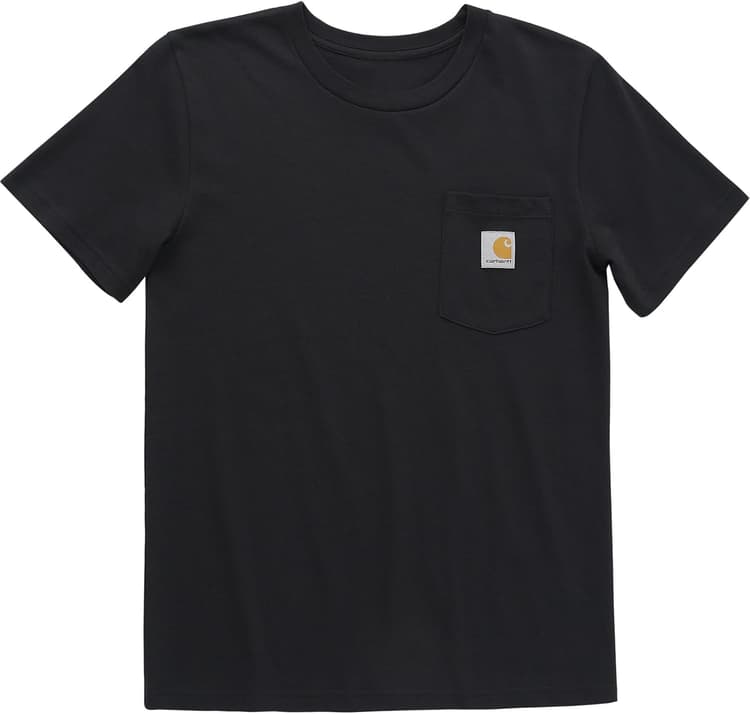
Carhartt
$11.99
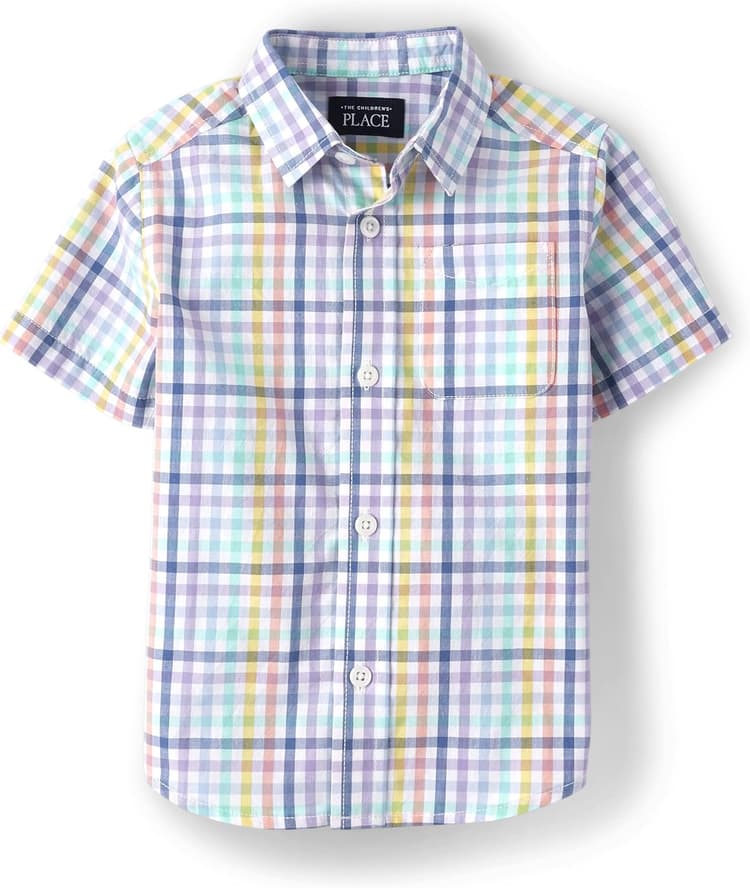
The Children's Place
$12.85
$14.92
-14 %
*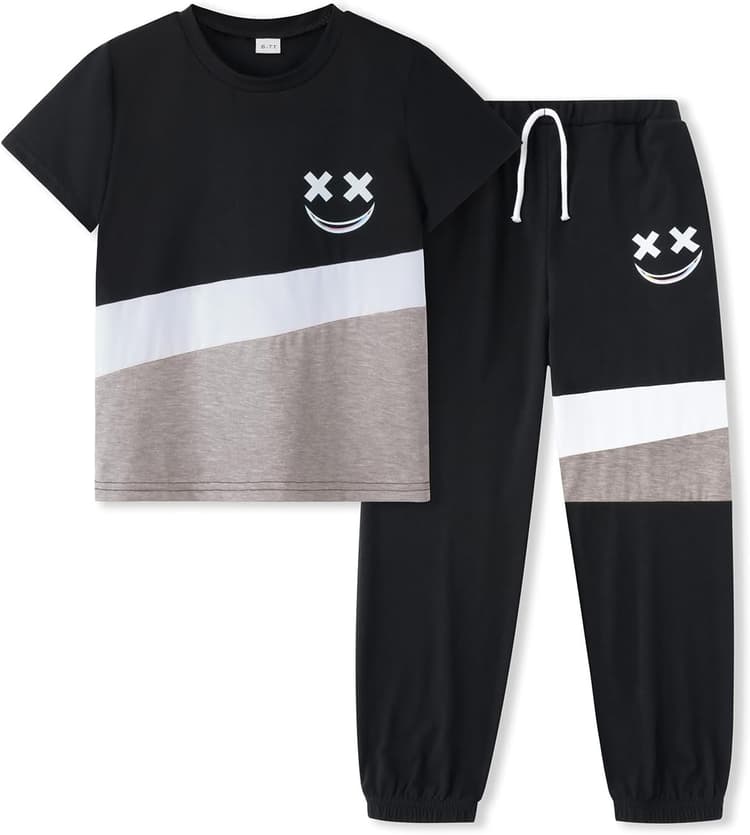
Vitalique
$14.22
$17.97
-21 %
*
Under Armour
$14.44
Under Armour
$14.99
$20.00
-25 %
*
Under Armour
$14.99
$20.00
-25 %
*
BIBNice
$14.99
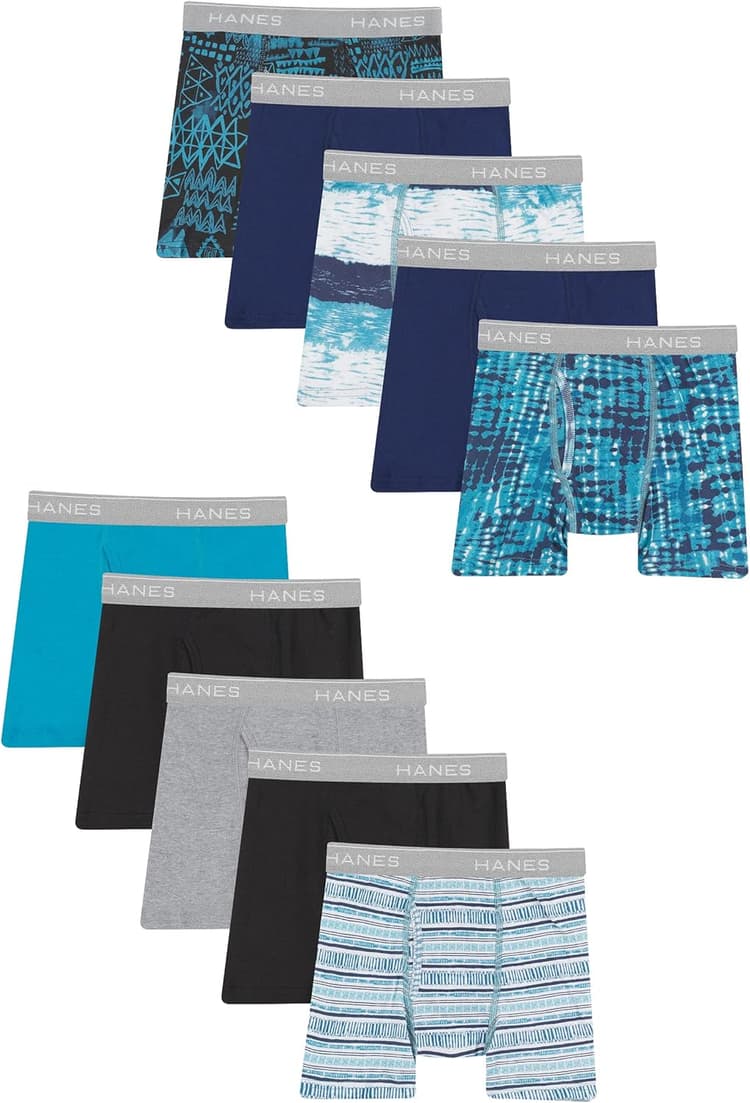
Hanes
$16.98
$24.49
-31 %
*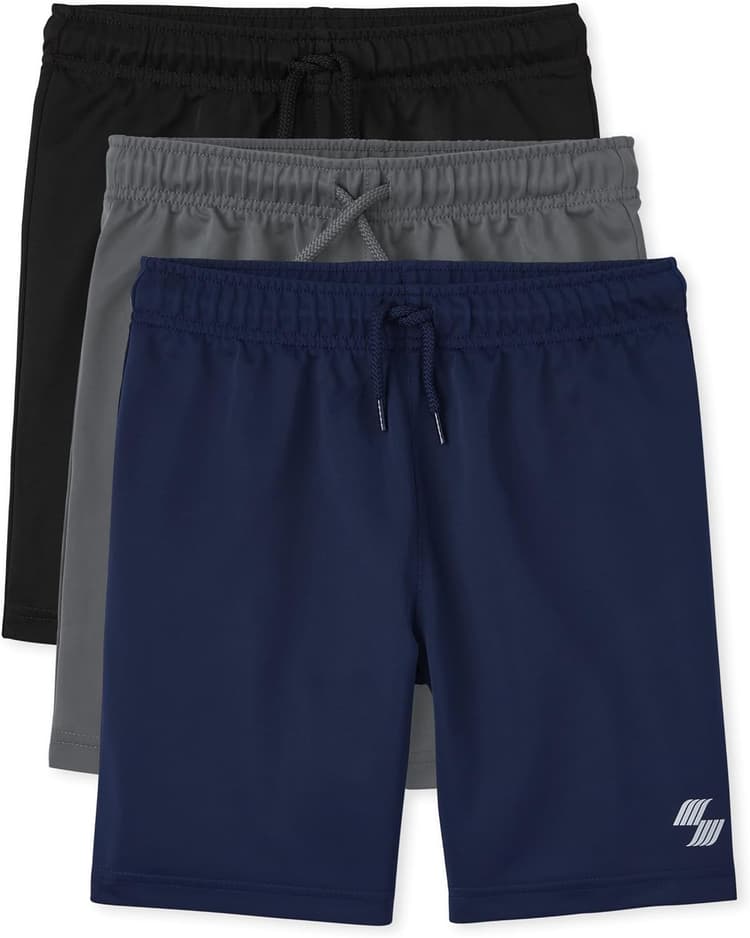
The Children's Place
$17.99
$38.95
-54 %
*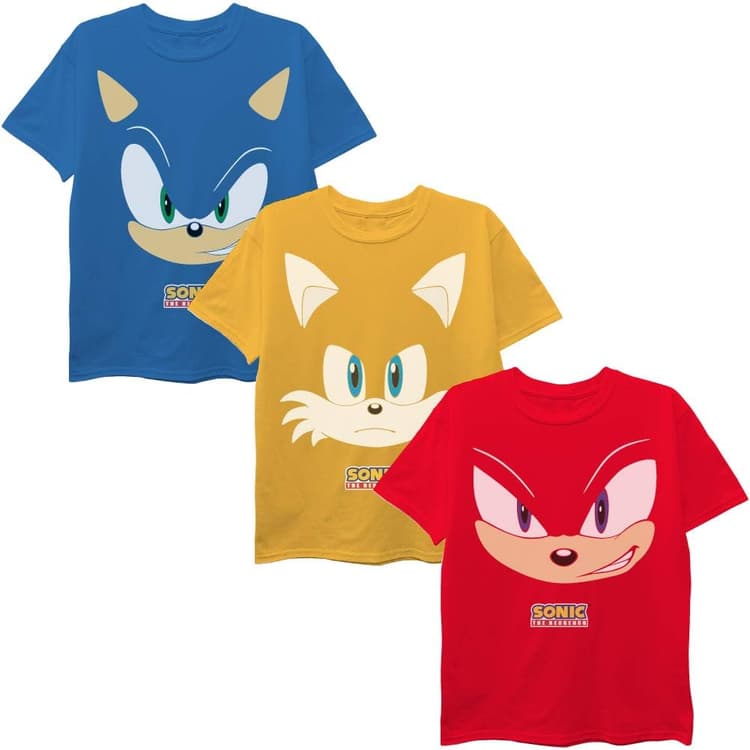
SEGA
$18.39
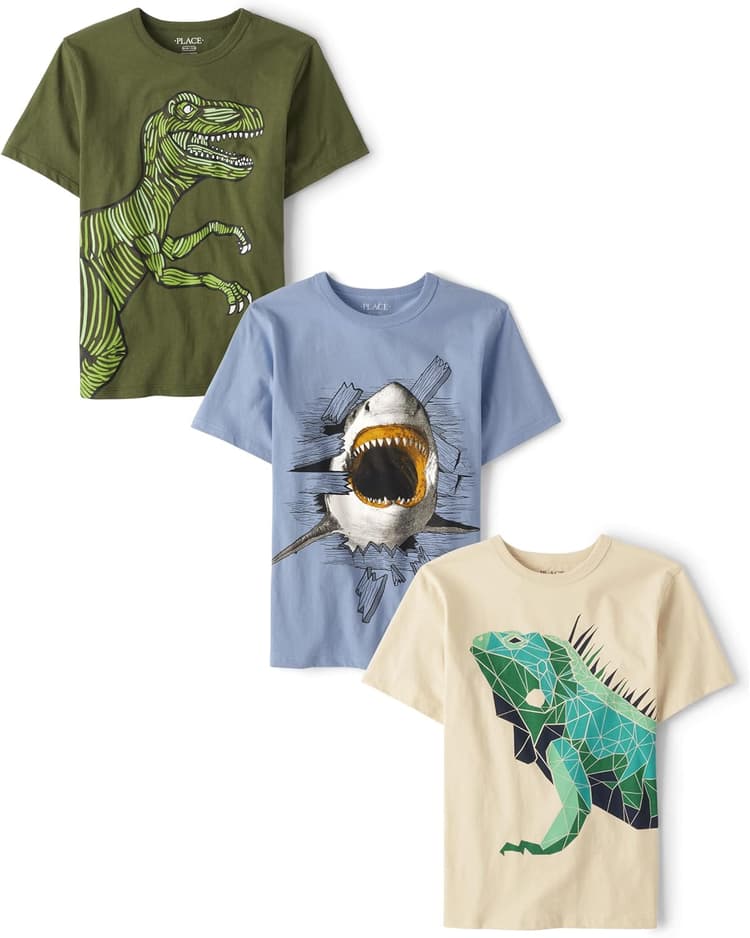
The Children's Place
$18.98
Recent market analyses this month confirm accelerating growth in kids athleisure: rising adoption of performance fabrics (anti-odor, stretch, quick-dry) and strong parental demand for multi-function garments suitable for both school and sport. Reports highlight a trend toward responsible materials (recycled content, certifications). For R&D teams this means investing in blends that balance technical performance with softness for sensitive skin and in eco‑conscious finishing compliant with REACH and OEKO‑TEX standards. Commercially, unisex styling and adjustable-size features improve resaleability and product lifespan. E‑commerce remains critical—brands should enhance sizing tools (visual guides, AR try-on) to cut size-related returns. Finally, the kids athleisure segment must reconcile price and sustainability: families expect performance at accessible price points, demanding supply-chain optimisation to protect margins while meeting environmental commitments.
FURTALK
$14.99
$16.99
-12 %
*
Simple Joys by Carter's
$20.00
Disney
$7.77
$47.99
-84 %
*
Ledy Champswiin
$16.89
Local resale events like Just Between Friends this week reinforce growing circular-economy activity among families: cost savings, curated quality finds and clear sustainability benefits. These sales are popular for buying seasonal bundles or consecutive sizes at a fraction of retail cost, and they give local consignors an efficient outlet. For shoppers, resale requires transparent condition indicators (photos, wear notes), washability info and assurance that no hazardous fixtures remain. Organisers report faster turnover for baby and toddler items, underscoring high demand and making consigning an attractive route to recapture value. For brands, resale events provide real-world wear data that can inform more repairable designs and certified refurbishment programmes. We advise parents to include consigning in their wardrobe lifecycle and suggest brands develop trade-in or take-back schemes to monetise secondary value and reduce waste.
Miss Mouth's
$7.97
$9.99
-20 %
*BLOOBLOOMAX
$8.96
$14.95
-40 %
*Carhartt
$11.99
Hudson Baby
$11.99
Gerber
$12.95
Konssy
$13.99
$17.99
-22 %
*Gerber
$16.99
$24.99
-32 %
*Simple Joys by Carter's
$20.00
Simple Joys by Carter's
$20.00
Disney
$24.99
Gerber
$25.95
$29.99
-13 %
*Gerber
$25.95
$29.99
-13 %
* By Marcus Bellamy
 By Marcus Bellamy
 By Hannah Reyes
 By Hannah Reyes
 By Hannah Reyes
 By Hannah Reyes
This hub draws on fashion coverage, fabric market reports and retail announcements published between Feb 23 and Mar 1, 2026: London Fashion Week coverage, chambray market update, specialist sneaker content, retail promo listings and local resale event pages.
We synthesised public sources dated Feb 23–Mar 1, 2026. Product suggestions are informational and do not replace independent checks (labels, standards, safety) before purchase.
Our selections rely on independent analysis and hands-on testing, without commercial influence.
Clear comparison guides based on technical criteria and expert reviews.
We frequently revise articles to reflect new models and fashion trends.
Some links are affiliate: we may earn a commission and redirect you to trusted partner retailers.