
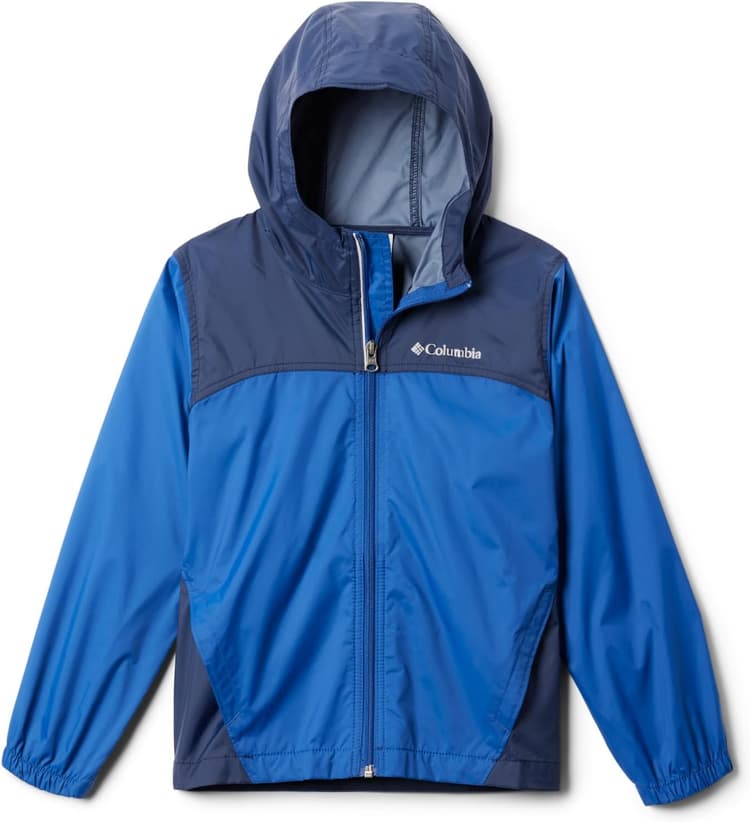
Columbia
Columbia Boys' Glennaker Rain Jacket
★★★★☆4.6
$24.50
$50.00
-51 %
*
Product analyst covering fabric tech, fit advice, and budget-friendly finds.

Buying a coat or jacket for a child often looks straightforward, yet several factors determine longevity, safety and comfort. This practical guide walks you through how to assess needs based on use, understand price drivers, choose size and comfort, and read material and care labels. It is aimed at parents and caregivers who want clear, usable criteria rather than marketing claims. You will find concrete comparison points, common beginner mistakes to avoid, and tips to extend a garment's useful life.
The guide focuses on everyday scenarios: freedom to play, waterproofing for rainy days, insulation for colder seasons, and easy-care for frequent washes. For each topic we show how to check labels or fittings and how to interpret terms like "waterproof", "breathable" or "DWR". The intent is not to push any brand but to equip you with practical benchmarks to prioritize features according to your budget and your child's habits.
By the end you will have a compact checklist to guide purchases and simple, actionable recommendations for daily use. The writing stays practical: minimal jargon, concrete examples when needed, and clear trade-offs between cost and performance.
Columbia
$24.50
$50.00
-51 %
*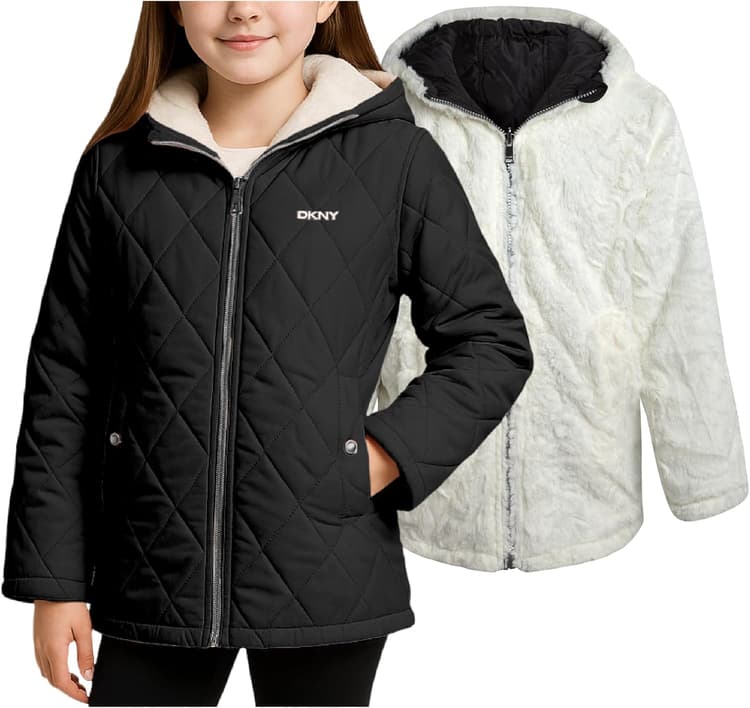
DKNY
$19.99
$39.99
-50 %
*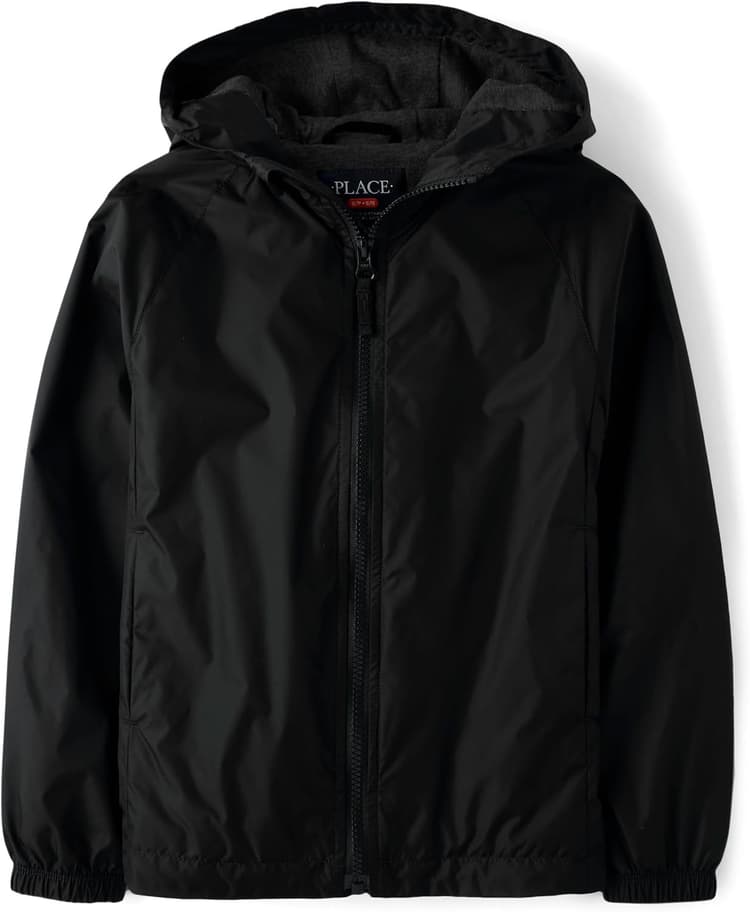
The Children's Place
$23.97
$39.95
-40 %
*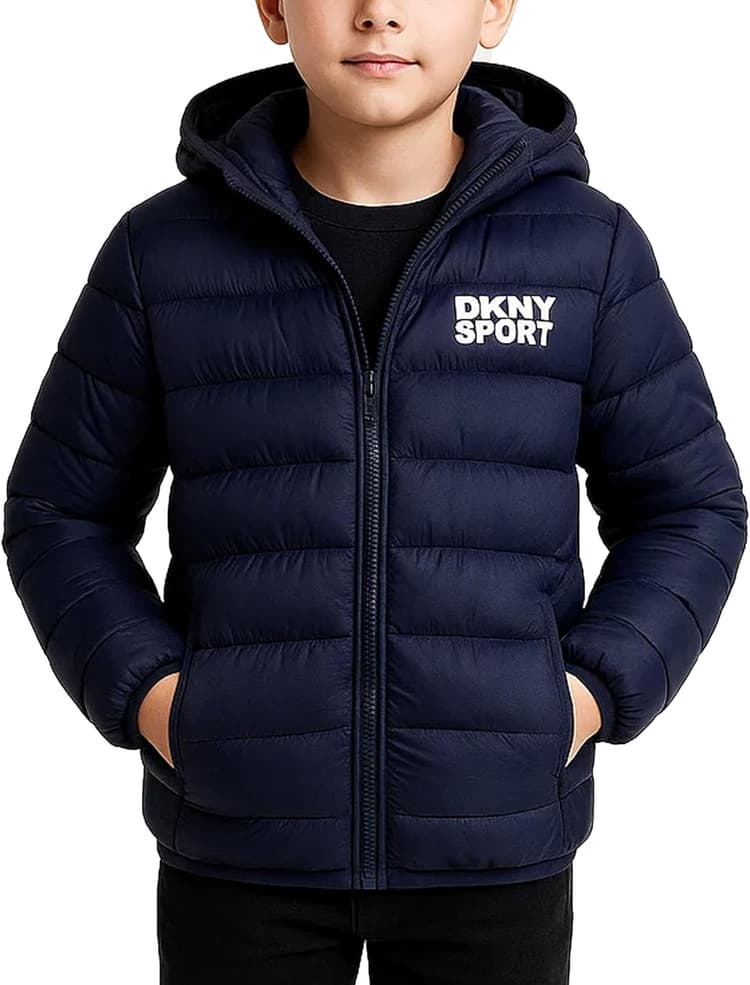
DKNY
$24.99
$39.99
-38 %
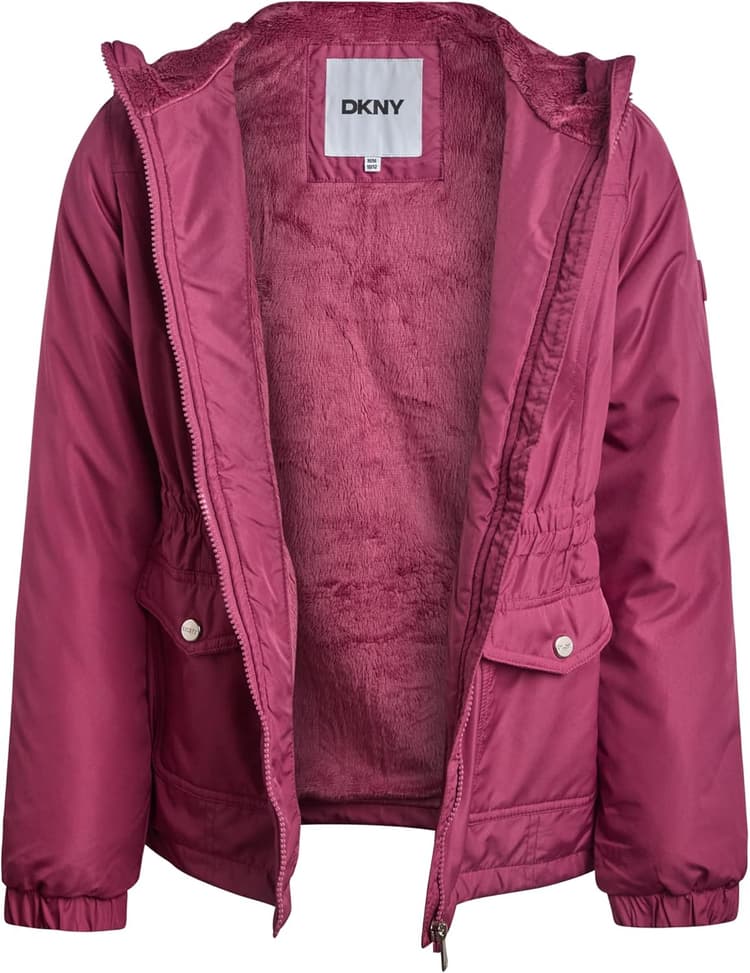
*
DKNY
$19.98
$29.99
-33 %
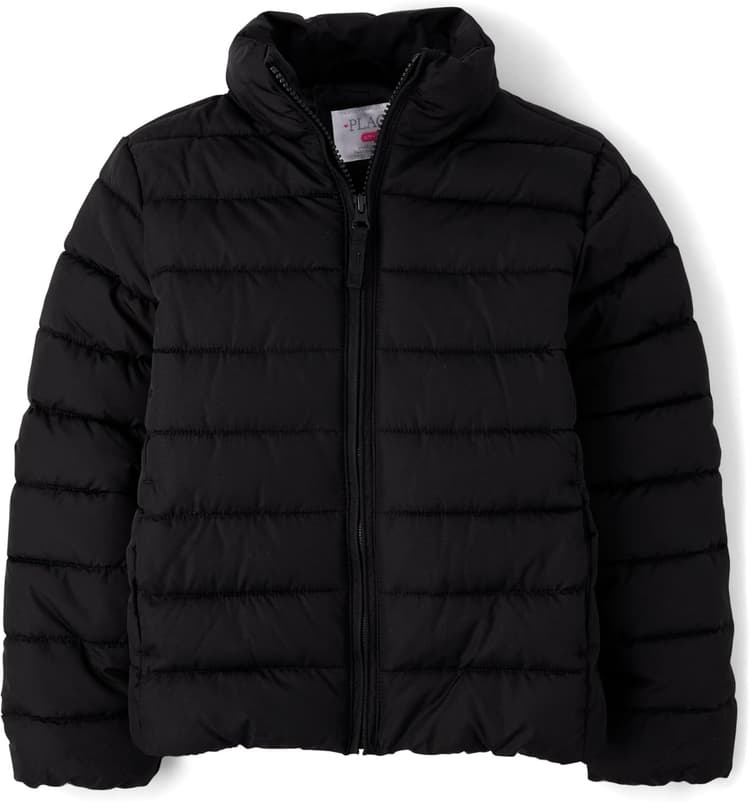
*
The Children's Place
$20.76
$29.38
-29 %
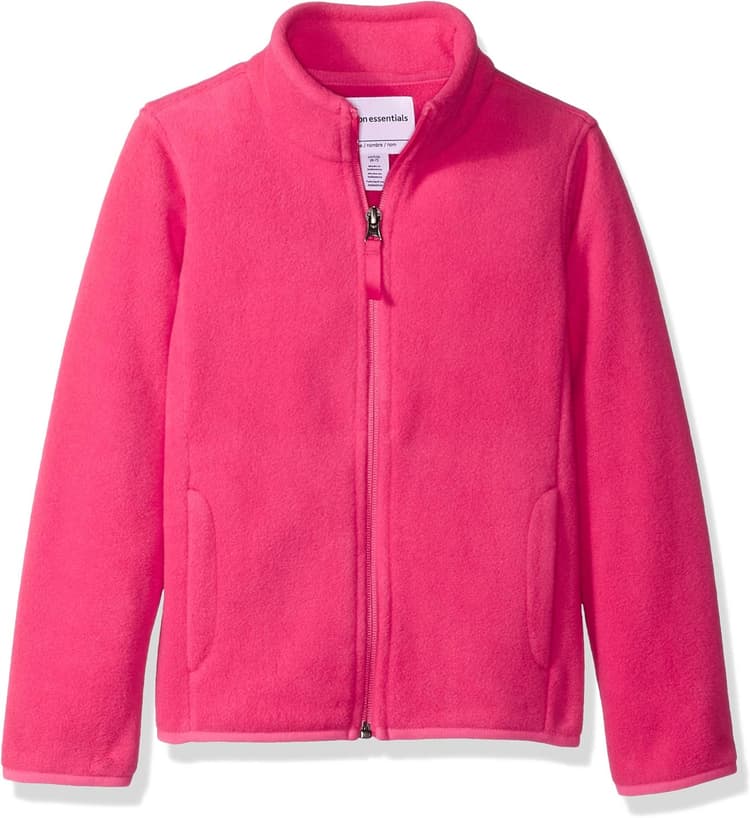
*
Amazon Essentials
$13.59
$18.30
-26 %
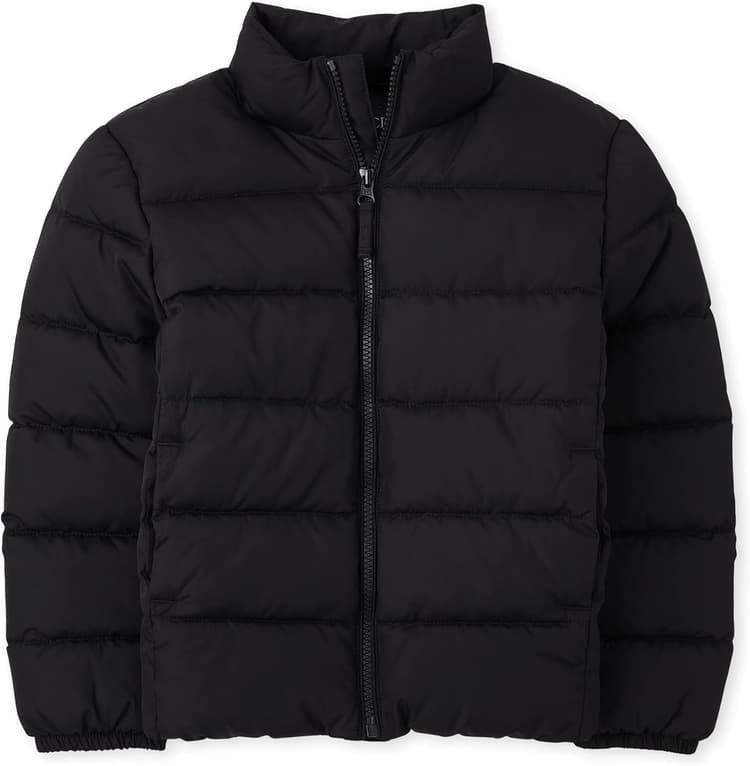
*
The Children's Place
$24.13
$29.38
-18 %
*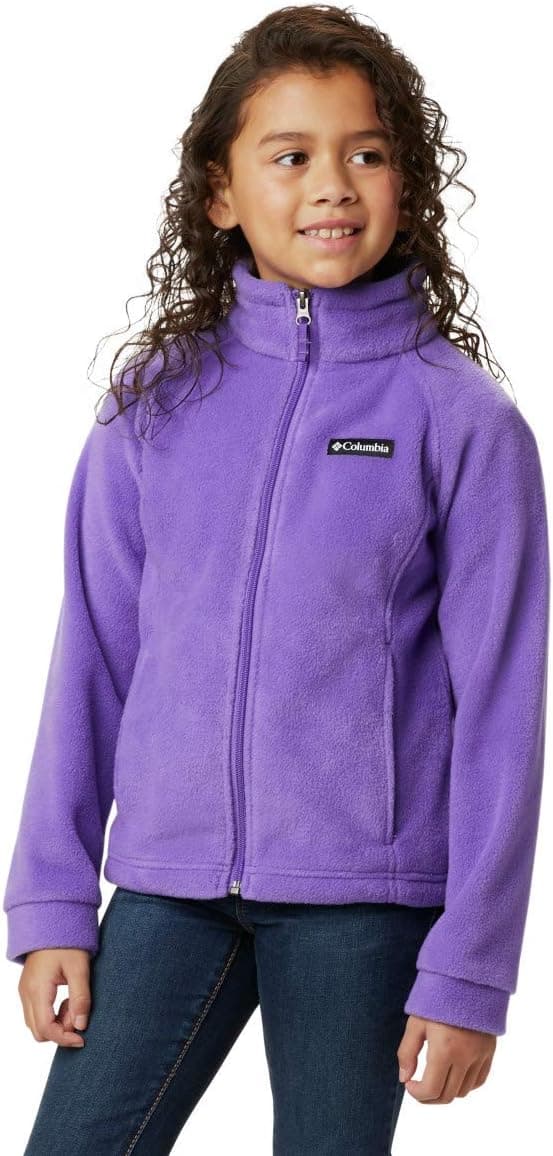
Columbia
$27.00
$30.00
-10 %
*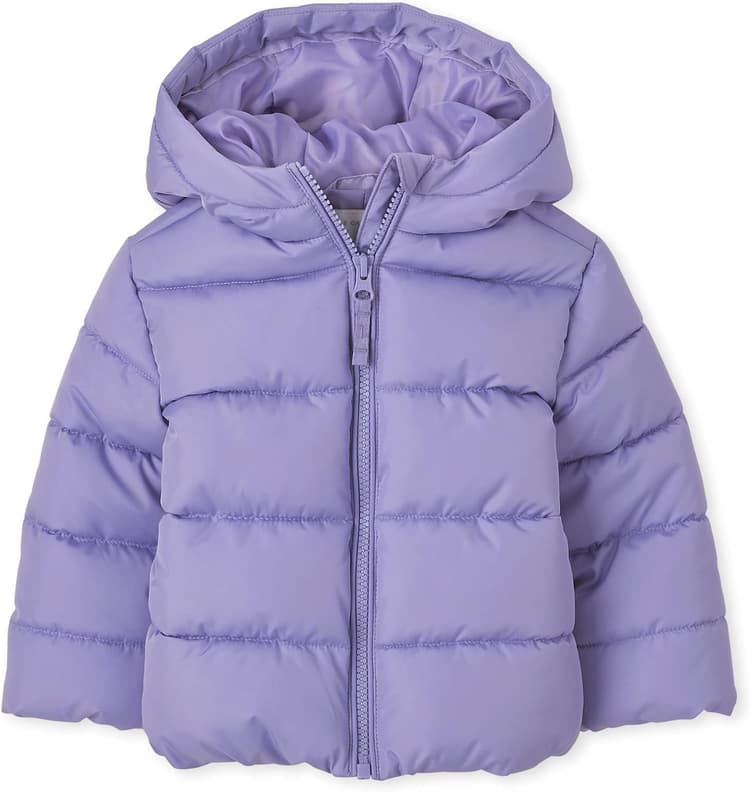
The Children's Place
$24.24
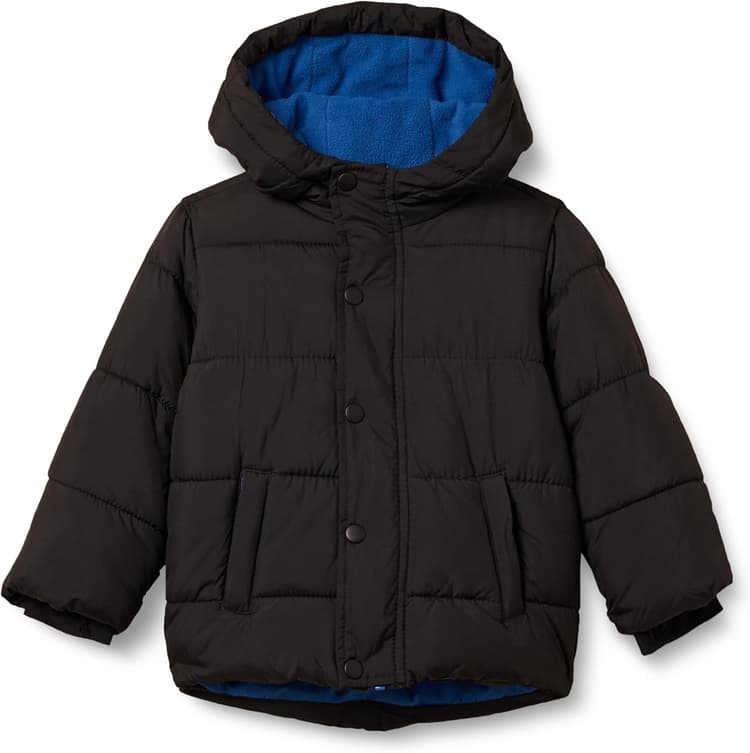
Amazon Essentials
$34.44
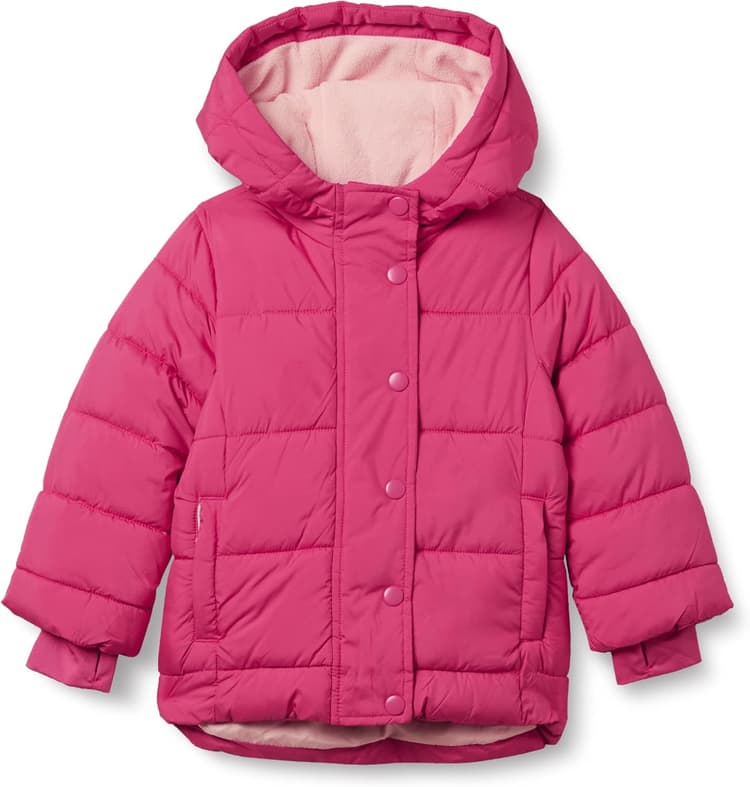
Amazon Essentials
$36.00
Start by clarifying the use cases: school, outdoor play, travel or everyday city wear. A primary-school coat needs to withstand play and frequent washing. For more demanding outdoor activities, prioritize waterproofing and an ergonomic cut.
List three priority criteria: weather protection (warmth, rain, wind), durability (wear, seams, closures) and ease of care. Practical example: a child who plays outside an hour daily but commutes by bus may do well with a midweight jacket with DWR finish; a child who takes long winter walks will need heavier insulation and snug cuffs.
Account for independent dressing: choose zippers and fasteners that are easy for small hands. Consider growth: some garments include sleeve extensions or adjustable hems. Also factor in local climate: wet regions require higher waterproof ratings, dry cold areas benefit from effective natural or synthetic insulators.
Practical tip: write down three typical scenarios (cold morning, rainy afternoon, active outing) and rank features accordingly. This prevents buying a coat that looks good on paper but misses the most common use.
Price reflects multiple factors: material quality, construction complexity, trims and testing (waterproofing, abrasion resistance), plus manufacturing costs. Budget coats often use simpler fabrics and basic linings, which may be adequate for limited use. Midrange pieces commonly include better zippers, a breathable waterproof membrane or improved synthetic fill.
Premium items invest in technical membranes, higher-performance insulation, longer-lasting DWR treatments and stricter QC testing. Those features raise price but deliver concrete benefits: superior wet-weather protection combined with breathability, longer service life and sometimes replacement guarantees. Still, a high price is no automatic assurance: focus on technical specs rather than price alone.
Other cost drivers: safety certifications, reinforcements on high-wear zones and reflective details. Local manufacturing or ethically sourced materials can increase costs without necessarily matching all performance needs. Also remember that value for children depends on use frequency and growth rate: an expensive coat may be worthwhile if worn intensively across seasons but less so for occasional wear.
Practical takeaway: read labels and spec sheets, determine which premium features matter for your child, and compare models on those exact points before judging price.
Correct sizing balances room for movement, allowance for layering and a good fit to the child's body. Take chest, waist and arm length measurements when possible and map them to the maker's size chart. Aim for a jacket that can accommodate at least one mid-layer. Avoid overly baggy coats that restrict movement and create uncomfortable air pockets.
Comfort details matter: shoulder width, sleeve cut, adjustable cuffs, and the collar and hood fit. Sleeves that are too long or short hinder use and can let moisture in. For active kids, a slightly tapered cut helps keep the coat from riding up during play.
At fitting time have the child raise their arms, bend and hop. Confirm the hood stays put without blocking sight and that closures are child-friendly. For very young children, snaps or large zipper pulls are easier than small buttons.
Growth management: if rapid growth is expected, choosing a slightly larger size works if the coat has adjustment points (hem toggles, sleeve extensions). Without adjustability, pick the size that preserves mobility over one that is simply larger and leaves gaps in coverage.
Practical tip: record the child's usual size and compare it to the brand chart; sizing varies widely between manufacturers and styles.
Materials determine protection and lifespan. Think in three parts: outer shell, insulation and lining. Outer fabrics may be tightly woven, coated or laminated with a membrane. Coated or laminated shells typically offer better water resistance than plain fabric. Durable water repellents work by beading water on the surface but wear off over time.
Insulation comes in synthetic and natural types. Synthetics dry faster and retain loft when damp, making them preferable for wet conditions. Natural insulators like wool provide warmth and moisture regulation but need more care. Insulation weight and fill power often indicate thermal performance: more insulation equals warmer but bulkier garments.
Also check reinforcements on elbows and hem, plus zipper and seam quality: double stitching and taped seams in exposed areas improve longevity. Care labels matter: easy wash cycles and machine-dryable options extend practical life.
Concrete example: for frequent rain choose a laminated outer with taped seams and a fresh DWR. For dry cold, prioritize a solid insulating layer and a breathable lining over full waterproofing.
Features may seem numerous, but a few truly matter for daily use. Key items and quick checks:
To judge everyday performance test mobility, ease of closures, drying speed and stain resistance. A coat that dries quickly and survives machine washing will be used longer. Observe how the jacket behaves in real scenarios: steady rain, bike rides, muddy play. Reinforcements and well-protected seams better withstand those stresses.
Simple method: list three must-have features and three nice-to-have ones. Score each jacket against this grid and you will quickly discard options that do not meet practical needs.
New buyers often make recurring mistakes. Here are common ones and how to avoid them:
Expert but practical tips: opt for strong closures and reinforced high-wear areas; repair small holes and loose seams early; add patches to elbows or hems if needed. To maintain water repellency, follow care labels and reapply a DWR spray when performance drops.
Use tips: store coats clean and dry to avoid odors and material breakdown; avoid high-heat tumble drying that damages insulation; if torn between two sizes and no adjustment exists, choose the size that preserves movement.
In short: do not rely on looks alone, read care labels and match the coat to real daily use. Small maintenance actions extend life and performance in everyday conditions.
Columbia
$27.00
$30.00
-10 %
*The Children's Place
$24.24
Amazon Essentials
$13.59
$18.30
-26 %
*Amazon Essentials
$34.44
Amazon Essentials
$36.00
The Children's Place
$24.13
$29.38
-18 %
*The Children's Place
$20.76
$29.38
-29 %
*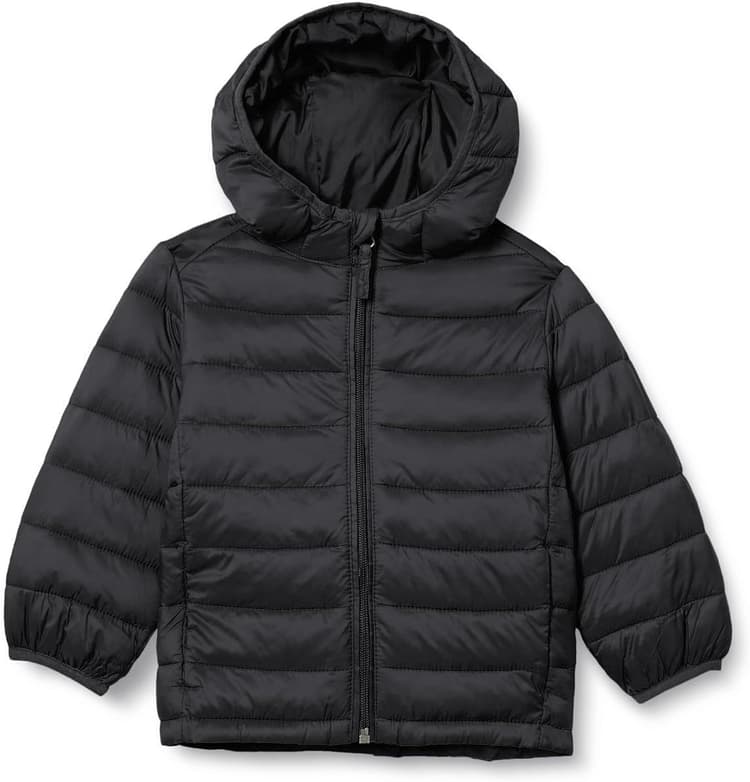
Amazon Essentials
$30.50
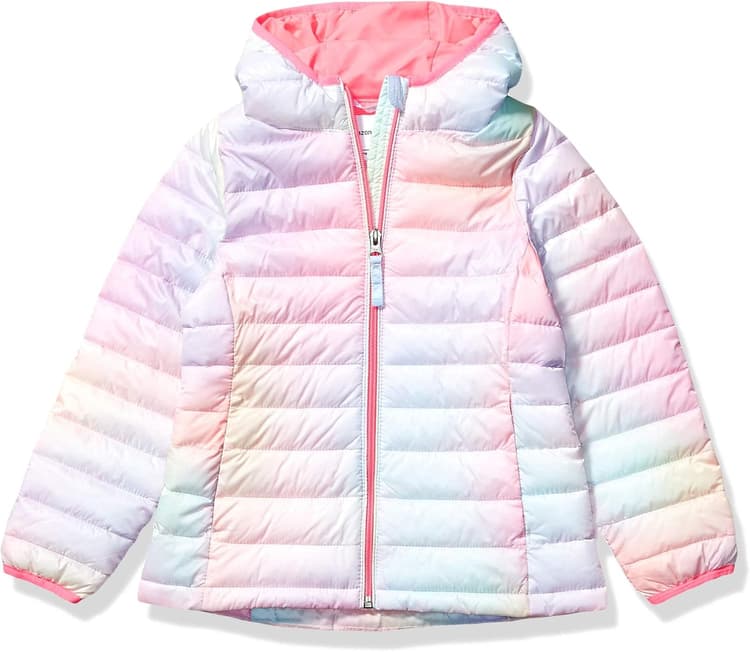
Amazon Essentials
$34.70
Columbia
$24.50
$50.00
-51 %
*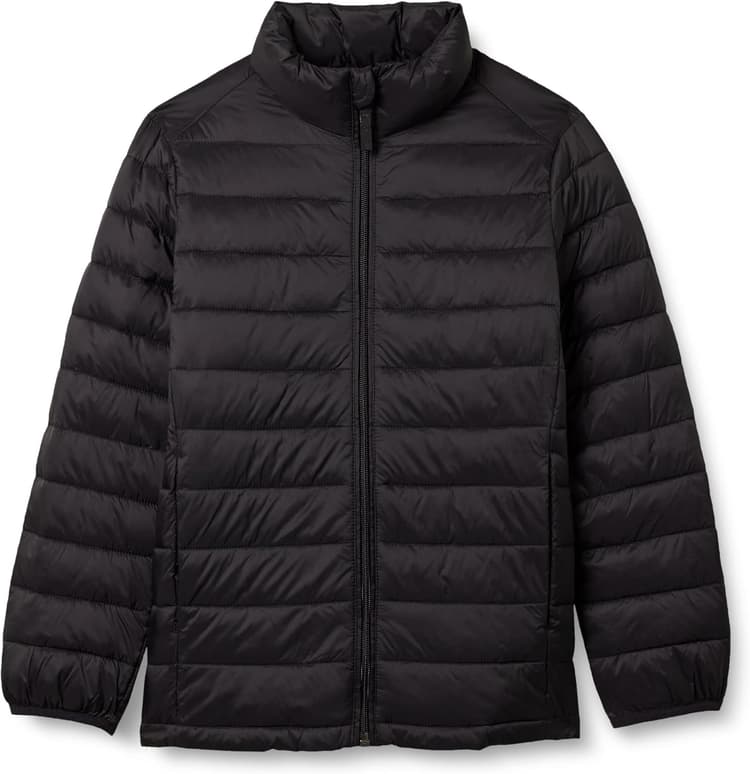
Amazon Essentials
$21.64
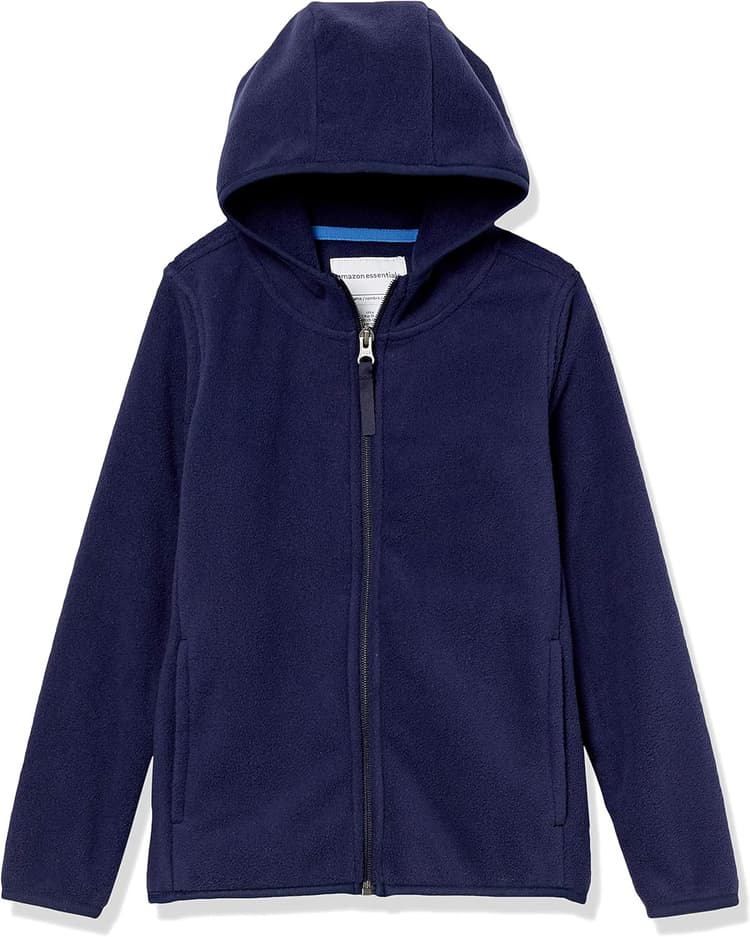
Amazon Essentials
$14.08
In summary: start by pinning down primary uses, then check sizing, comfort and materials. Read technical specs to see what justifies higher cost, and compare essential features like hood design, closures, cuffs and breathability. Favor practical aspects and easy care: a jacket that dries quickly, survives washing and has reinforced high-wear zones usually delivers better real-world value.
Quick purchase checklist:
Avoid buying for looks alone, and account for growth and maintenance. Using these benchmarks you can rapidly compare models and select the coat that best fits a child's everyday life.
This guide was created to provide practical, verifiable criteria to help buy kids coats and jackets. Editorial choices favor everyday usefulness: ease of care, durability and fit. No specific brand or product is endorsed. The content is based on textile principles and common usage practices. Technical terms (waterproofing, DWR, etc.) are used to compare features, not to promote manufacturers. The tone is practical to support quick, rational decisions.
Our selections rely on independent analysis and hands-on testing, without commercial influence.
Clear comparison guides based on technical criteria and expert reviews.
We frequently revise articles to reflect new models and fashion trends.
Some links are affiliate: we may earn a commission and redirect you to trusted partner retailers.