
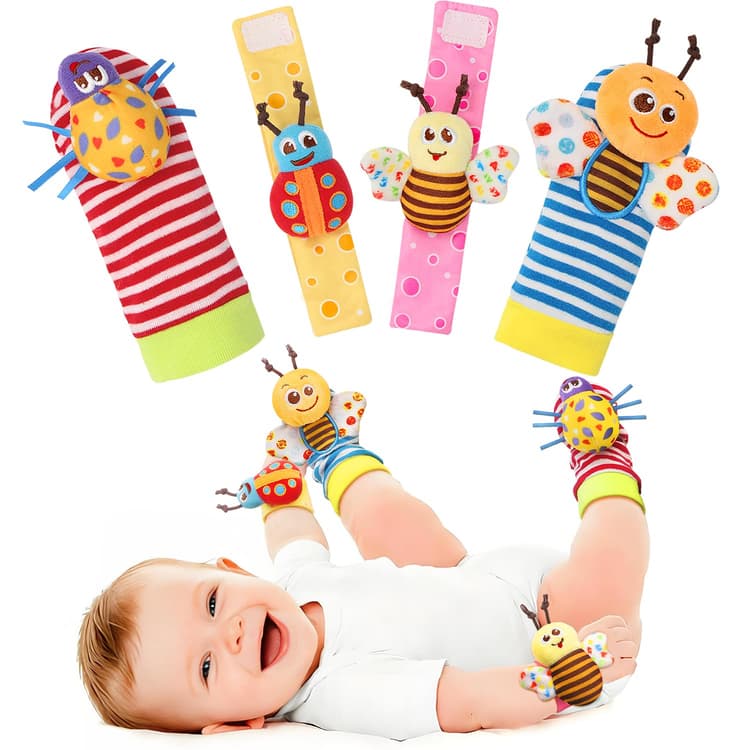
BLOOBLOOMAX
Bloobloomax Wrist Rattle Socks and Foot Finder Set, Infant Girl Boy Toys for Babies 0-36 Months, Newborn Hand & Foot Toys for 0 to 3 Years, Baby Shower Gifts Set Easter Basket Stuffer
★★★★☆4.6
$8.96
$14.95
-40 %
*
Senior editorial writer specializing in clothing reviews, style guides, and deals.

Choosing baby clothing may seem straightforward, but differences in cuts, fabrics and sizes make it more technical than it looks. This guide is aimed at helping you choose based on practical needs rather than aesthetics alone. It lays out concrete criteria to assess your child's needs, explains the main drivers behind price variations, helps you pick the right size for comfort and movement, and covers safety and durability considerations. You will get practical explanations about fabrics — cotton, blends, and technical textiles — and how they affect comfort, care and lifespan. The guide also offers a simple mental checklist to compare key features like seams, fastenings, knee reinforcements and ease of dressing.
The approach is intentionally practical: each section contains decision points you can apply at purchase. We also point out common limitations, such as oversized garments that complicate diapering, hard-to-remove labels, or finishes that degrade with washing. Recommendations reflect different everyday contexts — home, daycare, outings — and aim to reduce avoidable, costly mistakes. The guide ends with basic care tips to extend garment life and preserve textile performance.
BLOOBLOOMAX
$8.96
$14.95
-40 %
*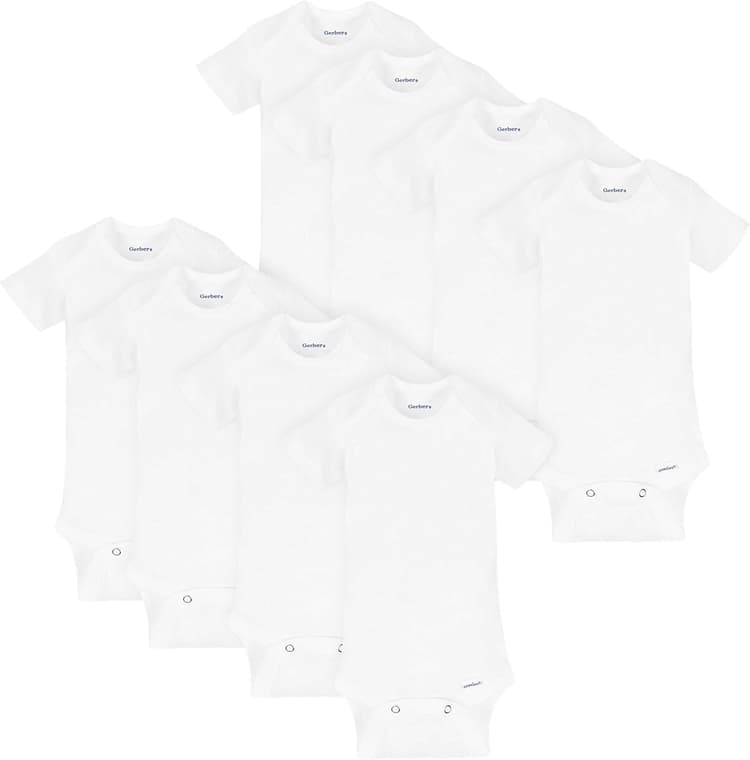
Gerber
$16.99
$24.99
-32 %
*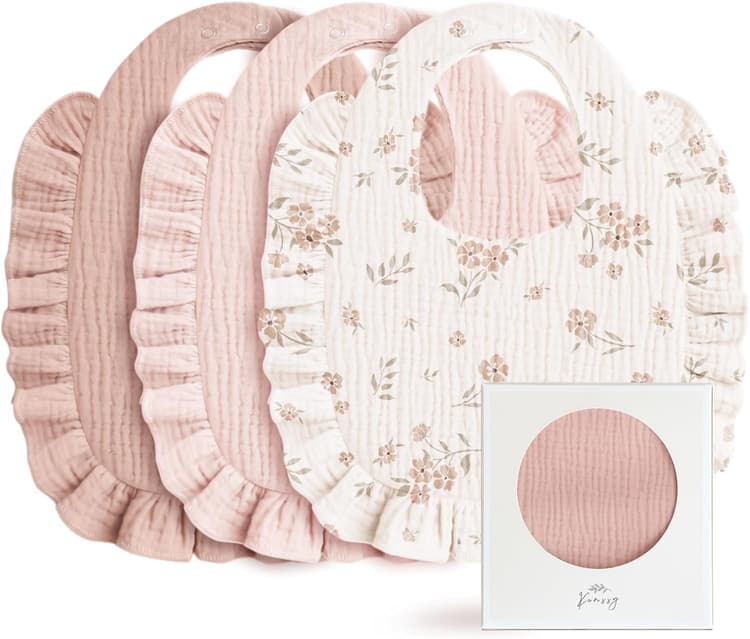
Konssy
$13.99
$17.99
-22 %
*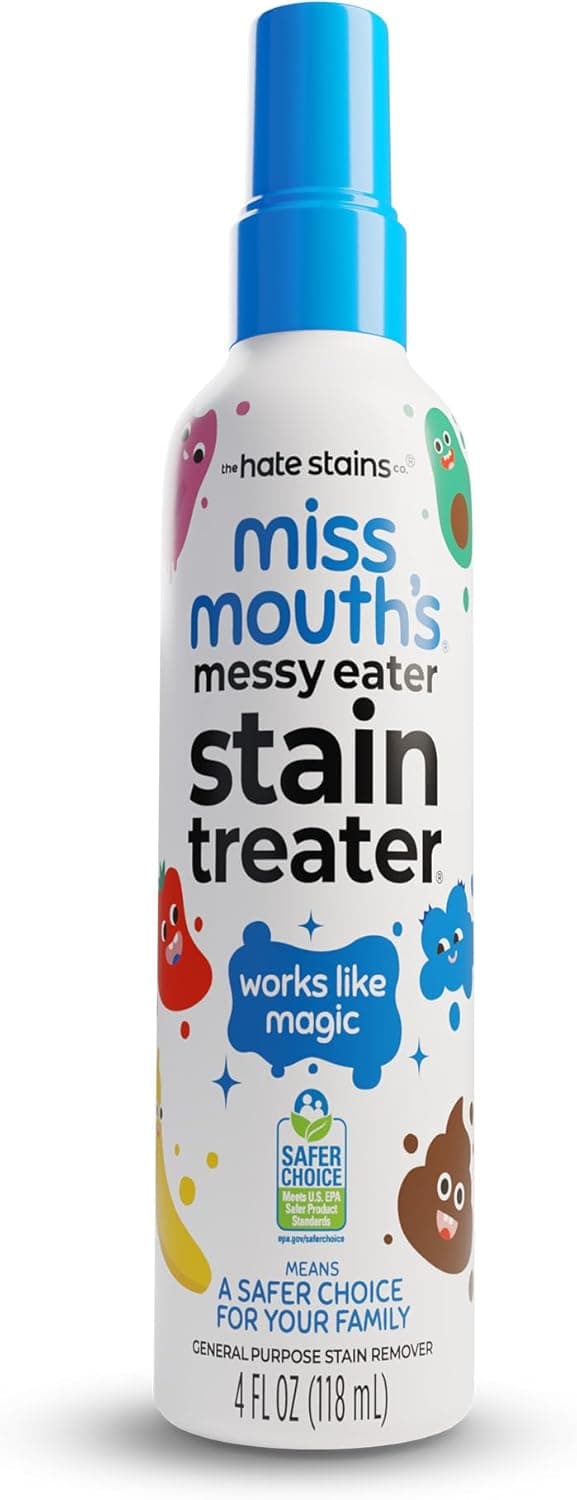
Miss Mouth's
$7.97
$9.99
-20 %
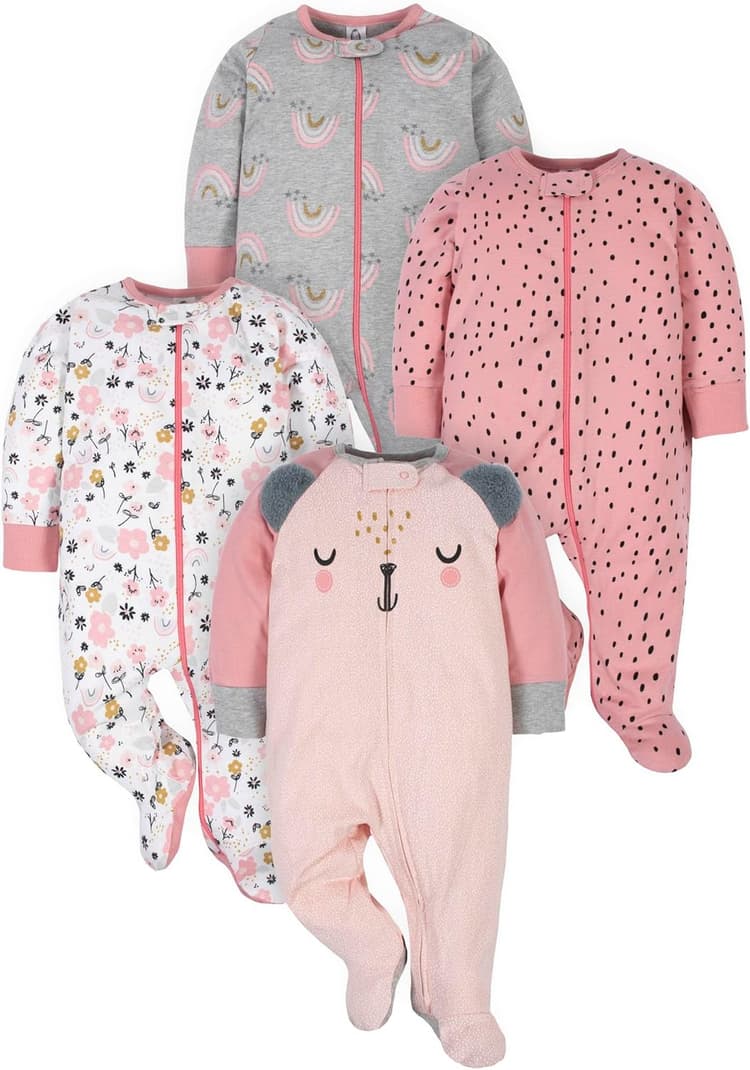
*
Gerber
$25.95
$29.99
-13 %
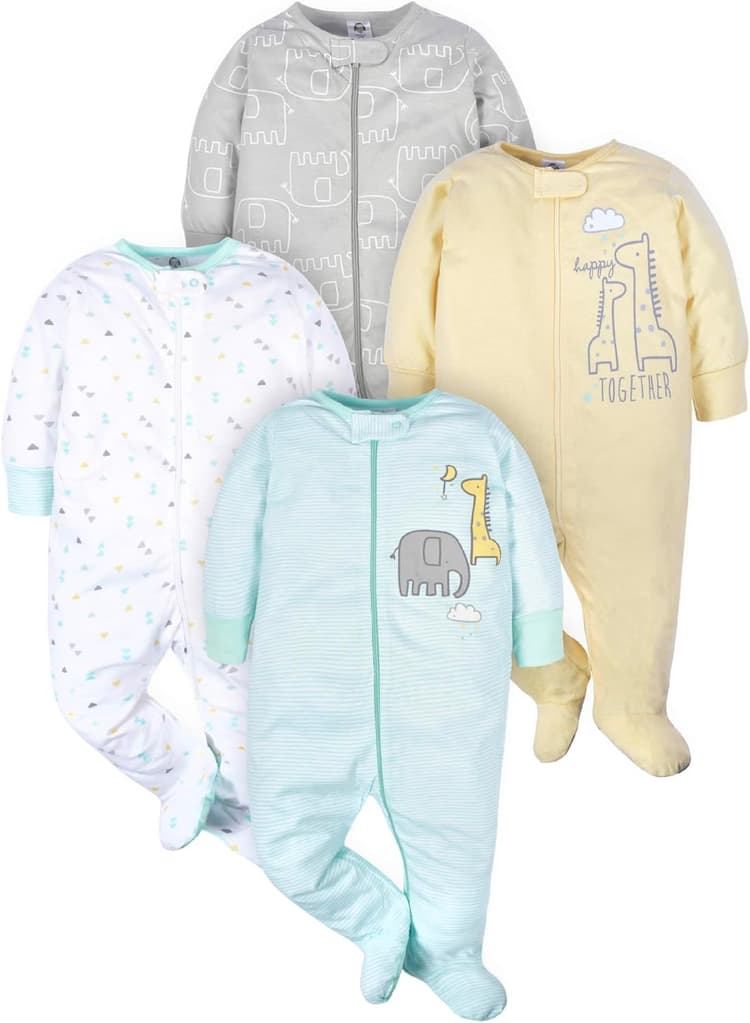
*
Gerber
$25.95
$29.99
-13 %
*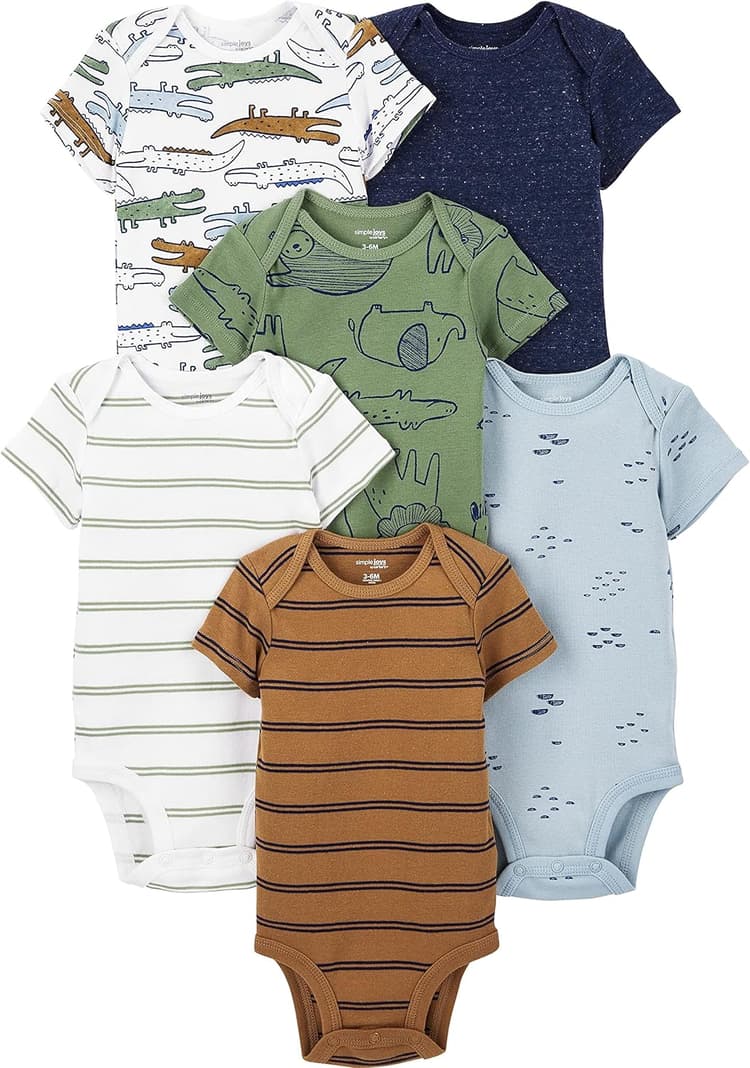
Simple Joys by Carter's
$20.00
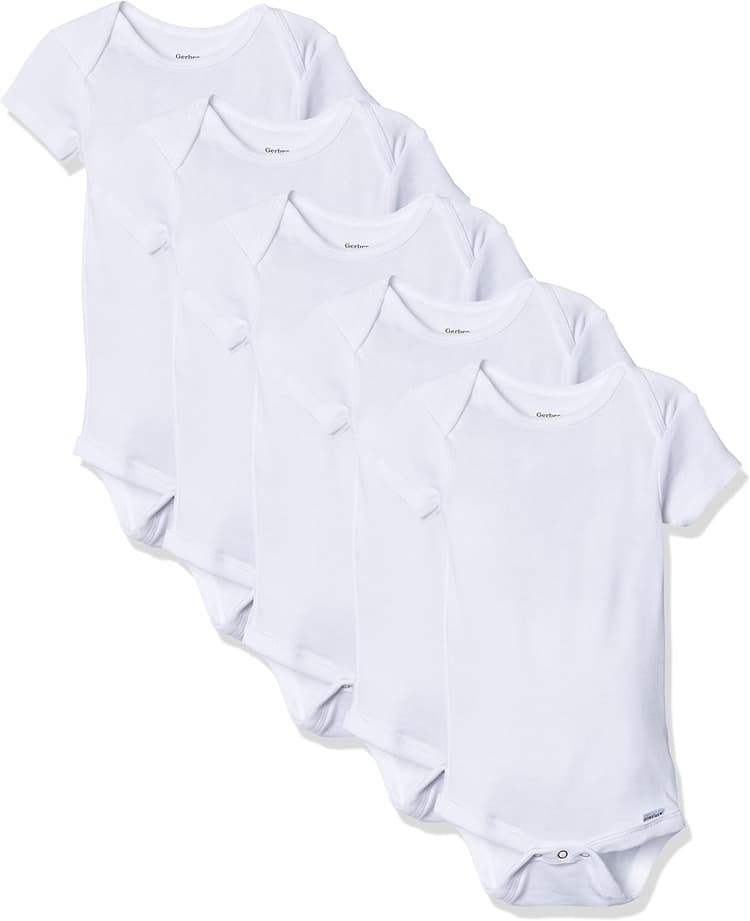
Gerber
$12.95
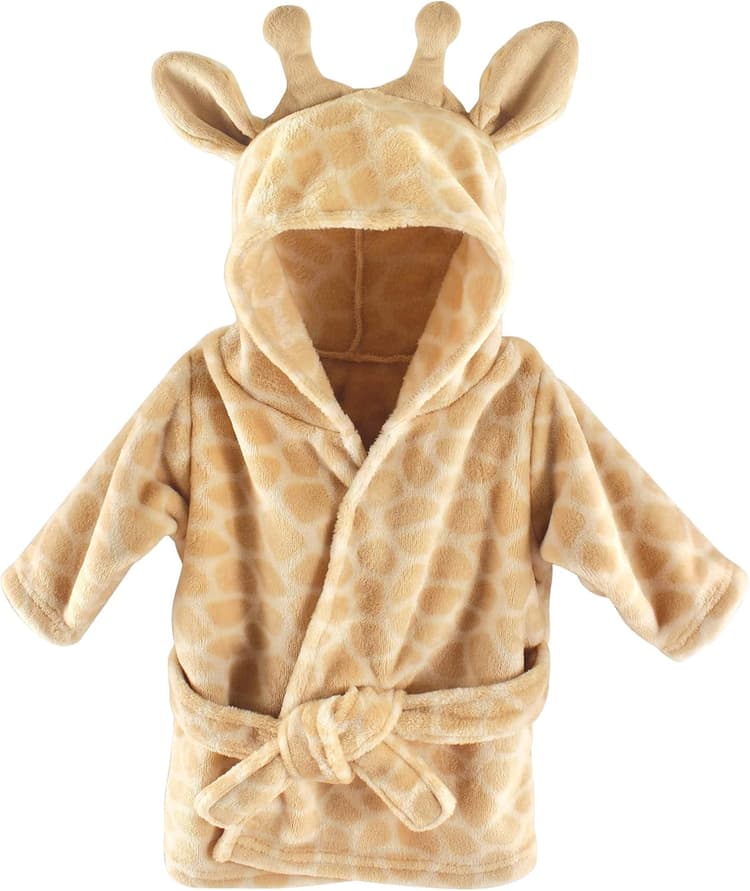
Hudson Baby
$11.99
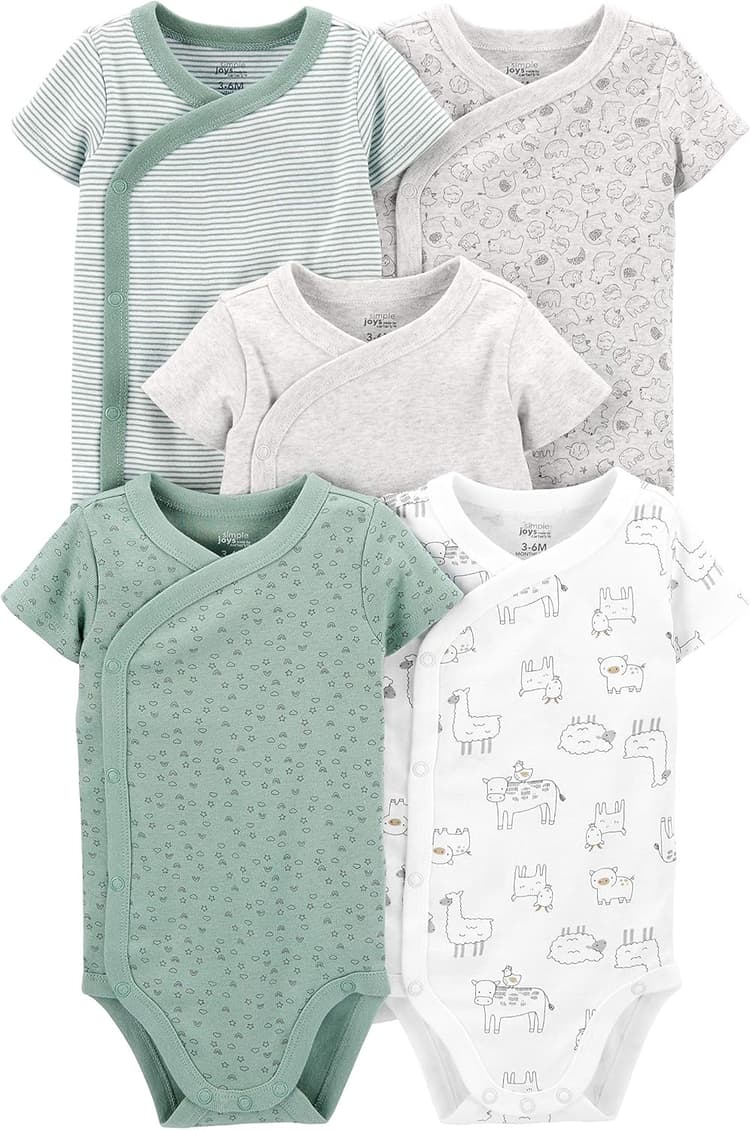
Simple Joys by Carter's
$20.00
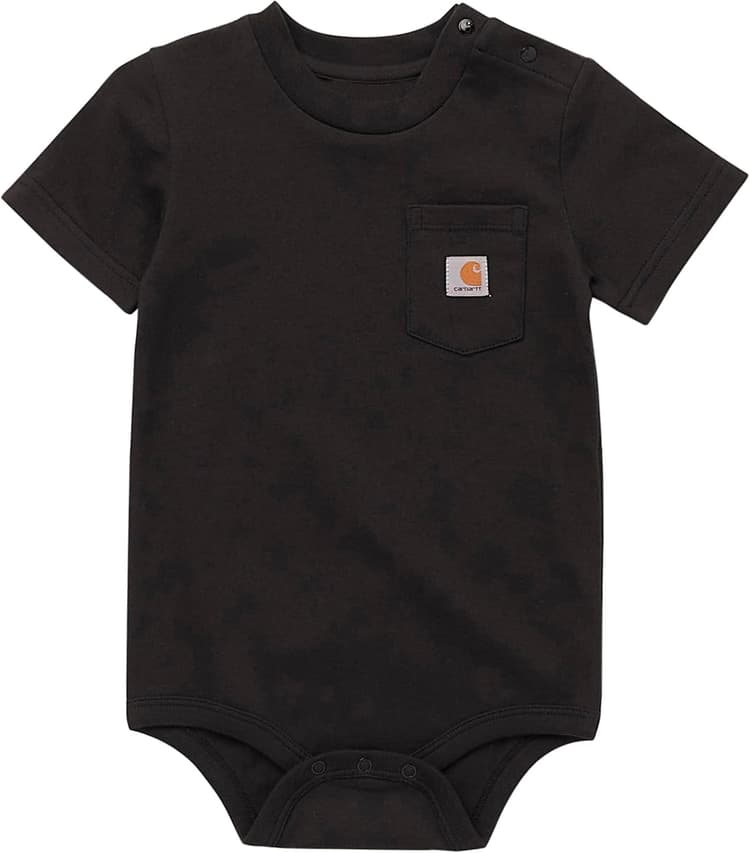
Carhartt
$11.99
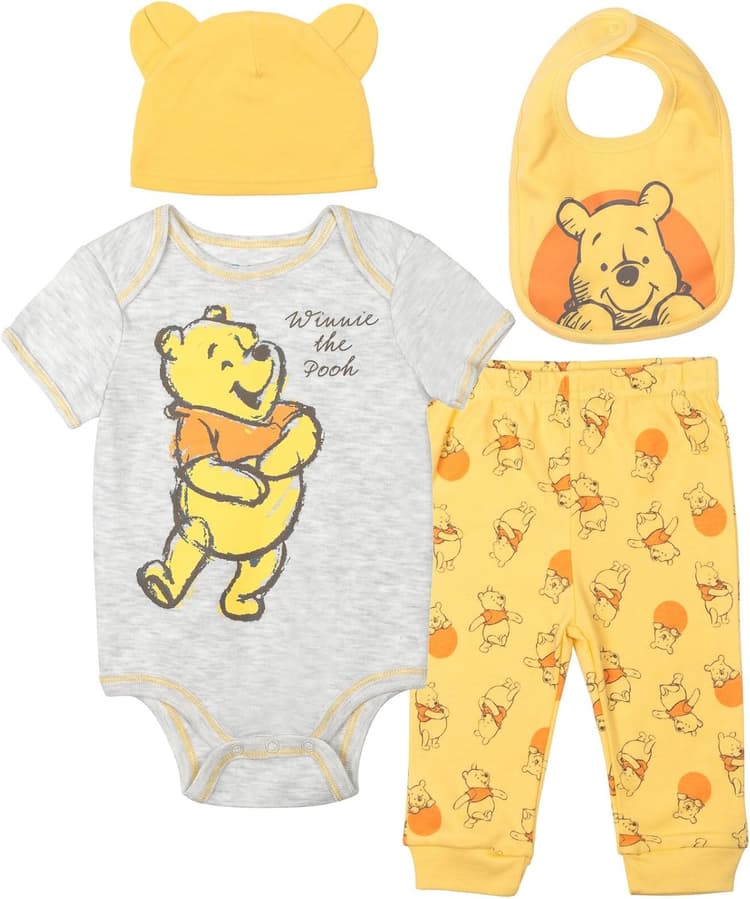
Disney
$24.99
Start by defining the main use case: home, frequent outings, daycare or sleepwear. Each setting shifts priorities. At home, comfort and breathability are key; at daycare, wash durability and ease of dressing matter more; for outings you may need insulating layers or wind protection.
Consider diaper-change frequency and age. Newborns benefit from bodysuits with overlap shoulders or side openings and crotch snaps for quick changes. Babies who are walking need elastic-waist pants and reinforced knees to reduce wear. Note any skin sensitivities: choose fabrics free from harsh finishes and wash new garments before first use.
Factor in purchase frequency and budget: if you plan to buy secondhand often, look for garments that are easy to repair (strong seams, standard buttons and snaps). Also adapt to climate: thin layers and layering for changeable weather, thermal fabrics for colder regions. A concrete example: a breastfed newborn who stays mostly at home typically needs several 100% cotton bodysuits and a few cardigans; a child attending daycare needs 6 to 8 sturdy, machine-washable garments.
Baby clothing prices can vary widely, ranging from affordable basics to premium collections. Several key elements explain these differences: the quality of the fabrics, the level of craftsmanship involved, and the standards of quality control. Materials such as organic cotton or combed yarn tend to be more expensive, but they often hold up better after repeated washing and are less likely to pill over time. Extra details like reinforced seams, soft edging to prevent irritation, and long-lasting fasteners also contribute to higher costs.
Where and how items are produced matters as well. Small-scale local manufacturing can be more costly than mass production, which benefits from economies of scale. In addition, certifications such as OEKO-TEX or GOTS require testing and regular audits, increasing the final price but offering reassurance that the garments are free from harmful substances. That said, a higher price does not always guarantee superior performance—many mainstream brands achieve a solid balance of decent materials and efficient production, providing good value for money.
When choosing what to buy, it helps to focus spending on the pieces that truly need durability, such as sturdy sleepwear and high-quality bodysuits for newborns, or reinforced pants for toddlers who are constantly on the move. For items like hats or socks, more budget-friendly options are often enough since they tend to wear out quickly anyway. Finally, considering the cost per wear can be useful: a well-made onesie that lasts through frequent washes and extended use may seem pricier upfront, but it can end up being more economical than repeatedly replacing cheaper, fragile alternatives.
Sizing is often one of the trickiest parts when shopping for baby clothes. Brand size charts can differ significantly, so the best approach is to rely on two key measurements: your child’s weight and height. Sizes labeled in months are only general guidelines—what really matters is how the garment fits around the shoulders and the crotch area. Clothing that is too loose can make diaper changes harder and may get caught easily, while pieces that are too tight restrict movement and reduce comfort.
It’s usually best to choose designs made with mobility in mind. Look for wider arm openings, flexible stitching, and stretchy fabrics such as jersey or light elastane blends, especially for bodysuits and T-shirts. When it comes to pajamas, pay attention to the wrists and ankles: cuffs that are too tight can leave marks on the skin, while overly loose ones may cause the fabric to ride up during sleep. Closures also make a big difference—snaps at the crotch, zippers with chin guards, or front openings can simplify dressing and reduce unnecessary handling. For very young babies, fold-over mitt cuffs can also be helpful to prevent scratching.
Finally, keep growth in mind. Choosing a slightly larger size can extend how long an item is wearable, but going too oversized isn’t always practical. A simple test is to slide two fingers between the fabric and the baby’s shoulder—you should feel some room to move without excessive looseness. It’s also worth noting the areas that tend to wear out first, such as knees, elbows, and the crotch, depending on your child’s activity level and posture.
Fabric choice plays a major role in comfort, durability, and how easy baby clothes are to care for. Cotton remains the go-to option: it’s breathable, soft, and generally well tolerated by sensitive skin. Combed or organic cotton is often considered a step up, as its longer fibers help prevent pilling and improve resistance over time. Cotton–polyester blends, on the other hand, tend to wrinkle less and hold their shape better, but they may be less breathable and sometimes trap odors. Technical fabrics such as microfiber or thermal knits are usually reserved for specific purposes, like moisture-wicking or added insulation.
To assess durability, it’s worth checking both the thickness of the fabric and the quality of the finishing details. Look for strong topstitching, double seams in high-stress areas, and reinforcements at spots like the knees. If metal fasteners are used, they should be properly covered to avoid snagging or damaging the material. Care instructions are equally important—always review the label for recommended wash temperatures, bleach restrictions, and drying limits. Gentle detergents and low-temperature washes help preserve fibers, while frequent use of fabric softeners can reduce the absorbency of technical textiles.
A practical approach is to save more delicate materials for special occasions—such as merino wool pieces for newborn outfits—while choosing sturdier blends for everyday wear. For example, 100% cotton bodysuits are ideal for babies with sensitive skin, cotton–poly joggers work well for daycare, and having one or two thermal garments on hand is useful for winter outings.
To compare effectively, build a simple mental or paper checklist with key features and their practical impact.
Example: for a sleep suit, prioritize a covered zip and flat seams; for play pants look for reinforced knees and elastic waistband. Always test buttons and snaps by gently pulling to check assembly. This quick comparison helps to rank options according to the needs you identified earlier.
Everyday performance is measured by ease of use, wash durability and perceived comfort. A garment may look ideal in-store but lose its properties after a few washes if the fabric is unsuitable. Common mistakes include buying too many fragile outfits for heavy use, choosing fastenings that do not match changing routines, and ignoring care instructions on labels.
Other pitfalls: prioritizing style over practical features (for example, decorative ruffles and buttons that interfere with diapers), or always buying oversized sizes without considering safety and mobility. Early walkers need tougher, less slippery garments.
Practical expert tips you can use right away:
These tips aim to maximize practical value and reduce unnecessary purchases while keeping the baby's and household's real needs in focus.
Simple Joys by Carter's
$20.00
Gerber
$12.95
Gerber
$16.99
$24.99
-32 %
*Hudson Baby
$11.99
Simple Joys by Carter's
$20.00
Carhartt
$11.99
Gerber
$25.95
$29.99
-13 %
*Gerber
$25.95
$29.99
-13 %
*Disney
$24.99
BLOOBLOOMAX
$8.96
$14.95
-40 %
*Konssy
$13.99
$17.99
-22 %
*Miss Mouth's
$7.97
$9.99
-20 %
*In short, picking baby clothes is about aligning real needs, budget and practical constraints. Start by defining the main use case — home, daycare or outings — and then prioritize the items where quality matters most, such as bodysuits and sleepwear. Understanding price tiers helps you invest wisely: choose fabrics suited to skin sensitivity and care routines, and check finishes that affect durability.
Correct sizing and cut impact comfort and safety: favor designs that simplify diaper changes and allow free movement. Use a simple comparison checklist — fastenings, seams, reinforcements and care instructions — to rank options. Finally, avoid common mistakes by investing in durable basics, washing new items properly and repairing early. These practical steps reduce long-term costs and make everyday life easier for both baby and caregivers.
This guide was written based on practical principles for baby clothing: assessing use cases, technical reference points on fabrics and finishes, and care recommendations. Advice is grounded in objective criteria (textiles, seams, fastening types) and concrete usage examples. We do not invent numeric data or brands; recommendations are generic and adaptable to available products. If affiliated retail links are present on the site, consider this page as general informational guidance. The editorial approach favors practicality: minimize unnecessary purchases and maximize garment utility.
Our selections rely on independent analysis and hands-on testing, without commercial influence.
Clear comparison guides based on technical criteria and expert reviews.
We frequently revise articles to reflect new models and fashion trends.
Some links are affiliate: we may earn a commission and redirect you to trusted partner retailers.