
Skechers
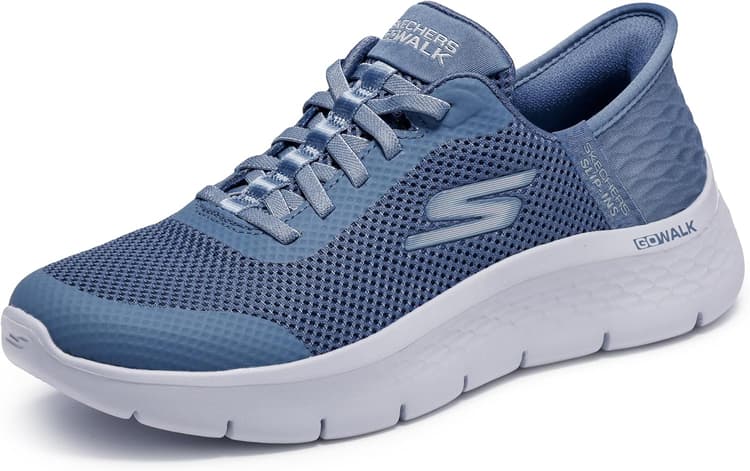
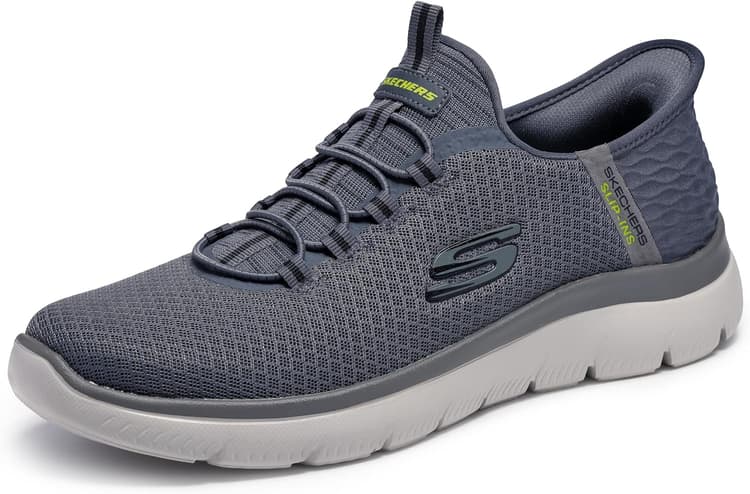
Skechers Women's Go Walk Flex Hands Free Slip-ins-Grand Entry Sneaker
★★★★☆4.5
$63.74
$87.00
-27 %
*
Product analyst covering fabric tech, fit advice, and budget-friendly finds.

We review a week where sneaker drops dominated headlines and retail shifts reminded us that store strategy shapes accessory assortments. From campaign-led launches and high-profile reissues to commerce tech changes that will affect how accessories are sold, we explain what these developments mean for designers, retailers and shoppers.
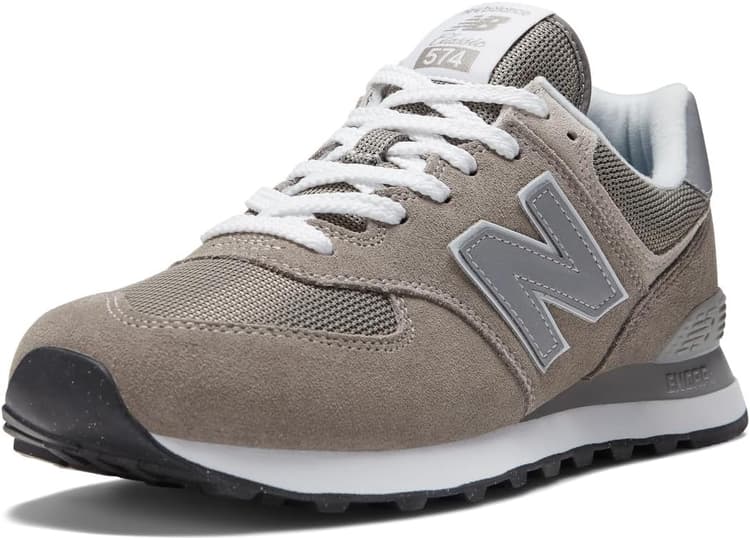
We break down ROSALÍA’s role in New Balance’s refreshed 204L campaign and why it matters to footwear and accessory markets. The model’s new “sporty‑femme” styling — Sea Salt/Linen tones, scalloped details and ribbon laces — shifts the 204L away from pure running territory. User impact: the campaign makes the shoe aspirational for shoppers seeking sport‑meets‑style, while signaling New Balance’s intent to court fashion audiences. Product context: the 204L retains retro running tech but layers lifestyle finishes, a tactic that elevates desirability without drastic price uplift. Market consequence: expect stronger cross‑category buys (sneakers paired with bags and belts) at multibrand retailers and a clearer role for celebrity ambassadorship in driving mainstream relevance. In short, New Balance used visual storytelling to turn a utility runner into a cultural touchpoint — and that’s an important template for accessory-adjacent merchandising.
Skechers
$63.74
$87.00
-27 %
*
$90.00
Skechers
$44.00
$57.00
-23 %
*
HIULYCENCE
$33.99
This week reinforced a market truth: high‑profile retro reissues still drive demand and retail cycles. The Air Jordan 13 “Chicago” release (the weekend’s headline drop) highlights several dynamics: 1) retro storytelling converts to immediate sales; 2) family sizing expands buyer demographics; 3) app and raffle pressure requires curated distribution. For shoppers, the lesson is to monitor SNKRS and partner retailers; for sellers, the release is a chance to monetize ancillary products (performance socks, carrier bags, limited merch) alongside the core drop. Operational note: spikes in demand create logistical bottlenecks — raffles, restocks and transparent comms across channels become mission‑critical. Overall, the AJ13 return proves nostalgia remains one of the sector’s most reliable commercial levers.
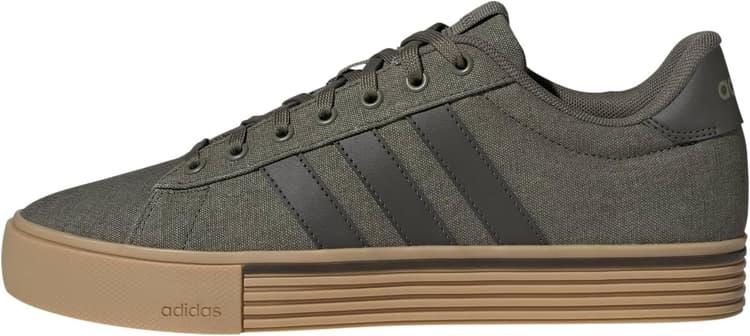
adidas
$16.29
$65.00
-75 %
*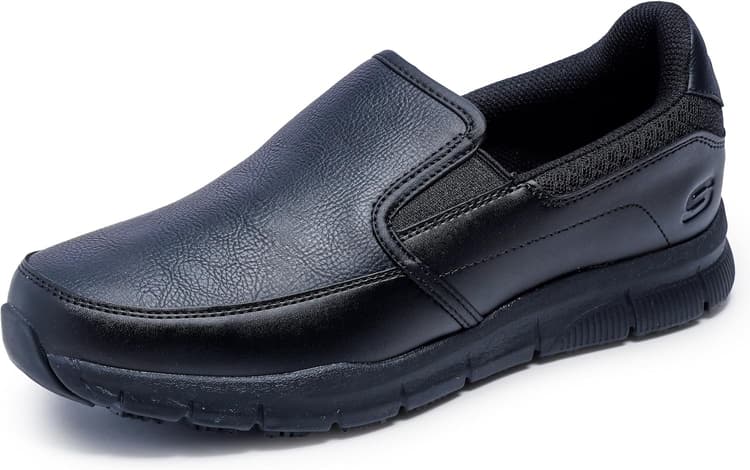
Skechers
$32.97
$65.00
-49 %
*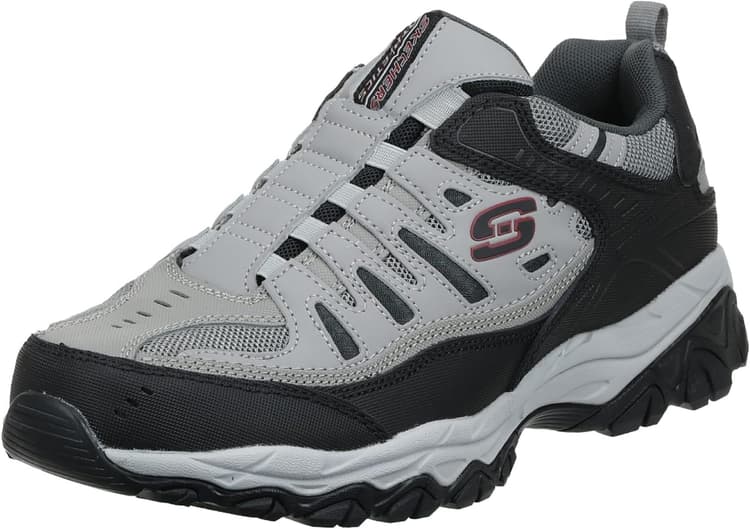
Skechers
$49.18
$87.00
-43 %
*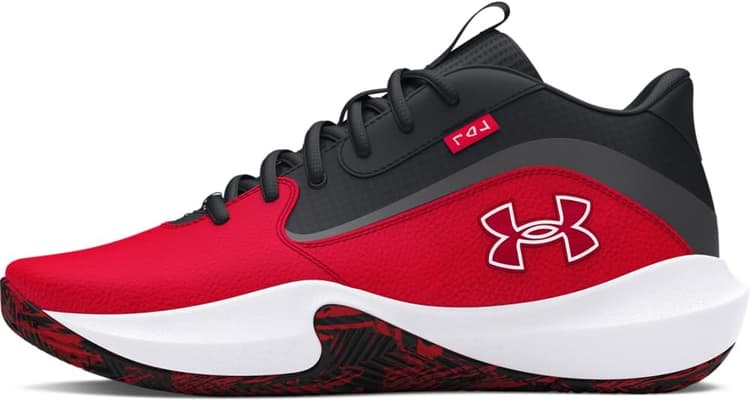
Under Armour
$41.97
$70.00
-40 %
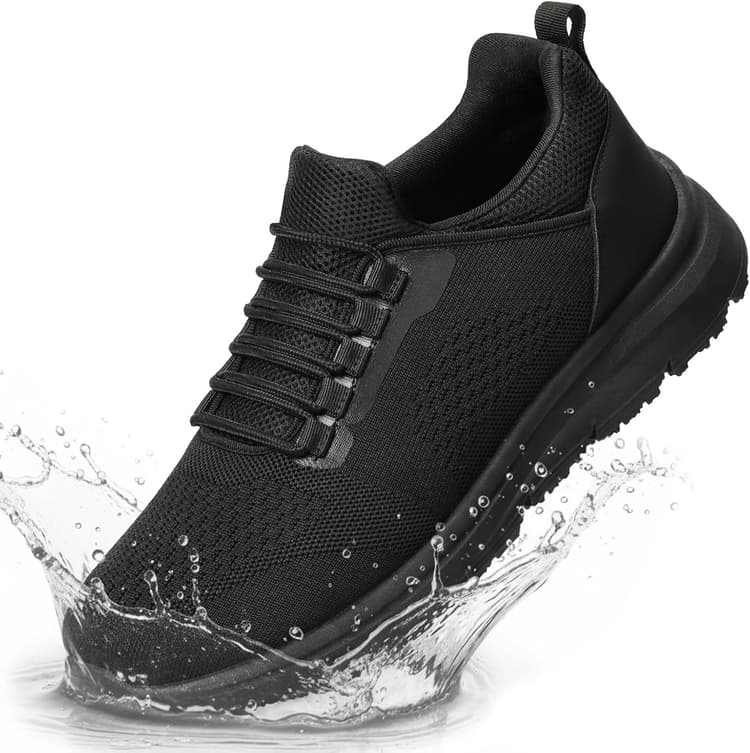
*
ZCVQX
$23.99
$39.99
-40 %
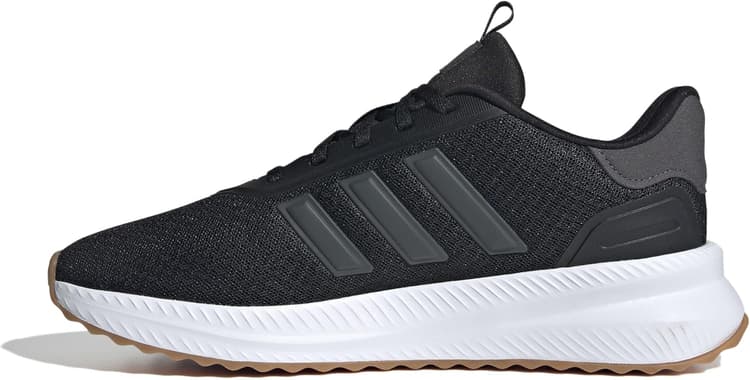
*
$43.00
$65.00
-34 %
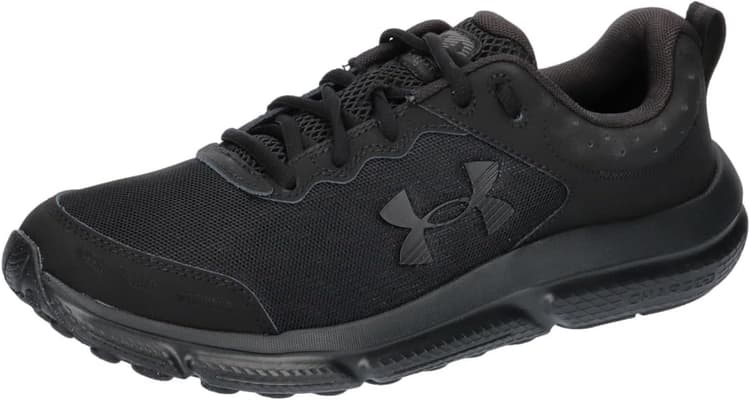
*
Under Armour
$49.99
$75.00
-33 %
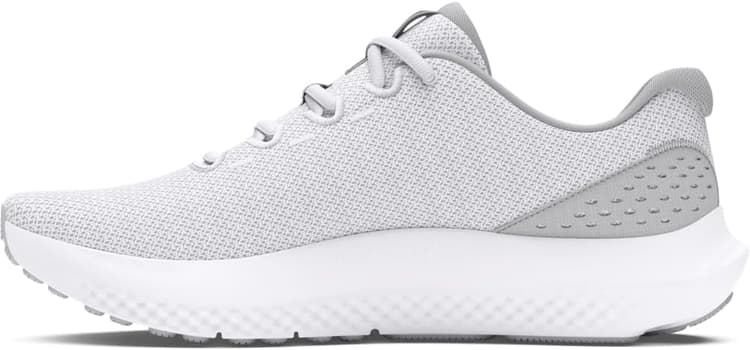
*
Under Armour
$45.30
$65.00
-30 %
*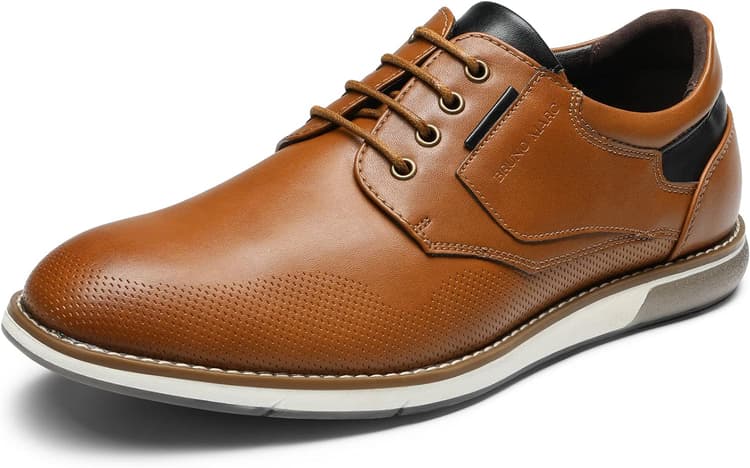
Bruno Marc
$40.99
$56.99
-28 %
*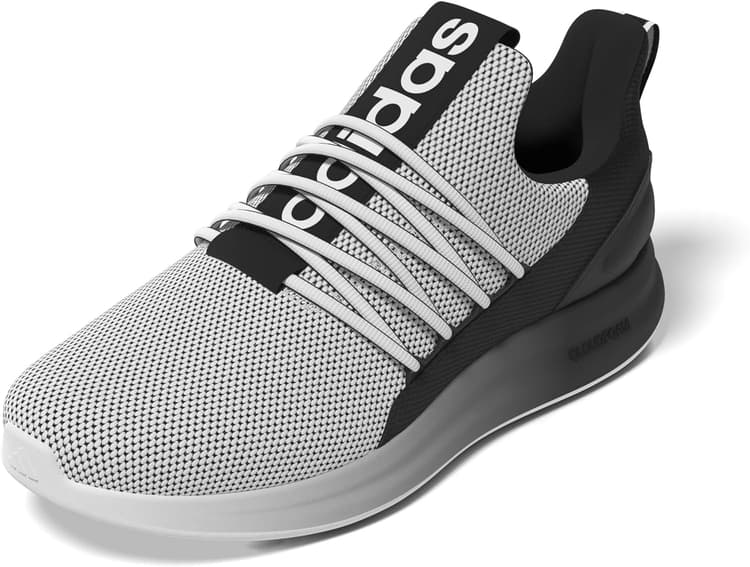
adidas
$51.97
$70.00
-26 %
*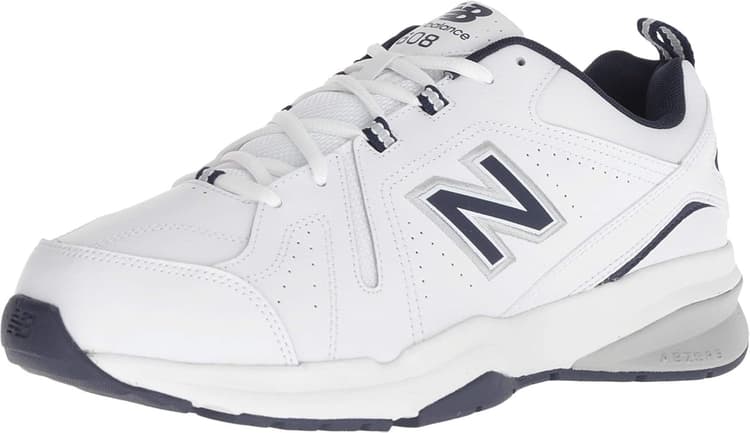
New Balance
$59.99
$79.99
-25 %
*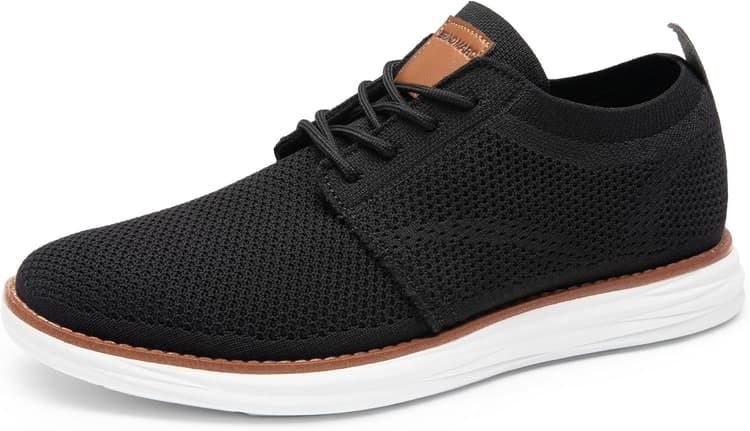
Bruno Marc
$39.99
$52.99
-25 %
*The March 9–15 release calendar shows an unusually dense cluster of drops — reworked Air Max 95s, OG runner returns and capsule releases. This concentration raises attention competition and forces merchandising teams to prioritize. Operational effects: stores must balance email campaigns with in‑store allocations to maximize sell‑through; marketplaces face traffic spikes that require server and UX readiness (fast checkout, verification flows). Observed trends: 1) more family sizing; 2) design‑heavy collabs that perform strongly in social imagery; 3) limited packaging used to combat commoditization. For buyers, prepare accounts and target key releases. For the industry, the lesson is clear — product cadence must align with execution capacity to avoid lost sales or brand friction.
Bruno Marc
$40.99
$56.99
-28 %
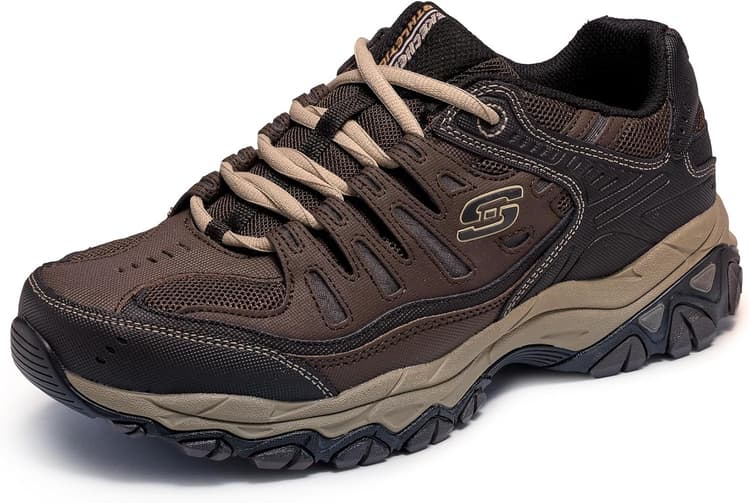
*
Skechers
$55.99
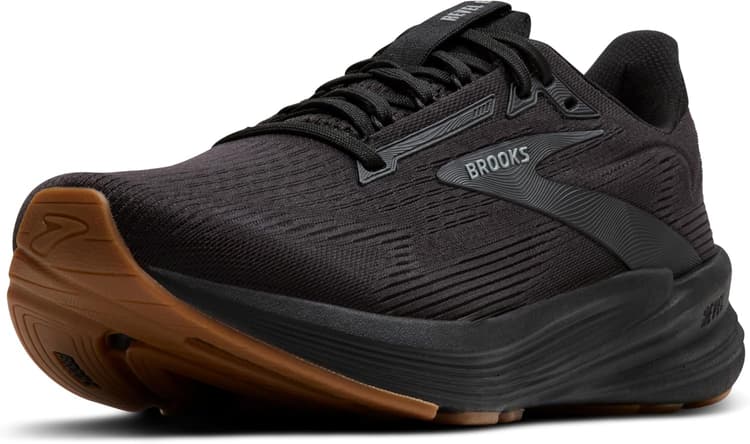
Brooks
$99.95
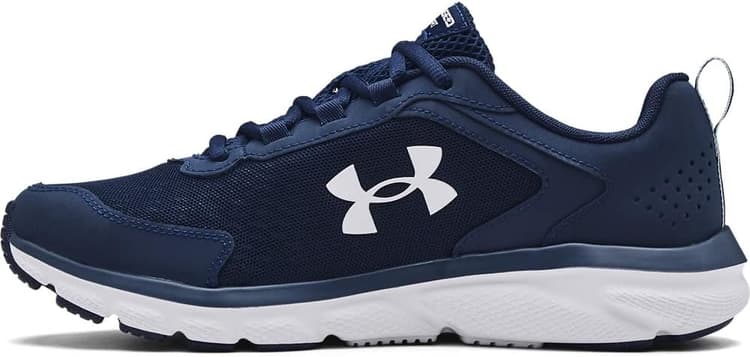
Under Armour
$59.99
$74.95
-20 %
*Archive‑driven reissues accelerated this week — date announcements and editorial releases amplified interest in historically rare pieces. The Virgil Abloh Archive’s announced schedule for the Air Jordan 1 “Alaska” highlights two effects: 1) archives as product (heritage is itself a SKU); 2) editorial monetization (printed booklets, giveaways and content) packaged with a drop. For consumers: higher willingness to pay a premium for provenance; for resale markets: increased secondary pressure, prompting brands to better control availability and packaging. For accessory brands: curated editions (special boxes, booklets, artist ties) raise perceived scarcity without extreme production limits — a transferable approach for bags, belts and small leather goods.
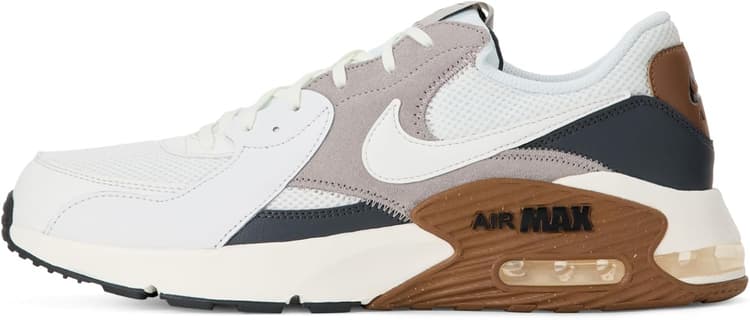
$100.00
Brooks
$99.95
New Balance
$74.95
$99.99
-25 %
*
adidas
$60.00
New Balance
$59.99
$79.99
-25 %
*Under Armour
$59.99
$74.95
-20 %
*
New Balance
$59.00
$69.99
-16 %
*
Skechers
$56.30
$63.14
-11 %
*Skechers
$55.99
adidas
$51.97
$70.00
-26 %
*Under Armour
$49.99
$75.00
-33 %
*Skechers
$49.18
$87.00
-43 %
*This week’s retail results and distribution moves carry direct implications for accessories. Strong performances and assortment adjustments reveal that: 1) retail consolidation reallocates buying power (big players capture more exclusives); 2) omnichannel strategies are essential — in‑store stock becomes an experience lever for high‑margin items like bags and belts; 3) retail data (product velocity, category conversion rates) now drives accessory selection. For brands, partnering with retailers on regional tests and capsule formats reduces risk while keeping visibility. Bottom line: financial and merchandising decisions increasingly shape accessory trend creation and availability.
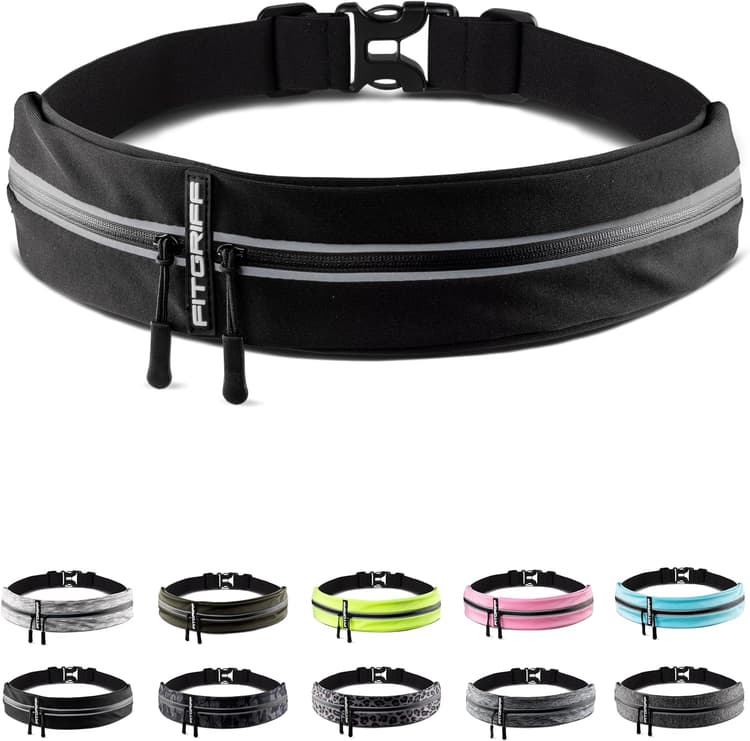
Fitgriff
$15.95
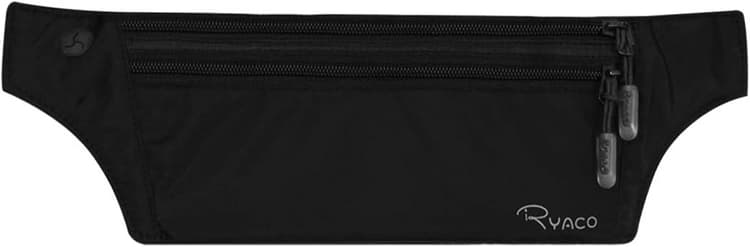
Ryaco
$16.49
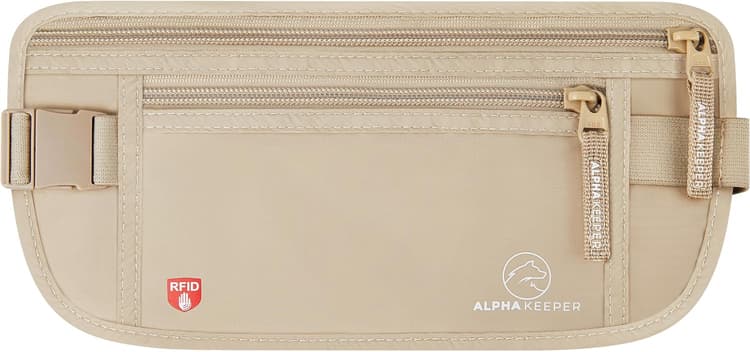
Alpha Keeper
$22.46
$24.95
-10 %
*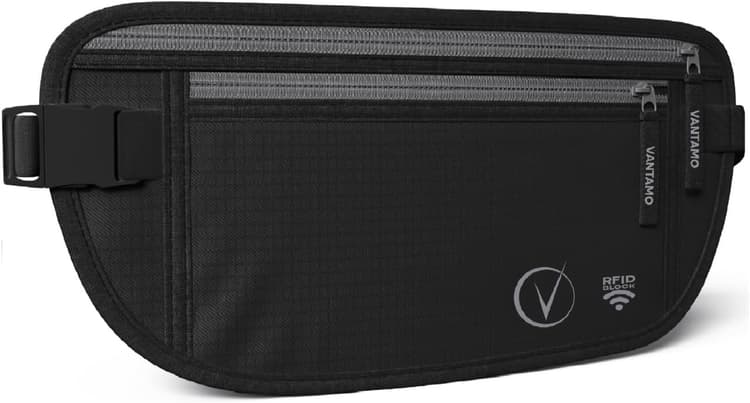
Vantamo
$16.99
$29.99
-43 %
*This week’s developments around integrated payments and AI‑driven commerce shift the landscape for accessory e‑commerce. A move away from aggressive in‑chat checkouts changes the calculus for smaller accessory brands: 1) reliance on a single chatbot checkout is less attractive; 2) seamless integration (inventory, personalization, logistics) gains priority; 3) owned content and UX become decisive to convert social interest into purchases. We advise brands to fortify product pages (360° imagery, material specs, sizing guides) and ensure smooth native checkout flows to cut abandonment on higher‑value pieces. AI personalization remains valuable — but only when it supports a simple, transparent buying experience for premium accessories.
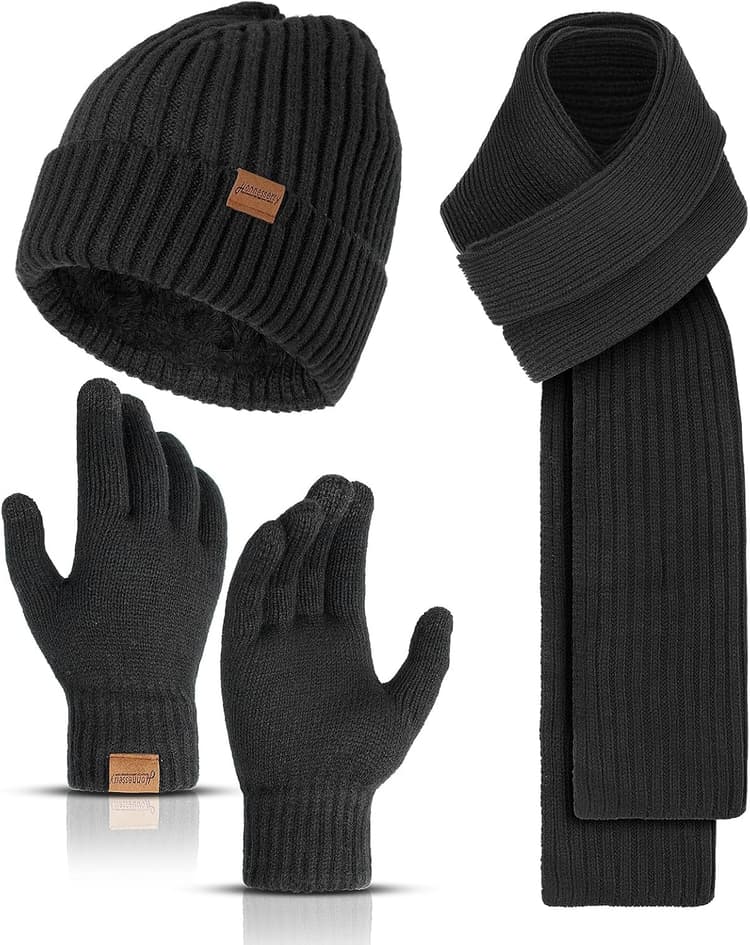
Honnesserry
$29.99
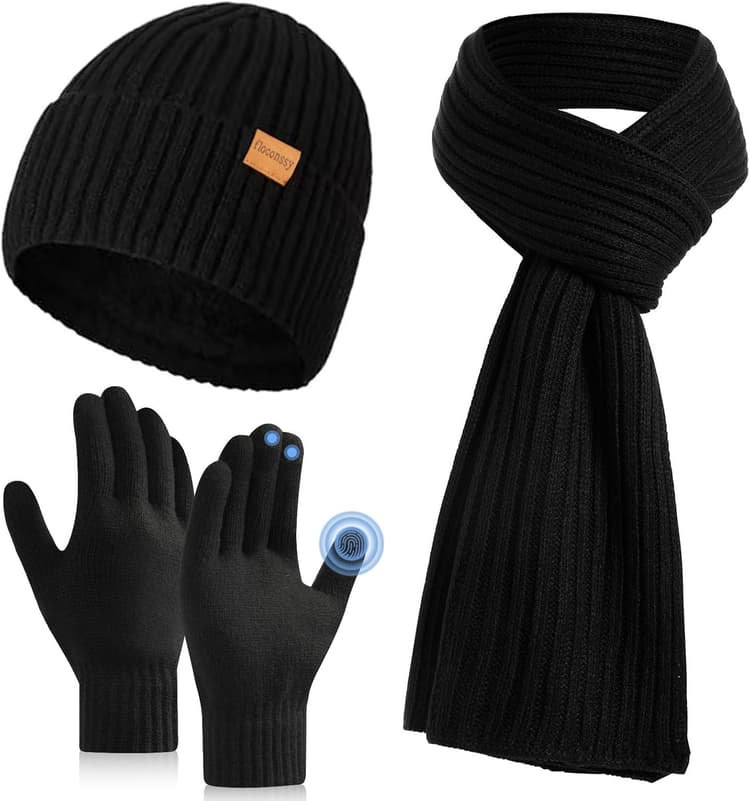
floconssy
$22.99
$26.99
-15 %
*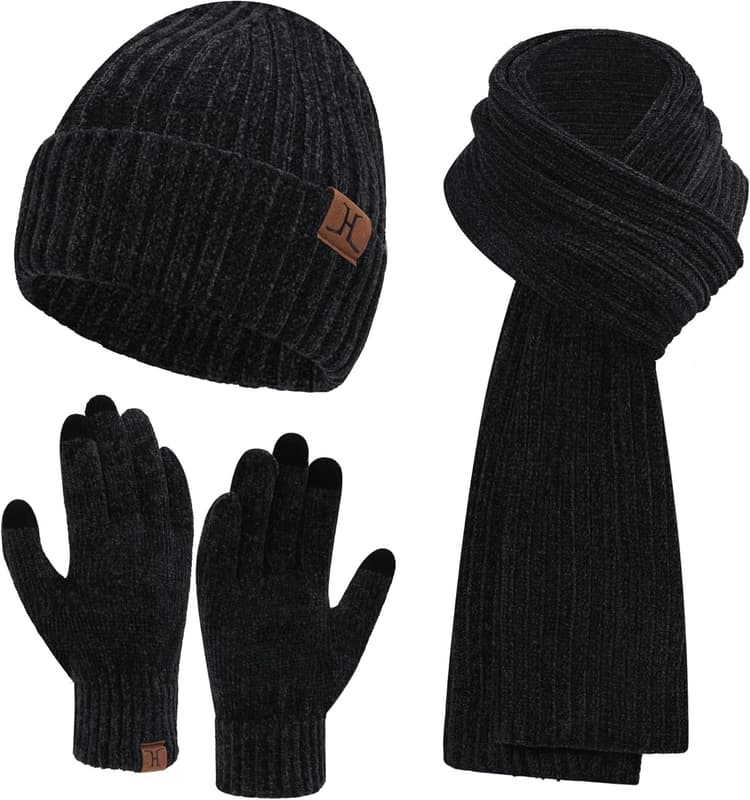
AQOTHES
$18.99
$19.99
-5 %
*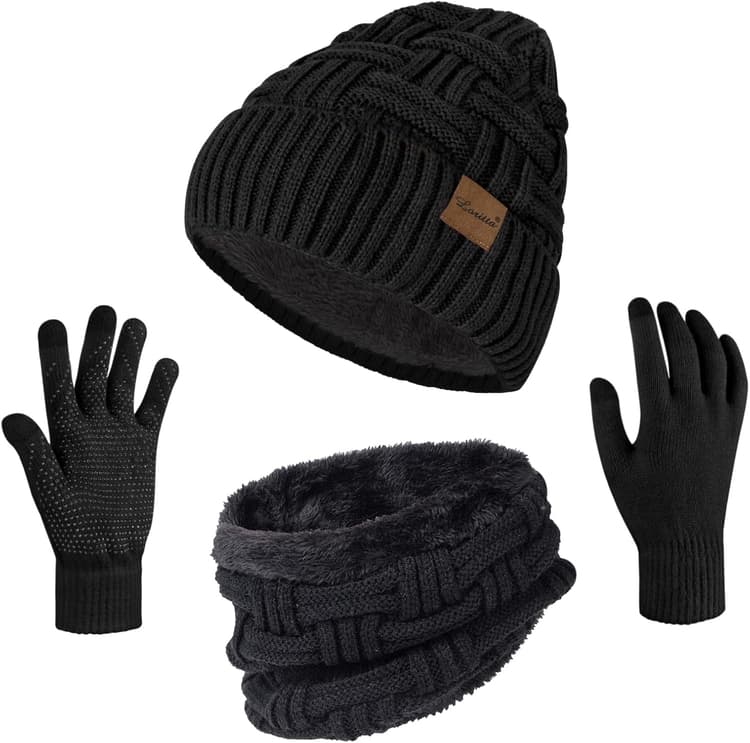
Loritta
$9.99
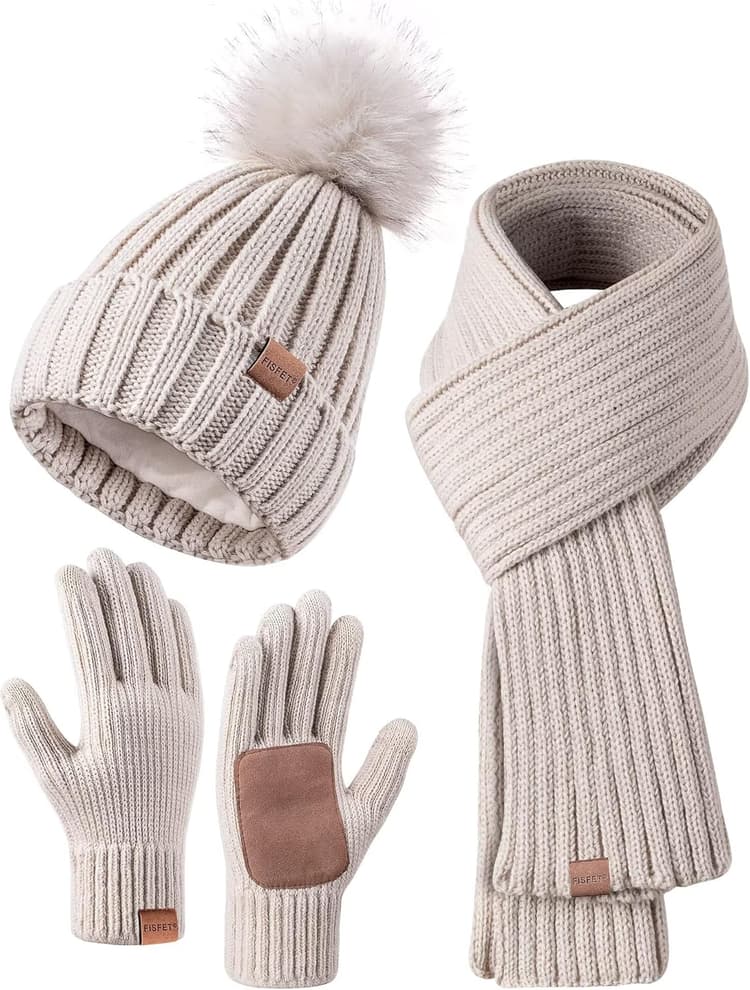
FISFET
$23.99
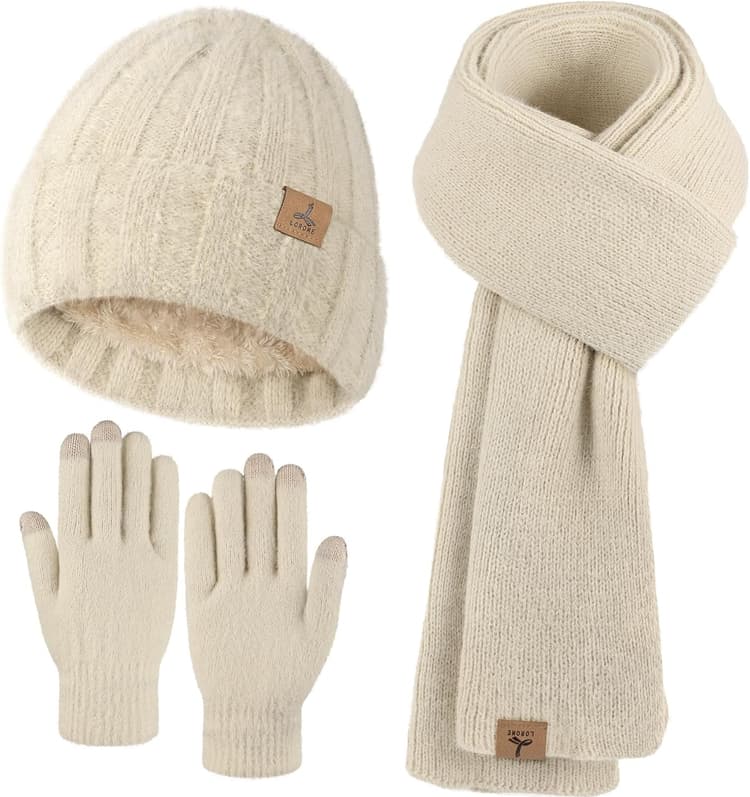
LOROME
$25.99
$29.99
-13 %
*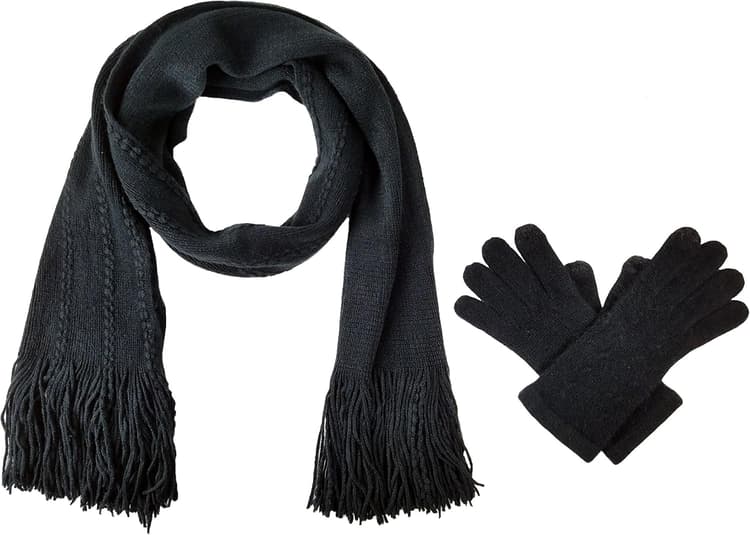
BRUCERIVER
$19.99
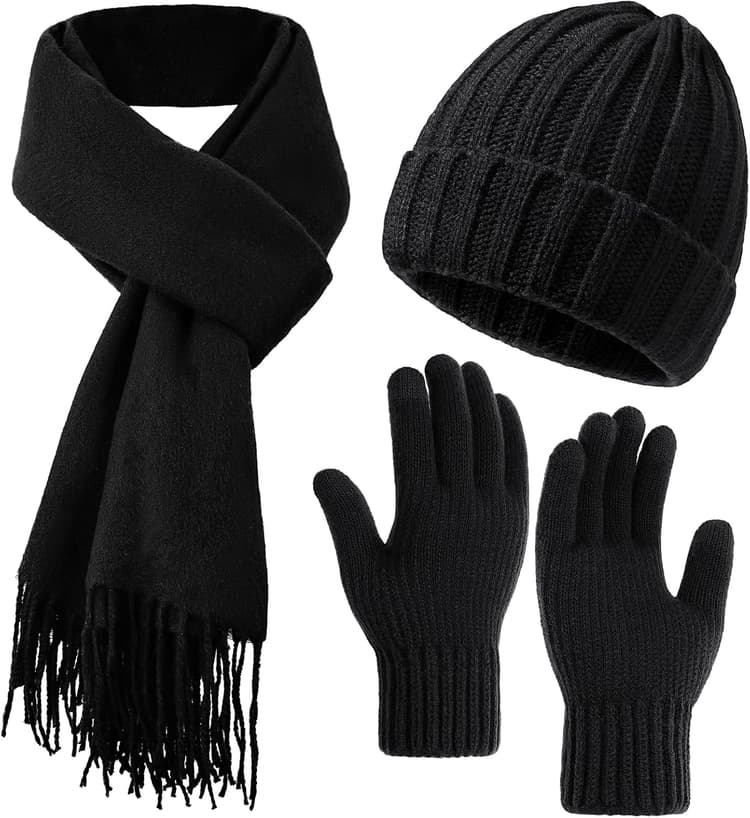
Trifabricy
$8.99
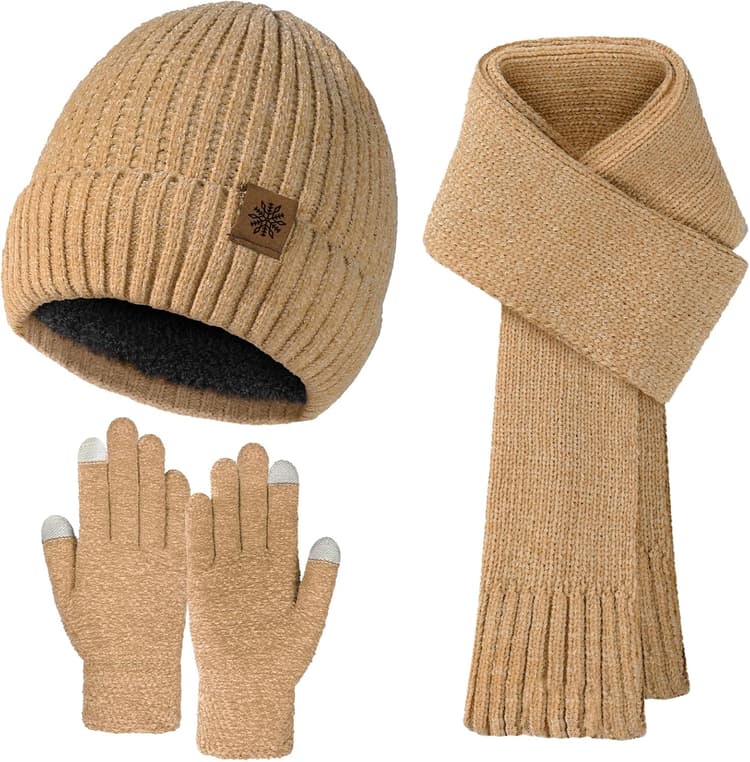
Pleneal
$7.99
$8.99
-11 %
*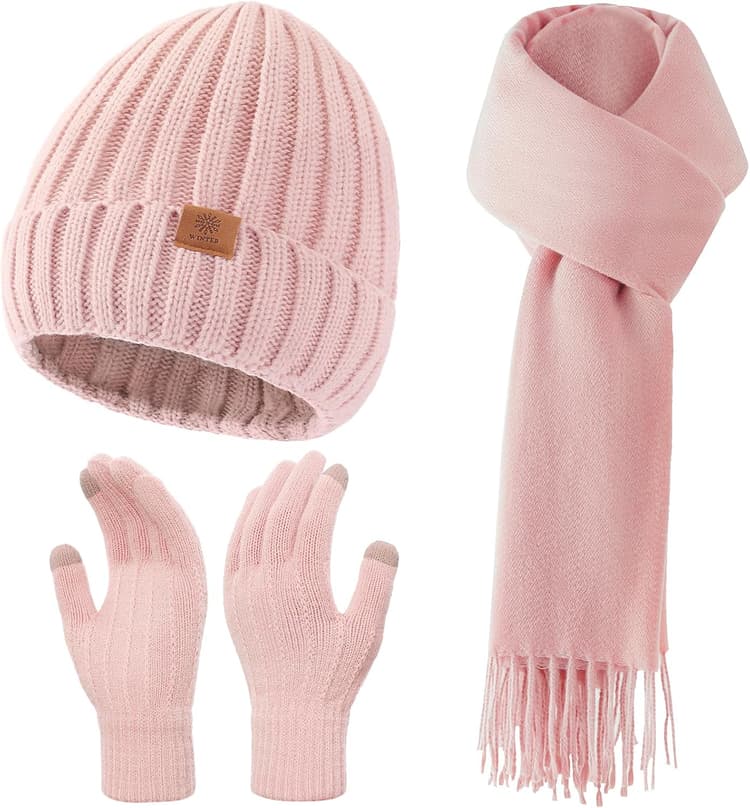
Premillow
$13.49
$19.99
-33 %
*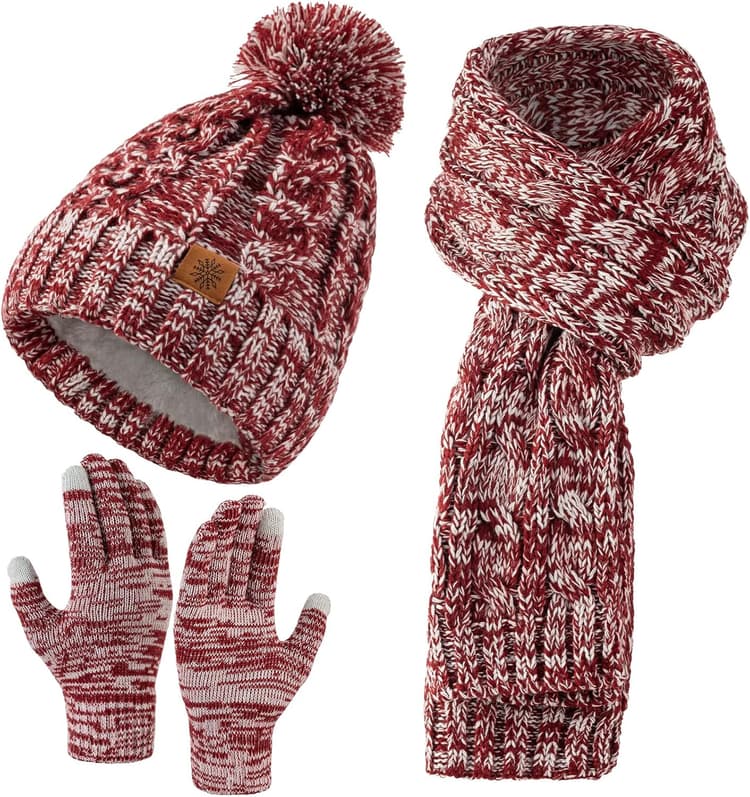
Tavaleu
$5.99
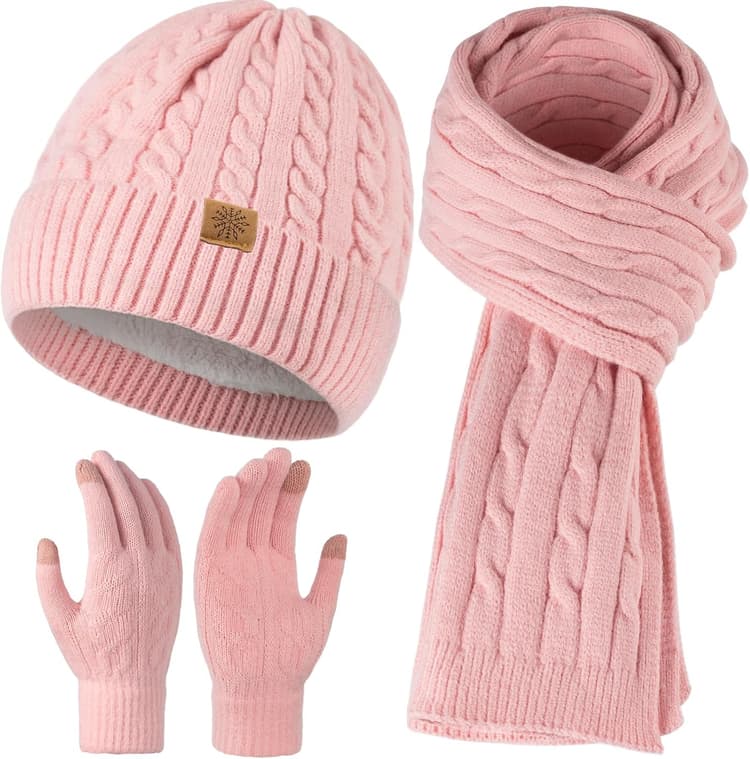
Tavaleu
$7.99
$13.99
-43 %
* By Marcus Bellamy
 By Marcus Bellamy
 By Hannah Reyes
 By Hannah Reyes
 By Marcus Bellamy
 By Marcus Bellamy
We used industry press articles and release calendars published between March 9 and March 15, 2026 to verify dates and announcements.
We relied on press releases and articles published during March 9–15, 2026. Release dates can change — always check official brand announcements before purchasing.
Our selections rely on independent analysis and hands-on testing, without commercial influence.
Clear comparison guides based on technical criteria and expert reviews.
We frequently revise articles to reflect new models and fashion trends.
Some links are affiliate: we may earn a commission and redirect you to trusted partner retailers.