
French Toast
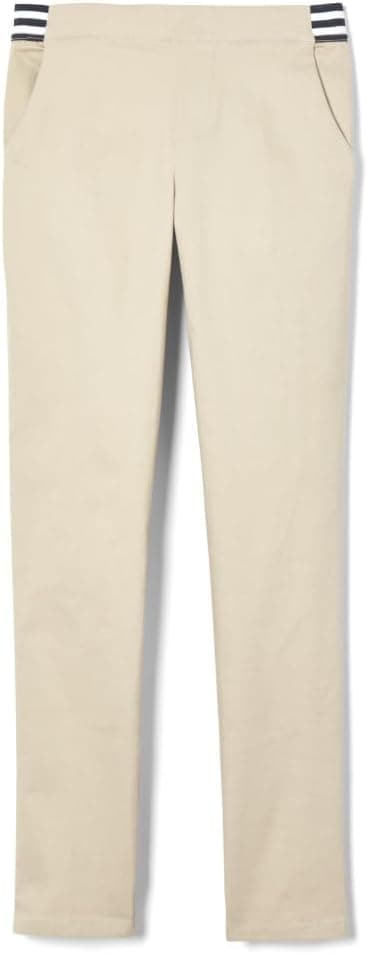
French Toast Girls Pull On Skinny Fit Stretch Pants with Elastic Waist and Pockets, School Uniform for Kids
★★★★☆4.3
$7.84
$21.98
-64 %
*
Senior editorial writer specializing in clothing reviews, style guides, and deals.

This pedagogical guide is designed to give practical criteria for selecting school uniforms that match pupils' needs and household constraints. It is not a product list or brand comparison, but a step-by-step framework to help you decide: identify daily usage patterns, understand pricing levels, select correct sizing, and anticipate garment longevity. Each section offers questions to ask, concrete examples and trade-offs to consider. For instance, a polyester-cotton blend dries faster but may feel less breathable than pure cotton; a well-cut blazer usually costs more but can remain wearable across several school years.
The approach is instructional: you will find step-by-step advice, checklists and straightforward explanations of fabrics and finishes. Recommendations are aimed at families, school groups and small purchasers. We also outline common beginner mistakes and share practical tips to extend clothing life. The guide highlights typical compromises between cost, comfort and durability so you can prioritize based on your circumstances and the pupil's school level.
French Toast
$7.84
$21.98
-64 %
*
The Children's Place
$32.39
$59.95
-46 %
*
French Toast
$8.87
$14.98
-41 %
*
The Children's Place
$38.97
$64.95
-40 %
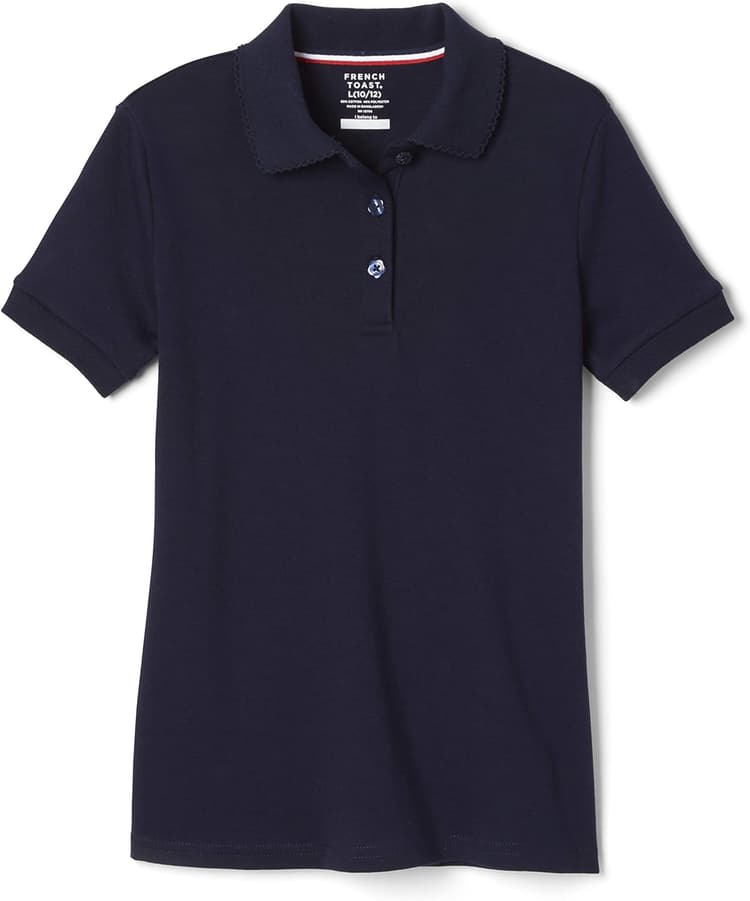
*
French Toast
$8.92
$14.98
-40 %
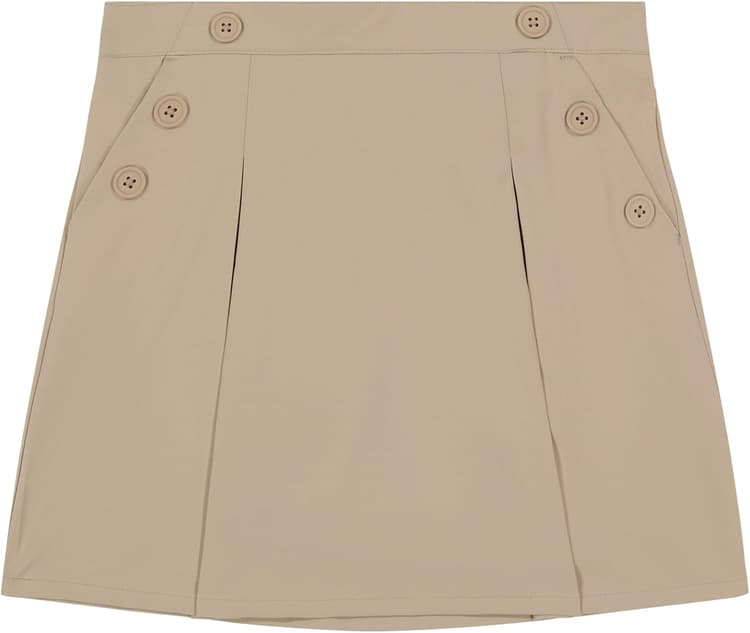
*
Nautica
$12.99
$19.57
-34 %
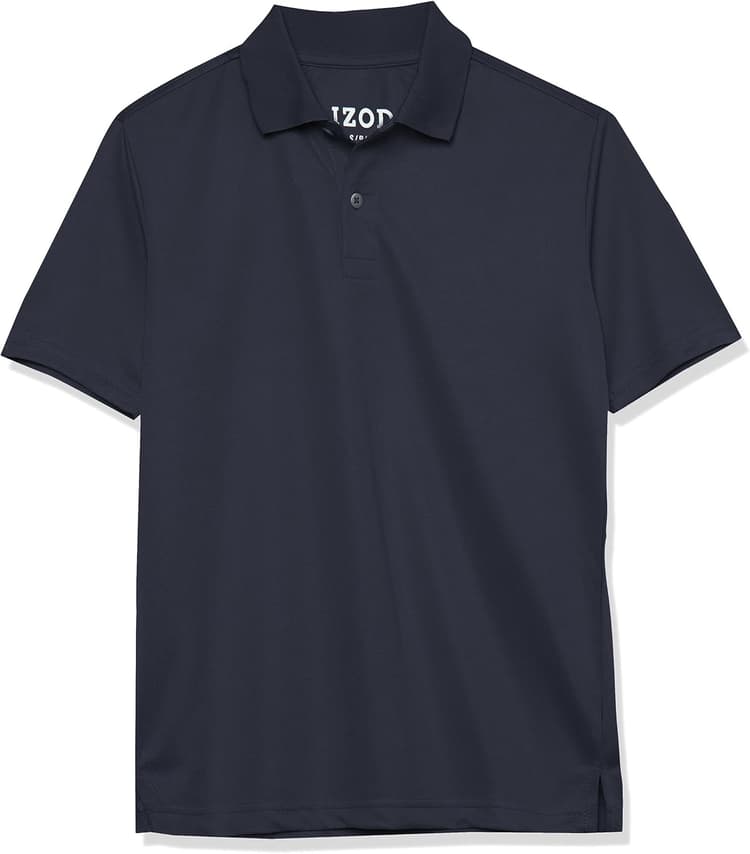
*
IZOD
$11.35
$14.93
-24 %
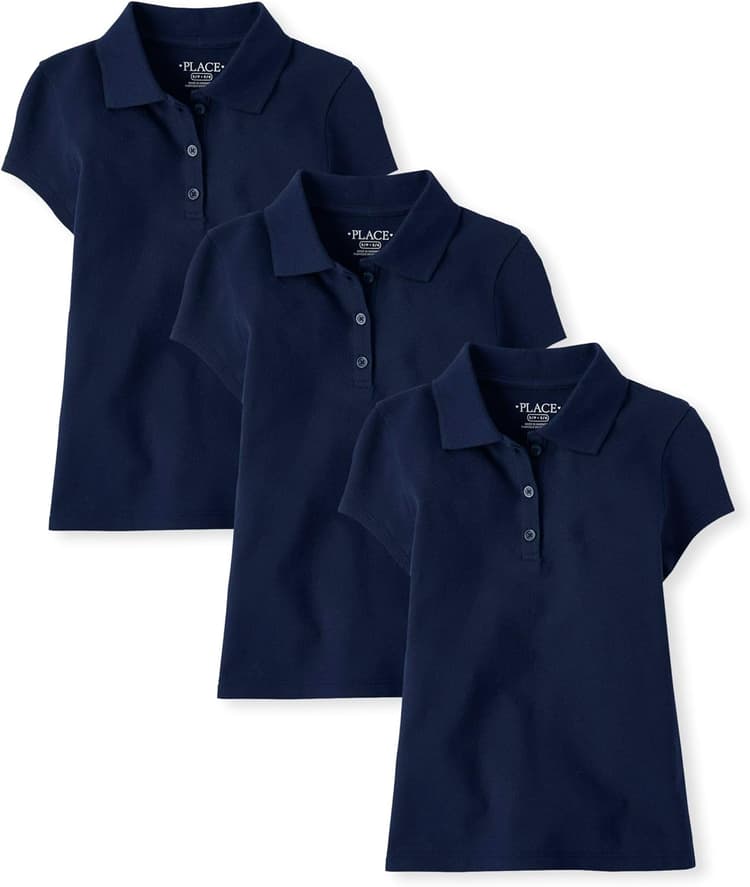
*
The Children's Place
$27.27
$31.57
-14 %
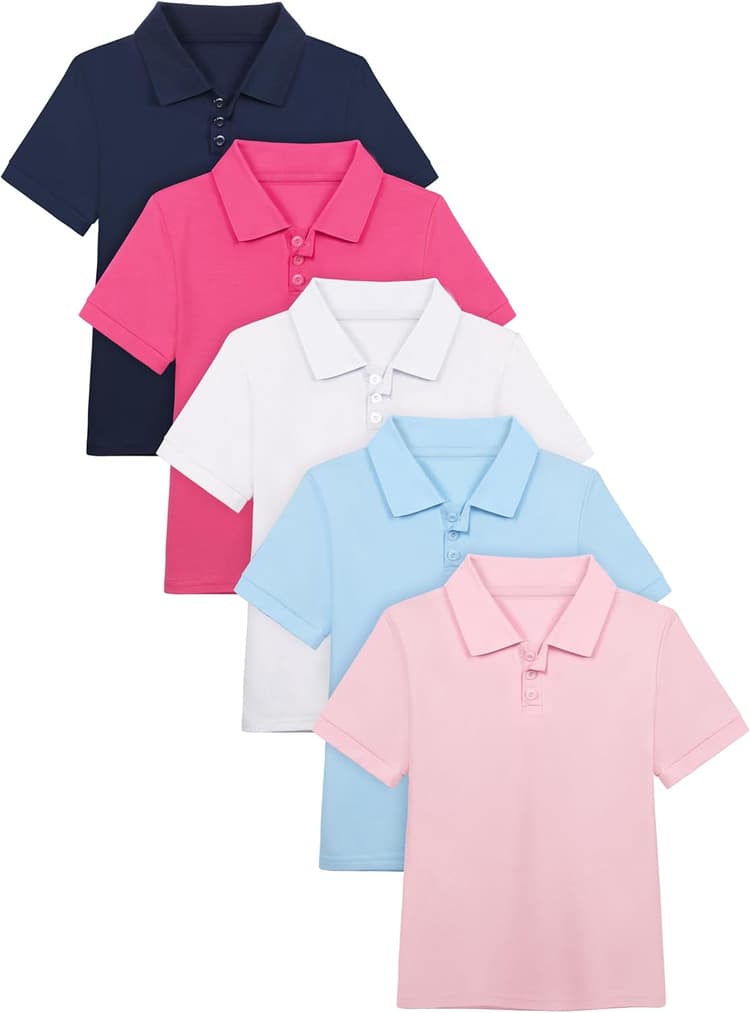
*
Poroka
$34.99
$38.99
-10 %
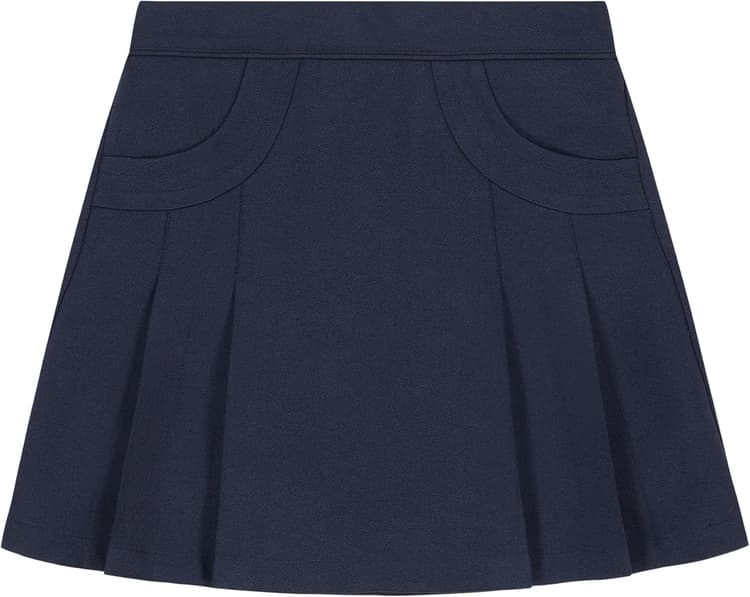
*
Nautica
$11.98
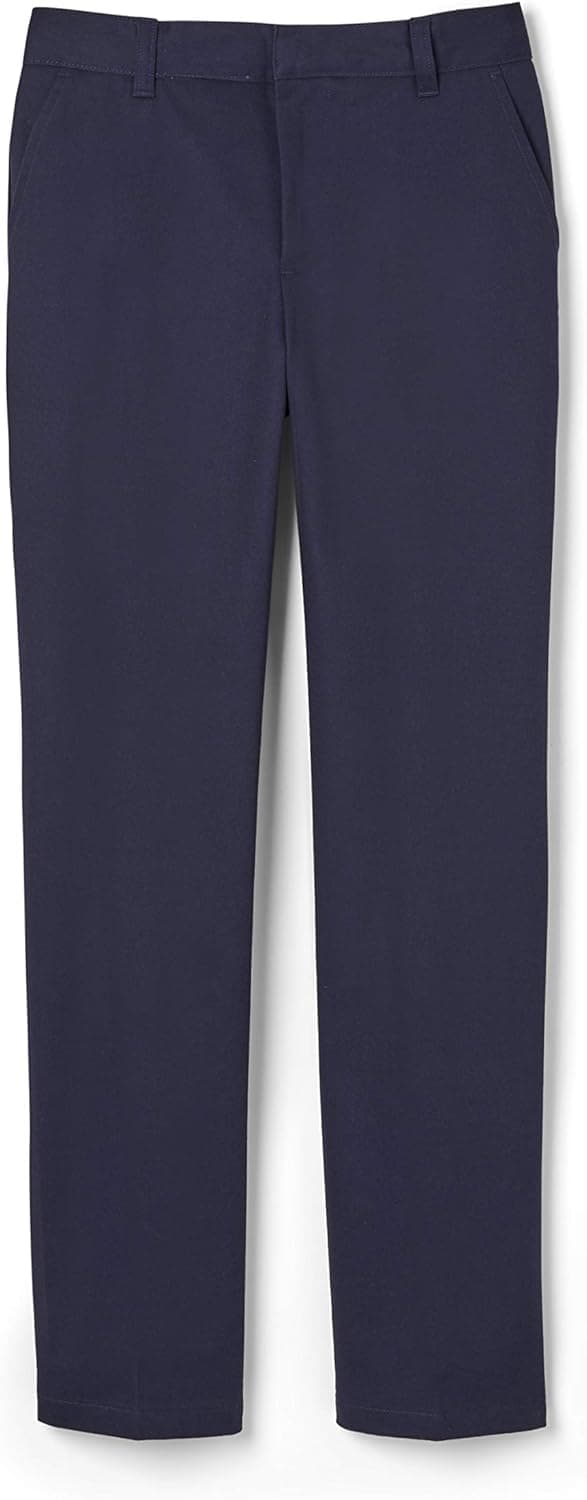
French Toast
$14.00
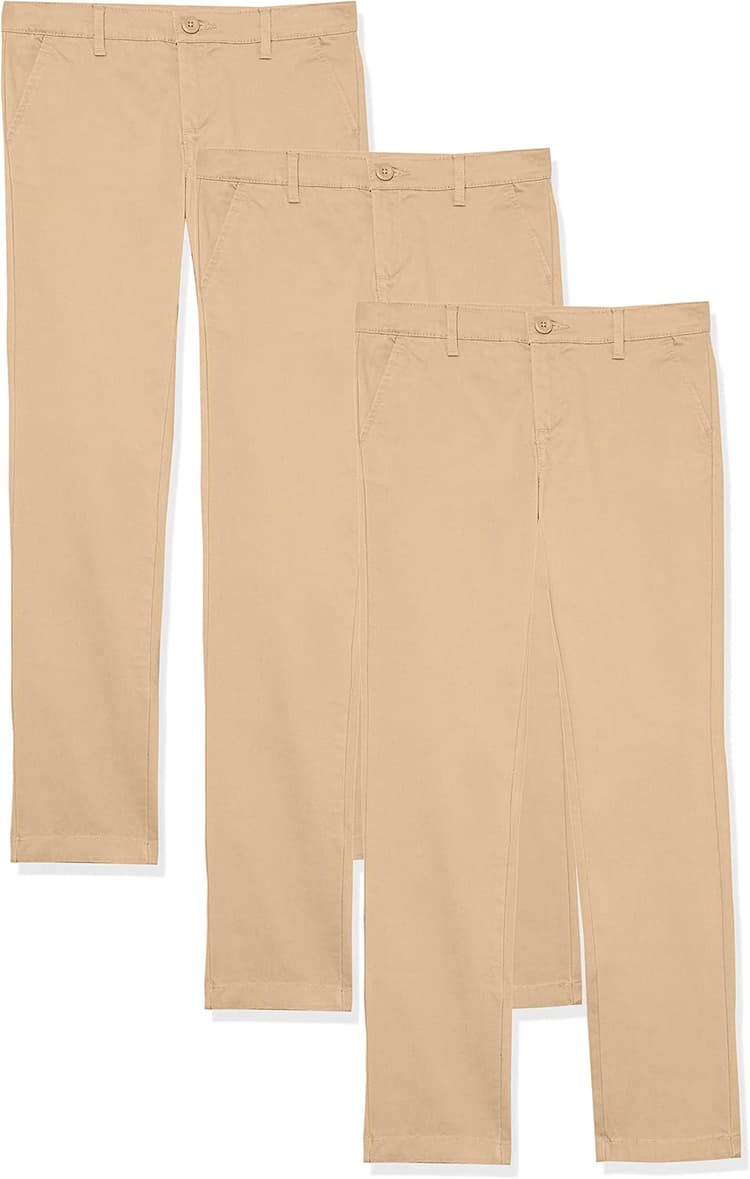
Amazon Essentials
$16.15
Start by mapping expected usage of the uniforms. Key questions: how often will the child wear the uniform? Is it daily, a few days a week, or only for certain activities? What is the local climate and seasonal variation? Are there specific school activities (PE, labs, arts) that require different garments?
Concrete examples: if the uniform is worn five days a week, planning for at least three identical polo shirts for rotation and laundry is sensible. For children who have daily physical activity, prioritize breathable fabrics and garments designed for movement. If a blazer is required only for ceremonies, invest more in that single piece and choose simpler items for daily wear.
Practical checklist:
Limits and nuance: answers to these questions set a target budget and guide material and quantity choices. Needs change quickly as children grow, so adopt a rotation strategy and consider buying a size for the next season. Always verify official school requirements before purchasing.
Uniform pricing is determined by several factors: fabric quality, pattern complexity, finishing details, presence of embroidered or printed logos, and production volumes. Here is a practical breakdown of price levels and what they imply.
Budget tier: simple items, often polyester blends or low-cost cotton blends, basic construction and minimal finishing. Advantages: low price, easy care, adequate for heavy use. Limitations: less breathable, more prone to piling or shape loss.
Mid tier: better-feel fabrics (combed cotton, technical blends), reinforced seams, higher-quality buttons or zippers, sometimes stain-resistant treatments. Advantages: improved comfort and longer lifespan. Limitations: higher cost, treatments may reduce breathability.
Premium tier: high-quality fabrics, careful construction (linings, topstitching, spare buttons), ergonomic cuts and durability assurances. Advantages: long-lasting garments and better fit. Limitations: higher price, which may be less sensible for rapidly growing children.
Additional factors to consider:
Pedagogical tip: calculate cost per month of use instead of unit price. A garment costing twice as much but lasting three times longer can be the better value. However, durability also depends on care and usage. Price alone does not ensure comfort; always check composition or request a sample where possible.
Size is the single most critical factor for a well-fitting school uniform. Too small restricts movement and comfort; too large affects appearance and can create hazards (especially during sports). Follow this stepwise approach to choose the right size:
Basic measurements: measure height, chest, waist, and inseam using a soft tape measure. Record centimeters and compare to the manufacturer's size chart rather than relying on nominal sizes.
Growth allowance: for growing children, plan for one size up for outer layers (sweaters, blazers) but avoid oversized trousers or skirts that will slip. Aim for roughly a 5% allowance for tops and 7-10% for bottoms depending on age.
Mobility and cut: check shoulder and armhole ease for tops, and freedom of movement in the crotch for trousers. Reinforced seams and ergonomic cuts improve day-to-day comfort.
Try-on and adjustment: when possible, try garments with the child's usual shoes and layers. Note some fabrics relax after the first wash; natural fibers can shrink if laundered incorrectly.
Practical tips: choose trousers with adjustable waistbands or elastic for younger children. Favor flat collars and tagless labels to reduce irritation. Keep a measurement record in the household to simplify remote purchases or repeat orders.
Knowing materials and garment construction helps predict how long a uniform will last. Key checks and how to interpret them are below.
Common fibers and properties:
Construction and finishing:
Quality indicators:
Care and durability: longevity depends as much on maintenance as on initial quality. Wash at recommended temperatures, lay delicate items flat to dry, and perform simple repairs (sewing, replacing buttons) to extend useful life. Match expected wear frequency to the chosen fabric for a realistic assessment.
Comparing uniforms goes beyond price and looks. Here are essential functions to evaluate with straightforward explanations of their benefits.
Breathability: affects comfort during exertion and in warm weather. Cotton and open-knit fabrics typically allow better heat dissipation.
Stain resistance: helpful for younger children. Treated fabrics repel liquids and stains but may require specific washing instructions.
Elasticity: stretch fibers or ergonomic cuts improve freedom of movement and reduce seam strain.
Ease of care: fabrics that withstand higher washing temperatures and dry quickly are practical for busy households.
Colorfastness: some dyes fade faster. Check dyeing methods and wash fastness details on labels.
Personalization options: patches and embroidery strengthen school identity but increase cost and can complicate recycling or resale.
Safety and comfort: reflective trims for commuting, non-toxic fasteners, and printed labels instead of sewn-in tags to avoid irritation.
Practical comparison: create a simple matrix scoring items 1 to 5 on these functions according to your priorities. For primary schools, prioritize stain resistance and easy care higher than aesthetics. For secondary schools with strict dress codes, fit and compliance may matter more.
Limits: trade-offs are inevitable. Extremely durable pieces might sacrifice softness; highly breathable garments may wrinkle more. The goal is to determine which functions are non-negotiable for your use case.
Assessing a uniform's everyday performance means observing how it behaves under real-world conditions. Use this simple testing protocol before buying in volume.
Visual and tactile check: inspect fabric weight, seam quality and the finishing of buttons or fasteners. Feel the fabric to judge softness and sturdiness.
Bend and stretch test: fold seam areas and gently stretch fabric to simulate movement. Excessive wrinkling or pulled fibers indicate limited durability.
Simulated care test: read care labels and run a recommended wash cycle if possible. Some pieces retain shape better after washing; others require delicate care that won't suit heavy use.
Fit-in-motion observation: have the child wear the item and perform typical actions (bend, run, sit). Note rub points and movement restrictions.
Practical feedback loop: keep a log noting duration of use, number of washes and changes in appearance or function. Over weeks this helps correlate perceived quality with actual wear.
Measurable criteria to track:
Limits and reality: simulating several years of wear quickly is challenging. Still, these practical tests offer useful signals for choosing garments that withstand school life. For bulk orders, request samples or clear return policies to manage risk.
Common beginner mistakes:
Accessible insider tips:
Practical examples: a family that bought many low-cost polos experienced heavy pilling after three months. Switching to a slightly denser fabric reduced annual cost due to longer lifespan. Another case: adding a small crotch reinforcement to trousers nearly doubled useful life at low cost.
Limits of tips: schools and climates vary. Adapt recommendations to your local context and the childs growth rate.
The Children's Place
$38.97
$64.95
-40 %
*French Toast
$8.87
$14.98
-41 %
*French Toast
$8.92
$14.98
-40 %
*The Children's Place
$32.39
$59.95
-46 %
*Nautica
$12.99
$19.57
-34 %
*IZOD
$11.35
$14.93
-24 %
*Nautica
$11.98
The Children's Place
$27.27
$31.57
-14 %
*French Toast
$14.00
Amazon Essentials
$16.15
Galaxy by Harvic
$39.97
French Toast
$7.84
$21.98
-64 %
*To choose school uniforms wisely, combine a concrete assessment of needs with careful checks of materials, fit and finishing. Start by defining wearing frequency and associated activities, then align the number of items and the budget accordingly. Compare price tiers by cost of use rather than only unit price, and prioritize correct sizing and comfort to ensure children can move and feel comfortable.
Materials and construction largely determine durability: look for reinforced seams, climate-appropriate fabrics and reinforcements in high-stress areas. When possible, test a single item before bulk ordering and document care methods that work best. Avoid common pitfalls like buying solely on price or ignoring school rules.
A four-step practical approach:
Following this method reduces the risk of unsuitable purchases and optimizes the balance between comfort, durability and cost. All choices involve trade-offs; the aim is to find those best aligned with family priorities and the school's requirements.
This guide is provided for informational and educational purposes. It does not recommend specific brands and contains no sponsored endorsements. Information is based on general principles of textile selection, care and ergonomics relevant to school uniforms. Recommendations follow a pragmatic approach to balance cost, comfort and durability. Readers should adapt advice to local context and their school's official rules.
Our selections rely on independent analysis and hands-on testing, without commercial influence.
Clear comparison guides based on technical criteria and expert reviews.
We frequently revise articles to reflect new models and fashion trends.
Some links are affiliate: we may earn a commission and redirect you to trusted partner retailers.