Dressivo logo

How to Choose Workwear and Uniforms That Fit Your Needs

Hannah Reyes
Hannah Reyes

Senior editorial writer specializing in clothing reviews, style guides, and deals.

Published at February 15, 2026

Purpose of this Guide and How to Use It

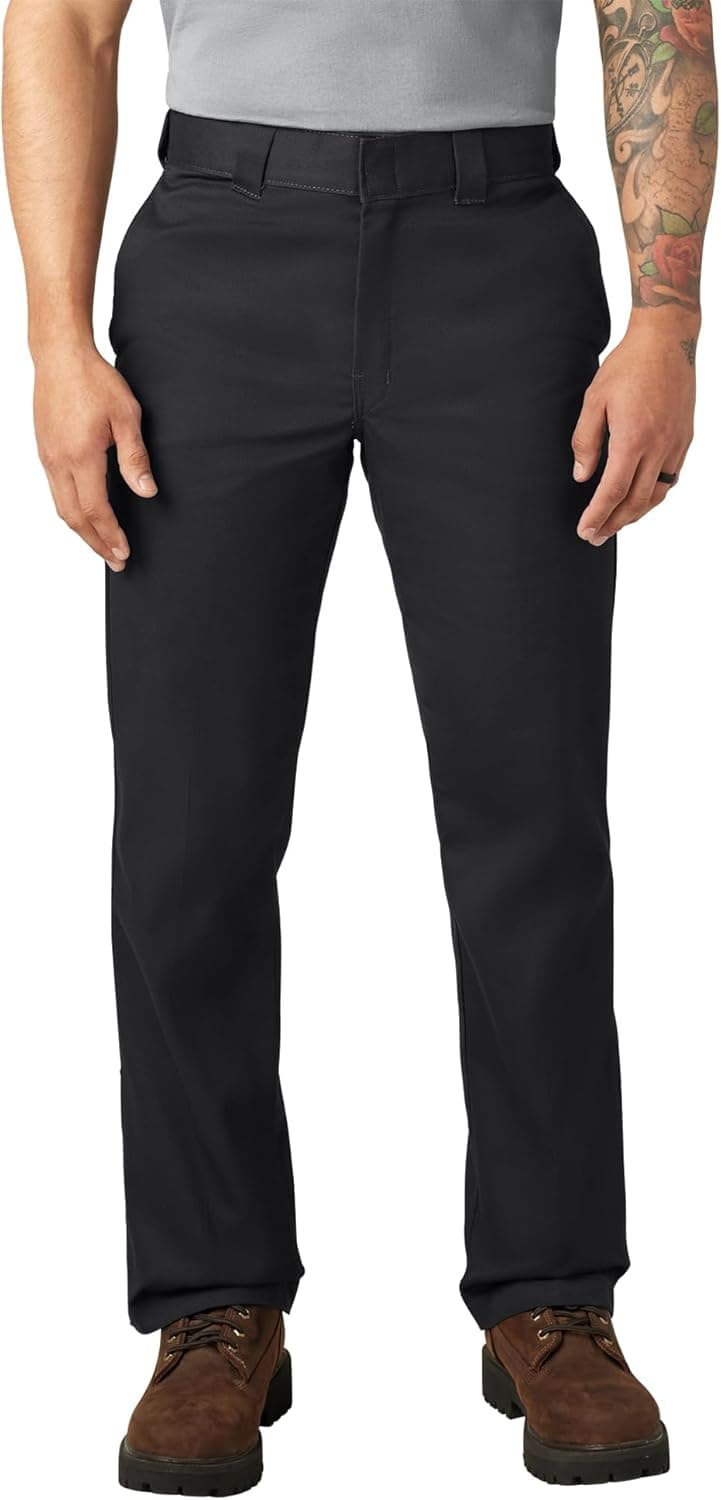
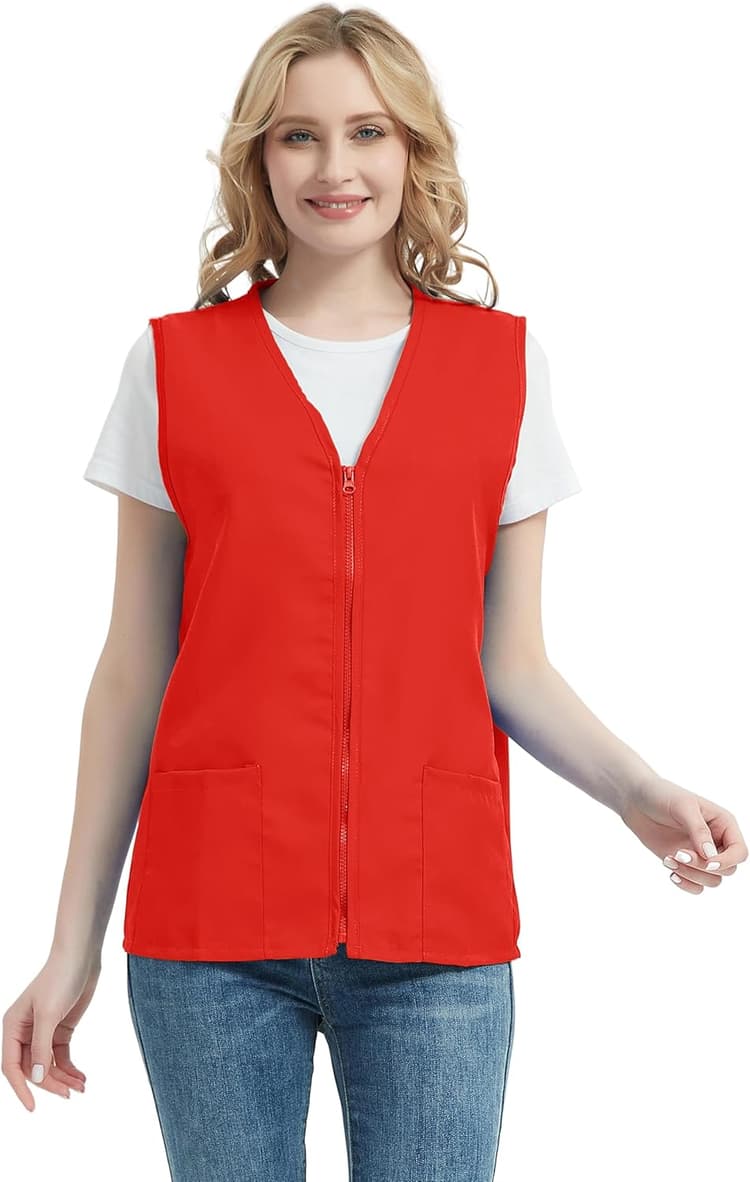
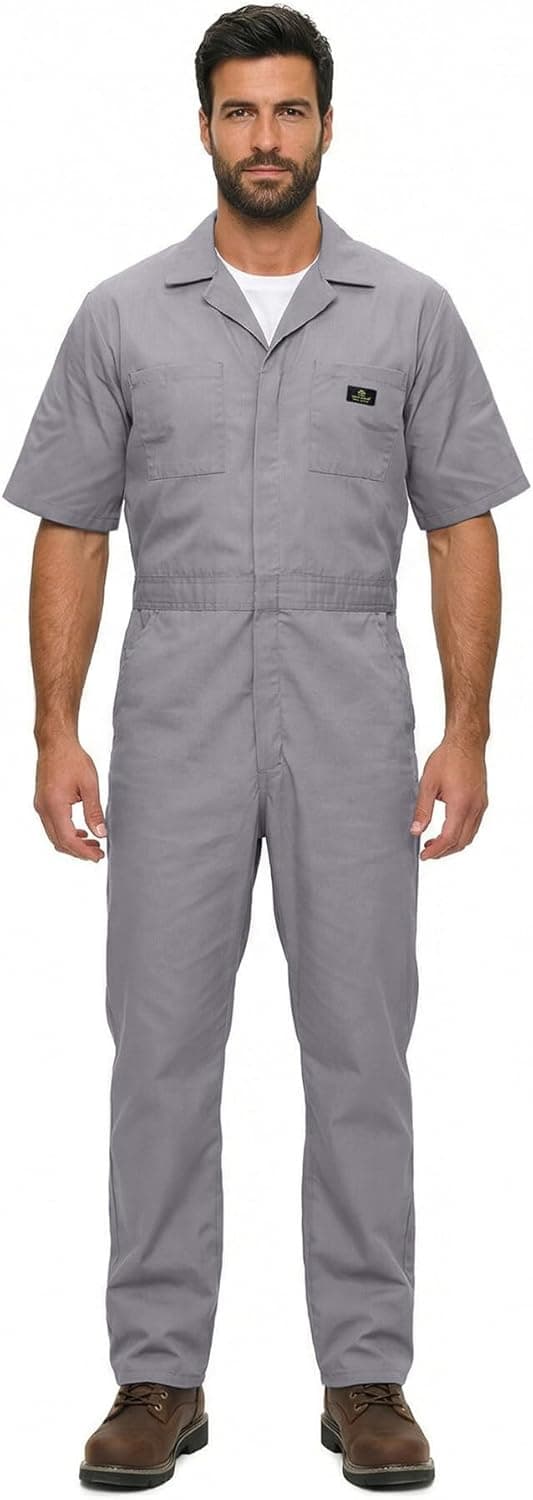
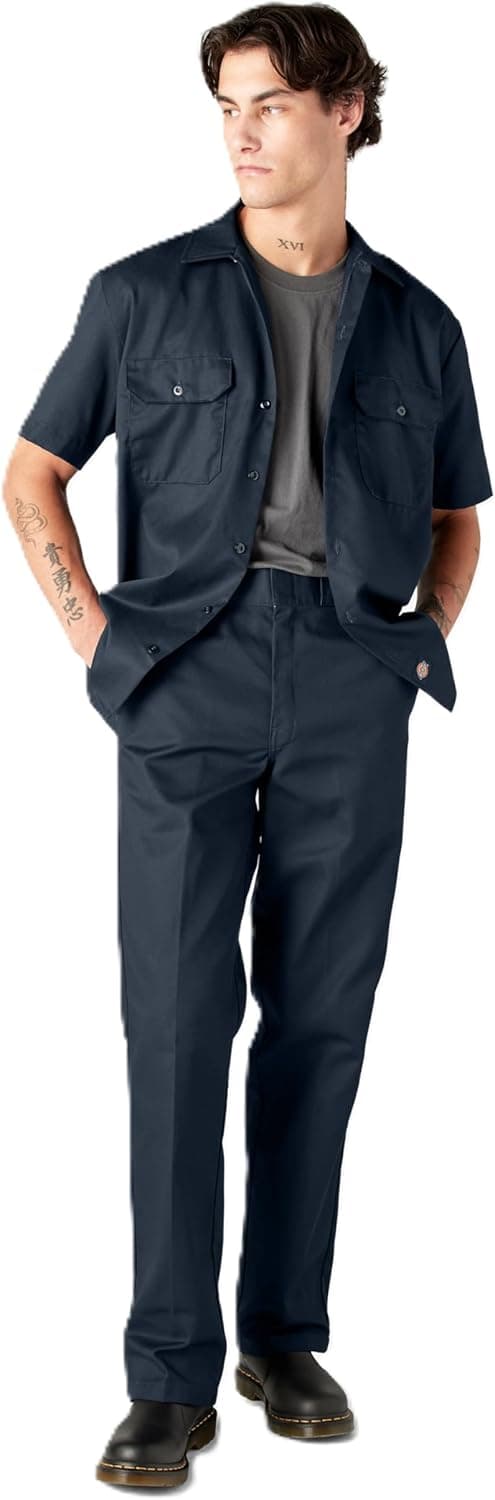
People wearing varied workwear and uniforms highlighting fabric texture, reinforcements and reflective details

This guide is written to help anyone selecting workwear or uniforms—team leaders, small-business purchasers, or professionals replacing garments. Its intent is educational: to provide concrete criteria and a method for comparing offers, choosing sizes and fabrics that suit real-world tasks, and anticipating durability and comfort. Instead of naming specific products, the guide explains what to evaluate and which questions to ask suppliers.

Inside you'll find step-by-step advice to assess needs (type of work, usage frequency, regulatory requirements), a practical explanation of price tiers and their drivers, guidance on sizing and comfort, and an overview of materials and expected wear. Sections on everyday performance and common beginner mistakes help avoid unsuitable purchases. Expert yet accessible tips aim to extend garment life and improve ergonomics.

The recommended approach emphasizes observation and prioritization: start by listing a garment's essential functions (protection, appearance, mobility), then rank needs against budget and expected lifespan. The tone is neutral and fact-based, giving measurable criteria and concrete examples so you can confidently evaluate suppliers and make informed buying decisions.

Discover our best references

* price updated at March 18, 2026
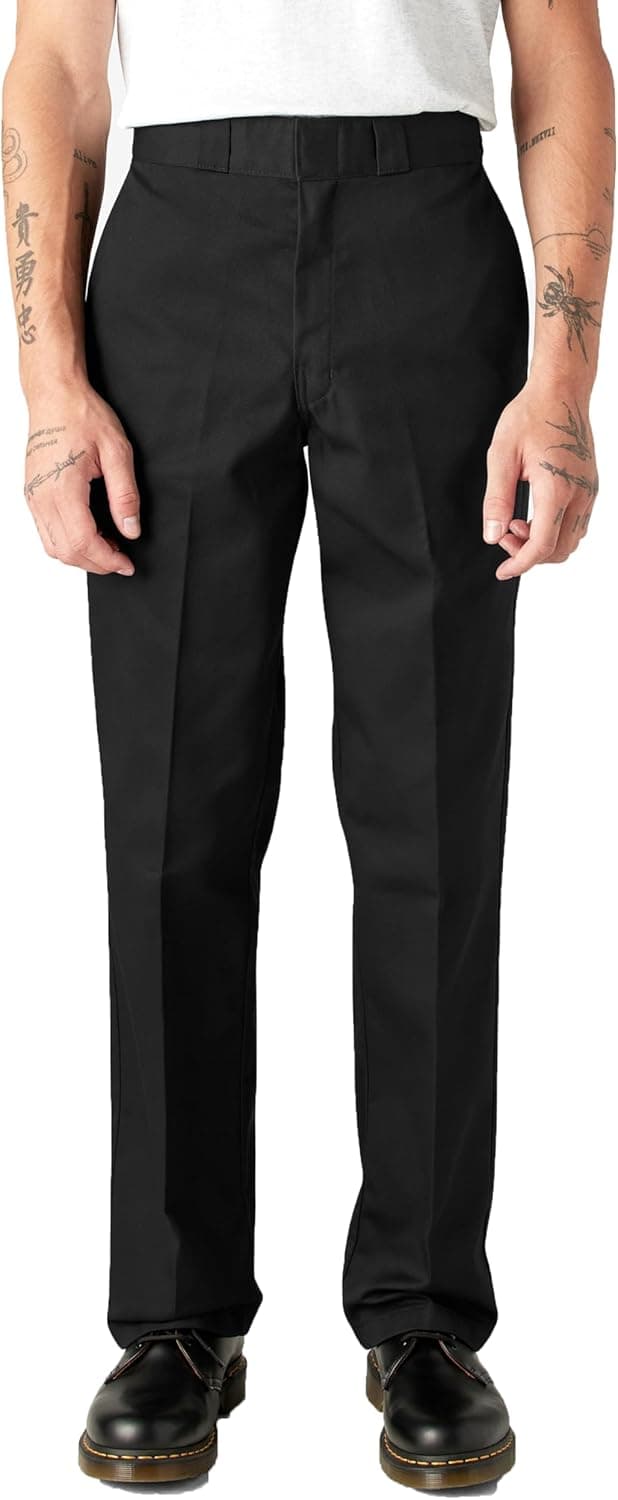
Dickies Men's 874® Flex Work Pants

Dickies

Dickies Men's 874® Flex Work Pants
★★★★☆4.3

$24.98

$34.99

-29 %

*
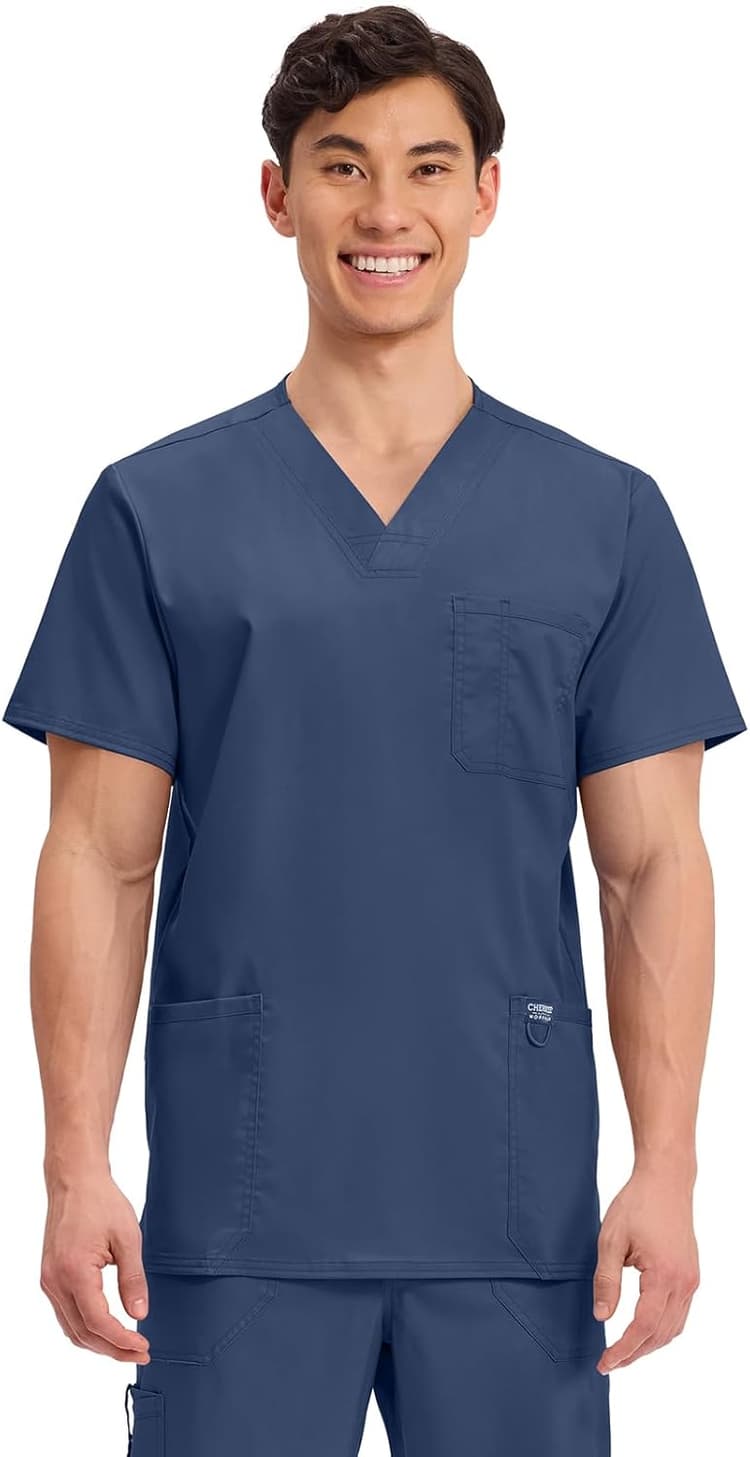
Cherokee Men Scrubs Top Workwear Revolution V-Neck WW751

Cherokee

Cherokee Men Scrubs Top Workwear Revolution V-Neck WW751
★★★☆☆3.9

$23.97

$28.76

-17 %

*
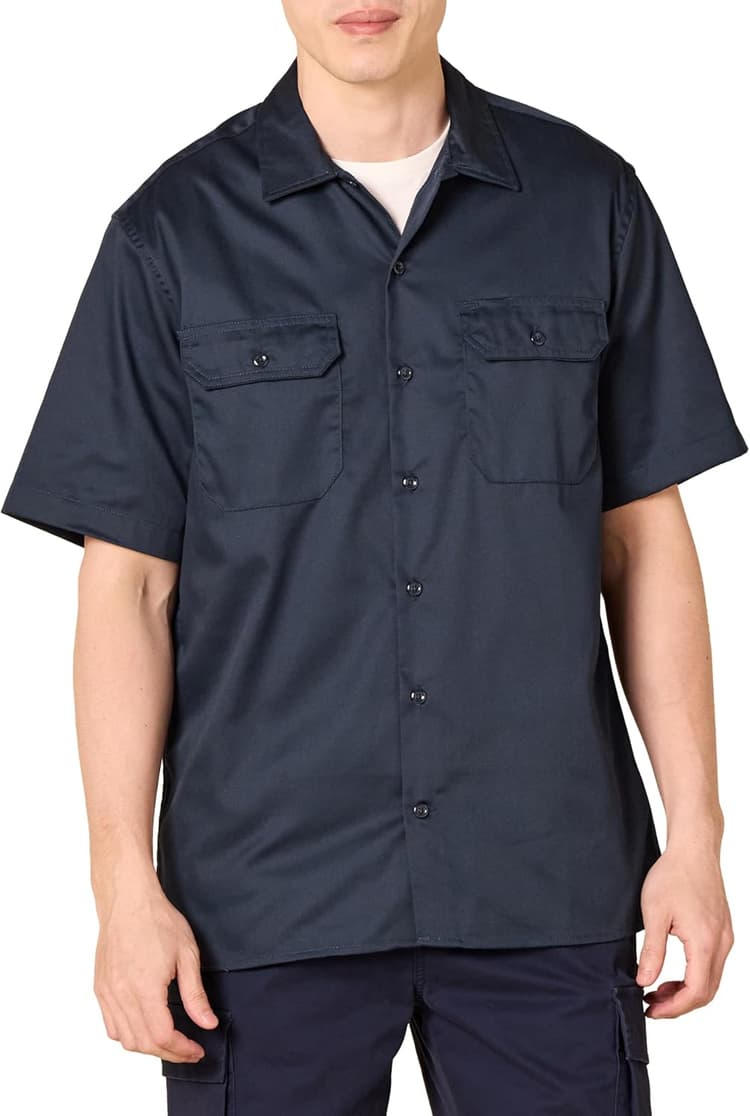
Dickies Men’s Short Sleeve Work Shirt – Durable Twill Button Down Shirts for Men, Lightweight Uniform for Daily Wear

Dickies

Dickies Men’s Short Sleeve Work Shirt – Durable Twill Button Down Shirts for Men, Lightweight Uniform for Daily Wear
★★★★☆4.6

$24.99

$27.99

-11 %

*
Amazon Essentials Button Up Shirt for Men, Short-Sleeve, Stain and Wrinkle-Resistant

Amazon Essentials

Amazon Essentials Button Up Shirt for Men, Short-Sleeve, Stain and Wrinkle-Resistant
★★★★☆4.4

$14.90

$16.70

-11 %

*
Dagacci Scrubs for Men Set - V-Neck Scrub Top and Cargo Pants - 8 Pockets Men Scrubs Set

Dagacci Medical Uniform

Dagacci Scrubs for Men Set - V-Neck Scrub Top and Cargo Pants - 8 Pockets Men Scrubs Set
★★★★☆4.3

$24.99

$27.99

-11 %

*
Dagacci Scrubs Medical Uniform Women and Man Scrubs Set Medical Scrubs Top and Pants

Dagacci Medical Uniform

Dagacci Scrubs Medical Uniform Women and Man Scrubs Set Medical Scrubs Top and Pants
★★★★☆4.1

$24.99

$27.99

-11 %

*
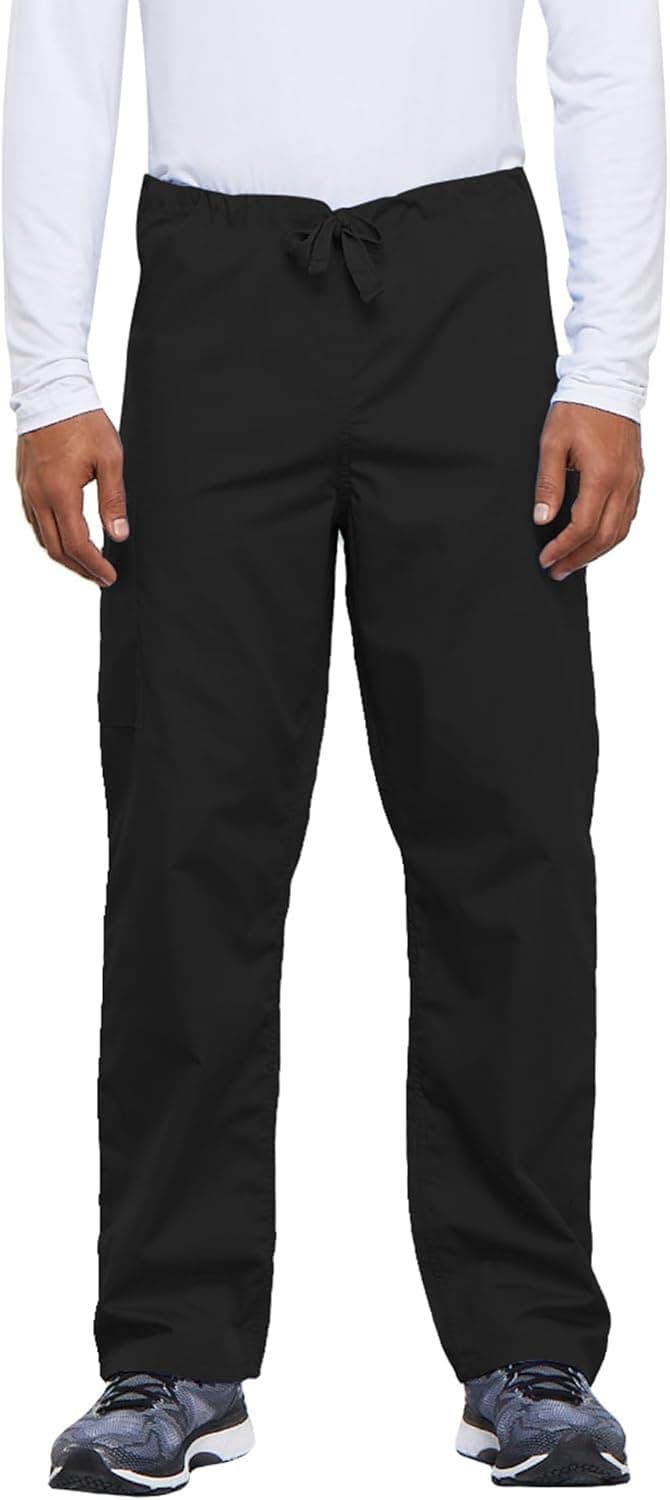
Cherokee Unisex Scrub Pants for Men & Women Drawstring Cargo Medical Uniform Straight Leg Nursing Scrub Bottoms - 4100

Cherokee

Cherokee Unisex Scrub Pants for Men & Women Drawstring Cargo Medical Uniform Straight Leg Nursing Scrub Bottoms - 4100
★★★★☆4.1

$16.99

$19.17

-11 %

*
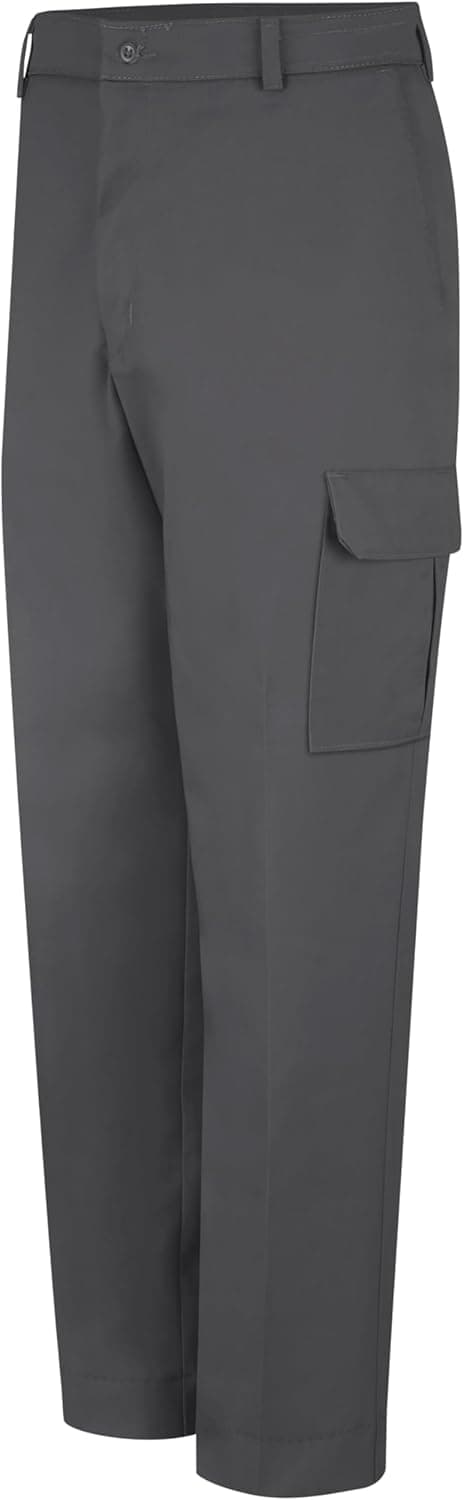
Lee Men's Workwear Pant

Lee

Lee Men's Workwear Pant
★★★★☆4.2

$29.75

$32.90

-10 %

*
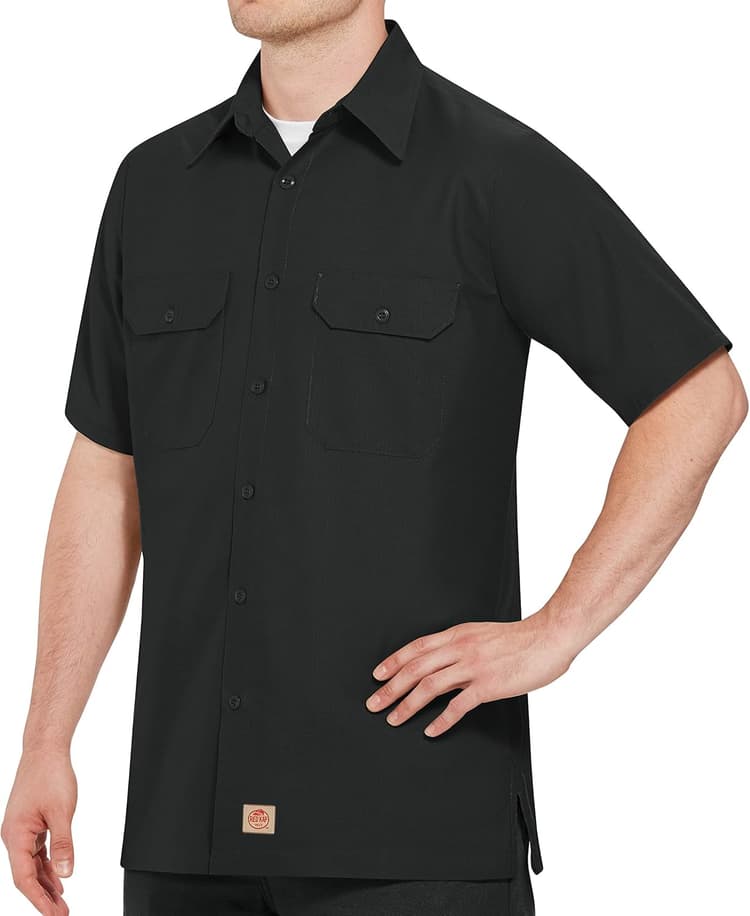
Red Kap Men's Industrial Work Shirt

Red Kap

Red Kap Men's Industrial Work Shirt
★★★★☆4.5

$17.99

$19.49

-8 %

*
Natural Uniforms Mens Stretch Multi-Pocket Cargo Scrub Set

Natural Uniforms

Natural Uniforms Mens Stretch Multi-Pocket Cargo Scrub Set
★★★★☆4.5

$24.99

$26.95

-7 %

*
Cherokee Scrub for Men's Tuckable V-Neck Top with 1 Chest Pocket, Pen Slot, Ultra Soft, Durable, 2-Way Stretch Fabric- WW690

Cherokee

Cherokee Scrub for Men's Tuckable V-Neck Top with 1 Chest Pocket, Pen Slot, Ultra Soft, Durable, 2-Way Stretch Fabric- WW690
★★★★☆4.6

$27.99

$29.47

-5 %

*
Medichic Men's Workwear Stretch V-Neck Scrub Joggers Set with Seven-Pocket Pants, Available in 6+ Colors

MediChic

Medichic Men's Workwear Stretch V-Neck Scrub Joggers Set with Seven-Pocket Pants, Available in 6+ Colors
★★★★☆4.1

$28.45

$29.95

-5 %

*

Step-by-step: Assessing Your Workwear Needs

Start by mapping the use context rather than focusing on appearance. A structured assessment makes priorities clear and reduces the risk of buying unsuitable garments.

  1. Identify core tasks
  • List repeated motions and common postures (squatting, lifting, prolonged standing). Mobility and reinforcement needs vary with these constraints.
  • Record exposures (heat, cold, chemical splashes, moisture, dust) and the presence of sharp or abrasive hazards.
  1. Determine frequency and duration of wear
  • Daily garments require higher durability and easy care. For occasional use, different quality-to-price trade-offs are reasonable.
  1. Check regulatory demands and desired image
  • Some roles require standards (flame resistance, high-visibility, sanitary barriers). Separate mandatory requirements from aesthetic preferences.
  • Consider brand representation: uniforms often need to balance comfort with a tidy appearance.
  1. Plan inventory and rotation
  • For team outfitting, allow for spares and a replacement schedule. Minimal stock and maintenance budgeting prevent shortages.
  1. Rank your criteria
  • Make a simple matrix: protection, comfort, durability, cost, look. Assign weights (1-5) to reflect their importance for your operation.

Concrete example: an outdoor maintenance crew might prioritize high visibility, abrasion resistance and modular thermal layers. Kitchen staff will prioritize hygiene, breathability and easy laundering. Using this approach lets you transform operational needs into precise specifications to share with suppliers.

Understanding Price Tiers and What Drives Cost

Price differences in workwear often reflect technical and logistical factors that are straightforward to analyze. Knowing these drivers helps decide when paying more is justified.

Materials and treatments

  • Technical fibers (aramid blends, reinforced polyamide, waterproof membranes) are costlier than plain cotton. Treatments (waterproofing, stain resistance, flame retardancy) raise the price but deliver specific performance benefits.

Construction and reinforcements

  • Reinforced zones (knees, elbows), double stitching or bar-tack reinforcements, and heavy-duty closures affect manufacturing costs and garment longevity.

Standards and certification

  • Certified safety garments require testing and documentation; certification costs are reflected in the retail price.

Fit and ergonomic features

  • Thoughtful cuts, adjustable fittings and ergonomic details (gussets, adjustable suspenders) increase complexity and cost.

Volume and supply chain

  • Bulk orders lower per-unit cost. Small-batch or custom production is more expensive. Manufacturer location and distribution channel (specialist dealer versus mass retailer) also impact price.

Total cost of ownership

  • Consider lifetime cost: a cheap garment that fails quickly can lead to higher annual expense. Compare cost per year of serviceable life for an apples-to-apples comparison.

Practical tip: set a budget threshold linked to minimum requirements (e.g., warranty length, number of wash cycles tolerated, required standards). This makes supplier discussions focused and helps decide when extra cost yields measurable value.

Selecting the Right Size and Maximizing Comfort

Size and comfort are critical: poorly fitted garments reduce mobility, speed up wear and may increase risk. Use a reliable process to select sizes that reflect manufacturer variations in cut.

Accurate measurements

  • Take chest, waist, hip, sleeve length and inseam with a flexible tape. Record shoulder width and height. For teams, centralize results in a simple spreadsheet.

Use the manufacturer's size chart

  • Match your measurements to the supplier's chart rather than relying on generic sizing. Workwear cuts are often roomier to allow layering.

Account for layering and freedom of movement

  • Allow extra space when outerwear must accommodate thermal layers or protective vests. Inspect articulation zones (knees, elbows) and look for gussets that enhance mobility.

Thermal comfort and moisture management

  • Comfort also depends on fabric breathability and moisture-wicking ability. In hot environments prefer technical fabrics and ventilation panels; in cold settings, use modular layering.

Field trials and wear tests

  • Arrange real-world trials where possible. A garment may look fine on a hanger but restrict movement during actual tasks. For team orders, request sample batches before full production.

Practical tip: document a dimensional tolerance (e.g., +5 cm at chest for layering) and create a standard fit form to streamline returns. Include end-user feedback as a decisive factor—user comfort strongly predicts adoption and performance.

Materials, Care and Durability: Reading Labels Beyond the Tag

Understanding materials is key to predicting lifespan and care needs. Rather than relying on marketing claims, inspect composition, construction and wash instructions.

Fibers and weave

  • Natural fibers like cotton provide comfort but may wear faster and wrinkle. Synthetic blends (polyester, polyamide) increase abrasion resistance and speed drying. Technical fibers (e.g., aramids) are suited for specialized protection.

Fabric weight and density

  • Two garments with similar composition can differ by fabric weight. Heavier fabrics resist wear better but may be less breathable. Compare grams per square meter when available.

Finishes and treatments

  • DWR (durable water repellent), stain resistance or anti-odor finishes add maintenance benefits but may wear off and sometimes require specific care. Ask how many wash cycles before loss of effectiveness.

Reinforcements and stress areas

  • Knees, crotch and cuffs are typical failure points. Look for reinforcements, patches or paneling and check stitch quality.

Practical care

  • Follow wash guidelines to maintain properties. Prefer gentle cycles and avoid aggressive industrial drying if not recommended. For technical garments, learn about refurbishing options (reproofing, seam repairs).

Durability indicators

  • Seek manufacturer warranties, declared wash-cycle lifespans or test data if available. Solicit references from similar companies for real-world feedback.

Educational tip: include maintenance in total-cost calculations. Laundry time, replacement frequency and special treatments increase operating costs; easier-to-care-for garments may justify a higher purchase price.

Compare Essential Features and Evaluate Everyday Performance

To compare models effectively, standardize an evaluation matrix that converts features into measurable criteria. At the same time, assess performance in real or simulated conditions.

Key features to compare (simple guide)

  • Protection: type (cut, heat, waterproofing), level and compliance with standards. Align protection level to the job hazards.
  • Breathability: how the fabric wicks moisture; important for comfort during activity. Qualitatively assess via perceived comfort during exertion and drying time after washing.
  • Mechanical durability: abrasion resistance, seam strength; inspect reinforcements at stress points.
  • Care: allowable wash cycles, max temperature, suitability for industrial laundering.
  • Ergonomics: utility pockets, tool access, adjustable hems/cuffs, articulated joints.
  • Visibility/marking: reflective strips, regulated colors.

Set up a simple test protocol

  • Reproduce core tasks over a defined period (e.g., 8 hours) and note mobility, abrasion, thermal comfort and pocket functionality.
  • Track changes after several wash cycles (3, 10, 30) to anticipate wear.

Assess everyday performance

  • Ask end users about ease of donning, feel during tasks and practicality of storage. A garment can be technically excellent but fail if workers find it restrictive.
  • Monitor simple KPIs: repair rate, replacement frequency and complaint incidence across a timeframe.

Practical tool: build a comparison sheet with 0-5 scores per criterion and a field for 'field observations'. This supports objective discussions between procurement and users and leads to data-driven selections.

Common Beginner Mistakes and Practical Expert Tips

The most common mistakes when buying workwear come from unchecked assumptions and underestimating real-world use. Below are common pitfalls and easy-to-apply recommendations.

Frequent mistakes

  • Relying solely on price: buying the cheapest option without factoring replacement and care costs often leads to higher annual expense.
  • Skipping field trials: a garment might look fine in pictures but hinder movement on the job.
  • Ignoring end-user feedback: imposing an unpopular cut leads to non-wearing and reduced compliance.
  • Prioritizing looks over function: an attractive uniform that compromises safety or productivity is counterproductive.

Practical expert tips

  • Request a sample: test it for a week under real conditions before approving a team-wide order.
  • Standardize a technical sheet: require the supplier to provide composition, fabric weight, treatments and care instructions.
  • Plan rotation: calculate how many items per person you need to cover laundering and repairs.
  • Give short care training: teach users basic washing and repair practices to extend garment life.

Handy hacks

  • Label garments to streamline tracking and returns.
  • Keep a small repair kit (patches, spare buttons) for quick fixes.
  • Review periodically: assess uniforms every six months and update specs as necessary.

Pedagogical takeaway: adopt test-driven, data-informed choices. Avoid common errors and apply simple maintenance and rotation practices to improve cost-performance and user acceptance.

Discover our top deals references

* price updated at March 18, 2026
See more
Cherokee Scrub Jacket Men's Zip Front Jacket with 5 Pockets, Bungee Loop, Rib-Knit Cuffs, Soft 2-Way Stretch Fabric - WW320

Cherokee

Cherokee Scrub Jacket Men's Zip Front Jacket with 5 Pockets, Bungee Loop, Rib-Knit Cuffs, Soft 2-Way Stretch Fabric - WW320
★★★★☆4.7

$37.99

*
Dickies Men’s Short Sleeve Work Shirt – Durable Twill Button Down Shirts for Men, Lightweight Uniform for Daily Wear

Dickies

Dickies Men’s Short Sleeve Work Shirt – Durable Twill Button Down Shirts for Men, Lightweight Uniform for Daily Wear
★★★★☆4.6

$24.99

$27.99

-11 %

*
Cherokee Scrubs for Men Tapered Leg Cargo Scrub Pants with Zip Fly, 5 Pockets Elastic Waist 2-Way Stretch & Easy Care – WW190

Cherokee

Cherokee Scrubs for Men Tapered Leg Cargo Scrub Pants with Zip Fly, 5 Pockets Elastic Waist 2-Way Stretch & Easy Care – WW190
★★★★☆4.6

$31.99

*
Cherokee Men's V-Neck Top Traditional fit with 4 Pockets, Ultra Soft, Durable, Fade Resistant, 2-Way Stretch Fabric - WW695

Cherokee

Cherokee Men's V-Neck Top Traditional fit with 4 Pockets, Ultra Soft, Durable, Fade Resistant, 2-Way Stretch Fabric - WW695
★★★★☆4.6

$26.99

*
Cherokee Infinity Mens V-Neck Scrub Top Modern Fit, 3 Pockets, Rib-Knit Back Panels, Moisture-Wicking 360° Stretch – CK900A

Infinity

Cherokee Infinity Mens V-Neck Scrub Top Modern Fit, 3 Pockets, Rib-Knit Back Panels, Moisture-Wicking 360° Stretch – CK900A
★★★★☆4.6

$37.99

*
Cherokee Scrub top for Men V-Neck with 3 Pockets, Knit Details, Soft, Durable, Breathable, 2-Way Stretch Fabric - WW670

Cherokee

Cherokee Scrub top for Men V-Neck with 3 Pockets, Knit Details, Soft, Durable, Breathable, 2-Way Stretch Fabric - WW670
★★★★☆4.6

$29.99

*
Cherokee Scrub for Men's Tuckable V-Neck Top with 1 Chest Pocket, Pen Slot, Ultra Soft, Durable, 2-Way Stretch Fabric- WW690

Cherokee

Cherokee Scrub for Men's Tuckable V-Neck Top with 1 Chest Pocket, Pen Slot, Ultra Soft, Durable, 2-Way Stretch Fabric- WW690
★★★★☆4.6

$27.99

$29.47

-5 %

*
Cherokee Scrub for Men Fly Front Cargo Pant with 7 Pocket, Durable, Fade Resistant Fabric - 4000

Cherokee

Cherokee Scrub for Men Fly Front Cargo Pant with 7 Pocket, Durable, Fade Resistant Fabric - 4000
★★★★☆4.5

$22.99

*
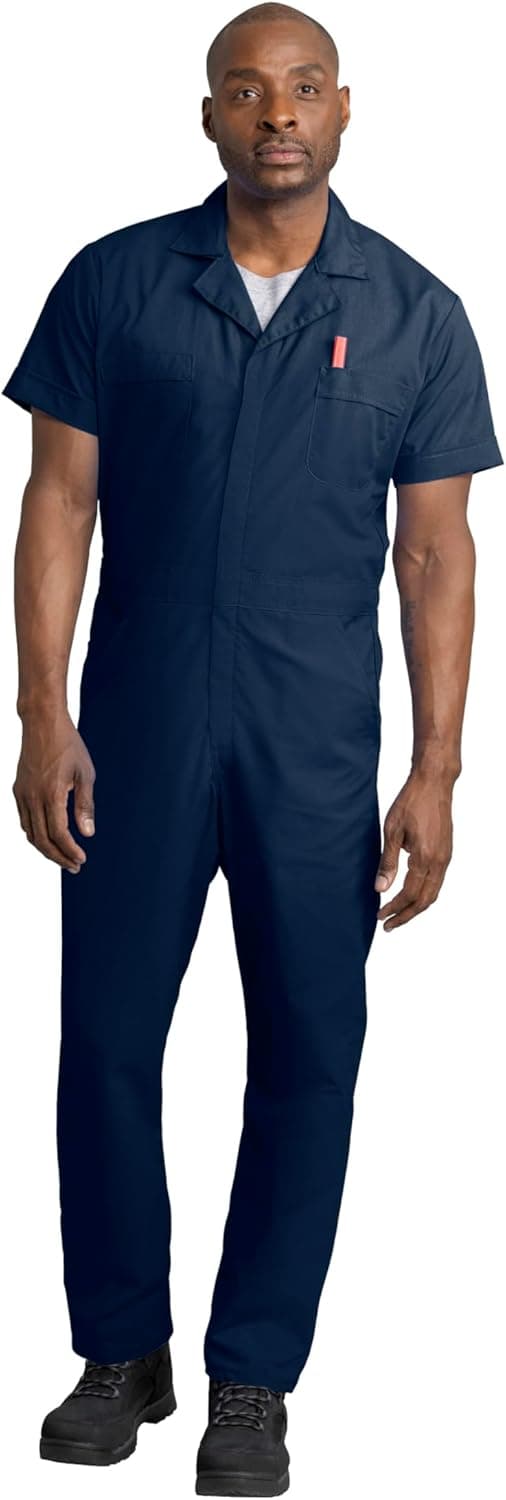
Dickies Men's Short Sleeve Coverall

Dickies

Dickies Men's Short Sleeve Coverall
★★★★☆4.5

$44.99

*
Red Kap Men's Industrial Work Shirt

Red Kap

Red Kap Men's Industrial Work Shirt
★★★★☆4.5

$17.99

$19.49

-8 %

*
Cherokee Womens Unisex V-Neck Top

Cherokee

Cherokee Womens Unisex V-Neck Top
★★★★☆4.5

$19.99

*
Red Kap Men's Technician Shirt

Red Kap

Red Kap Men's Technician Shirt
★★★★☆4.5

$21.19

*

Summary and Next Steps for Confident Purchases

In summary, buying workwear or uniforms effectively requires a structured approach: clarify needs, compare materials and features, verify sizing with real measurements, and assess lifetime costs. Prioritize regulatory and safety requirements first, then comfort and ease of care. Use a standardized comparison sheet to make objective choices and arrange field trials to confirm assumptions.

Remember to factor maintenance and rotation into your budget: operational durability often justifies an initial premium. Involve end users early—their feedback helps fine-tune fit, functionality and care constraints. Finally, document specifications to simplify repeat orders and supplier interactions.

A practical next step: list tasks and exposures, create a priority matrix and request one or two samples for testing. This learning-oriented routine moves decisions from appearance-driven to performance-driven and helps control long-term costs.

Frequently Asked Questions About Choosing Workwear

Editorial Transparency and Methodology

This guide was created using educational principles and a synthesis of best practices from industrial and service contexts. It is neutral and does not recommend brands or present commercial comparisons. The advice is based on analysis of technical criteria, user feedback and responsible procurement methods. We recommend field testing and consulting suppliers for precise technical data before any major purchase.

If you apply this guide within an organization, adapt criteria to internal policies, applicable standards and operational team feedback.

  • Independent expert selection

    Our selections rely on independent analysis and hands-on testing, without commercial influence.

  • Verified analysis and comparisons

    Clear comparison guides based on technical criteria and expert reviews.

  • Regularly updated content

    We frequently revise articles to reflect new models and fashion trends.

  • Transparent affiliate links

    Some links are affiliate: we may earn a commission and redirect you to trusted partner retailers.