
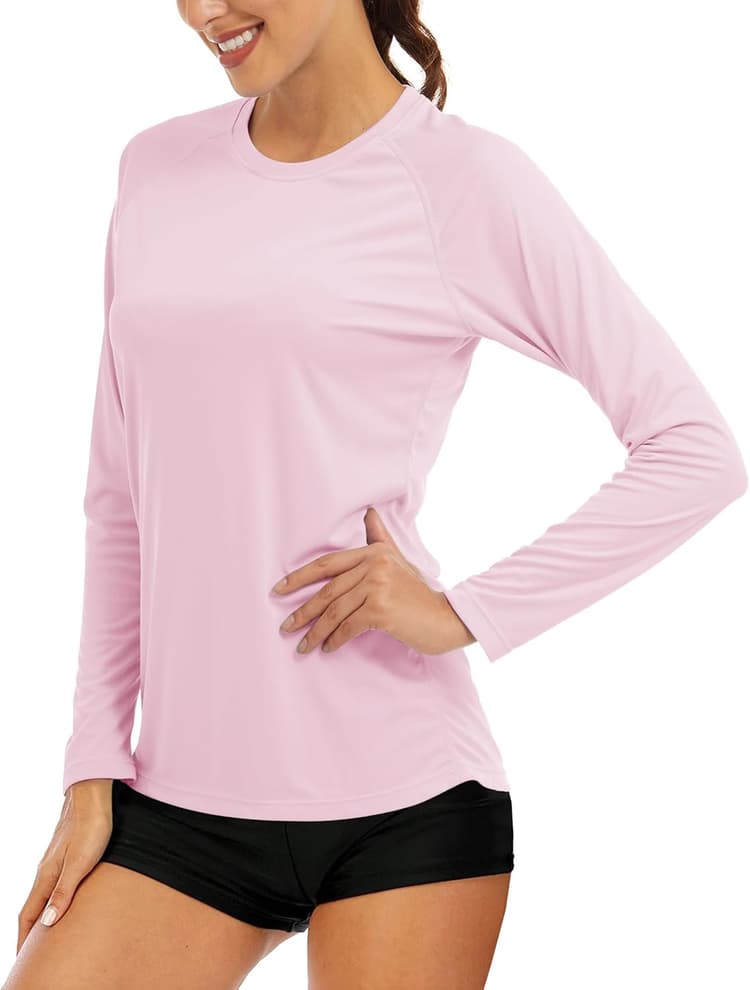
MAGCOMSEN
MAGCOMSEN Women's Long Sleeve Shirts UPF 50+ Sun Protection Shirts for Hiking Fishing Workout Rash Guard
★★★★☆4.6
$9.97
$19.98
-50 %
*
Product analyst covering fabric tech, fit advice, and budget-friendly finds.

This pedagogical guide aims to help anyone buying women's activewear make informed choices. Instead of recommending specific products, it explains the core decision criteria: assessing your needs by activity and environment, understanding how materials affect comfort and lifespan, and selecting the right size and fit. You will find clear steps to compare price ranges, recognize useful features for each use case, and avoid common beginner mistakes.
The guide follows a progressive shopping path: start by clarifying intended use (yoga, running, gym training, active everyday wear), then examine fabric properties like breathability, stretch, weave and finishes such as odor control or water resistance. A dedicated section explains body measurement, interpreting size charts and acceptable fit tolerances. Practical advice covers how to test garments in daily use and habits that influence wear rate.
The tone is instructional: each block offers step-by-step criteria, concrete examples and decision checkpoints. Recommendations rely on technical principles and typical user experience, without endorsing brands. Use this guide as a checklist before buying and adapt priorities to your activity level, body shape and budget.
MAGCOMSEN
$9.97
$19.98
-50 %
*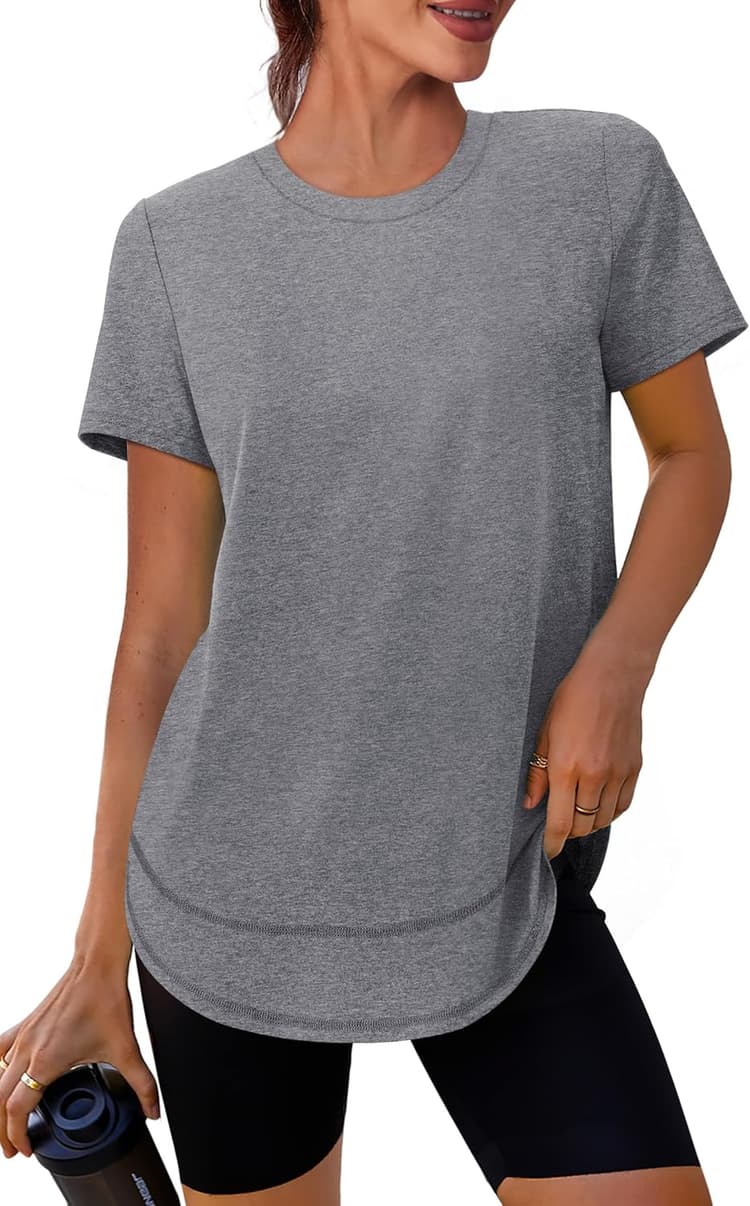
XIEERDUO
$8.27
$12.99
-36 %
*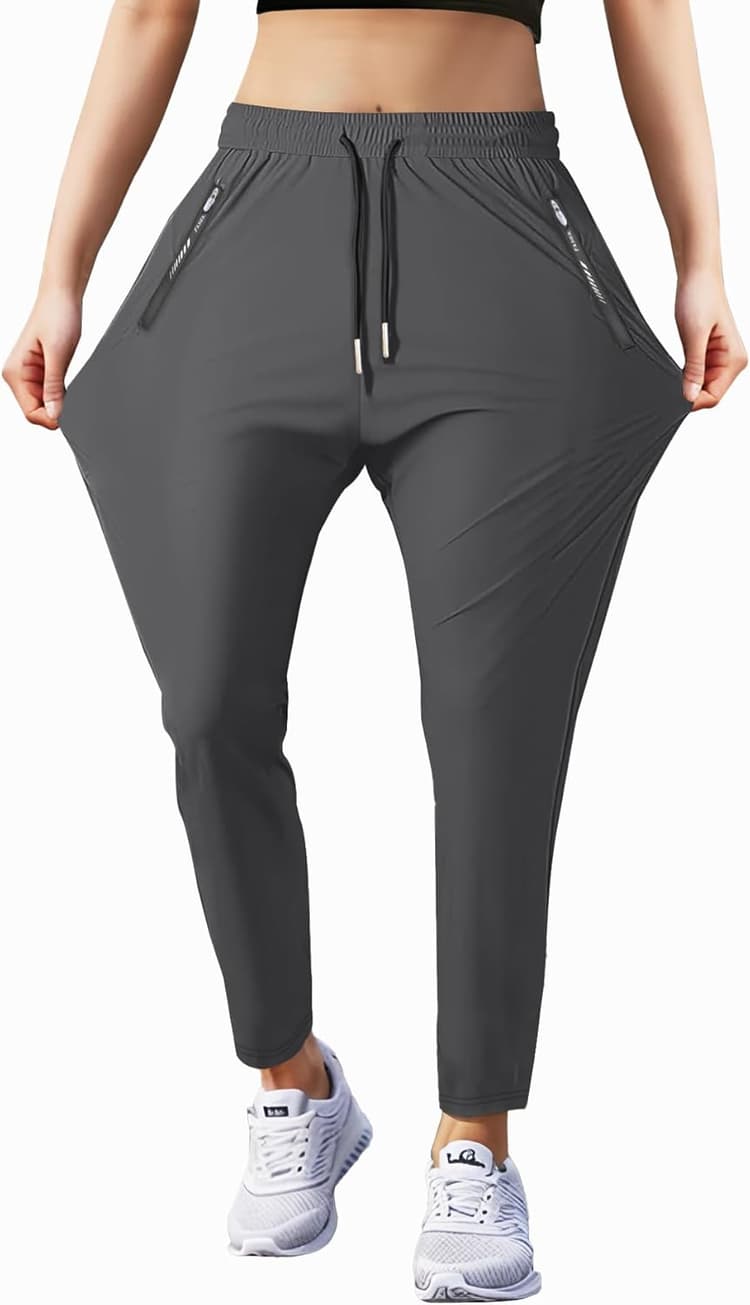
Hidkat
$19.98
$29.99
-33 %
*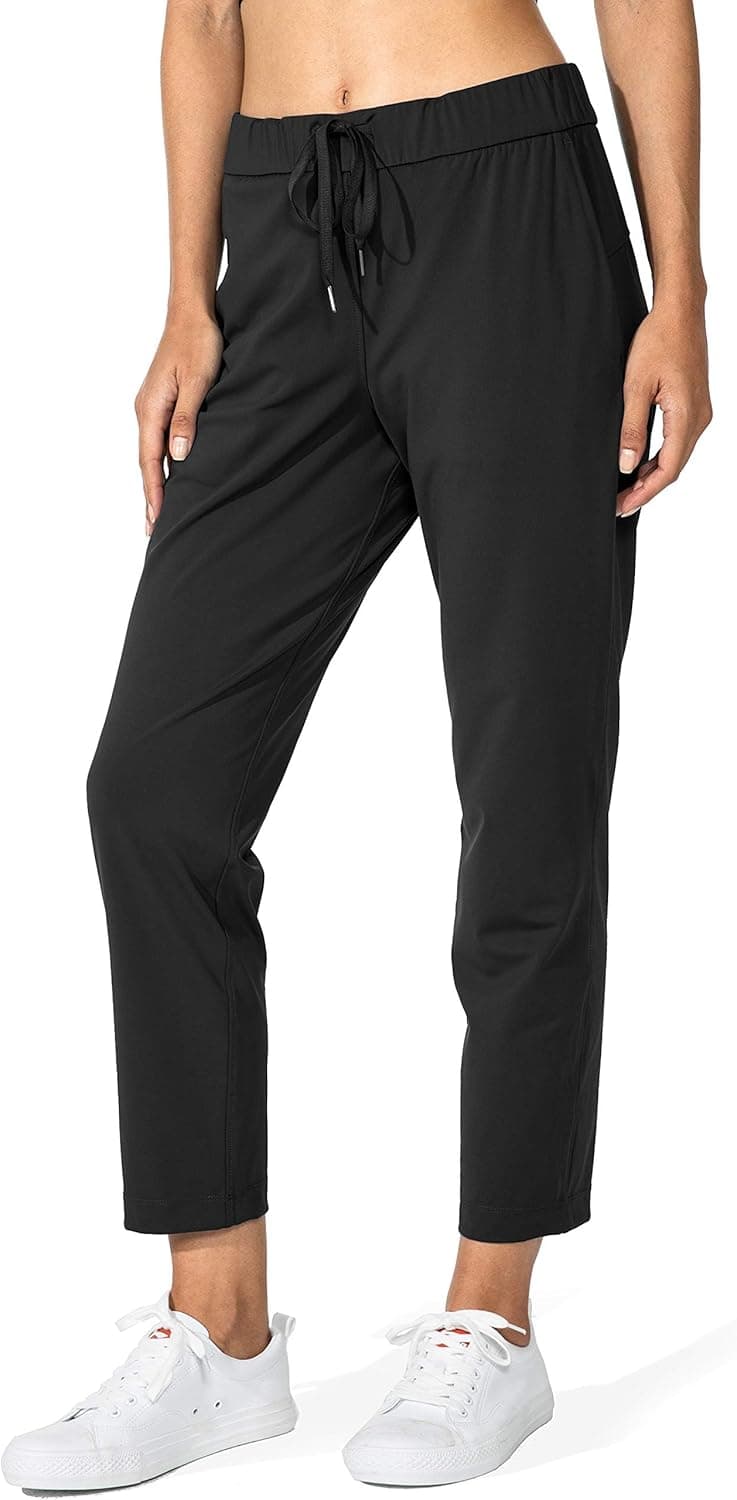
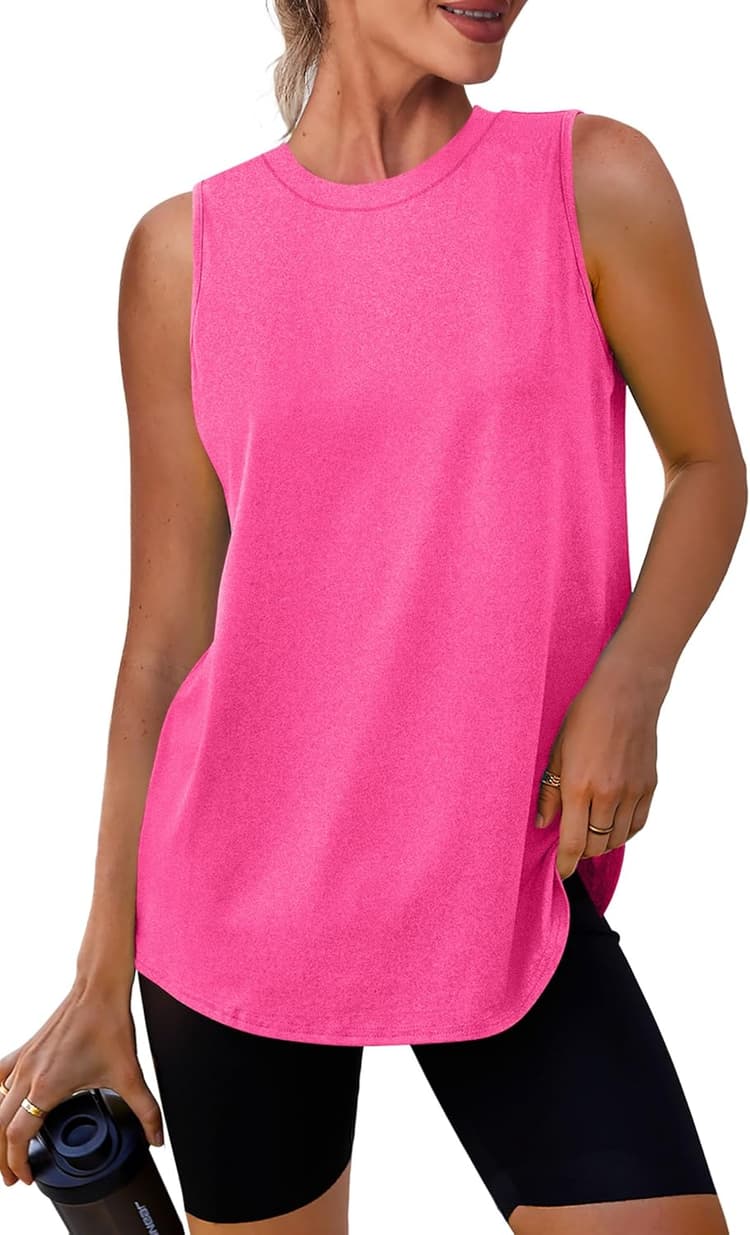
G Gradual
$28.87
$41.99
-31 %
*
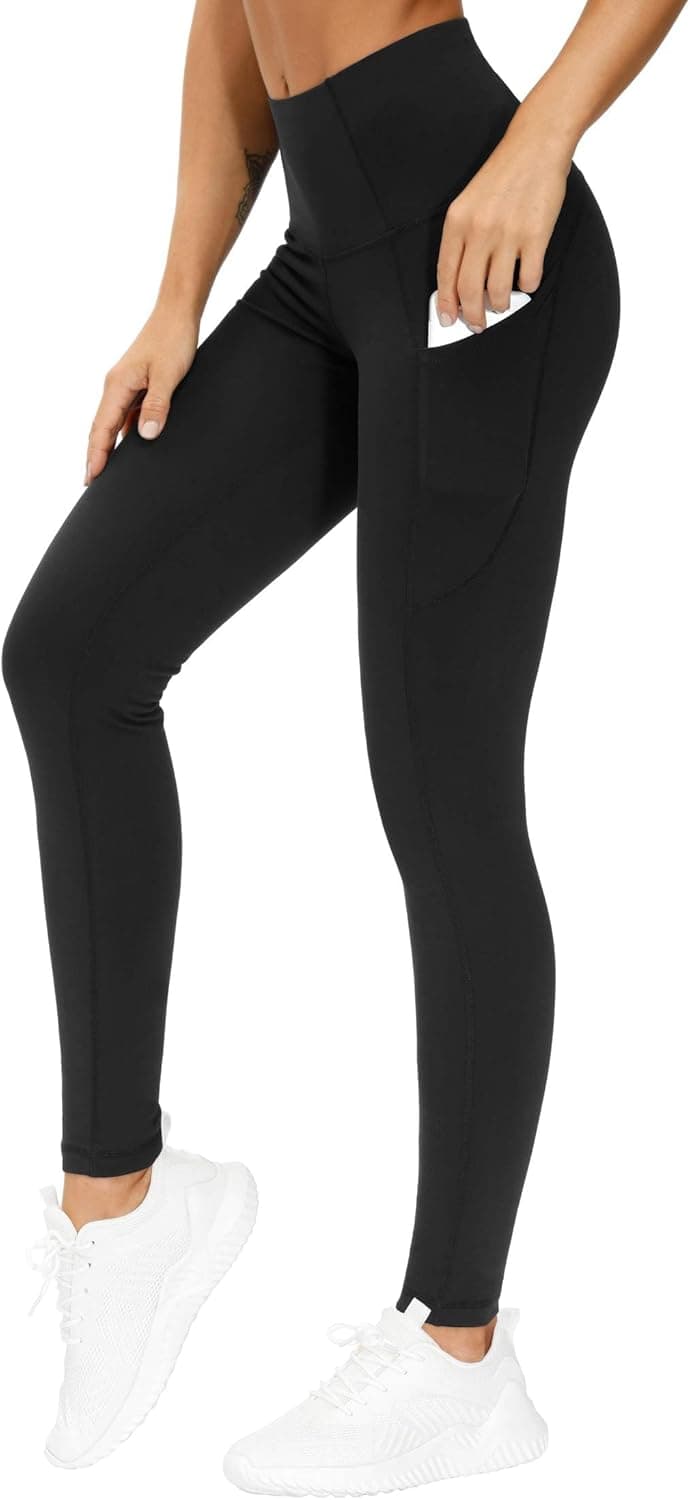
XIEERDUO
$9.47
$12.99
-27 %
*
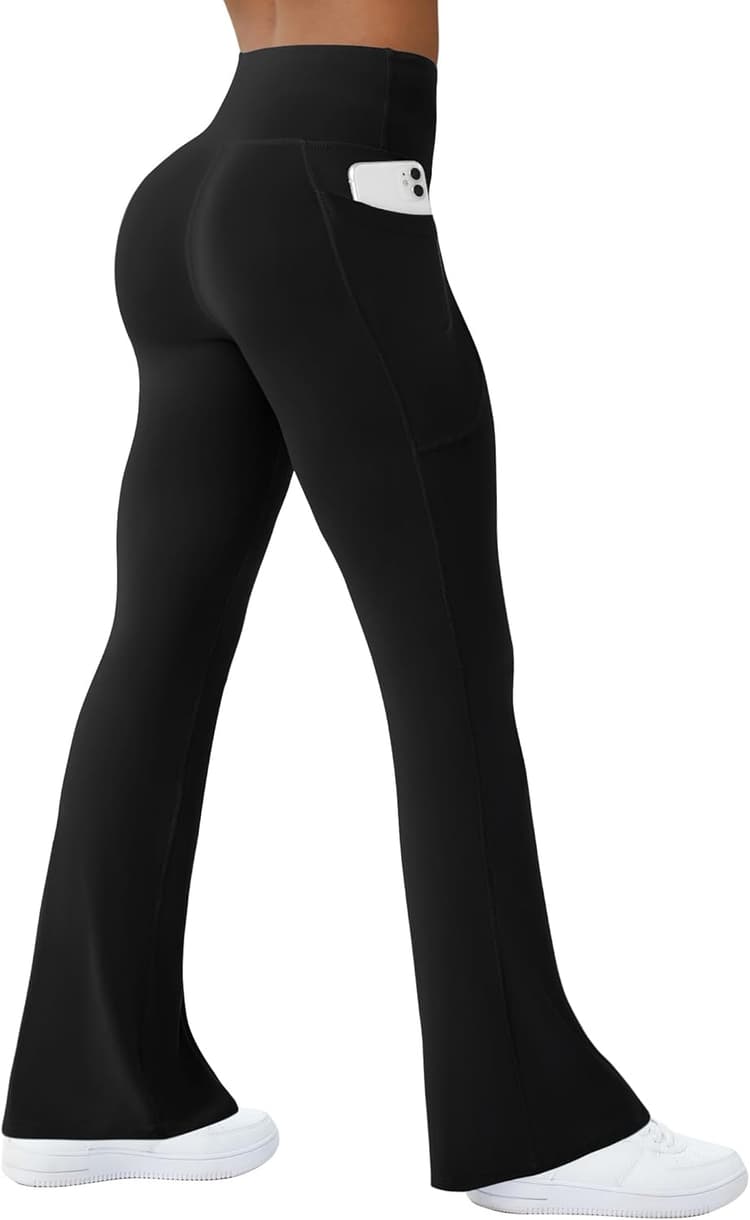
THE GYM PEOPLE
$19.99
$26.99
-26 %
*
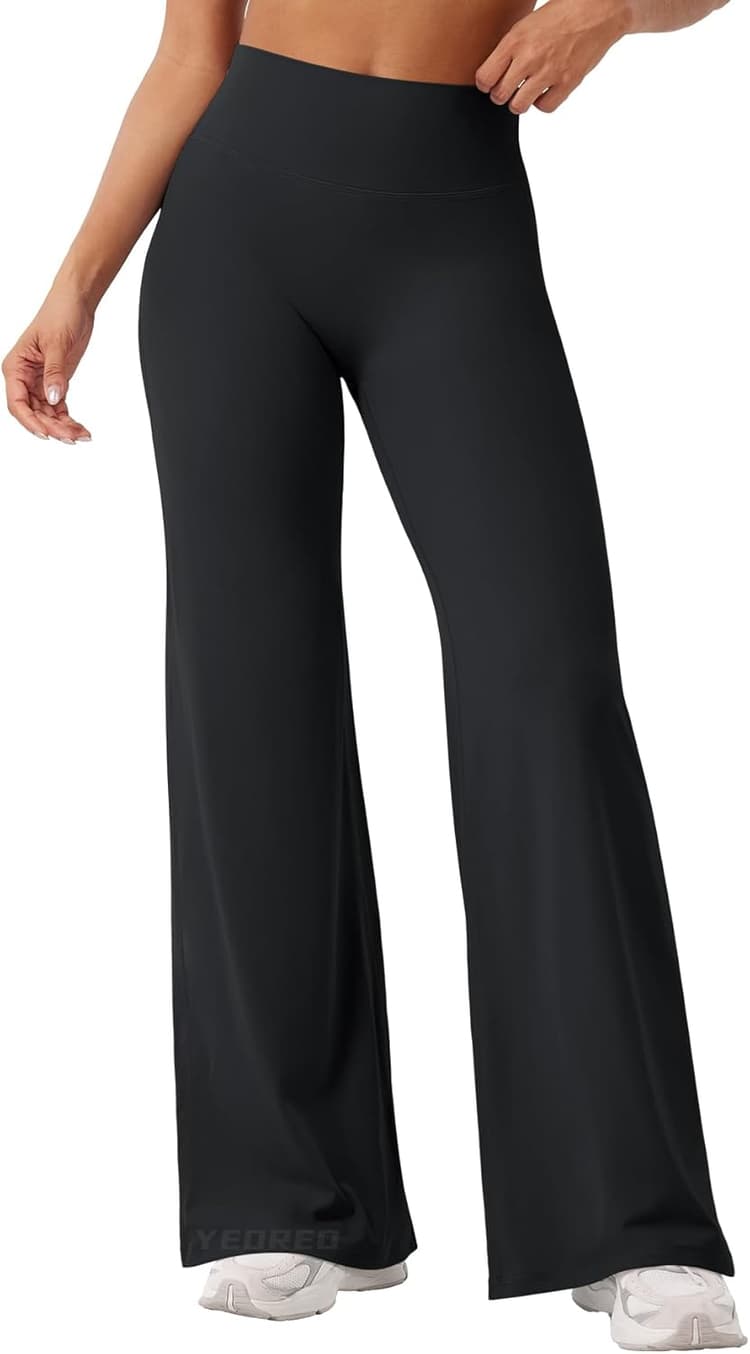
COPYLEAF
$14.97
$19.99
-25 %
*
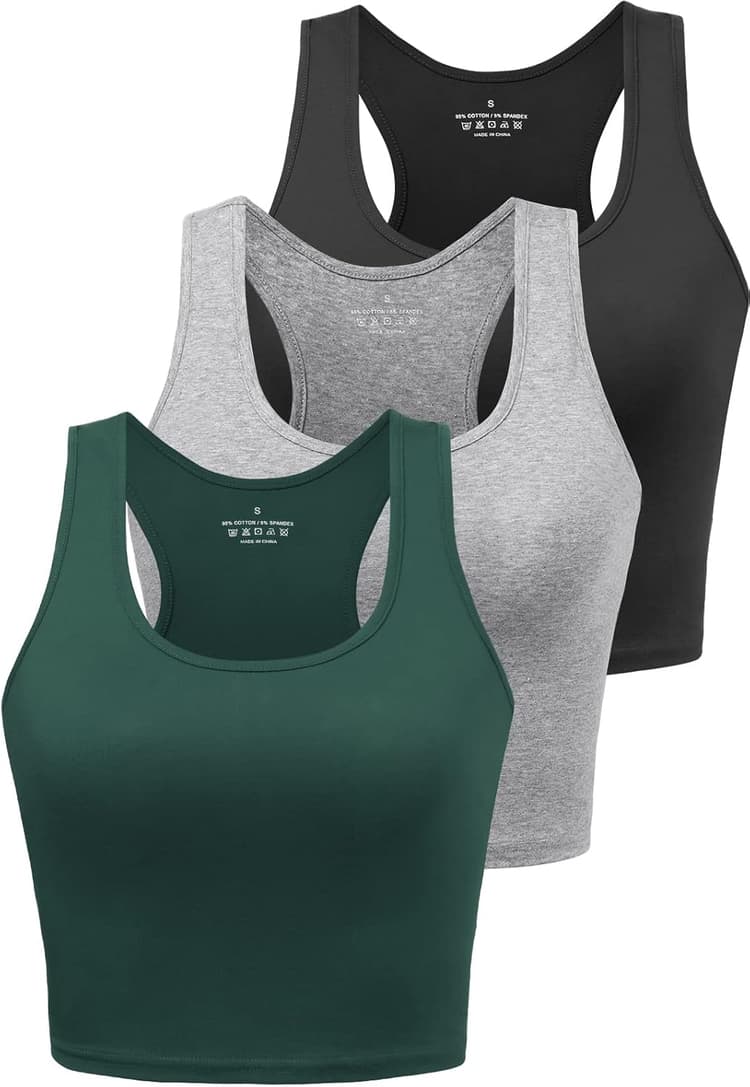
YEOREO
$29.99
$35.99
-17 %
*
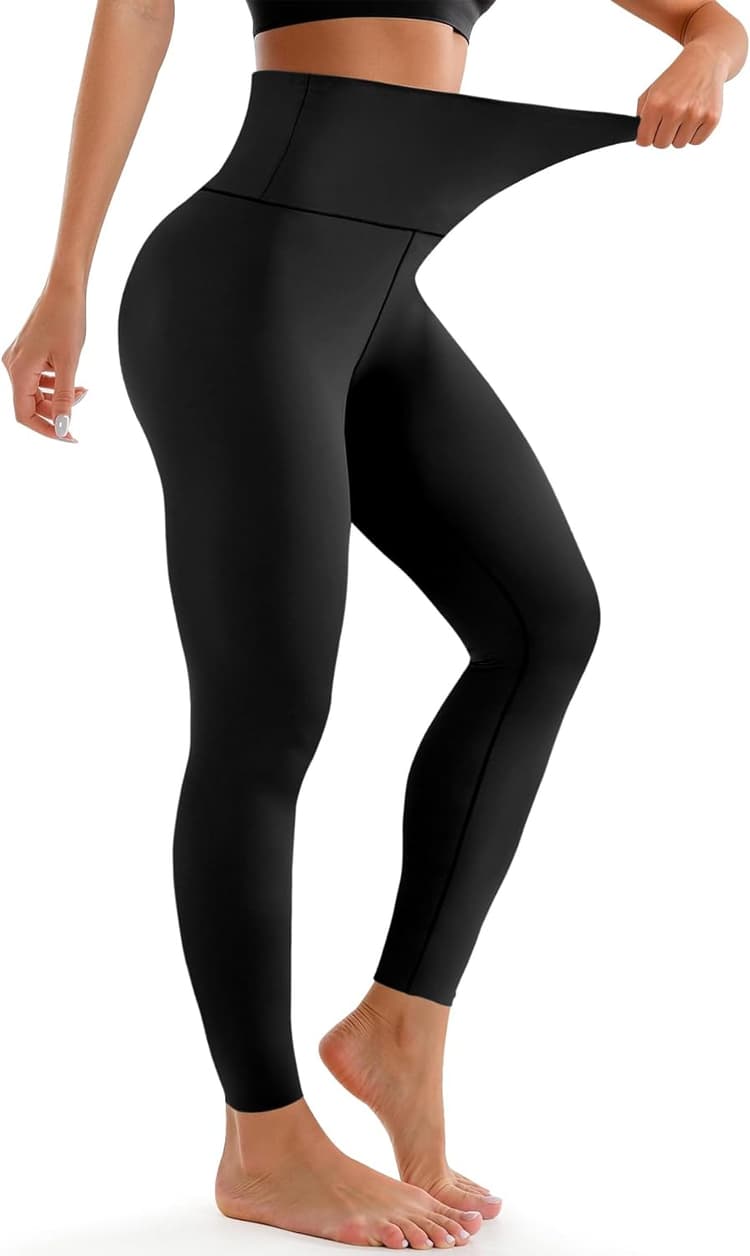
Porvike
$16.97
$19.97
-15 %
*
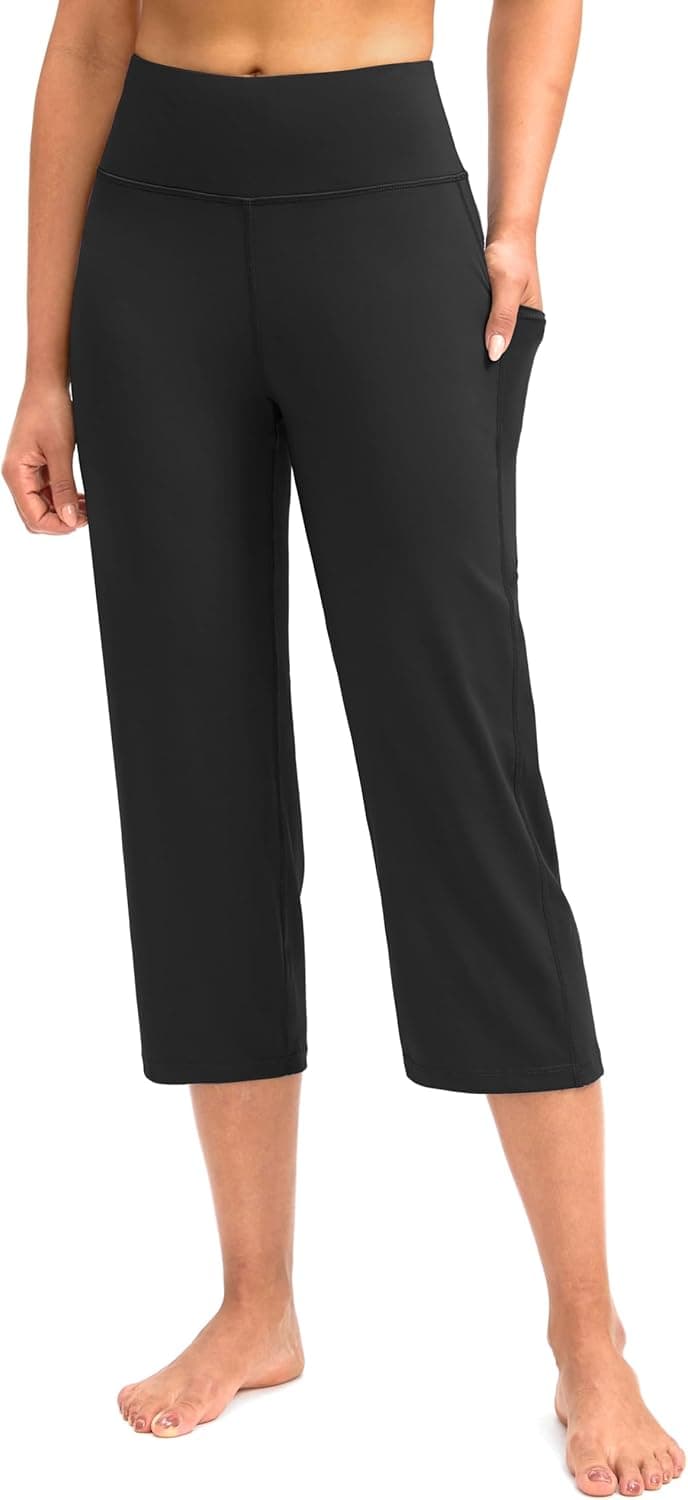
Laite Hebe
$6.77
$7.99
-15 %
*
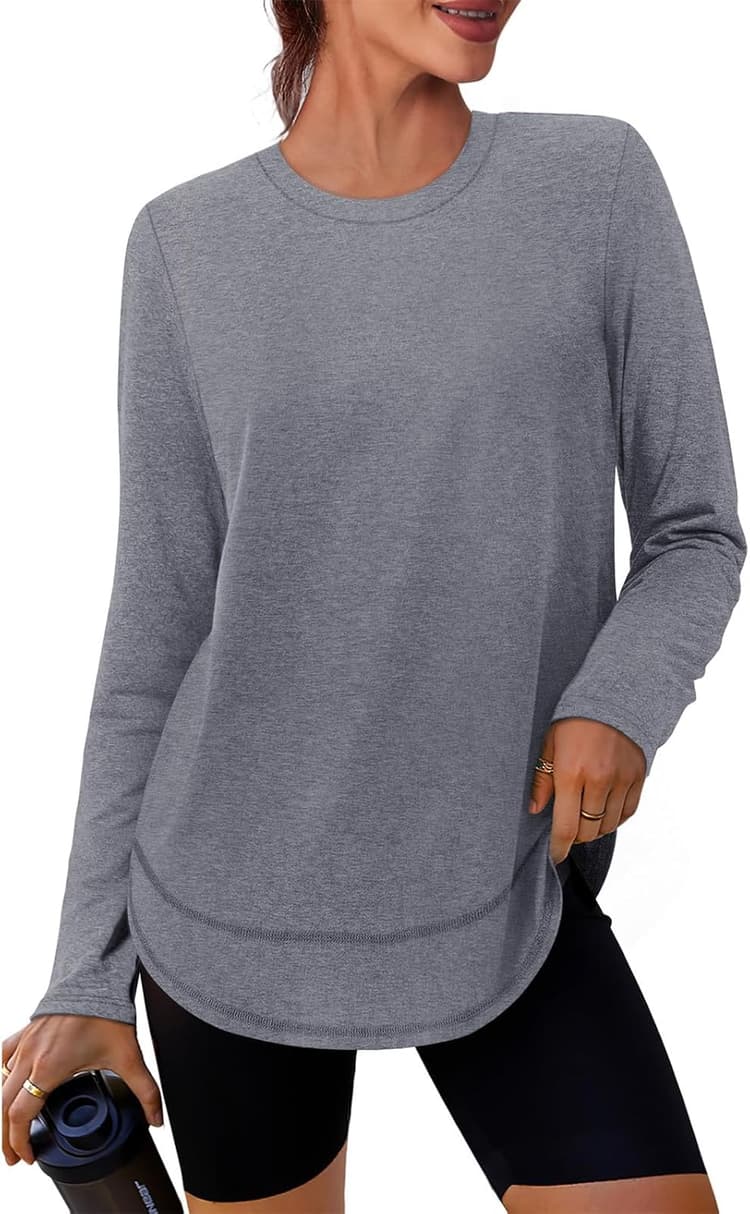
G Gradual
$24.64
$28.99
-15 %
*
XIEERDUO
$12.99
$14.99
-13 %
*Before buying, be precise about why you need activewear. A suitable choice depends on at least three parameters: activity type, intensity and training frequency.
Activity type: Requirements differ widely. Yoga favors stretch and freedom of movement, running needs moisture-wicking and support, weight training benefits from abrasion resistance and sometimes pockets or reinforcements. For mixed 'gym-to-street' use, choose versatile pieces with a clean silhouette.
Intensity and support: High-impact activities make sports-bra support a priority: structured cups, wide bands and secure straps reduce motion. For low- to moderate-intensity work like Pilates, breathability and comfort often matter more.
Frequency and care: If you train several times per week, select fabrics that dry quickly and tolerate frequent washing without losing elasticity. Occasional users can accept more delicate materials.
Practical steps:
Concrete example: a runner training four times weekly will favor fast-drying leggings, flatlock seams to reduce chafing and a high-support sports bra. Someone doing indoor yoga will opt for softer, slightly compressive fabrics that follow stretches.
Activewear prices reflect several technical and logistical factors. Knowing these helps judge whether a garment's price is justified.
Key price drivers:
Raw materials: Technical fabrics (higher-grade nylon/polyamide, resilient elastane, treated recycled fibers) cost more than basic synthetics. Finishes like water repellency, odor control or UV-protection add cost.
Manufacturing complexity: Flatlock seams, anatomical cuts, bonded panels and reinforcements require more labor and tooling. A legging with ergonomic panels will be pricier than a simple tubular knit.
Quality control and durability: Brands that invest in wear and wash testing often have higher prices but lower likelihood of repeat purchases.
Distribution and margins: Direct-to-consumer models reduce middle margins; products sold through specialty retailers or department stores include retail markups and display costs.
How to judge value:
Practical example: for running, investing moderately in breathable, chafe-resistant materials can prevent needing multiple cheap replacements.
Size and comfort are central to activewear choice. The right fit improves movement and prevents irritation.
Measurements and how to use them:
How to assess comfort when trying on:
Sports-bra specifics:
Practical tips:
Example: leggings intended for HIIT should fit snugly to avoid chafing but remain stretchy enough for deep squats.
Garment performance largely depends on fabric components and construction. Understanding materials and finishes helps predict comfort and longevity.
Common materials and characteristics:
Finishes and treatments:
Durability and care:
How to read a technical spec:
Concrete example: a high-intensity training legging will typically be a polyamide-elastane blend with moisture-wicking finish and a high fabric density to avoid transparency and extend wear life.
Comparing models means examining key features and imagining their impact during everyday use. Below are simple explanations for each criterion and field tests to try.
Essential features and how to interpret them:
Assessing everyday performance:
Comparison checklist:
Applied example: for an active commuter, opaque leggings with an interior pocket plus a lightweight water-repellent jacket offer a balanced solution for travel and workouts.
Beginners often choose based on looks rather than function. Here are common mistakes and practical, expert-level tips to avoid them.
Common errors:
Expert tips that are easy to use:
Final practical tip: create a simple priority list for your use case (for example: support > breathability > durability for running). This helps you filter models quickly and make decisions based on function rather than impulse.
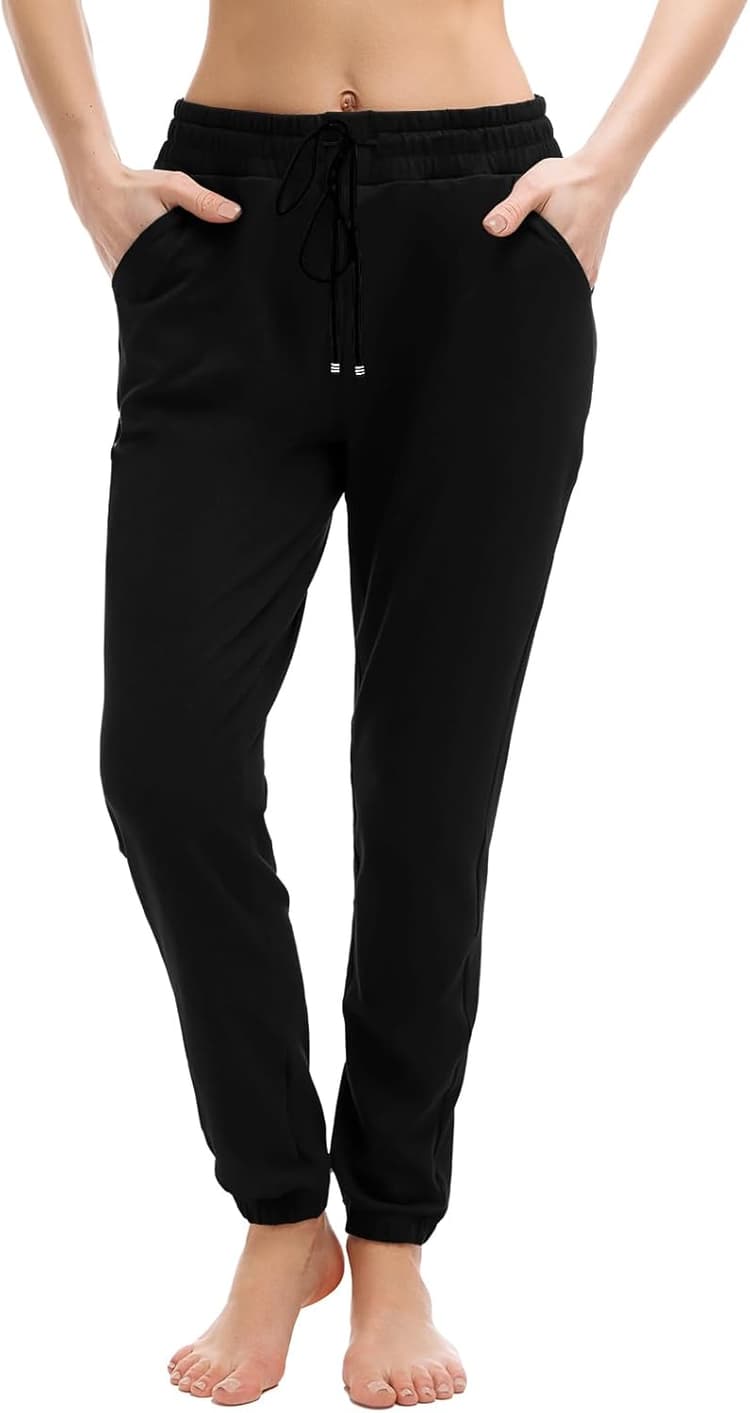
MAGCOMSEN
$9.97
$19.98
-50 %
*
Walifrey
$8.99
$9.99
-10 %
*COPYLEAF
$14.97
$19.99
-25 %
*THE GYM PEOPLE
$19.99
$26.99
-26 %
*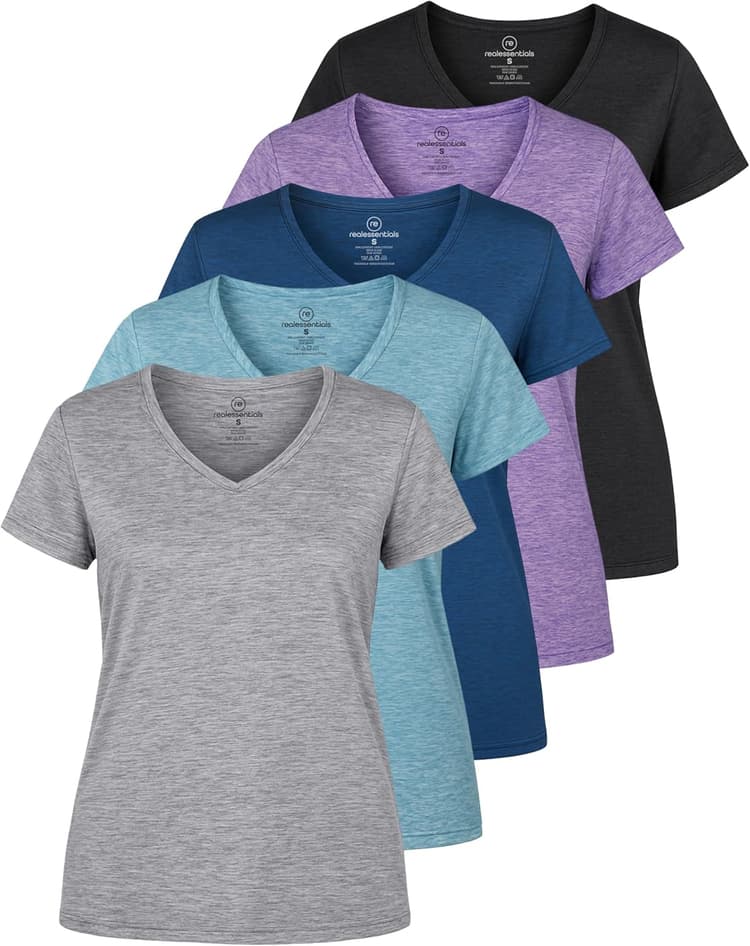
Real Essentials
$34.99
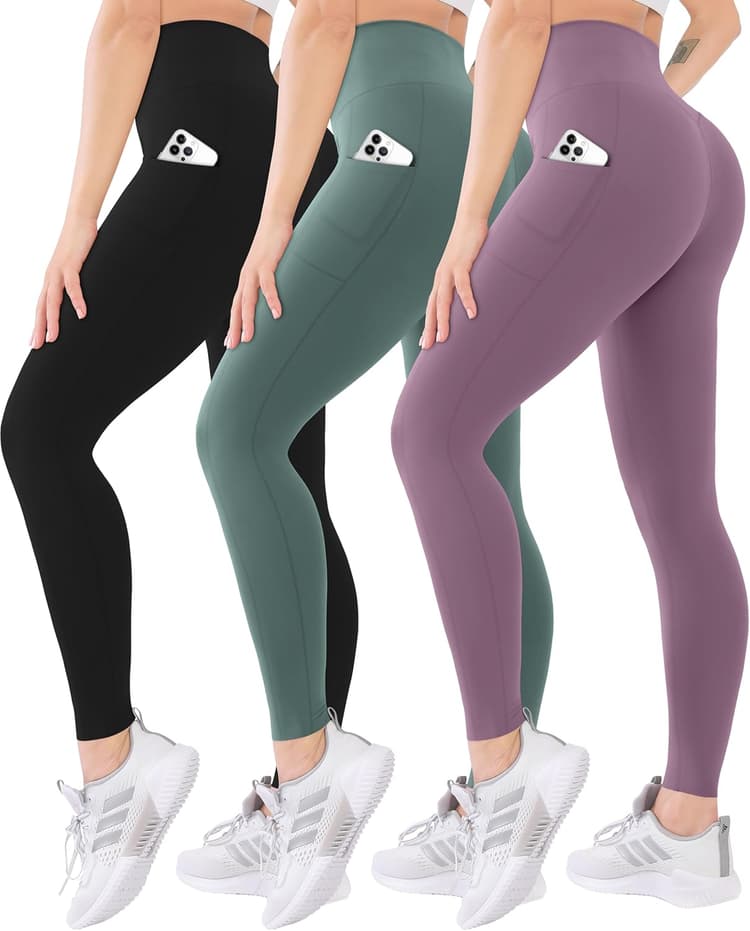
Porvike
$16.97
$19.97
-15 %
*
Blisset
$23.99
Laite Hebe
$6.77
$7.99
-15 %
*G Gradual
$24.64
$28.99
-15 %
*XIEERDUO
$8.27
$12.99
-36 %
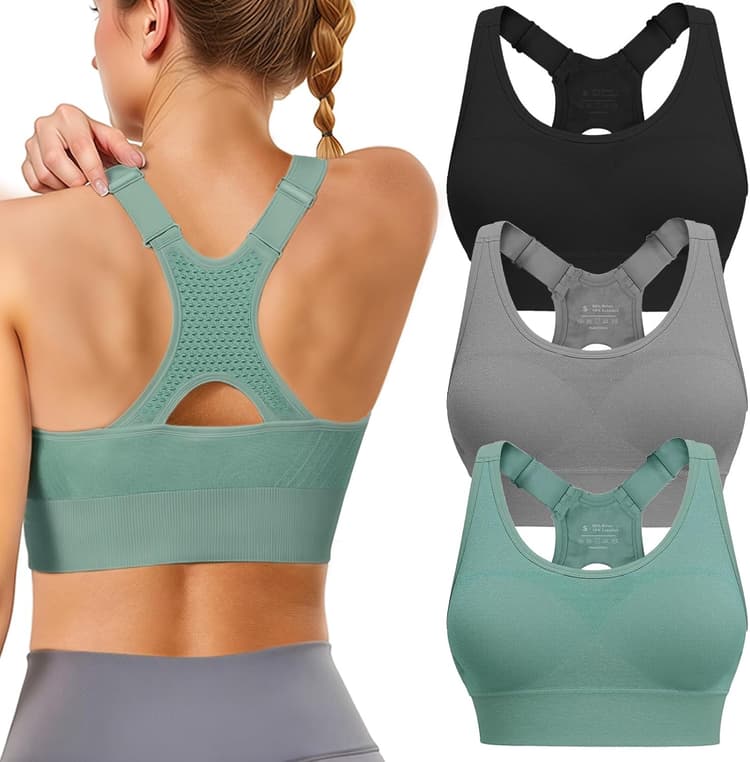
*XIEERDUO
$9.47
$12.99
-27 %
*
Tmeefee
$29.99
$32.99
-9 %
*Choosing suitable activewear follows a structured process: define intended use, analyze materials and finishes, measure and test fit, then compare features in real use. This method minimizes unsuitable purchases and extends garment life.
Key steps recap:
Quick pre-purchase checklist:
Applying these principles regularly helps you make more rational choices and acquire garments that better suit your routine. Remember that a piece's longevity depends as much on construction as on correct care.
Editorial choices: this guide is designed to be instructional and neutral. It does not endorse any brands and focuses on technical and practical criteria. Methodology: synthesis of public sources, general technical datasheets and user feedback. Limitations: the guide does not contain laboratory testing or systematic independent product trials. Recommendations are intended to support decision-making, but variations in cut and sizing between manufacturers may still require trying items on.
We advise checking size charts and reading user reviews for specific models. For concerns about textile treatments or special needs (allergies, sensitive skin), consult a professional or verify manufacturer certifications.
Our selections rely on independent analysis and hands-on testing, without commercial influence.
Clear comparison guides based on technical criteria and expert reviews.
We frequently revise articles to reflect new models and fashion trends.
Some links are affiliate: we may earn a commission and redirect you to trusted partner retailers.