
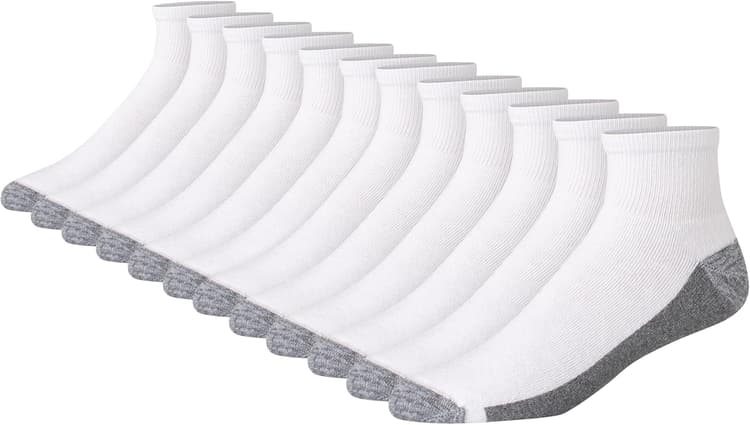
Hanes
Hanes Men's Max Cushioned Ankle Socks (Multipacks)
★★★★☆4.7
$16.99
$22.65
-25 %
*
Product analyst covering fabric tech, fit advice, and budget-friendly finds.

This pedagogical guide explains how to make informed decisions when buying underwear and socks. Rather than recommending specific products, it teaches a method to identify priorities and evaluate features that matter: comfort, longevity, budget, and intended use. You will learn to assess your needs for different activities and climates, interpret fabric labels, and measure for a fit that lasts. The guide also clarifies what drives price variations and highlights common beginner mistakes.
The approach is practical: define objectives (support, thermal regulation, aesthetics), translate them into material and construction criteria, and use simple checks to assess fit and everyday performance before committing to keep items. Each section uses concrete examples and step-by-step checks so you can compare options without getting lost in marketing language.
Treat this guide as a checklist for both in-store and online purchases. If you have medical requirements or extreme conditions, seek specialized advice in addition to the steps here. Otherwise, follow the outlined process to convert vague preferences into clear, repeatable buying decisions.
Hanes
$16.99
$22.65
-25 %
*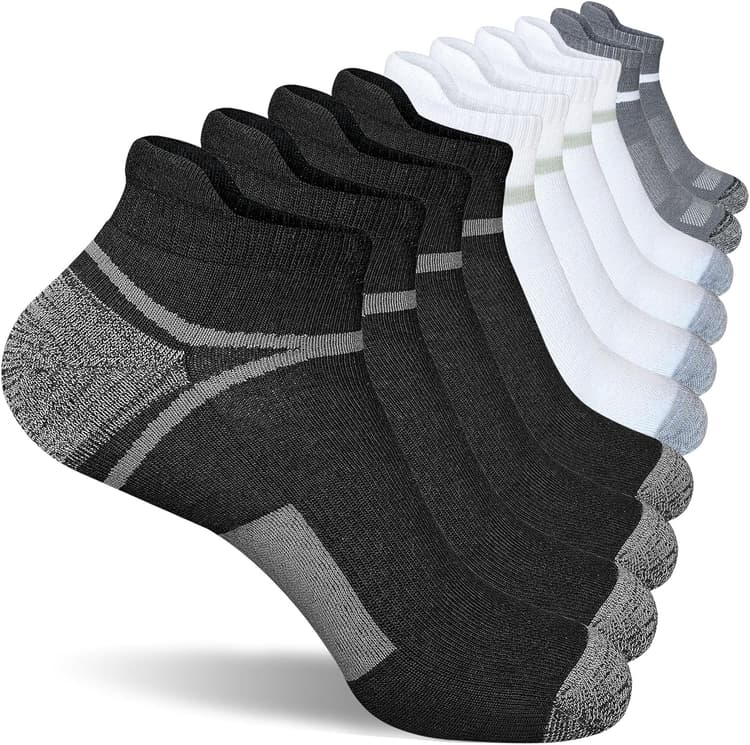
suaskk
$13.97
$17.95
-22 %
*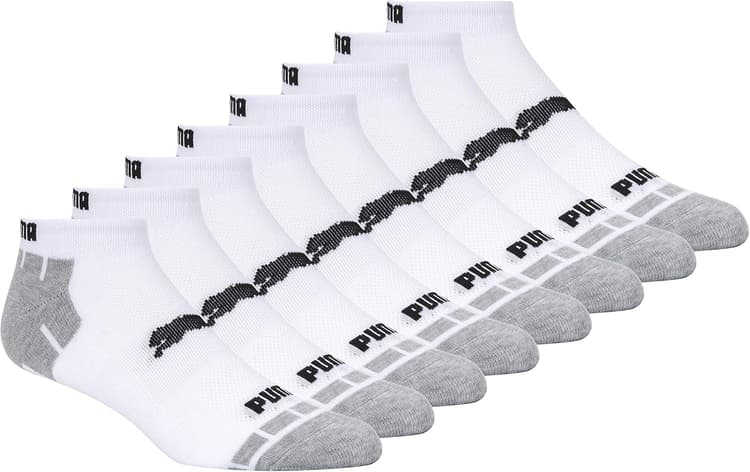
PUMA
$16.00
$20.00
-20 %
*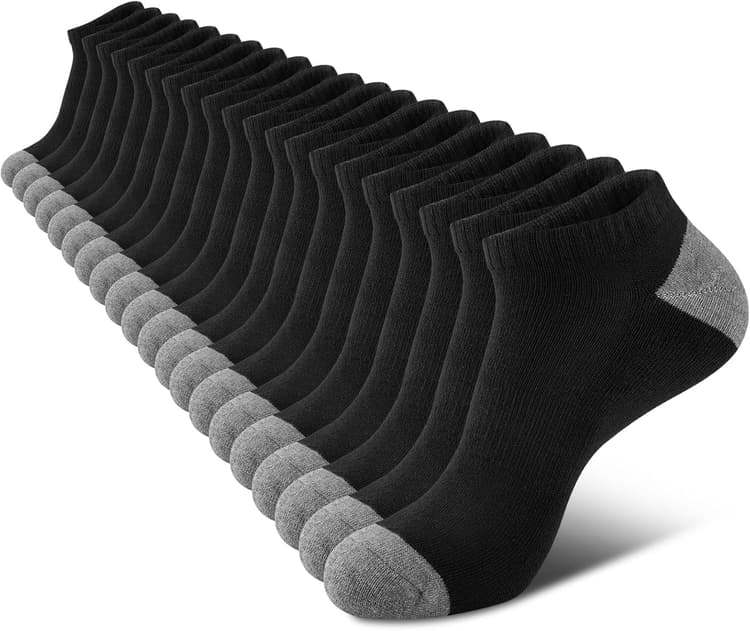
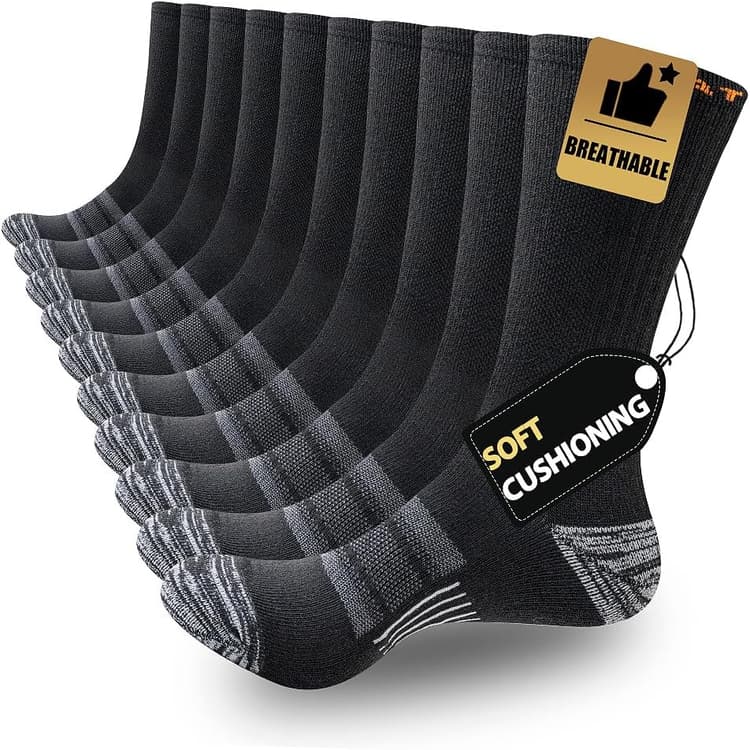
COOVAN
$14.99
$17.99
-17 %
*
JOYNÉE
$8.99
$9.99
-10 %
*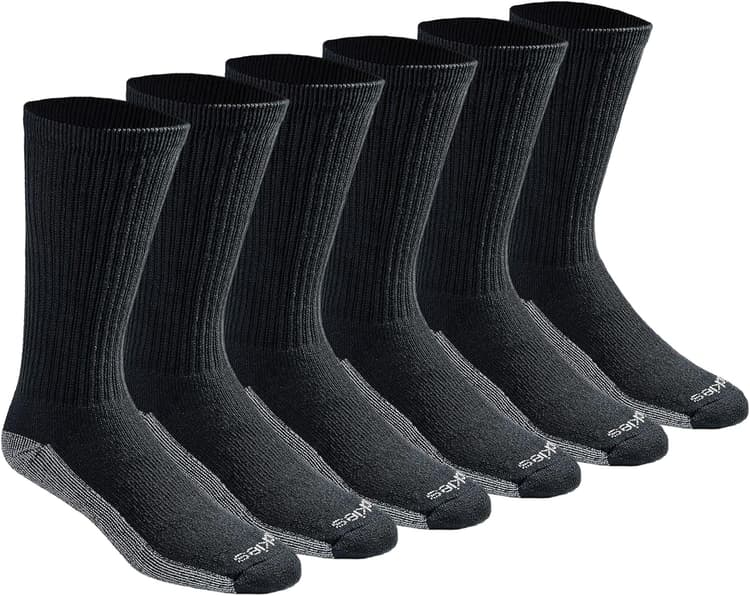
Dickies
$15.00
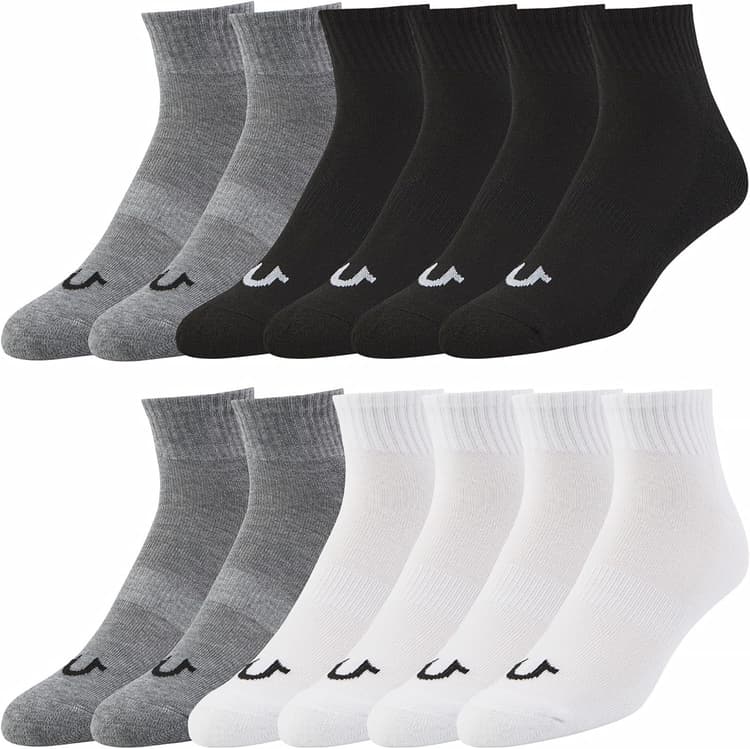
True Religion
$14.99
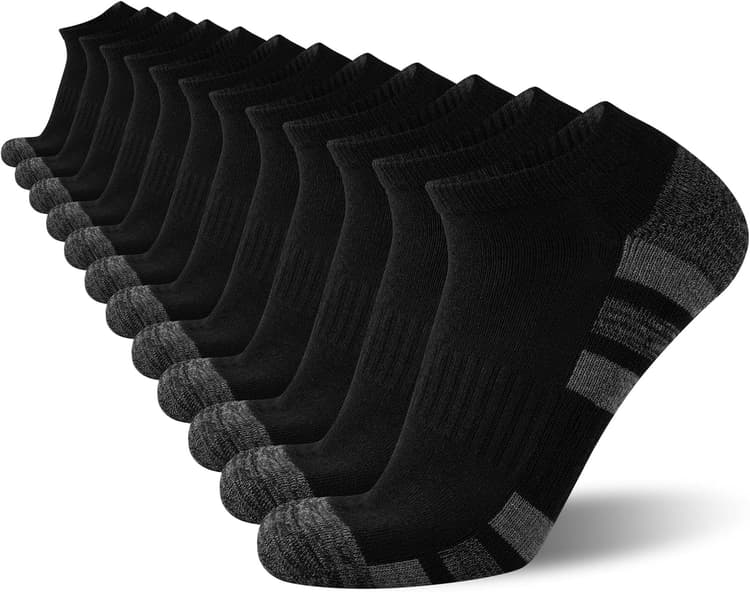
COOVAN
$13.99
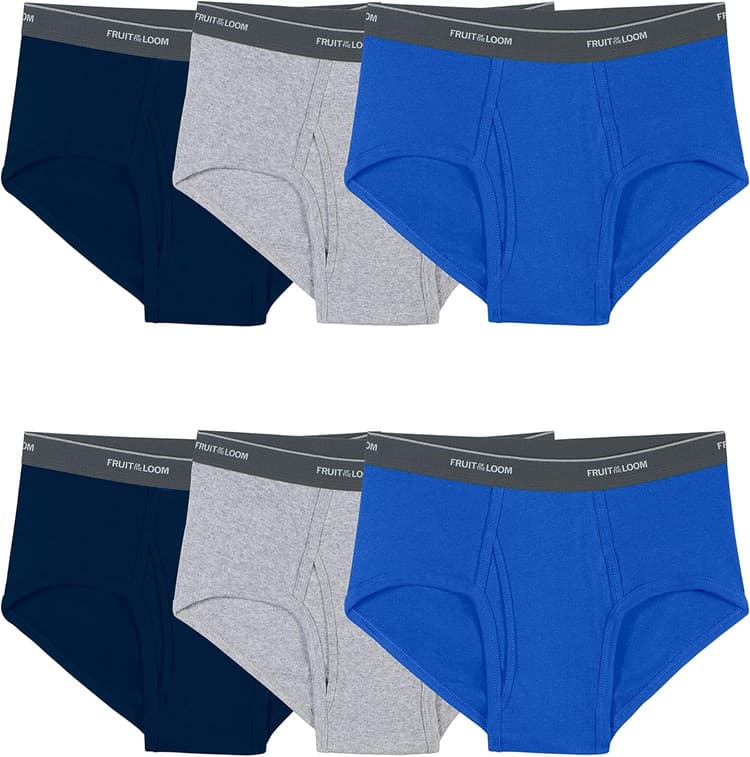
Fruit of the Loom
$19.98
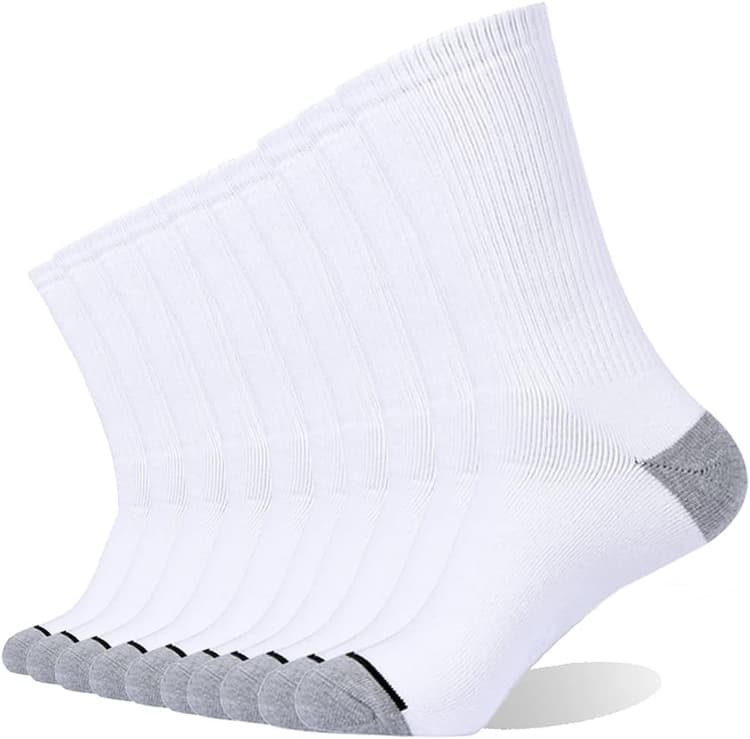
EnerWear
$19.99
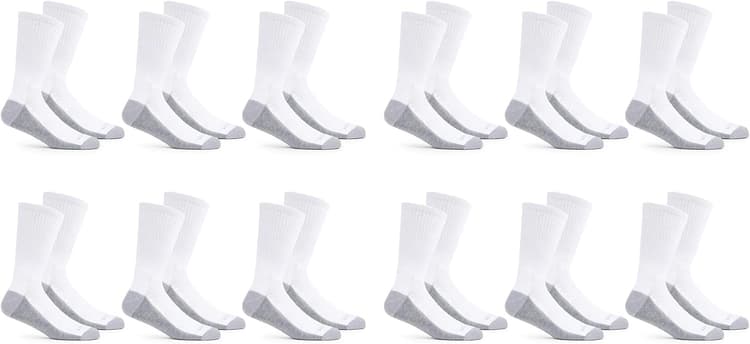
Fruit of the Loom
$26.97
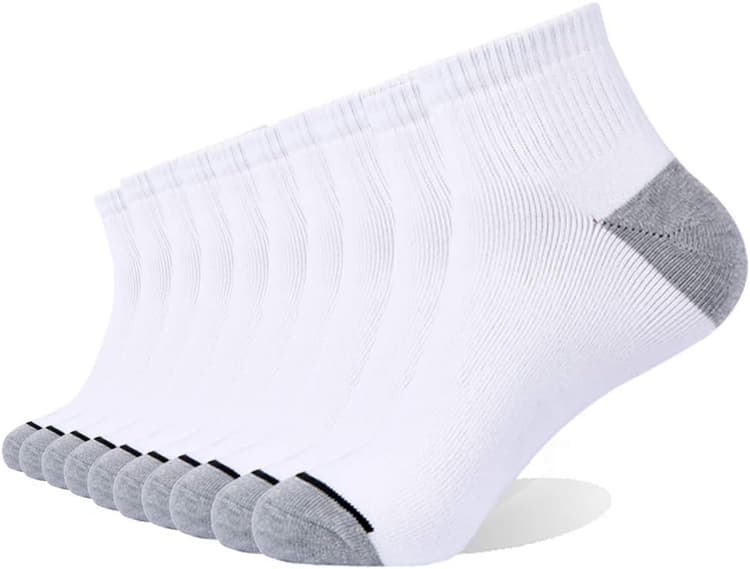
EnerWear
$19.99
Start by mapping the contexts where you will wear the item. A runner's priorities differ from a desk worker's. Ask and record the following before shopping.
Concrete example: for cycling in hot weather choose socks with moisture-wicking technical fibers, flat seams to avoid hot spots, and light compression for foot stability. For home comfort, soft cotton and a relaxed fit may be sufficient.
Rank these criteria by importance. Use that ranking as a filter: match each product feature to a real need. This process prevents purchases driven solely by price or looks and leads to a better utility-to-cost decision.
Prices for underwear and socks reflect several tangible factors. Identifying them helps decide whether a higher price is justified for you.
Main drivers of price:
How to judge if a price is justified:
In short, tie price to expected utility and lifespan to decide whether the premium is worth it for your priorities.
Size and comfort are the most common sources of dissatisfaction. Basic rule: measure, interpret labels, then run simple fit tests.
Steps to measure and verify:
Practical examples:
Limits and trade-offs:
Following these steps reduces the chance of returns and long-term discomfort.
The performance of underwear or socks starts with materials and how they are constructed.
Main fiber families and their traits:
Construction and weak points:
Care and longevity:
Evaluation example:
A boxer blending modal and elastane with reinforced zones and flat seams offers a good balance of comfort and durability for daily wear, whereas a 100% cotton item without reinforcement will wear faster under heavy use.
Conclusion: understanding fiber properties and construction logic lets you estimate lifespan and choose appropriate care, making your purchase decision more rational.
When comparing options, focus on a few simple, measurable features. Use these benchmarks to interpret product descriptions into practical criteria.
Support and hold:
Breathability and moisture control:
Finish and seams:
Durability and care:
Aesthetics and invisibility:
Simple comparison process:
Example: compare two sport boxers: A has more elastane and flat seams; B has reinforced panels but less stretch. If freedom of movement is your priority, A fits better; for long sessions and abrasion resistance, B is preferable.
This method converts marketing descriptions into concrete decision inputs.
Assessing everyday performance means observing comfort, fit retention, and care over multiple uses. Below are simple tests, common beginner mistakes, and practical expert tips.
How to check performance:
Common beginner mistakes:
Accessible expert tips:
Example: an amateur athlete rotating five pairs of technical socks will reduce wear and enjoy better hygiene than someone who repeatedly replaces cheap socks as they fail.
Limits: these are general recommendations; medical or professional needs require certified solutions. Use the step-by-step method here to adapt advice to your situation.
Dickies
$15.00
PUMA
$16.00
$20.00
-20 %
*Hanes
$16.99
$22.65
-25 %
*suaskk
$13.97
$17.95
-22 %
*True Religion
$14.99
COOVAN
$13.99
Fruit of the Loom
$19.98
COOVAN
$14.99
$17.99
-17 %
*EnerWear
$19.99
Fruit of the Loom
$26.97
EnerWear
$19.99
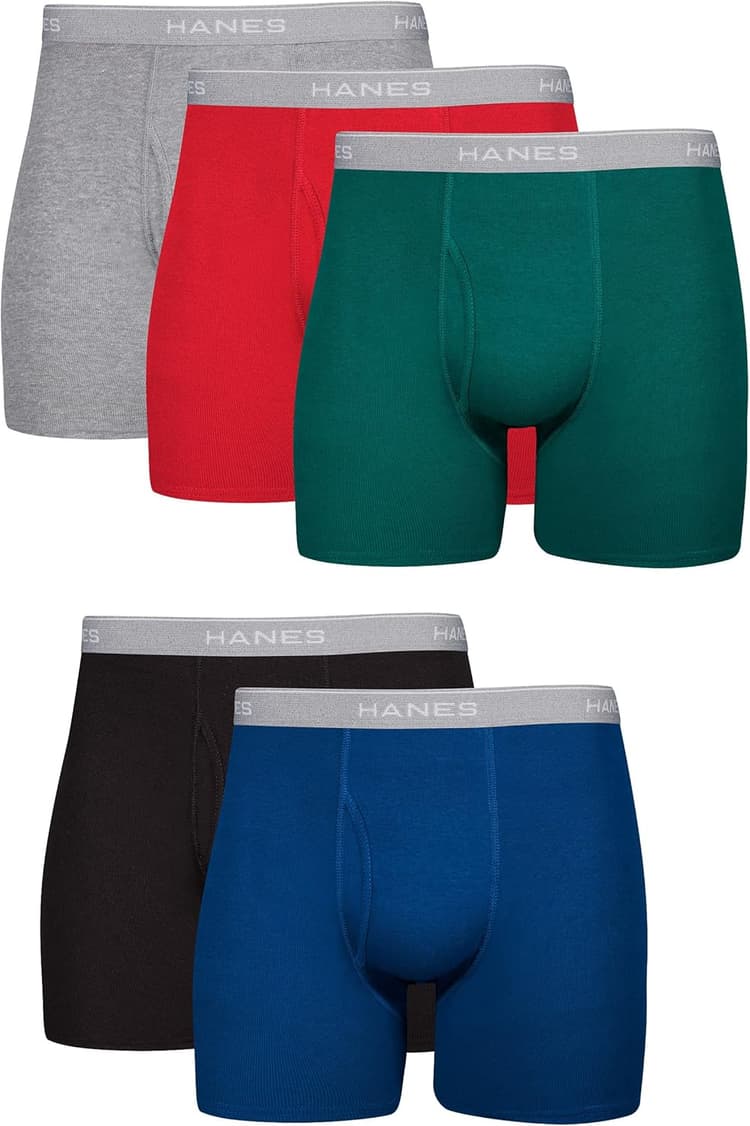
Hanes
$27.82
Selecting underwear and socks is manageable with a structured approach. First, define needs by use, season, and frequency. Match those priorities to materials and construction: technical fibers for sport, soft blends for everyday comfort, and reinforcements where wear is expected. Measure and test fit rather than relying on appearance, and use cost-per-wear to judge value.
Remember price reflects materials, production methods, and brand positioning but does not replace functional analysis. Adopt rotation, follow care instructions, and run real-world tests before investing in a larger wardrobe. Avoid common errors such as ignoring size charts or picking solely on price.
This guide aims to make you self-sufficient: convert preferences into measurable criteria and apply the steps here to make repeatable choices. For special medical or professional needs, supplement this framework with specialized advice.
This guide is designed to offer a neutral, educational method for purchasing decisions. It does not list specific products or prices. Advice is based on technical principles and practical best practices, not on lab tests conducted for this document. Any commercial links on the publication page will be clearly disclosed and do not influence the methodology presented. For personalized recommendations or medical needs, consult a specialist.
Our selections rely on independent analysis and hands-on testing, without commercial influence.
Clear comparison guides based on technical criteria and expert reviews.
We frequently revise articles to reflect new models and fashion trends.
Some links are affiliate: we may earn a commission and redirect you to trusted partner retailers.