
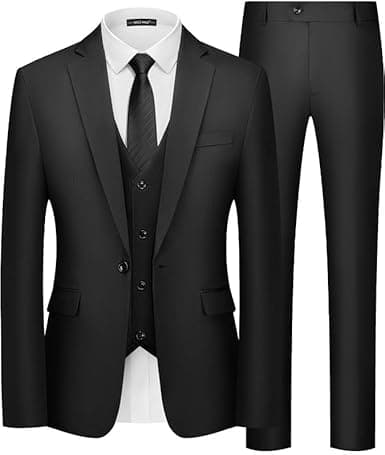
MAGE MALE
MAGE MALE Men's 3 Piece Suit Slim Fit One Button Business Wedding Formal Blazer Jacket Vest Pants Set
★★★★☆4.3
$52.98
$89.99
-41 %
*
Product analyst covering fabric tech, fit advice, and budget-friendly finds.

This guide provides a practical roadmap to select a suit or formal outfit that matches both everyday requirements and occasional needs (weddings, interviews, formal meetings). It is not a product ranking or review; instead it provides tools to analyze use cases, understand technical features, and make decisions based on budget and body shape.
You will find sections on assessing needs, understanding price levels, choosing size and comfort, selecting materials for durability, comparing essential features, and evaluating daily performance. Each section includes concrete criteria, red flags to watch for, and hands-on examples — for instance, how worsted wool behaves differently from a polyester blend in drape and resilience.
The tone is comprehensive and evidence-based so you can apply the advice in-store, online, or when consulting a tailor. Start with a needs assessment: frequency of wear, local climate, and required formality determine much of the final choice.
MAGE MALE
$52.98
$89.99
-41 %
*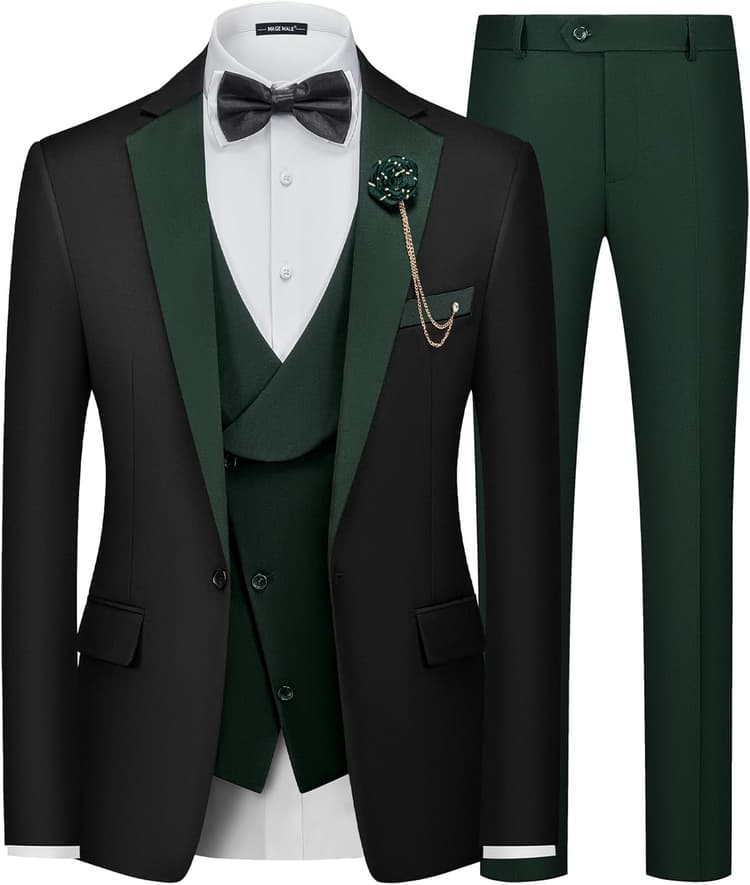
MAGE MALE
$63.99
$89.99
-29 %
*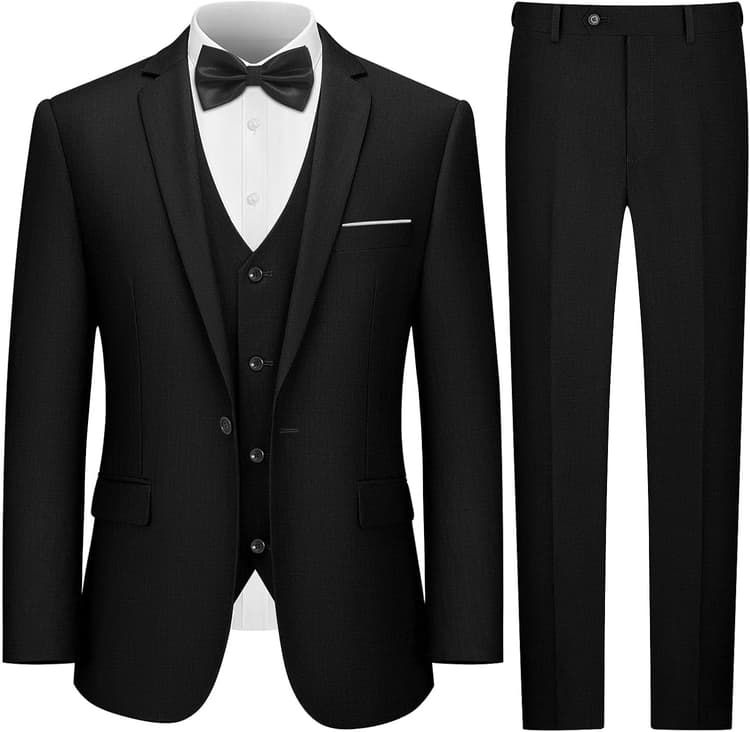
LUPURTY
$55.49
$69.99
-21 %
*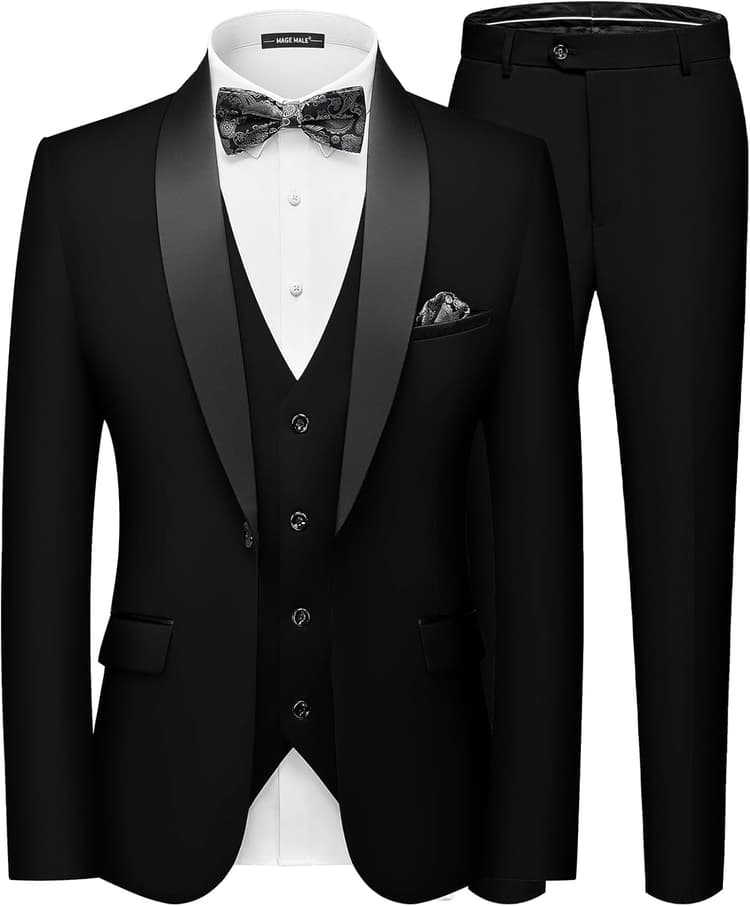
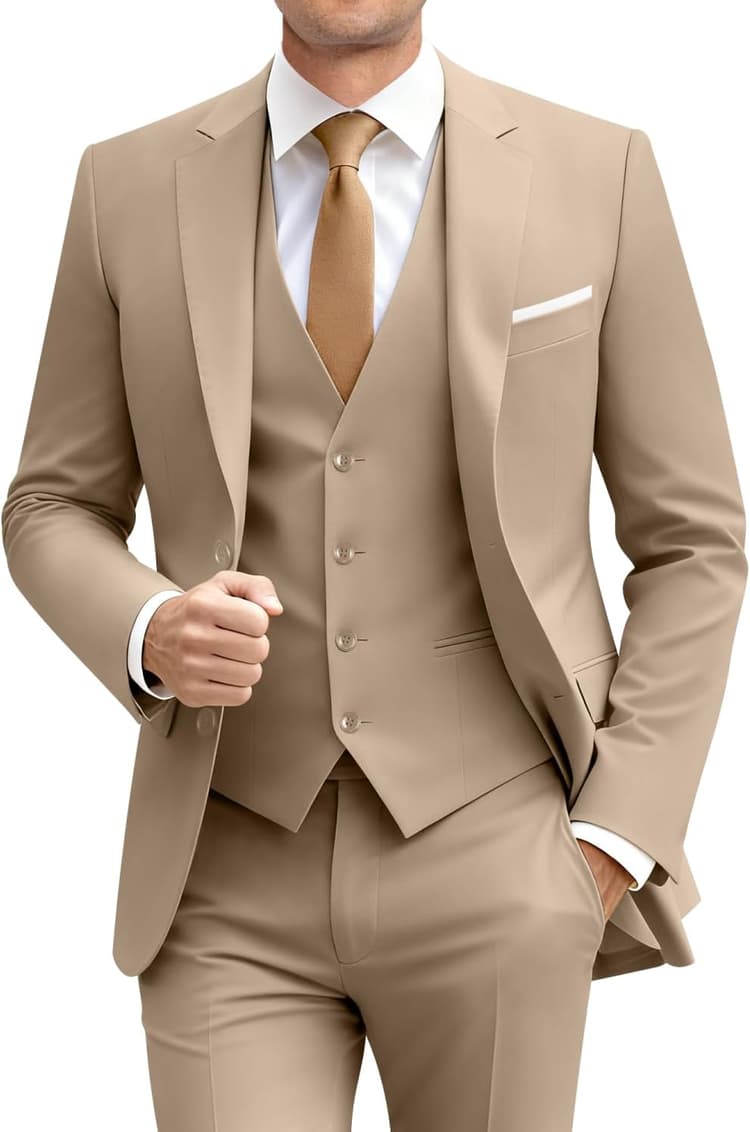
MAGE MALE
$82.99
$99.99
-17 %
*
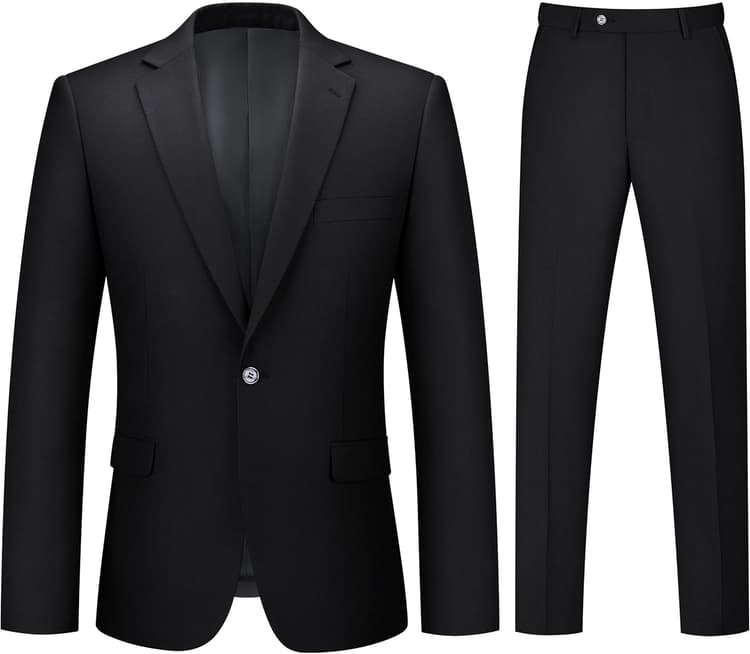
Lynerun
$69.29
$78.99
-12 %
*
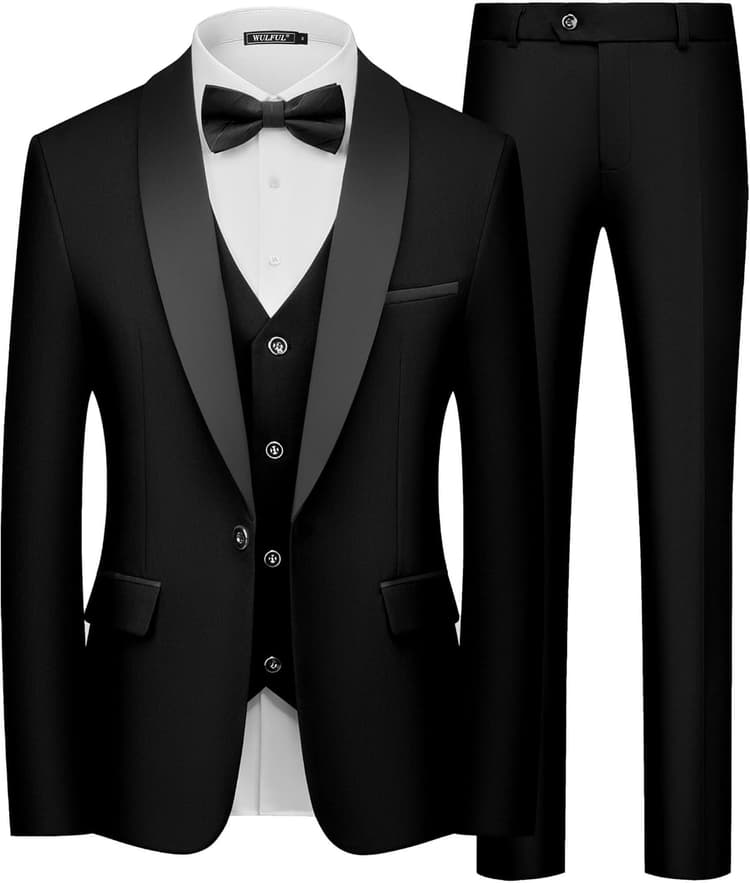
LORENZO BRUNO
$64.90
$72.89
-11 %
*
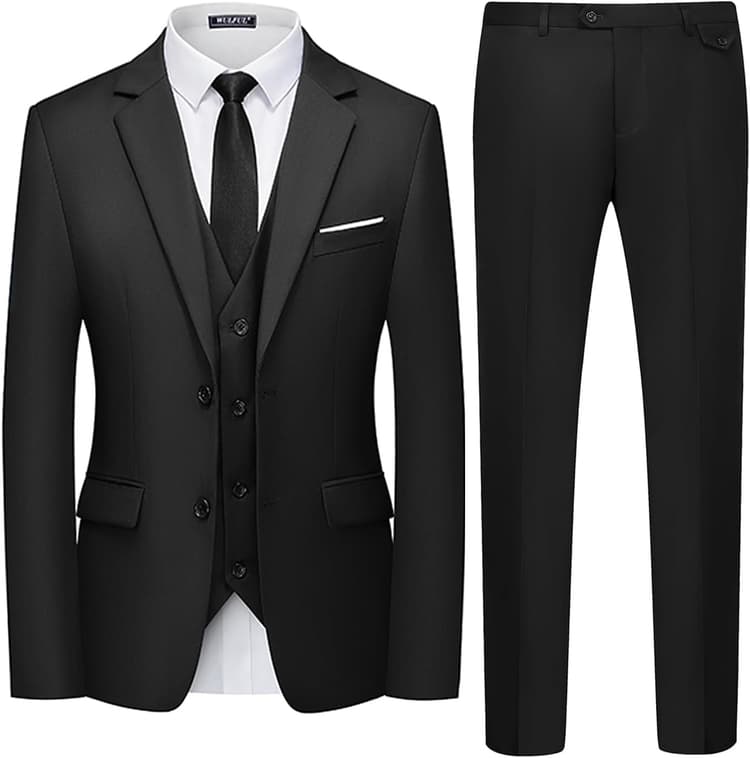
WULFUL
$65.99
$72.99
-10 %
*
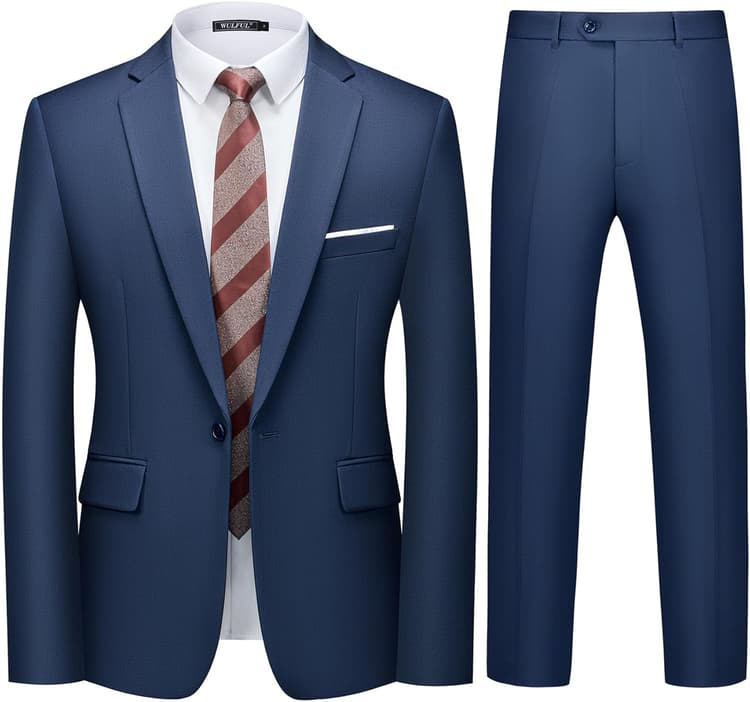
WULFUL
$56.84
$63.16
-10 %
*
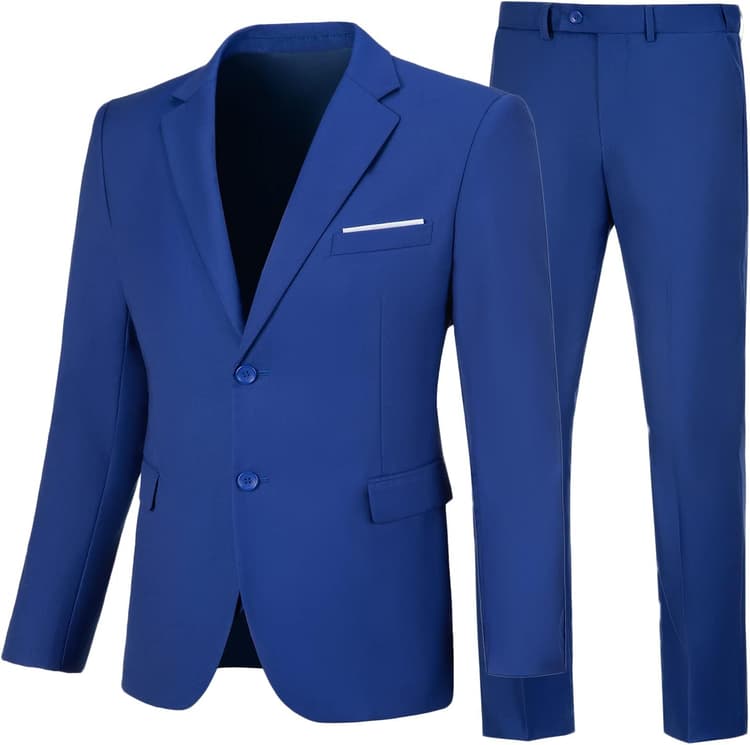
WULFUL
$48.59
$53.99
-10 %
*
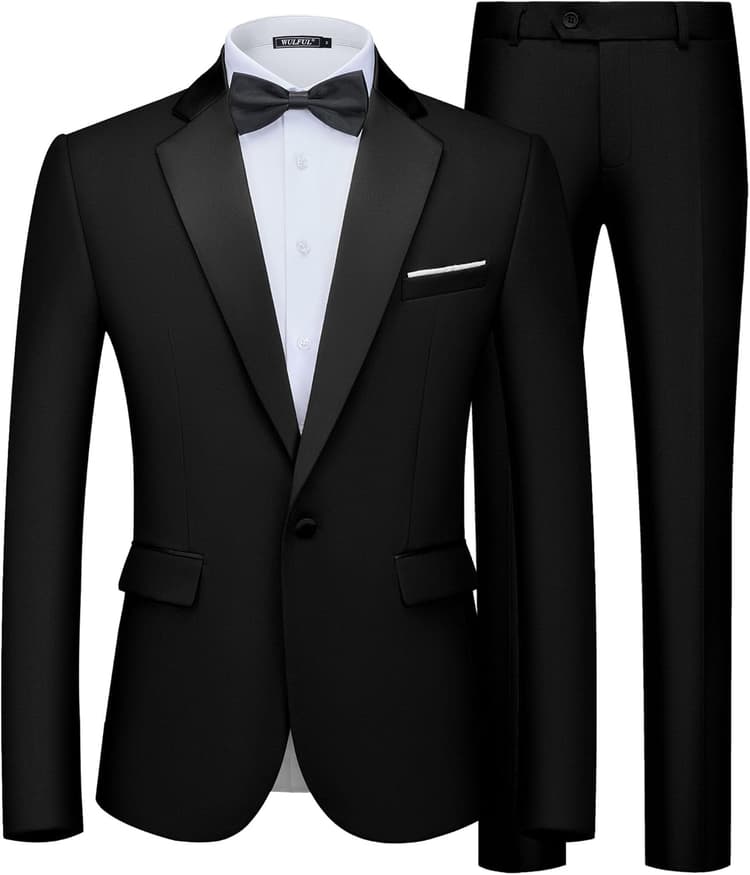
Elionm
$48.95
$54.39
-10 %
*
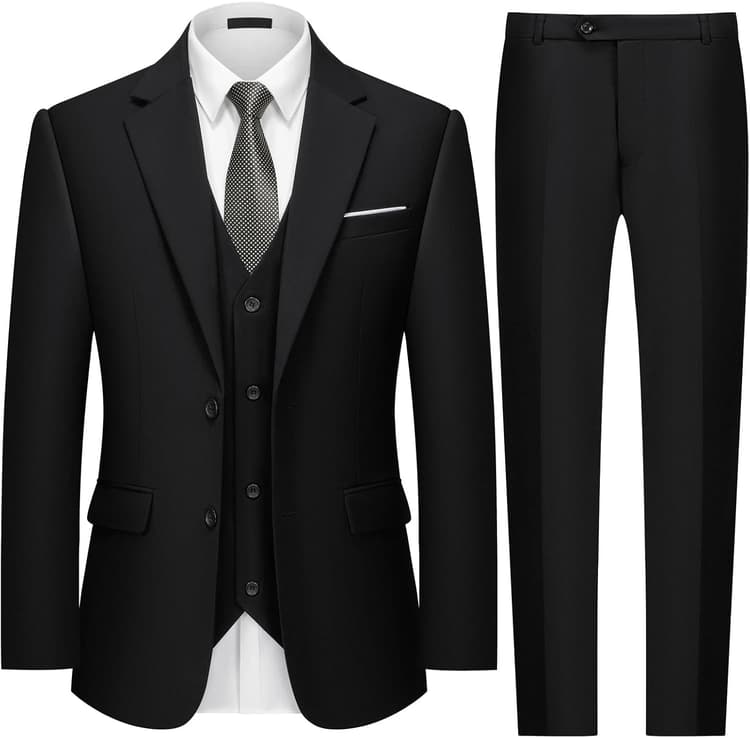
WULFUL
$51.29
$53.99
-5 %
*
MAGE MALE
$59.84
$62.99
-5 %
*First systematic step: clarify why you are buying a suit or formal outfit. Ask pragmatic questions and record answers before trying anything on. Key points to consider:
Concrete examples: for a lawyer in a firm, a worsted wool suit with robust canvassing and a dark color is more appropriate than a loosely woven blend. For an event producer in summer, a linen or lightweight blended suit with a relaxed structure will reduce heat stress.
Practically, create a short checklist with these criteria and rank them. This helps eliminate unsuitable models quickly and focuses fitting sessions on relevant options.
Price differences among suits can seem opaque, but they stem from concrete factors. Understanding these drivers helps align budget with expectations.
Key takeaway: do not equate higher price with suitability. A low-cost suit that is well altered and made of reasonably robust fabric may outperform an expensive but poorly fitted suit for heavy use. Conversely, for ceremonial wear, investing in canvassing and quality cloth enhances sharpness and longevity.
Fit and cut determine both the look and comfort of a suit. Key measurements to check during fitting:
Alterations: expect most suits to need tailoring. Common adjustments are sleeve length and trouser waist/tapering. Avoid buying a size too small to hide fit issues; it disrupts overall proportions.
Thermal comfort and lining: a breathable lining improves comfort for extended wear. For frequent use, favor a slightly roomier cut rather than an extremely slim fit that becomes uncomfortable after a few hours.
Fabrics determine care needs, drape, and longevity of a suit. A practical overview of common options and their implications:
Construction and durability: a canvas interlining in wool or cotton provides shape memory and resilience; fused suits delaminate over time, especially under heat or humidity. Inspect internal stitch quality, shoulder pads and lining attachment.
Care and lifespan: limit dry-cleaning frequency; routine brushing, airing and rotating suits extend fabric life. For daily wear, plan several suits in rotation to allow cloth to rest.
Summary: select fabric based on use and climate. For a professional wardrobe, favor worsted wool or high-quality blends; for summer, opt for linen or lightweight blends while accepting different maintenance.
When comparing models, focus on a handful of technical features that directly affect appearance and longevity. Simple explanations for each:
How to prioritize: for multiple-days-per-week wear, prioritize canvassing and fabric quality. For occasional summer wear, favor breathability and lightness. Take notes during fittings and compare these features against your needs checklist.
A good suit must deliver on everyday promises: comfort, resilience, maintenance ease and adaptability. Here's how to check these criteria practically:
Evaluation example: wear the jacket for at least 10 minutes in-store, sit and mimic common movements. Note comfort and friction points. Everyday performance is proven through fitting and material understanding.
Many buyers make avoidable mistakes. Spot them so you don't end up with an ill-suited suit.
Practical fix: before buying, list three non-negotiables (e.g., shoulders fit, breathable fabric, amenable to alterations). If a model fails any of these, it is probably not the right choice.
Some practical recommendations drawn from professional experience, explained clearly:
These tips aim to maximize purchase value without extravagance. Combining smart priorities (fabric, canvassing, tailoring) markedly improves both durability and appearance of formalwear.
WULFUL
$65.99
$72.99
-10 %
*MAGE MALE
$82.99
$99.99
-17 %
*WULFUL
$56.84
$63.16
-10 %
*WULFUL
$51.29
$53.99
-5 %
*WULFUL
$48.59
$53.99
-10 %
*MAGE MALE
$59.84
$62.99
-5 %
*LORENZO BRUNO
$64.90
$72.89
-11 %
*LUPURTY
$55.49
$69.99
-21 %
*Lynerun
$69.29
$78.99
-12 %
*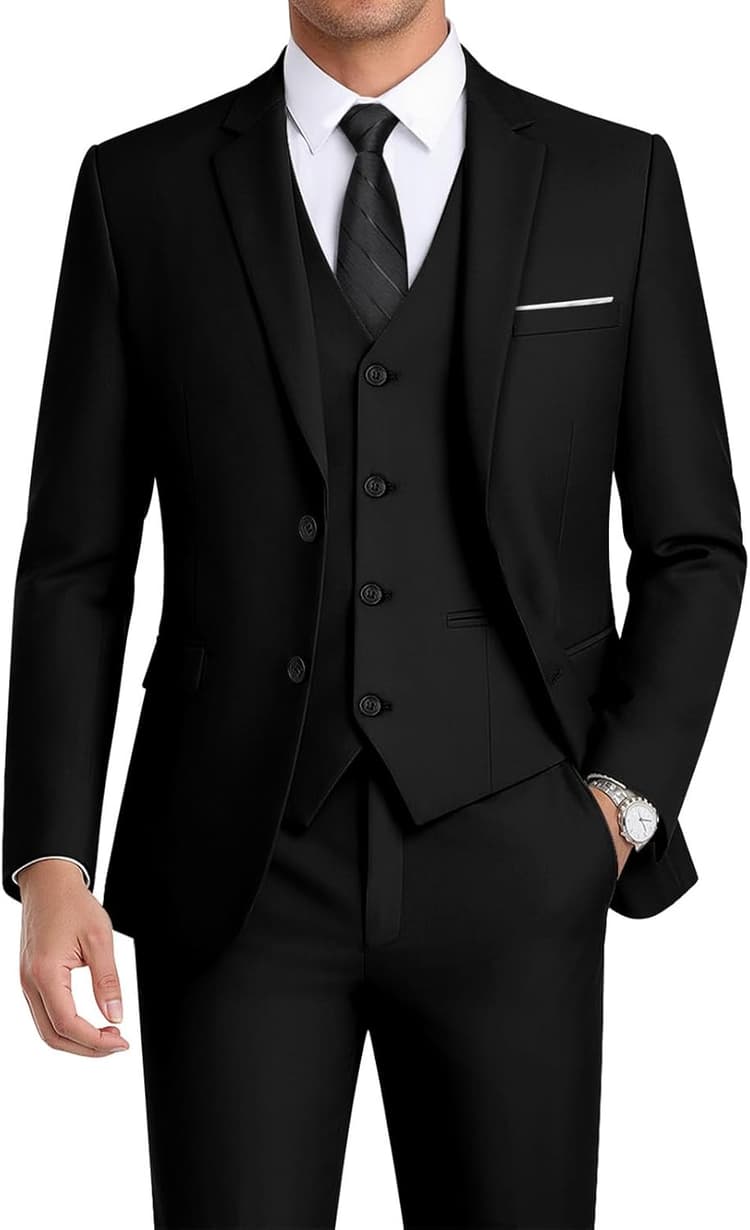
WEEN CHARM
$59.84
$62.99
-5 %
*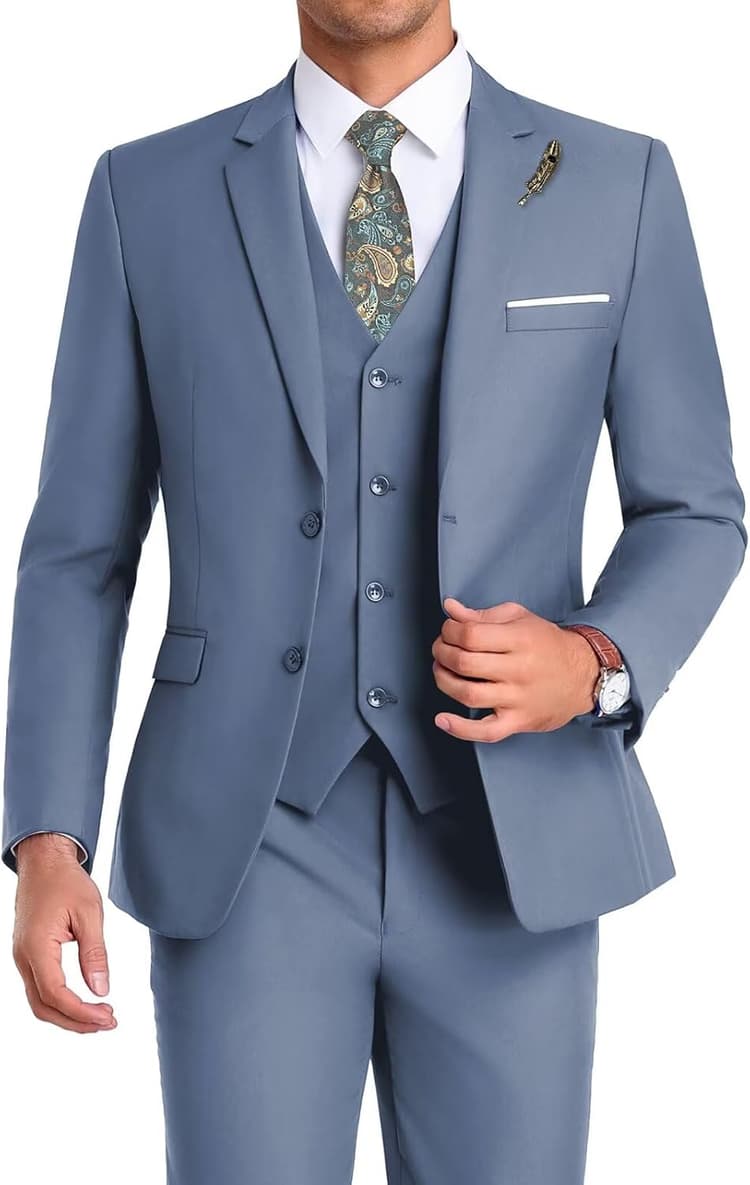
High-End Suits
$81.46
$85.75
-5 %
*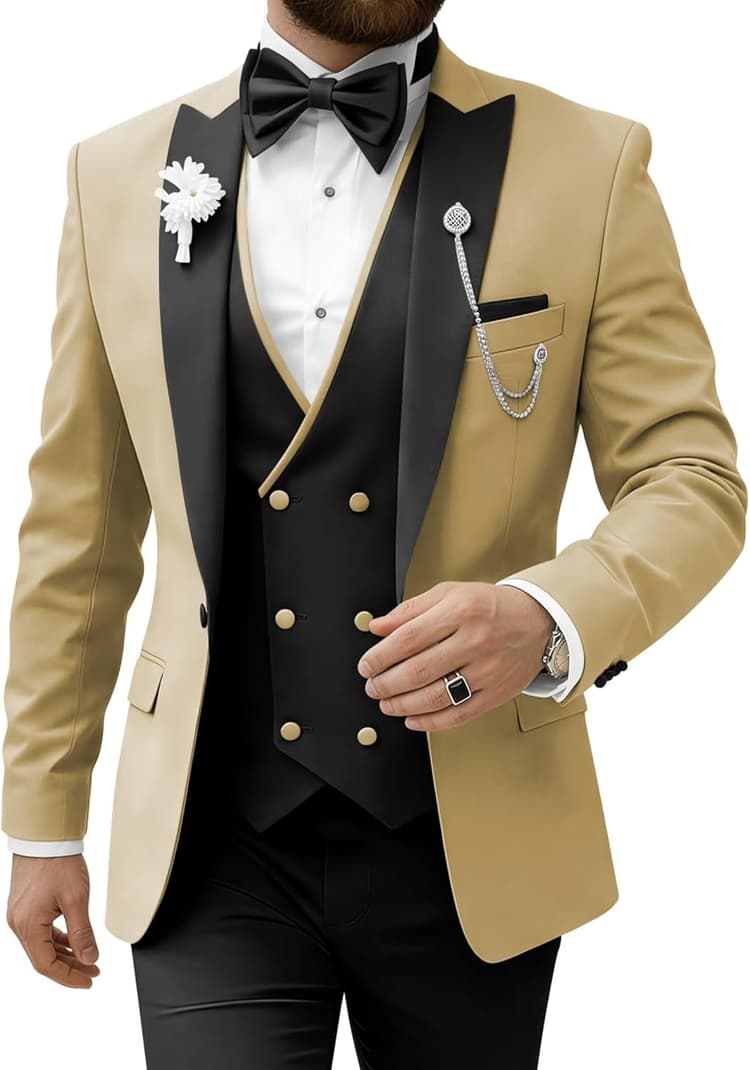
TUXBURNTXZ
$89.99
Selecting a suit or formal outfit requires a structured approach: define the intended use, prioritize criteria (fabric, canvassing, fit), check adjustments, and plan for alterations. Instead of fixating on price, seek alignment between fabric, construction and your maintenance and mobility needs.
A practical habit is to create a short buying sheet listing purpose, climate, formality level and three non-negotiable requirements. During fitting, simulate everyday movements and budget for tailoring. For frequent wear, favor durable fabrics and canvassed construction; for occasional wear, prioritize cut and aesthetic.
Finally, regular care and rotating garments extend the life of your investment. Avoid classic mistakes like buying the wrong size or choosing fabric unsuitable for the climate. Following the method outlined here will help you choose formalwear that balances comfort, longevity and appearance according to real needs.
This guide was written to offer a neutral, fact-based buying methodology. Recommendations are grounded in technical criteria and practical experience (fittings, inspection of finishes, routine maintenance), with no promotion of brands or specific products. Advice considers varied use cases and offers solutions adaptable to budgets and climatic constraints. Alteration and care suggestions reflect common practices among tailors and specialized workshops.
Our selections rely on independent analysis and hands-on testing, without commercial influence.
Clear comparison guides based on technical criteria and expert reviews.
We frequently revise articles to reflect new models and fashion trends.
Some links are affiliate: we may earn a commission and redirect you to trusted partner retailers.