
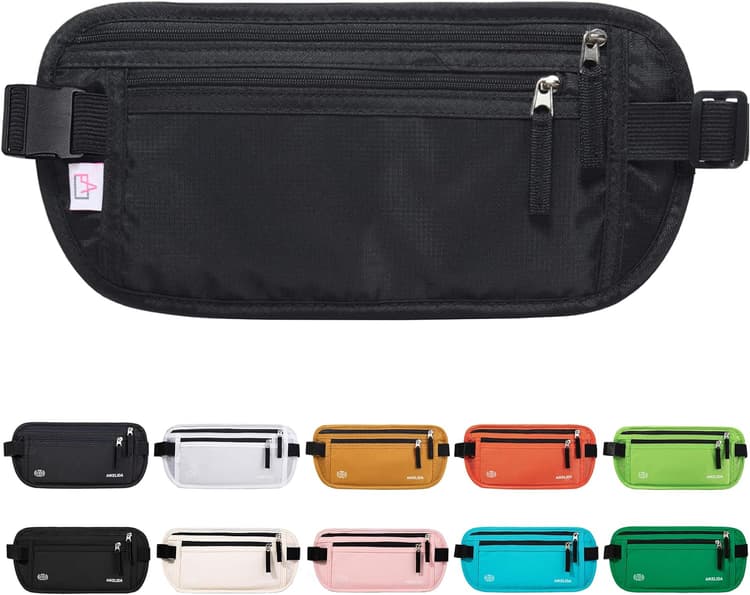
AIKELIDA
Money Belt Passport Holder for Women Men - Secure Hidden Travel Wallet Fanny Pack with RFID Blocking
★★★★☆4.4
$6.95
$14.95
-54 %
*
Senior editorial writer specializing in clothing reviews, style guides, and deals.

This guide is designed to help you make informed choices when buying two everyday accessories that are often underrated: the belt and the wallet. Beyond aesthetics, these items affect comfort, daily convenience, and how your outfit comes together. The pedagogical approach here focuses on practical decision criteria rather than surface impressions or price tags alone.
Inside you'll find clear methods to define your needs - for instance whether you wear tailored trousers, casual jeans, or have a mobile workday - and explanations of price tiers and what drives cost. The guide explains how to measure belt size, assess wallet ergonomics, and interpret material labels. Each section provides concrete examples and simple rules you can apply at the store or online.
The aim is actionable learning: to give repeatable criteria for comparing models and judging long-term quality. You will also learn common beginner mistakes and hands-on expert tips that don't require specialist knowledge. By following these steps you can balance function and appearance while prioritizing durability and daily comfort.
AIKELIDA
$6.95
$14.95
-54 %
*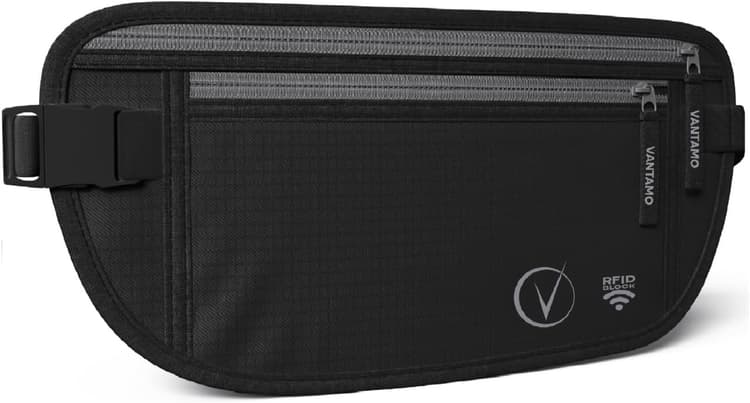
Vantamo
$16.99
$29.99
-43 %
*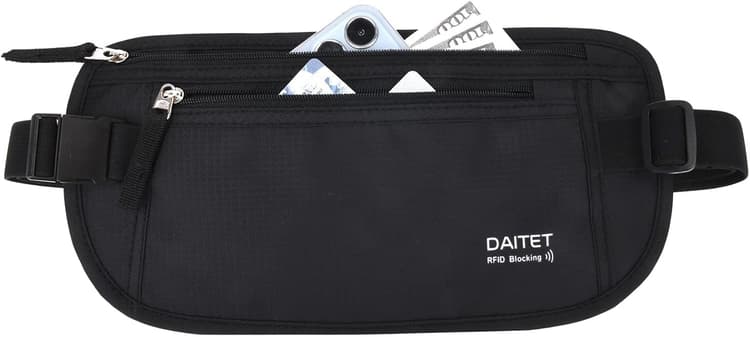
DAITET
$12.99
$19.99
-35 %
*
Bamneat
$12.99
$16.99
-24 %
*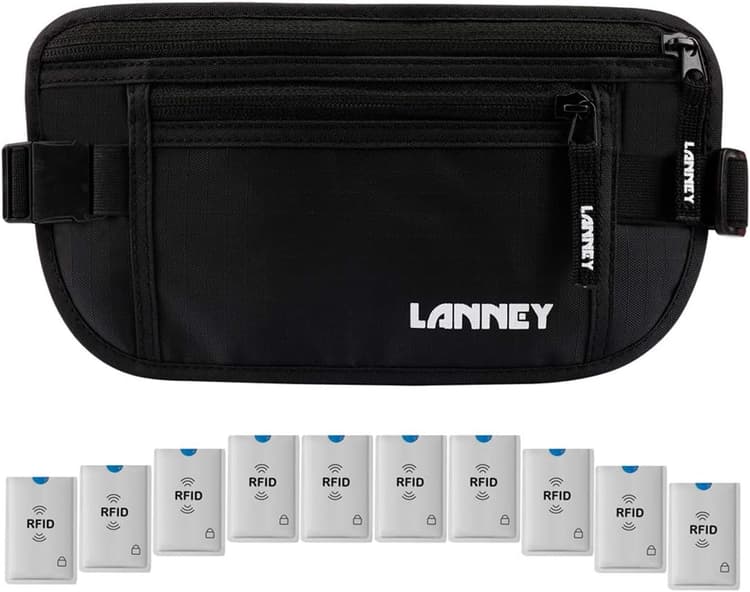
LANNEY
$9.98
$12.99
-23 %
*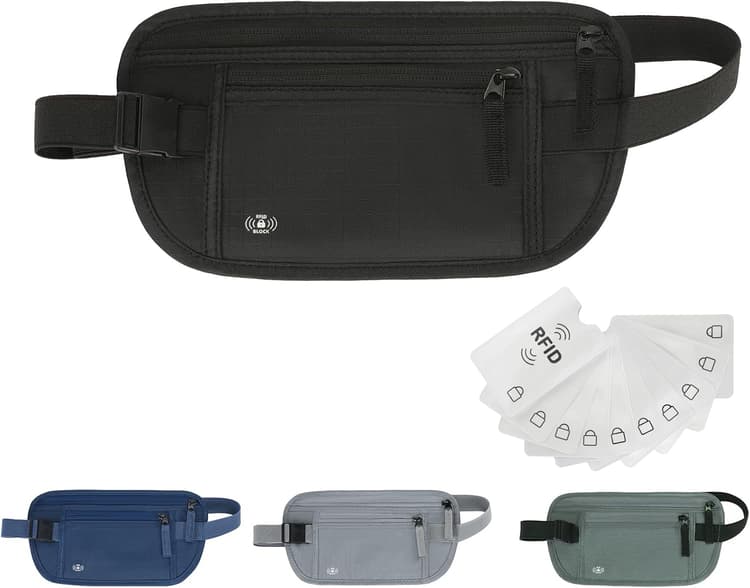
Tpiuop
$5.69
$6.99
-19 %
*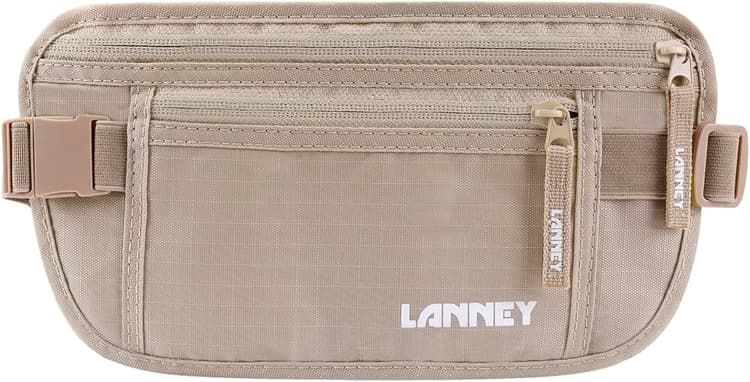
LANNEY
$9.95
$11.99
-17 %
*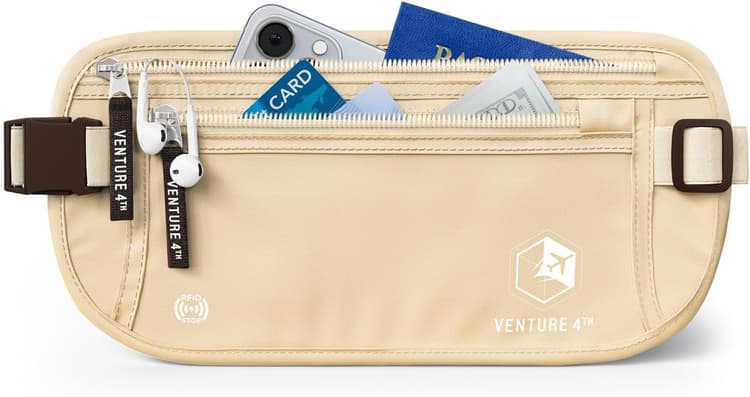
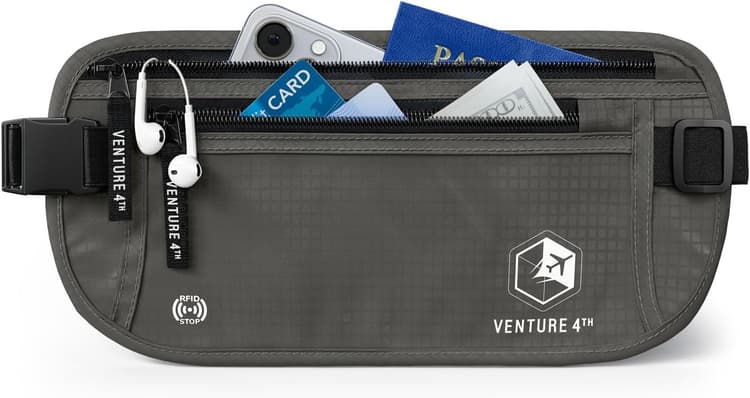
VENTURE 4TH
$24.95
$29.95
-17 %
*
VENTURE 4TH
$24.95
$29.95
-17 %
*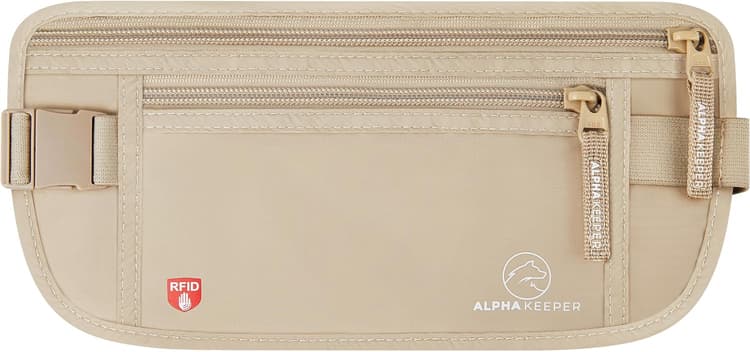
Alpha Keeper
$22.46
$24.95
-10 %
*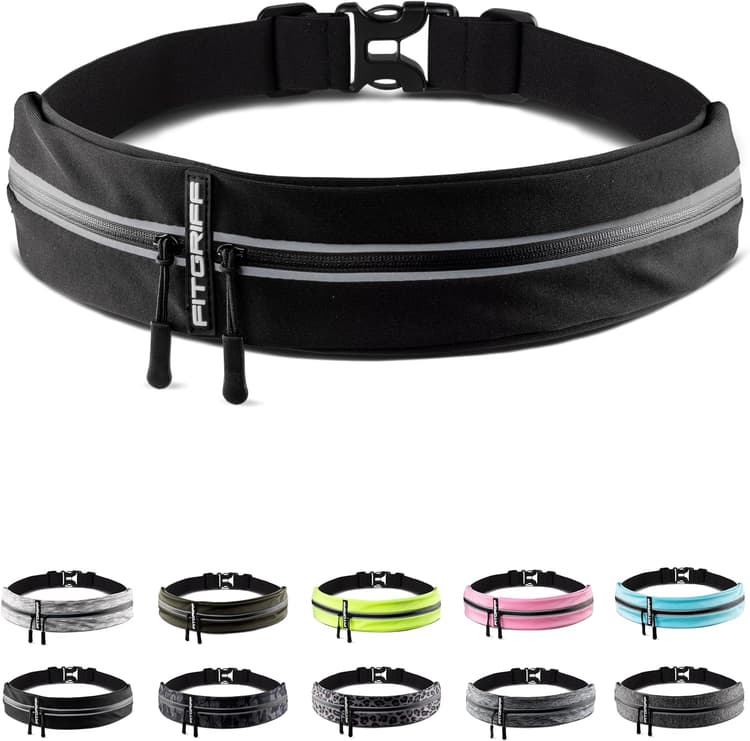
Fitgriff
$15.95
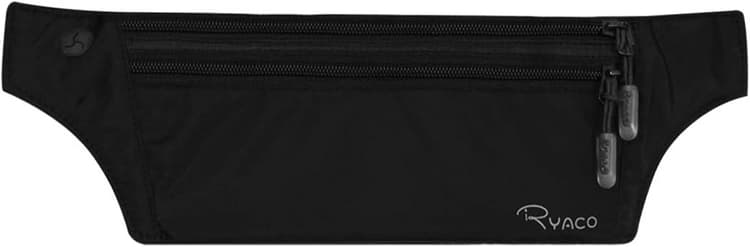
Ryaco
$16.49
Start by defining the primary uses for both belt and wallet. A single buyer may need different pieces for work, casual life, and travel. Ask specific questions: what clothing do I wear most? Do I need a slim wallet for front pockets or a larger one for documents? The answers immediately shape the form, size, and features to prioritize.
For belts, consider width and style. A narrower belt (around 1 inch) works well with tailored trousers and a refined look, while a wider belt suits casual outfits and may provide better support if you carry tools or accessories. Also think about the buckle: heavy or oversized buckles can create pressure points under layers.
For wallets, list the items you regularly carry: cards, cash, ID, receipts, transit cards. A minimalist wallet is fine if you rely on contactless payments most of the time, but if you carry many cards and receipts, choose a model with organized compartments.
Create two or three typical daily scenarios and mentally try each option: front-pocket carry, back-pocket carry, or in-bag use. This practical exercise helps weed out ineffective models and steers you to choices that meet real needs.
Prices for belts and wallets depend on several tangible factors. Instead of fixating on price tags, break down the product into: raw material, manufacturing, finishing details, origin, and distribution. Each influences whether an item falls into low, mid, or high price tiers.
Material is the most visible variable. Genuine full-grain leather typically costs more because it retains the outer grain and requires less correction. Corrected leathers or synthetic alternatives use less premium raw material and are cheaper. Technical fabrics or specially treated canvas can raise price if their development adds value.
Manufacturing and finish also matter. Hand-stitched items with reinforced seams and edge finishing demand more skill and therefore cost more. Specialized closures, solid brass buckles, or stainless fasteners add expense, as do stain-resistant treatments or reinforced linings.
Finally, origin and distribution affect the final price. Short supply chains or local workshops may come with higher retail prices but greater traceability. When choosing, pinpoint which features you value enough to pay extra for, rather than judging by price range alone.
Size and comfort are measured differently for belts and wallets. Using a simple method reduces returns and adjustments.
For belts: measure where the belt will sit on the waist or hips, or use a current belt and measure from the buckle to the hole you use most. Aim for about two holes of adjustment on either side to accommodate body changes. Width should match the belt loops of your trousers; check that the chosen width fits the pants you plan to wear it with.
Comfort also depends on stiffness. A belt that is too stiff can feel uncomfortable when sitting; a belt that is too soft may sag and lose its shape. The right balance depends on use: dress belts benefit from some stiffness for a clean line, while active wear often calls for more flexible leather or textile belts.
For wallets: test card retention and capacity. A wallet carried in a front pocket should stay flat to avoid pressure while seated. Check how easily you can access frequently used cards and the strength of stitching at stress points. If you use contactless cards often, choose a design that allows quick extraction without forcing, and one that holds a few bills without excessive deformation.
Knowing materials helps predict how items will age. Here is a practical overview of common options and their behavior.
Full-grain leather: prized for its patina and durability. It requires basic maintenance - gentle cleaning and periodic conditioning - and usually wears evenly. Signs of use often add to its character, which some users appreciate.
Corrected leather and faux leather: more affordable and with fewer visible imperfections. They can be more water-resistant and easier to clean, but their long-term durability is often lower; surface treatments may crack after years of use.
Technical fabrics and canvas: belts and wallets can use ballistic nylon, waxed canvas, or synthetic blends. These resist abrasion well and offer properties like water resistance. They age differently than leather: less patina but often fewer visible wear marks.
Care: match maintenance to the material. For leather, avoid harsh solvents and rapid drying; use a mild soap or saddle soap and a nourishing cream. For textiles, spot-clean and consider fabric protectors. Store items away from prolonged humidity and direct sunlight to minimize degradation.
To choose logically, compare key functions while focusing on actual use. This simple framework helps when evaluating models.
Capacity: number of card slots, bill compartment and presence of a coin pocket. A compact wallet favors two to four cards, a classic wallet offers five to ten slots and document space. Consider what you carry daily.
Security: presence of a zippered compartment, snap closure, or RFID protection. RFID lining reduces the risk of remote card scanning, useful if you carry many contactless cards. A zip secures contents better when in a bag.
Accessibility: how easily you can get frequently used cards. Good design places the primary card within quick reach. Check that actions are intuitive and fast, especially for in-person payments.
Closure durability: for belts, buckle quality and attachment method are decisive; for wallets, zippers and snaps must withstand repeated use. Inspect buckle rivets and stitching at anchor points.
Aesthetics and finish: visible stitching, finished edges, and edge-coating. High-quality finishing delays wear and keeps the item looking neat for longer.
A product may look good on paper, but daily use reveals its true worth. To assess performance, apply concrete, repeatable tests.
Dimensional stability: load a wallet with a few cards or simulate contents and check whether it deforms after a few days. A good wallet keeps its shape under load; a belt should retain stiffness without stretching noticeably.
Behavior in motion: wear the belt for several hours to gauge how it feels under clothing and whether pressure builds when sitting. Test how smoothly cards slide in and out of the wallet by performing several insertions and removals to find any catching points.
Water and stain resistance: if you expect exposure to rain or sweat, observe how the material reacts. Protective treatments reduce absorption but can alter flexibility. For fabrics, check drying speed.
Practical wear: notice if pockets or belt loops show increased abrasion when using the piece. A poorly matched choice can cause rubbing or impressions on clothes. Best practice is to try the item for a few hours under real conditions before committing to a final purchase.
Beginners often make simple but avoidable mistakes. Here are the most common and immediately usable tips.
Mistake 1 - Choosing for looks only: an attractive model may lack function. Tip: weigh capacity and ergonomics alongside appearance.
Mistake 2 - Ignoring size compatibility: buying a belt without checking belt loop width can make it unusable. Tip: always check a sample width or the pant's loop size.
Mistake 3 - Confusing imitation with quality: leather-like appearance does not equal long-term durability. Tip: inspect the leather edge and feel the texture to identify genuine full-grain or treated leather.
Mistake 4 - Underestimating maintenance: lack of care speeds deterioration. Tip: adopt a simple routine - gentle cleaning and occasional conditioning for leather, spot cleaning for textiles.
Accessible expert tips:
Applying these simple rules reduces the risk of regret and extends the lifespan of your accessories.
Fitgriff
$15.95
Ryaco
$16.49
Alpha Keeper
$22.46
$24.95
-10 %
*Vantamo
$16.99
$29.99
-43 %
*LANNEY
$9.95
$11.99
-17 %
*VENTURE 4TH
$24.95
$29.95
-17 %
*VENTURE 4TH
$24.95
$29.95
-17 %
*DAITET
$12.99
$19.99
-35 %
*LANNEY
$9.98
$12.99
-23 %
*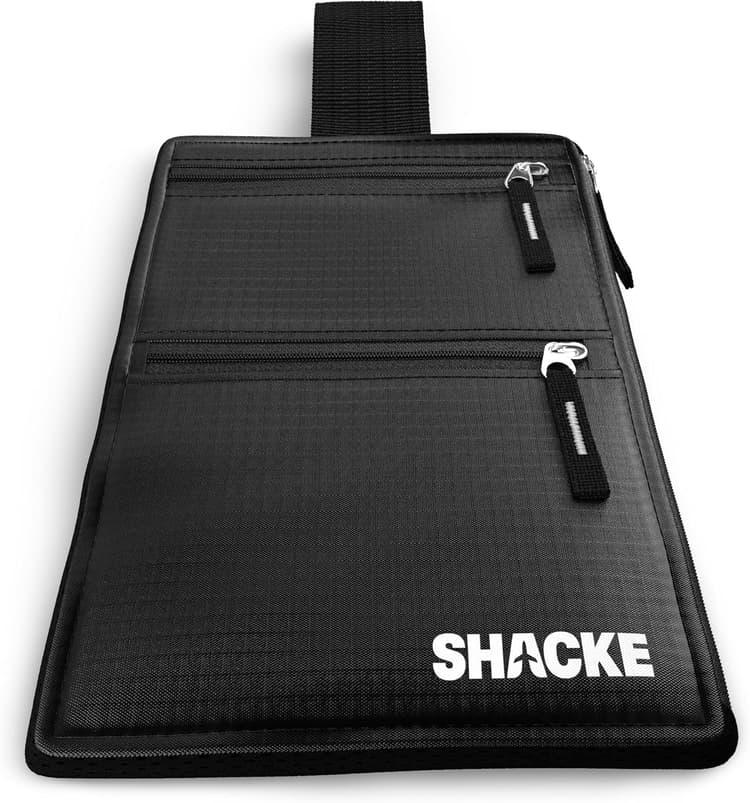
Shacke
$13.99
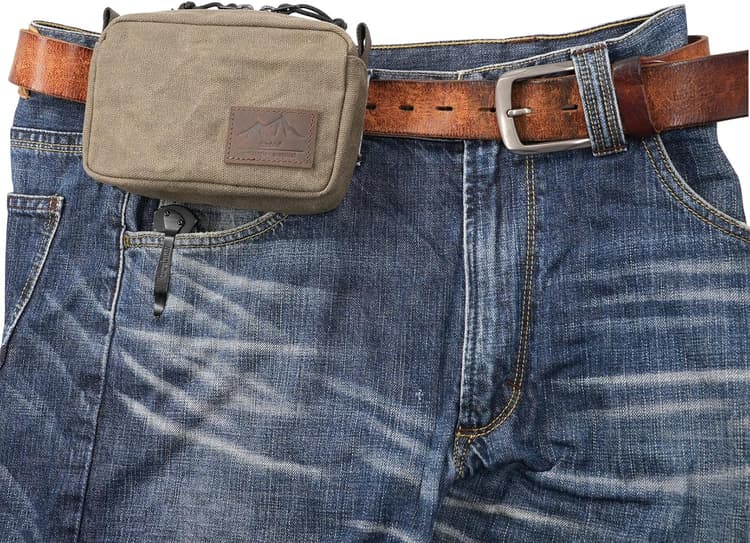
diodrio
$9.99
AIKELIDA
$6.95
$14.95
-54 %
*In summary, choosing the right belt and wallet comes down to assessing needs, understanding materials, and testing size and finish in practice. Rather than fixating on a price bracket, focus on which features truly matter for you: appropriate stiffness for a belt, capacity and access for a wallet, and quality finishing for longevity.
Use a step-by-step approach: define your use cases, compare functions, try items under real conditions, and plan for proper care. These steps will help you select durable and attractive pieces. Remember, longevity depends on both material choice and how you use the item: a simple care routine significantly extends lifespan.
This guide aims to make you self-sufficient in the buying process. By following the methods provided you will avoid common mistakes and choose more sustainably without sacrificing style. Reassess your needs periodically, as usage patterns evolve and so should your accessories.
This guide was written with a pedagogical and practical focus, without endorsing specific products. Editorial choices prioritize function, durability, and ergonomics. Recommendations are based on measurable criteria: material, finish, capacity, size compatibility, and care. No specific products are named and no commercial links influenced the content. The editorial goal is to enable readers to evaluate models themselves using simple tests and common-sense rules.
Our selections rely on independent analysis and hands-on testing, without commercial influence.
Clear comparison guides based on technical criteria and expert reviews.
We frequently revise articles to reflect new models and fashion trends.
Some links are affiliate: we may earn a commission and redirect you to trusted partner retailers.