
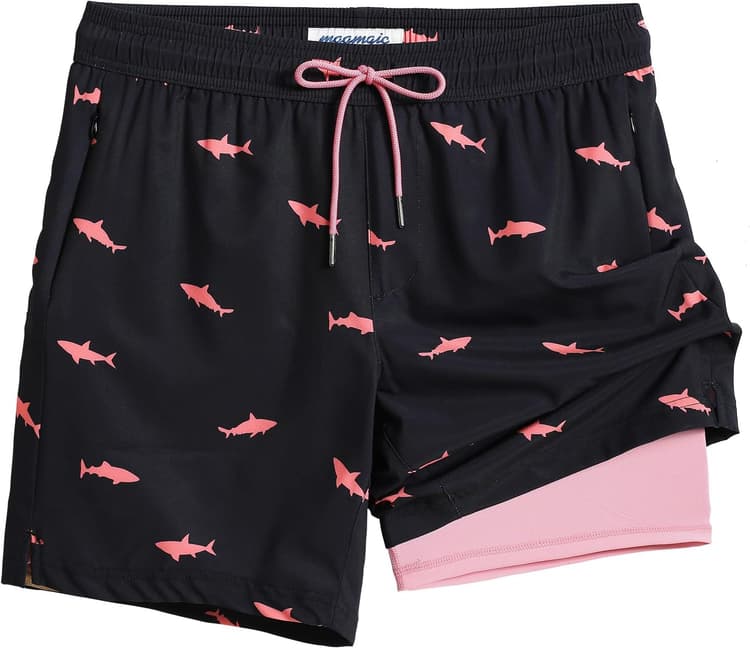
maamgic
maamgic 2 in 1 Mens Swim Trunks 7 Inch Swim Shorts Swim Suits Board Shorts
★★★★☆4.7
$25.47
$41.99
-39 %
*
Senior editorial writer specializing in clothing reviews, style guides, and deals.

This guide is aimed at anyone looking for swimwear that performs and fits well, without being sidetracked by marketing language. Its pedagogical approach focuses on practical criteria: how to pick swimwear based on intended use (casual swimming, lap training, sunbathing, travel), body shape, and care constraints. Instead of endorsing specific products, you will learn how to assess items yourself, understand price ranges, and recognize common trade-offs such as support versus freedom of movement.
The guide follows the buyer's workflow: assess your needs, decode pricing and its drivers, choose correct sizing and comfort adjustments, understand materials and longevity, compare essential features, and avoid beginner mistakes. Each part gives concrete steps and quick checks you can apply in-store or when buying online.
Presented in a step-by-step style, the content explains how to take measurements, what to look for on labels, and simple tests to evaluate stretch, lining, or chlorine resistance. By the end you will have a mental checklist to prioritize what matters most for your habits, budget, and intended performance.
maamgic
$25.47
$41.99
-39 %
*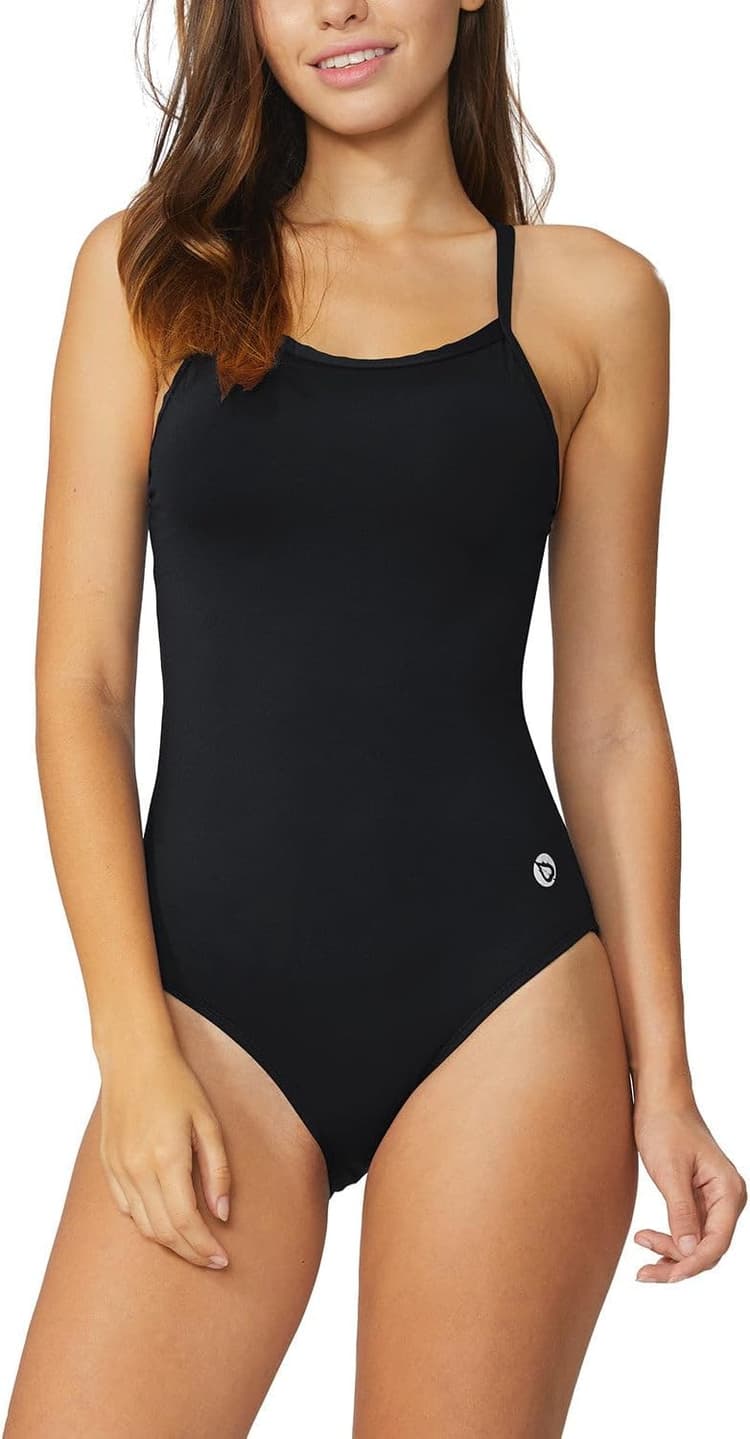
baleaf
$26.23
$42.49
-38 %
*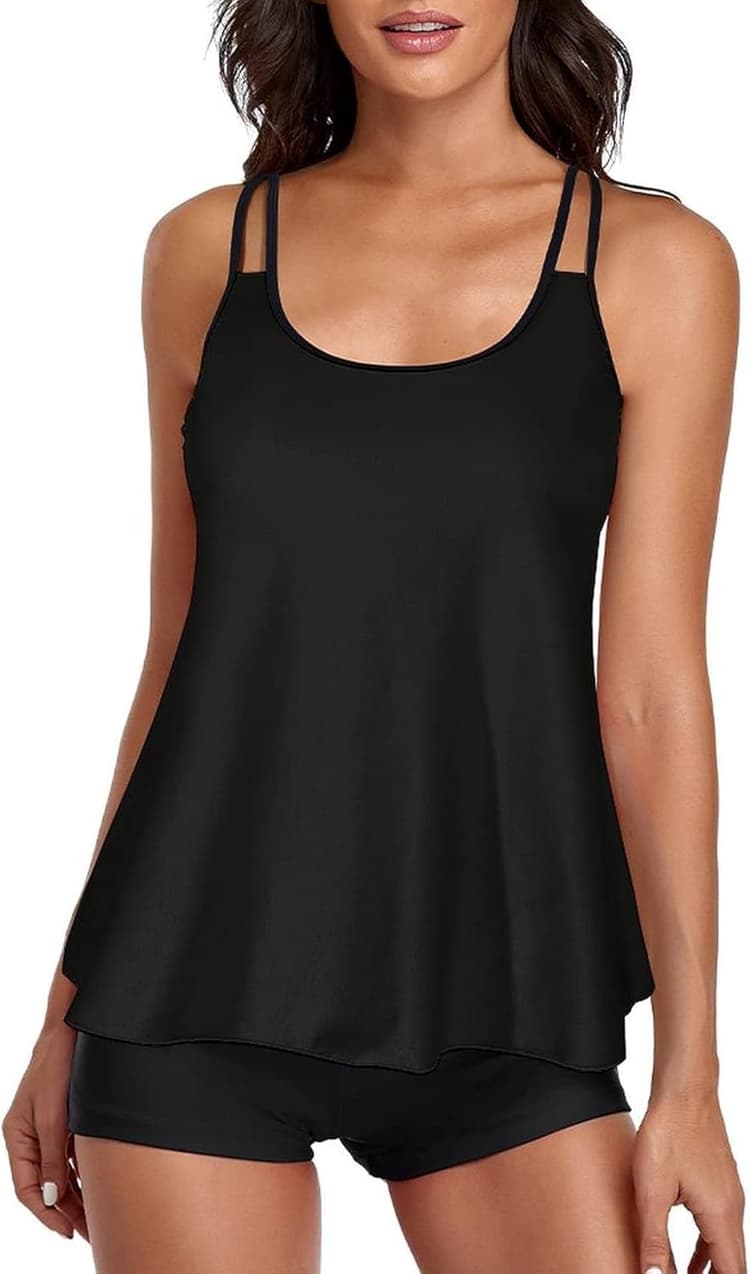
Urchics
$22.38
$35.99
-38 %
*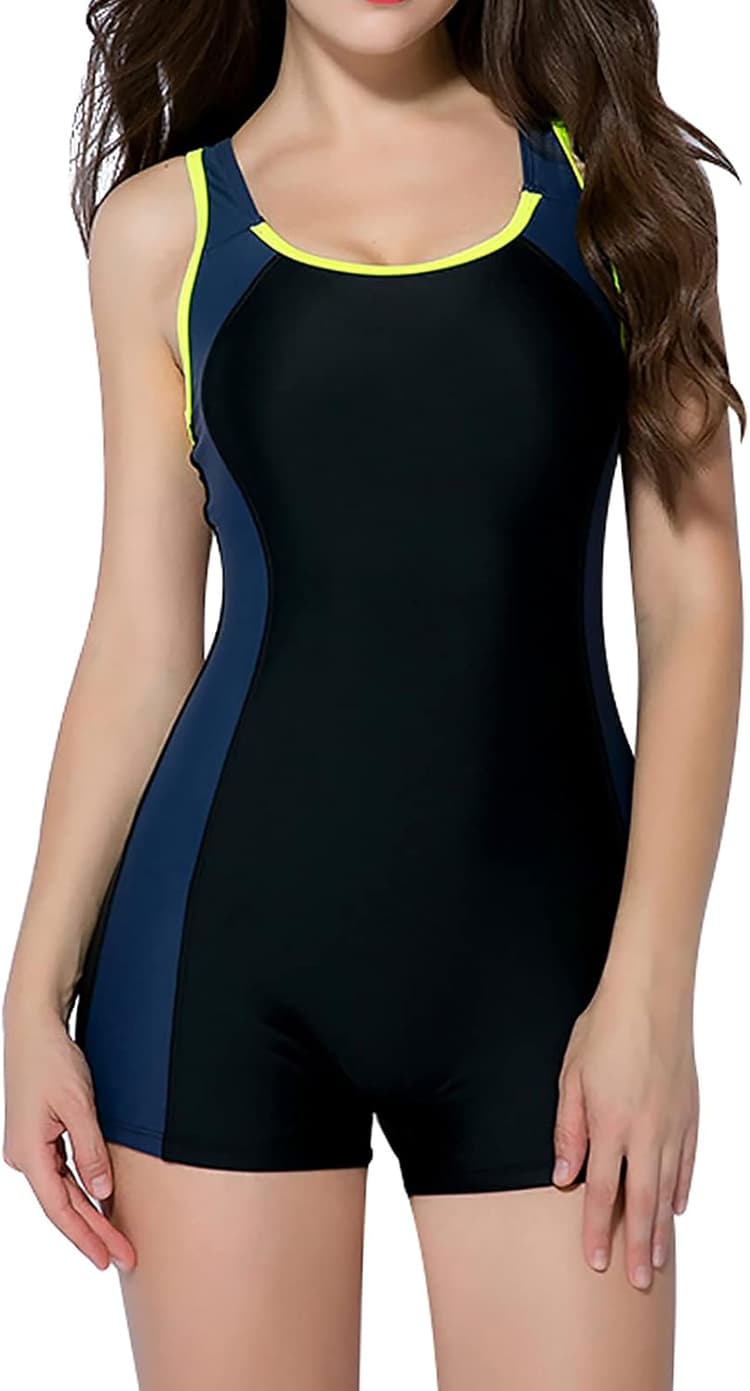
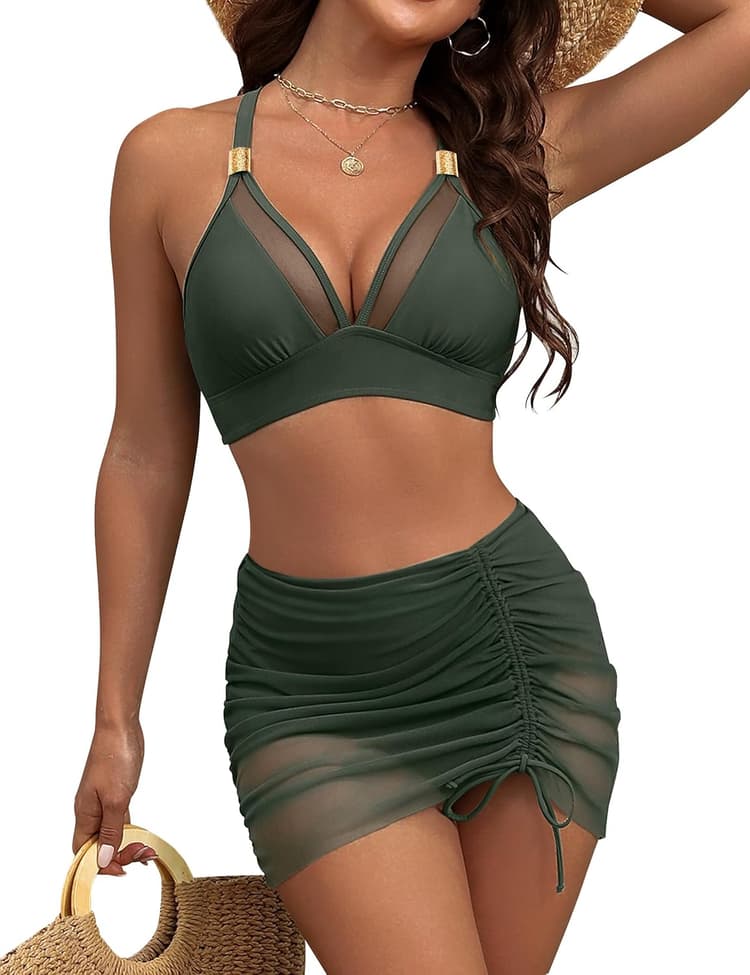
beautyin
$25.63
$38.99
-34 %
*
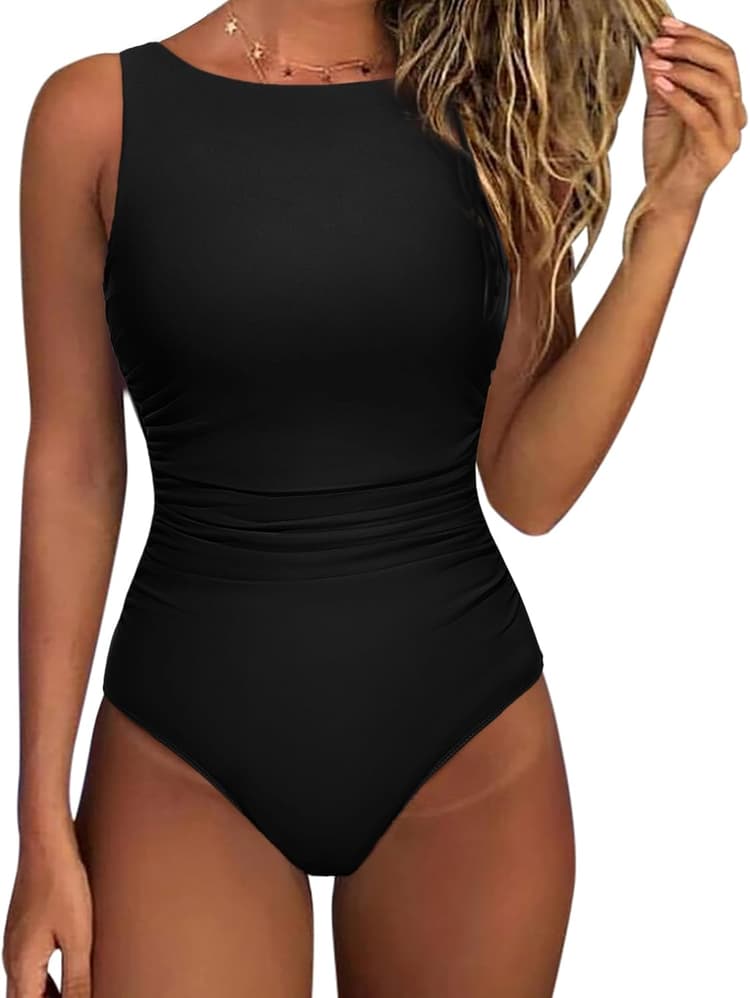
Blooming Jelly
$22.64
$32.99
-31 %
*
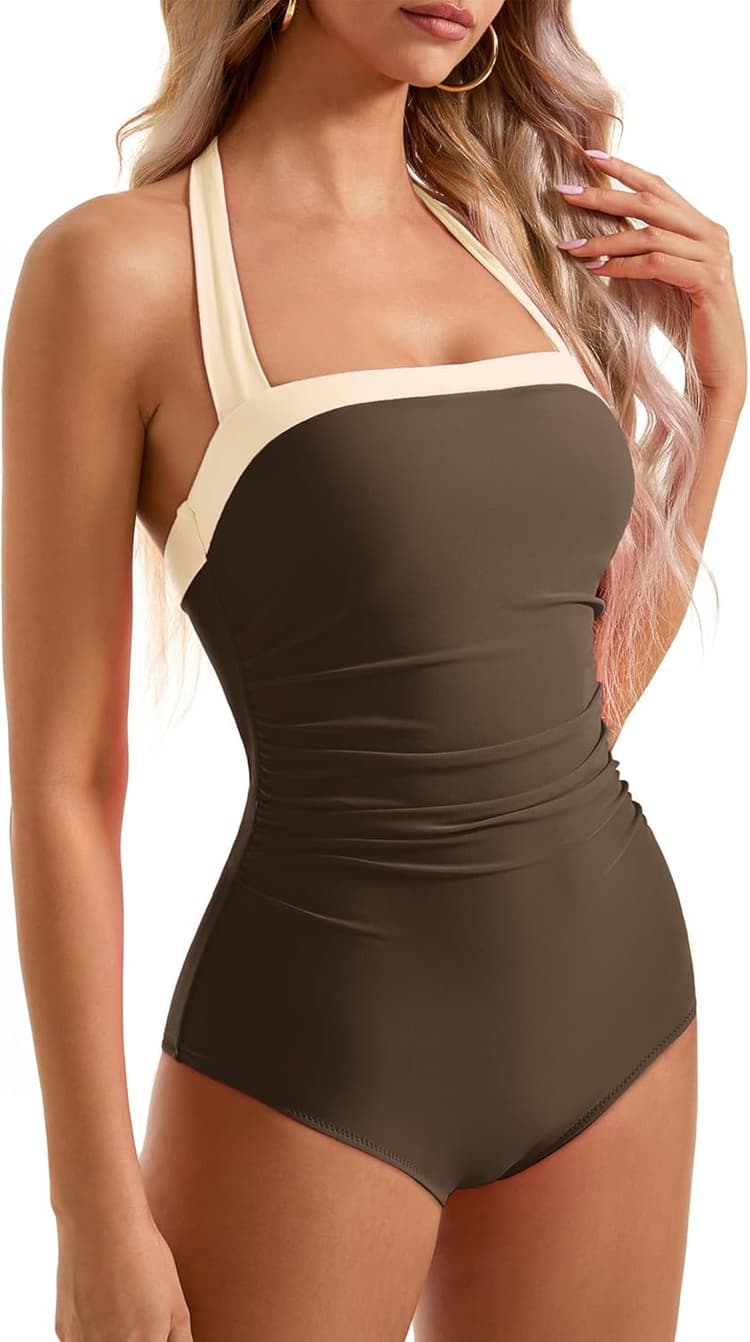
SUUKSESS
$37.99
$53.25
-29 %
*
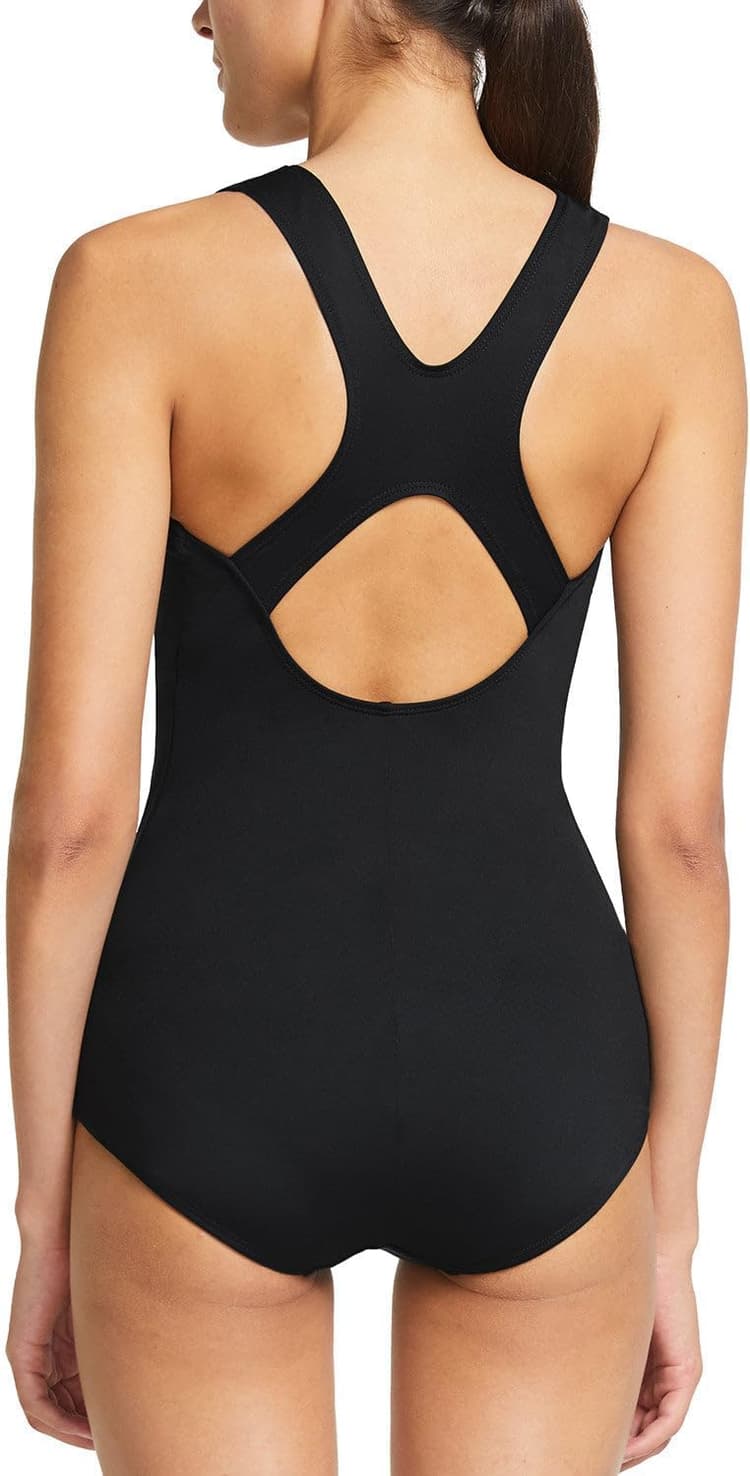
SUUKSESS
$36.99
$48.99
-24 %
*
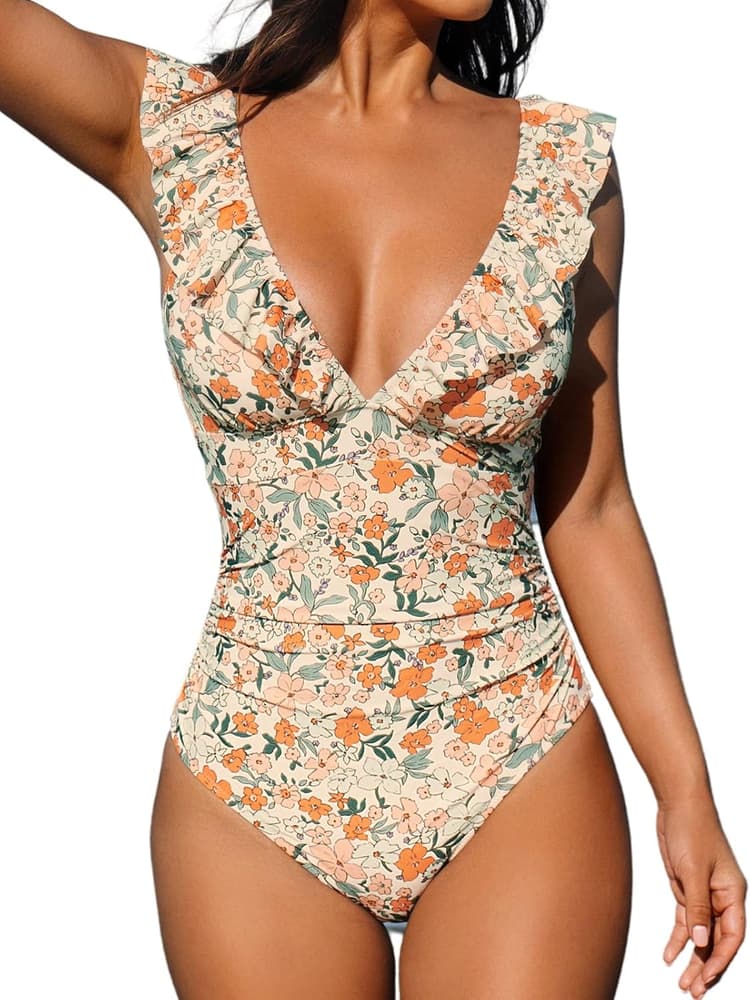
baleaf
$26.24
$33.98
-23 %
*
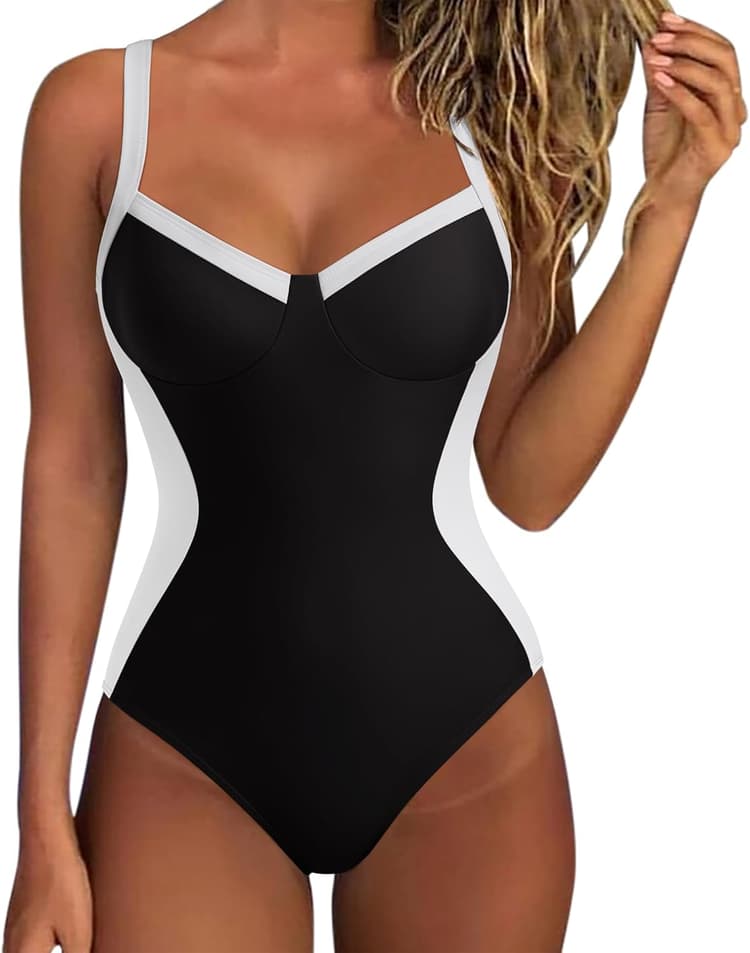
CUPSHE
$39.99
$49.99
-20 %
*
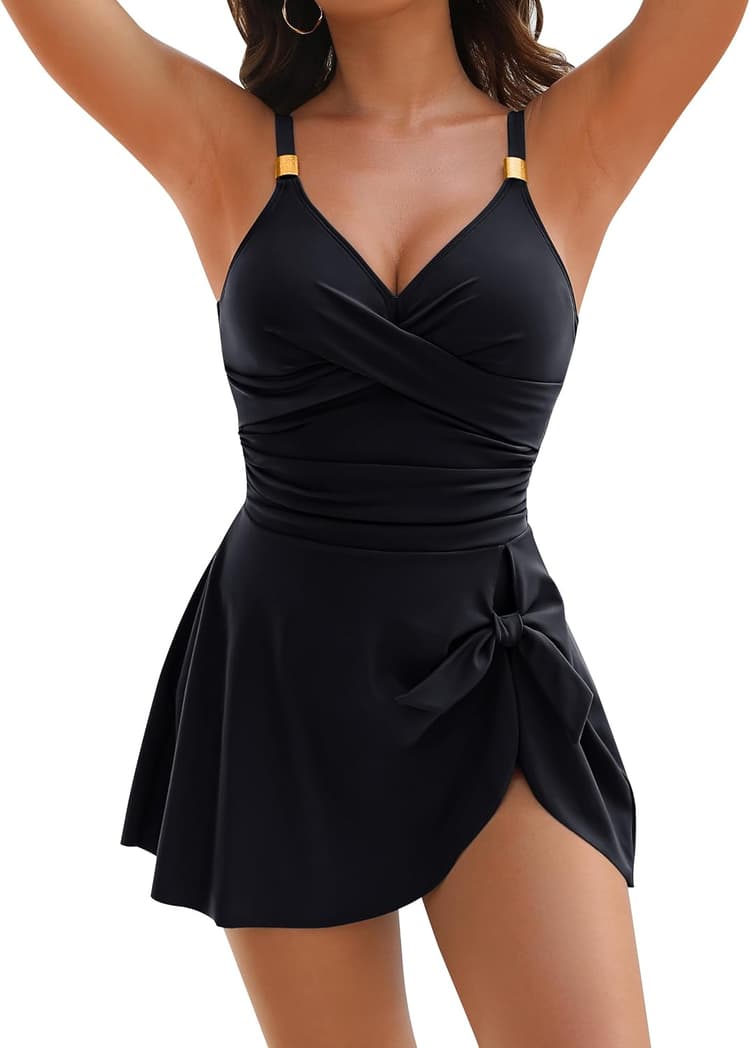
SUUKSESS
$38.95
$47.99
-19 %
*
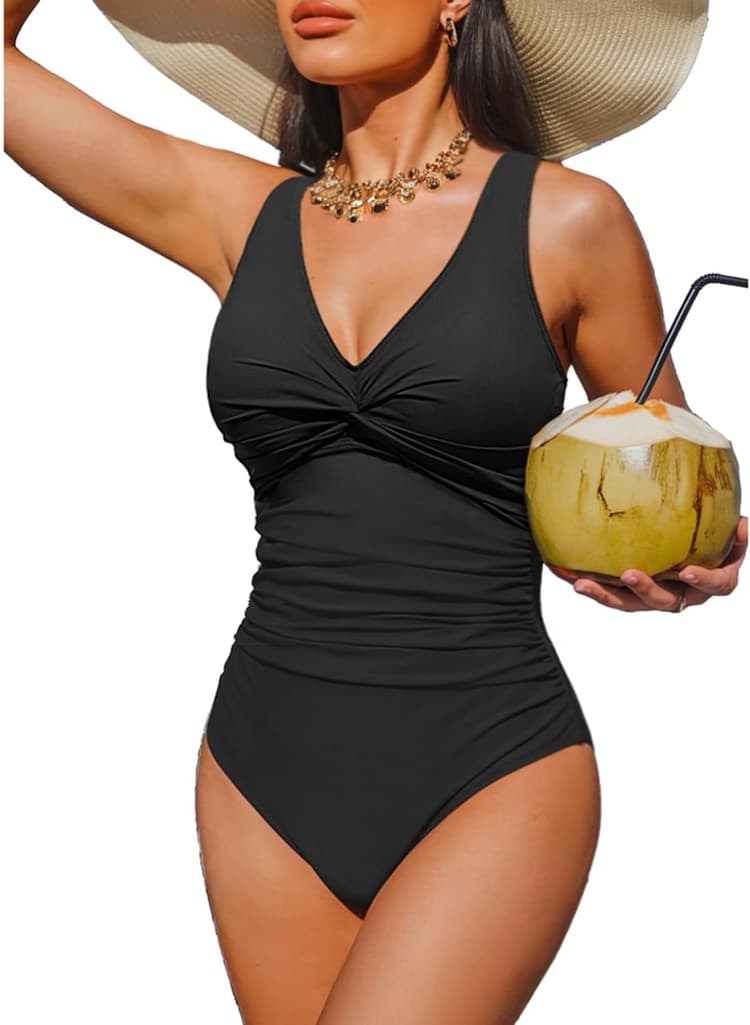
Blooming Jelly
$36.99
$39.99
-8 %
*
Holipick
$34.99
Begin by clarifying the primary use of the swimwear. Criteria differ for someone doing laps versus someone prioritizing sunbathing. Ask these straightforward questions:
Concrete examples:
Write a short needs summary (2-3 lines) before trying suits. This prevents decisions driven solely by appearance and helps you compare similar models more objectively.
Swimwear prices span a broad range. To choose wisely, break down the price into tangible components: material cost, cut complexity, finishing, technical treatments, and brand. Benchmarks and what they imply:
Price drivers:
Concrete example: two suits with similar appearance can differ in fabric composition. A polyamide/elastane blend with anti-chlorine treatment will last longer than a simple polyester knit without treatment, even if they look alike at first.
Pedagogical tip: match price to frequency and tolerance for replacement. If you swim several times a week, investing in mid-to-high range swimwear often saves money and hassle over time.
Size is the most critical factor. Size charts vary by brand; the best approach combines body measurements with practical checks. Steps to follow:
What to look for during fitting:
Concrete examples:
Tip: keep tags when ordering online and test suits at home under a towel; most retailers accept returns if tags are intact and the suit is unworn.
Understanding materials helps you anticipate a suit's lifespan. Common blends include polyamide (nylon) with elastane; polyester (often recycled) is also used. Key factors to note:
Basic care to extend life:
Signs of wear: loss of stretch, relaxed seams, pilling or fraying, and localized fading. Durability is not solely about price: care routines significantly affect longevity.
Practical example: a supportive suit with full lining will generally withstand frequent use better than an unlined suit of similar price, provided you rinse and dry it properly.
Several features distinguish swimwear beyond looks. Use this simple checklist to compare and understand what matters:
Interpretation examples:
Practical comparison routine: when trying on, bend forward to test how the suit stays in place and whether breathing is restricted. Press the fabric to assess recovery and density, and inspect seams for neat finishes.
Everyday performance includes long-term comfort, resistance to chlorine/salt, support during movement, and quick-drying. To assess these without lengthy testing, perform quick checks:
Practical choices by use-case:
Practical example: if color or texture changes after the first rinse, this signals a fragile finish. Rinsing a new suit immediately reveals such issues before intensive use.
Common mistakes are straightforward yet persistent: buying for appearance alone, ignoring fit, overlooking care labels, and underestimating chlorine's effects. Typical mistakes and practical fixes:
Accessible expert tips:
Practical tip: establish a simple care routine (rinse, gentle wash, flat dry). This often extends lifespan more effectively than buying a pricier suit and neglecting maintenance.
maamgic
$25.47
$41.99
-39 %
*CUPSHE
$39.99
$49.99
-20 %
*Holipick
$34.99
Blooming Jelly
$36.99
$39.99
-8 %
*
Arolina
$33.29
Eomenie
$36.99
CUPSHE
$37.99
beautyin
$25.63
$38.99
-34 %
*baleaf
$26.23
$42.49
-38 %
*baleaf
$26.24
$33.98
-23 %
*
Eomenie
$39.99
Talisea
$39.99
Selecting suitable swimwear means prioritizing use case, comfort, support, budget, and care. A reproducible approach is: define your needs, measure your body, compare key features (lining, fabric tension, straps, treatments), and perform basic movement checks before buying. Price should be considered against usage frequency and material quality; a moderate investment for regular use often pays off.
Care is crucial: proper rinsing, gentle washing, and appropriate drying significantly extend a suit's lifespan. Avoid choosing solely for looks if you expect performance or long-term durability. Following this step-by-step, pedagogical guide will save time and help you make a choice aligned with your habits and budget.
This guide was written to provide objective criteria and evaluation methods for swimwear. It does not include paid product endorsements and is not tied to specific commercial affiliations. Examples are generic and intended to illustrate common buying situations. The information is based on generally accepted principles of materials, fit, and use in swimwear.
Our selections rely on independent analysis and hands-on testing, without commercial influence.
Clear comparison guides based on technical criteria and expert reviews.
We frequently revise articles to reflect new models and fashion trends.
Some links are affiliate: we may earn a commission and redirect you to trusted partner retailers.