
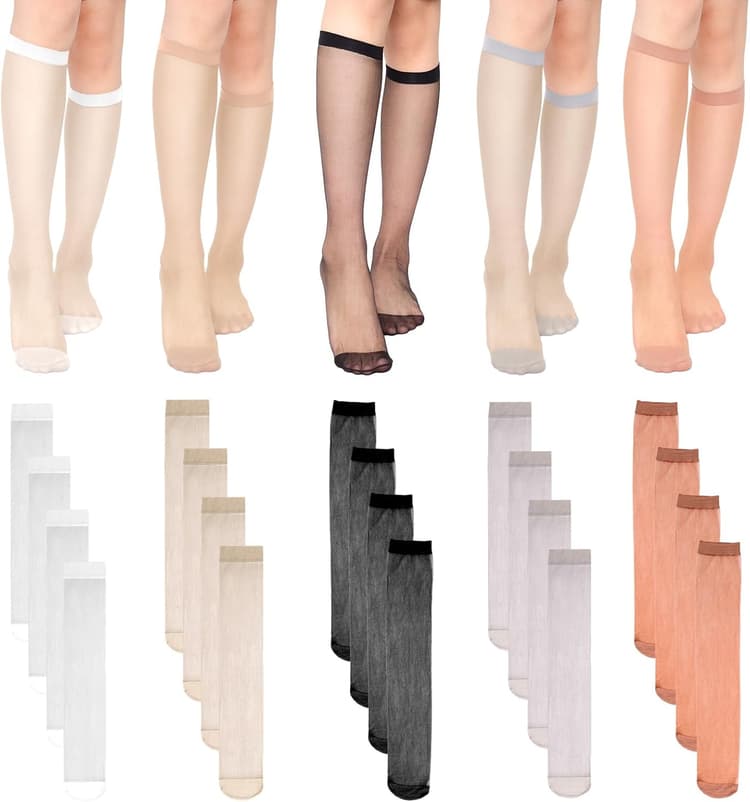
Bgfhna
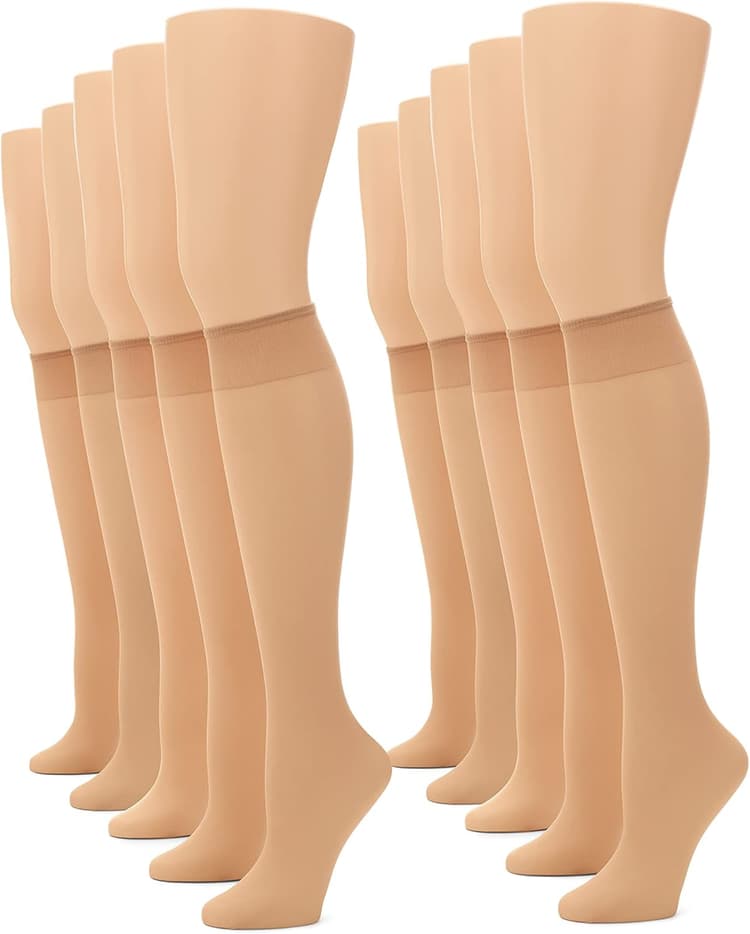
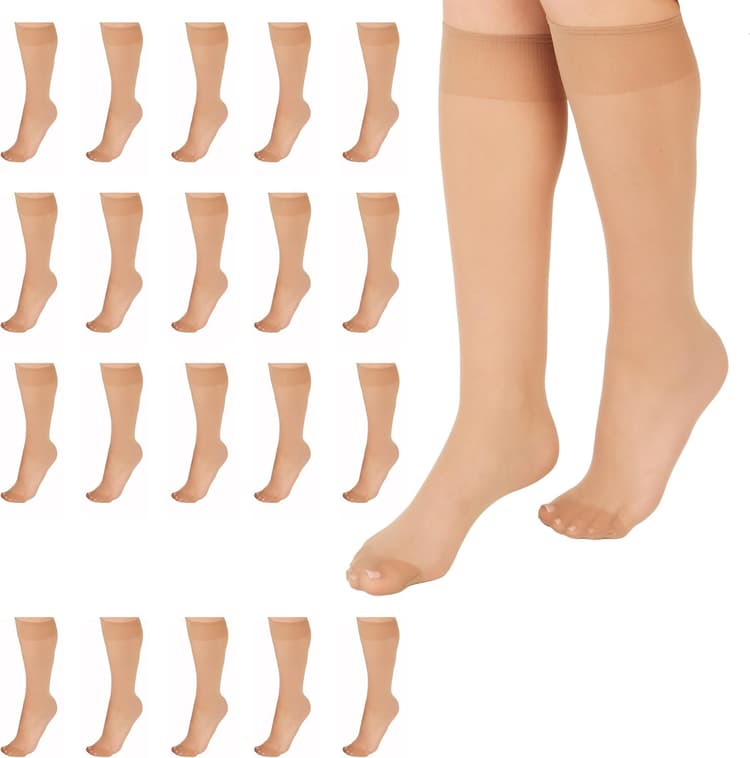
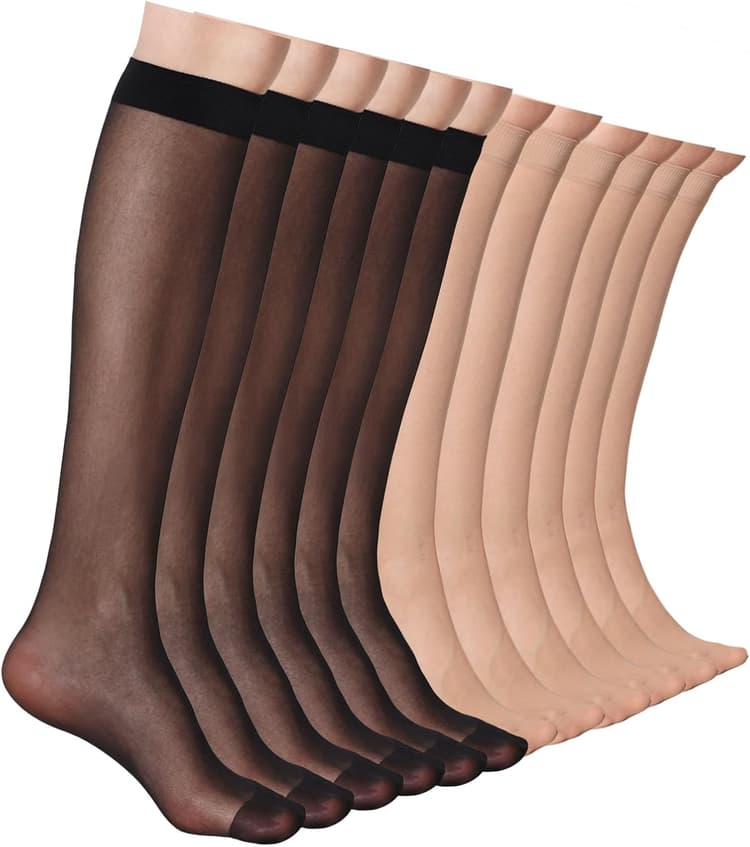
20 Pairs Knee High Stockings Pantyhose with Reinforced Nylon Toe Sheer Knee High Stocks for Women 5 Colors
★★★★☆4.1
$7.99
$9.99
-20 %
*
Senior editorial writer specializing in clothing reviews, style guides, and deals.

Picking socks or hosiery is more than a fashion choice. Daily comfort, performance during exercise, thermal regulation and product longevity all hinge on concrete factors: intended use, fit, fabric composition and construction quality. This pedagogical guide walks you through those factors step by step so you can make purchases that match your real needs.
We explain how to assess needs by context (office, running, hiking, formal wear), how to read price tiers and what drives cost, and how to verify sizing to avoid rubbing, slipping or bunching. You will also find clear descriptions of common materials (cotton, wool, synthetics, microfibers) and how they affect durability and performance, plus a simple comparison of essential features such as padding, seam type and support.
The approach is instructional: each section provides practical steps, measurable signals to look for, and typical mistakes to avoid. The aim is to give you applicable criteria rather than recommending specific products. By the end, you should be able to prioritize what matters most for your daily wear and narrow your choices accordingly.
Bgfhna
$7.99
$9.99
-20 %
*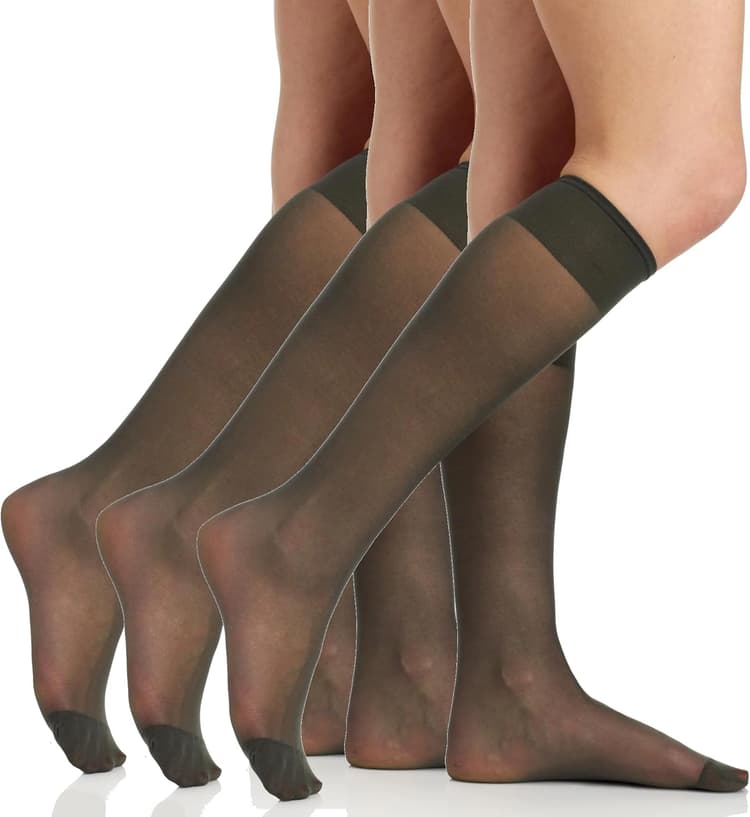
Berkshire
$8.90
$10.00
-11 %
*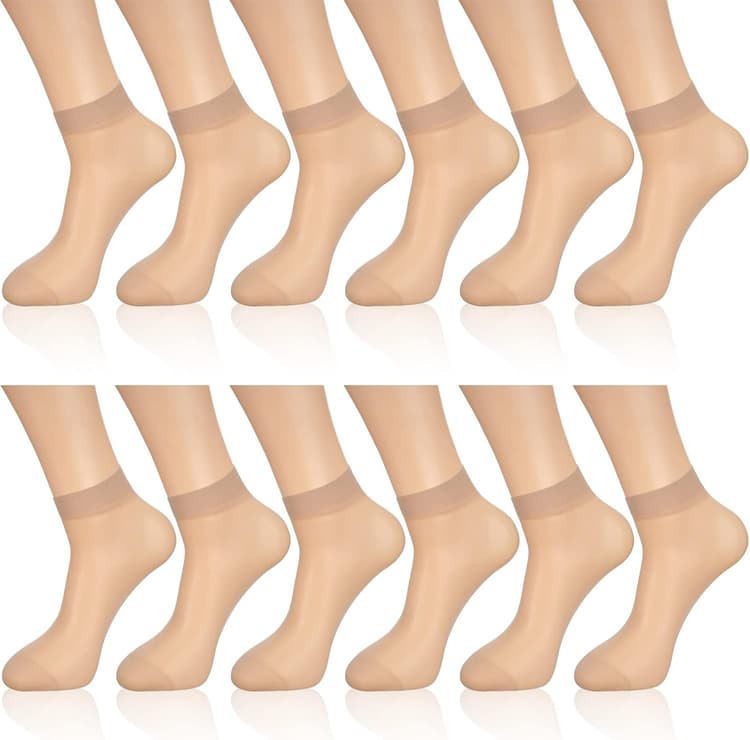
Geyoga
$7.99
$8.99
-11 %
*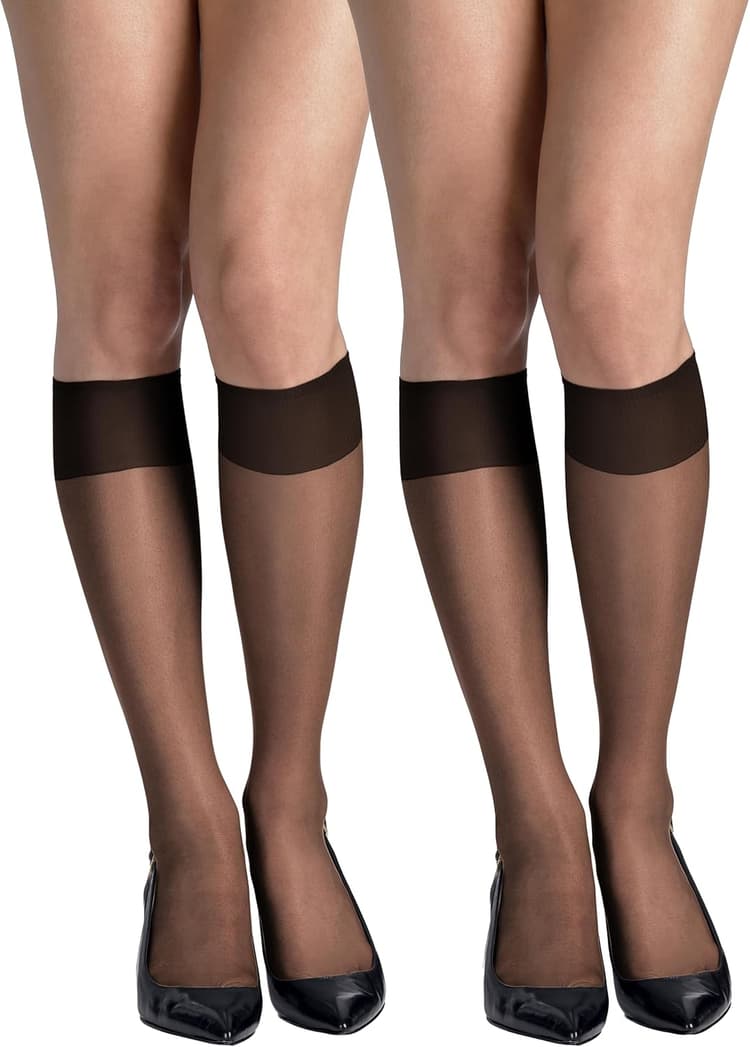
Hanes
$9.00
$10.00
-10 %
*
No Nonsense
$15.00
L'eggs
$13.99
ZIHUA
$13.99
Hanes
$10.00
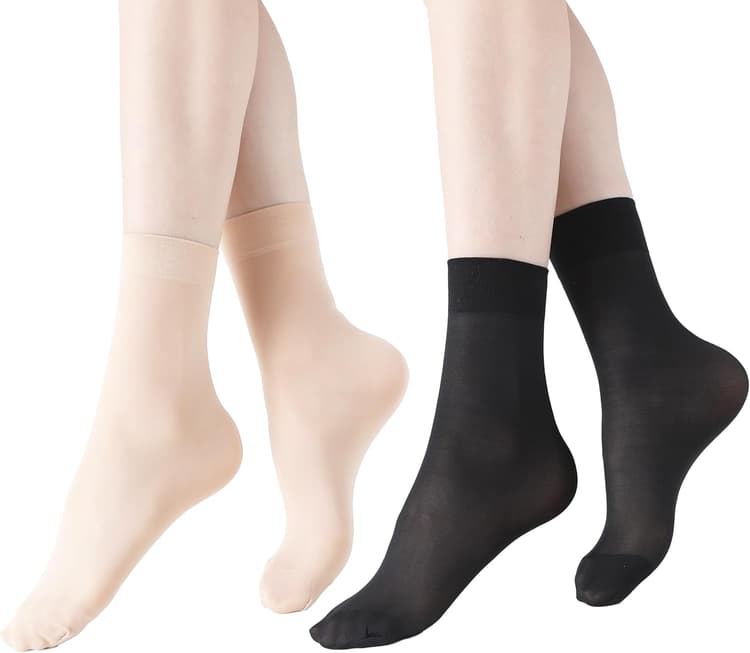
FITU
$14.99
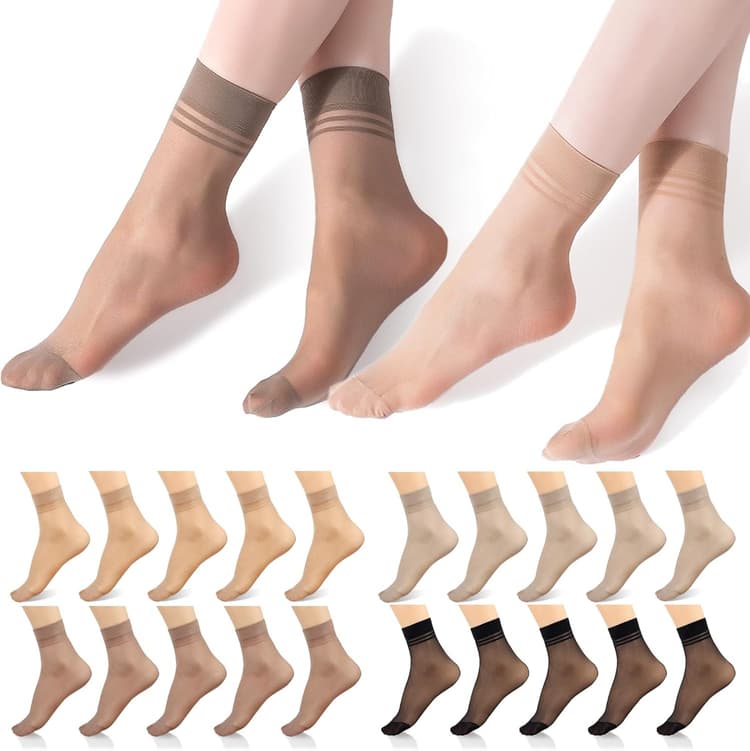
bropapa
$14.99
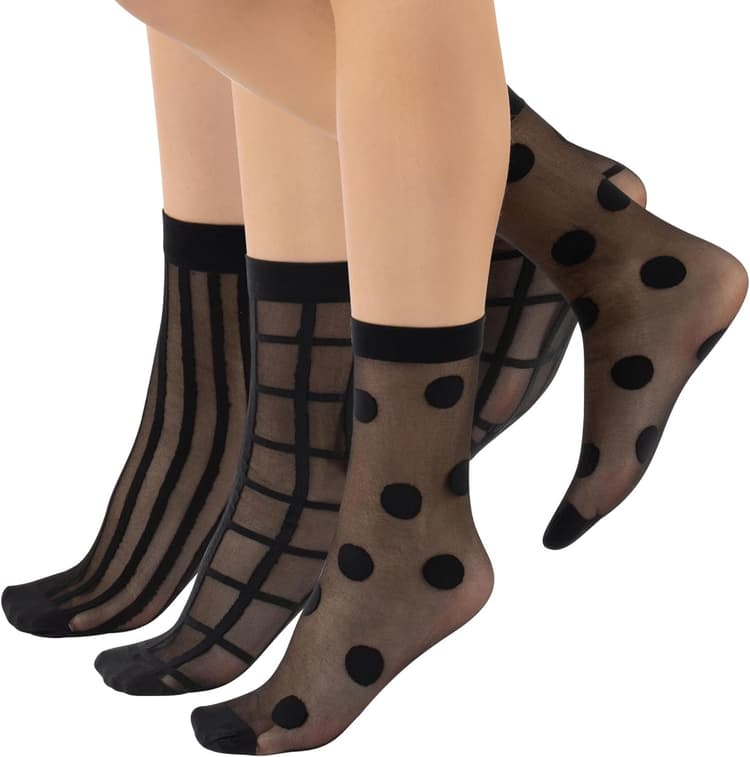
CALZITALY
$23.95
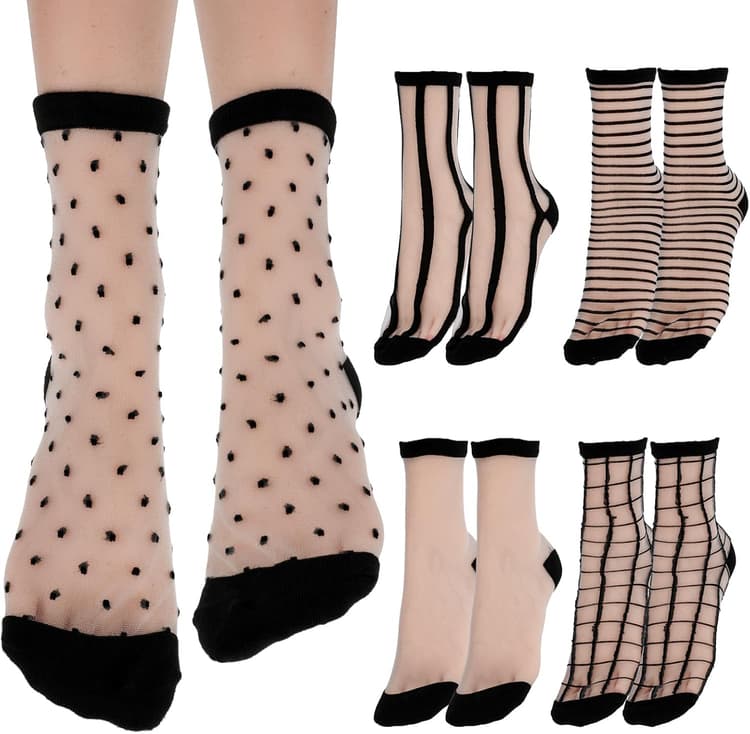
Lusofie
$7.69
Start by listing typical uses and constraints. Distinguish daily contexts (office, home), activities (running, hiking, cycling) and special occasions (formal wear, professional events). For each context note concrete elements: hours of wear, expected moisture levels, associated shoes, and whether you need compression or insulation.
Practical examples:
Highlight three priorities per use: comfort, durability, appearance. Rank them. If you stand for long hours, put support and padding first. If looks are paramount for an event, seek thinness and minimal seam visibility.
Simple measurements to collect: foot length in cm, usual shoe size, and calf circumference for high socks or hosiery. These numbers let you filter products and compare sizing across brands. Remember that one pair rarely suits every purpose; it is often better to own multiple pairs optimized for different uses.
Prices for socks and hosiery range from very cheap to premium technical items. Instead of relying on price alone, identify what justifies cost differences.
Cost drivers:
What price tiers typically mean:
Pedagogical tip: determine your primary use first, then set a reasonable price range. For high-impact activities (long hikes, daily running), investing in technical pairs often yields better longevity and less discomfort. For occasional formal wear, a mid-range option usually provides adequate value.
Size is the single most important factor for comfort. Use this three-step method to achieve a proper fit.
Sizing charts differ. Always compare your measurements to the manufacturer's chart rather than relying on shoe size alone.
Subjective comfort versus objective signals: record sensations (pain, pressure points) and measurable signs (slipping, rapid pilling). When buying online, prefer sellers who list foot length in cm and provide a clear sizing chart. Also inspect adjacent features such as toe seam type and heel construction, because they directly affect perceived comfort.
Labels show composition, but you need to read what that means for durability and performance.
Common materials and traits:
Construction and durability signals:
Care tips that extend life: wash inside out, avoid high-heat tumble drying, use a mesh bag for hosiery and limit prolonged exposure to extreme temperatures. When judging durability, match the material choices to use: for hiking choose sturdy blends with localized reinforcements; for everyday office wear prioritize softness and easy care.
To choose between models, compare these key features and tie them back to the uses you outlined earlier.
Key features to compare:
How to evaluate daily performance:
Concrete example: for a regular runner prioritize targeted ventilation, a flat toe seam and an ergonomic heel. Verify the material’s stability after three wash cycles to confirm retention. For standing work prioritize cushioning and mild compression to reduce foot fatigue.
Common mistakes:
Expert tips you can use right away:
Practical hack: rotate two to three pairs. Alternating reduces continuous stress on the same fibers and lets them recover. Keep a small log: after each wear and wash, jot down changes (slipping, elasticity, odor) to build your personal reference over time.
No Nonsense
$15.00
L'eggs
$13.99
Hanes
$9.00
$10.00
-10 %
*ZIHUA
$13.99
Hanes
$10.00
Berkshire
$8.90
$10.00
-11 %
*FITU
$14.99
bropapa
$14.99
CALZITALY
$23.95
Lusofie
$7.69
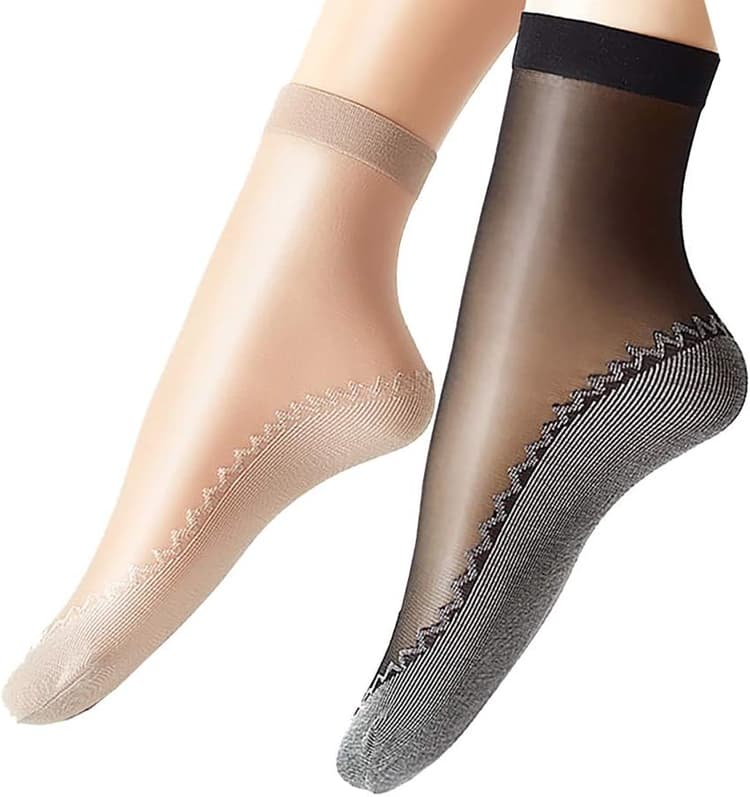
Ueither
$10.99
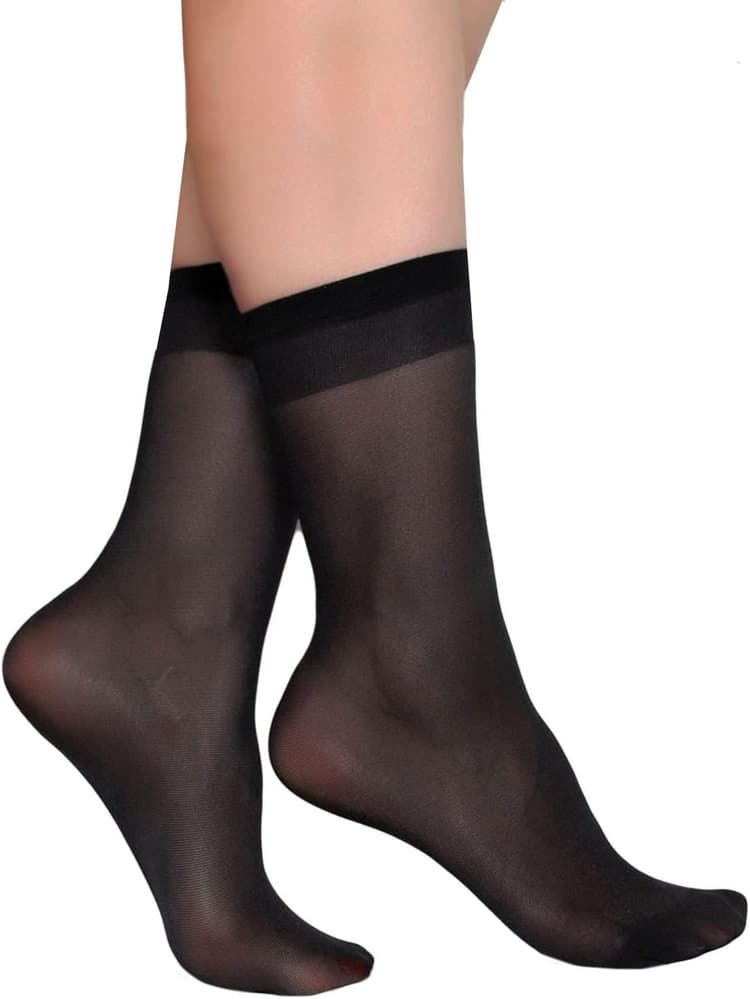
Pioni
$12.99
In summary, choosing socks or hosiery well depends on a prioritization of factors: primary use, accurate fit, appropriate materials and solid construction. Take time to measure your feet, define real needs, and read composition and construction details rather than relying only on price.
Durability is a combination of material choice, reinforcements and proper care. Investing in a few well-chosen pairs tailored to different uses often yields better value than many low-cost pairs. By following the pedagogical sequence presented—define use cases, compare features, and test in realistic conditions—you can assess models rationally and make informed comparisons.
Finally, adopt simple care routines and record your observations to refine future buys. This guide aims to give you concrete, measurable criteria to turn an emotional purchase into a thoughtful, lasting decision.
This guide was created independently to provide pedagogical and practical criteria for choosing socks and hosiery. No specific brand or product is promoted. The advice is based on widely recognized principles of fit, materials and care in the textile field. If specific recommendations appear elsewhere on this site, they use the same analytic criteria outlined here.
Our selections rely on independent analysis and hands-on testing, without commercial influence.
Clear comparison guides based on technical criteria and expert reviews.
We frequently revise articles to reflect new models and fashion trends.
Some links are affiliate: we may earn a commission and redirect you to trusted partner retailers.