
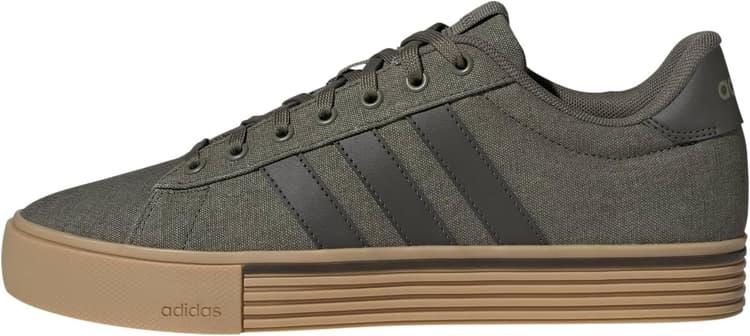
adidas
adidas Men's Daily 4.0 Shoe
★★★★☆4.7
$16.29
$65.00
-75 %
*
Senior editorial writer specializing in clothing reviews, style guides, and deals.

Picking men's shoes is more than matching an outfit. This guide provides a structured, step-by-step approach to find footwear suited to your lifestyle, foot shape and budget. Instead of listing models, we explain how to assess needs, read pricing tiers, measure feet correctly and evaluate materials and construction. Each chapter includes pragmatic checks you can do in-store or at home: measuring length and volume, simulating a typical day to assess comfort, and inspecting stitching and sole attachment.
From an editorial standpoint we separate longevity, maintenance and comfort so you can compare like with like. The pedagogical tone aims to remove jargon and leave you able to decide confidently. By the end you will know how to prioritize features depending on your profile: city professional, frequent walker, or someone needing rugged footwear. Remember: the right shoe matches intended use, fit and reasonable durability, not simply brand or price.
adidas
$16.29
$65.00
-75 %
*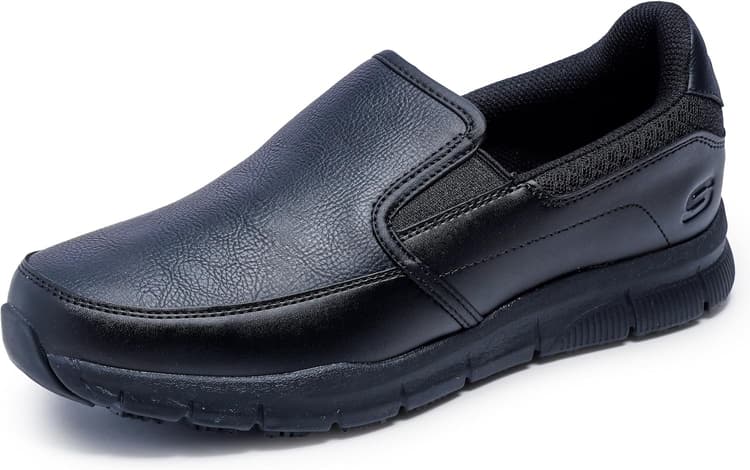
Skechers
$32.97
$65.00
-49 %
*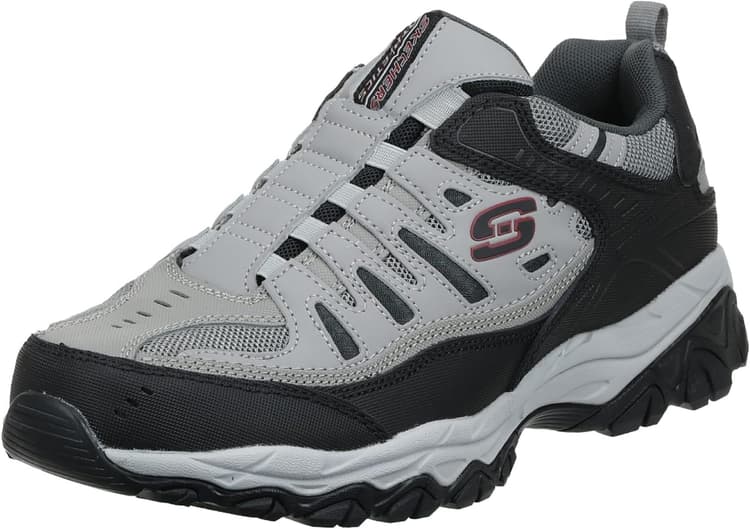
Skechers
$49.18
$87.00
-43 %
*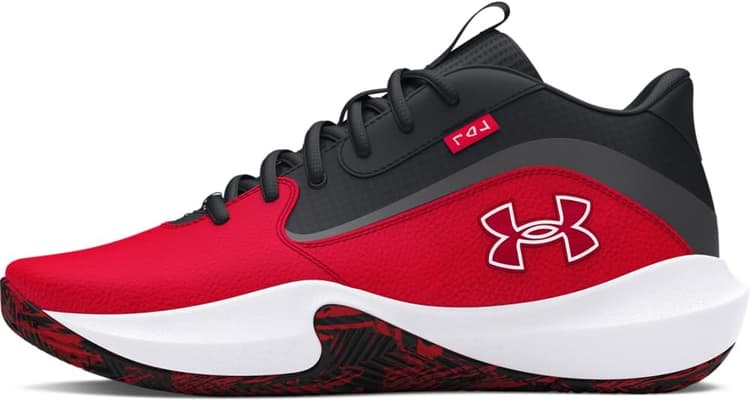
Under Armour
$41.97
$70.00
-40 %
*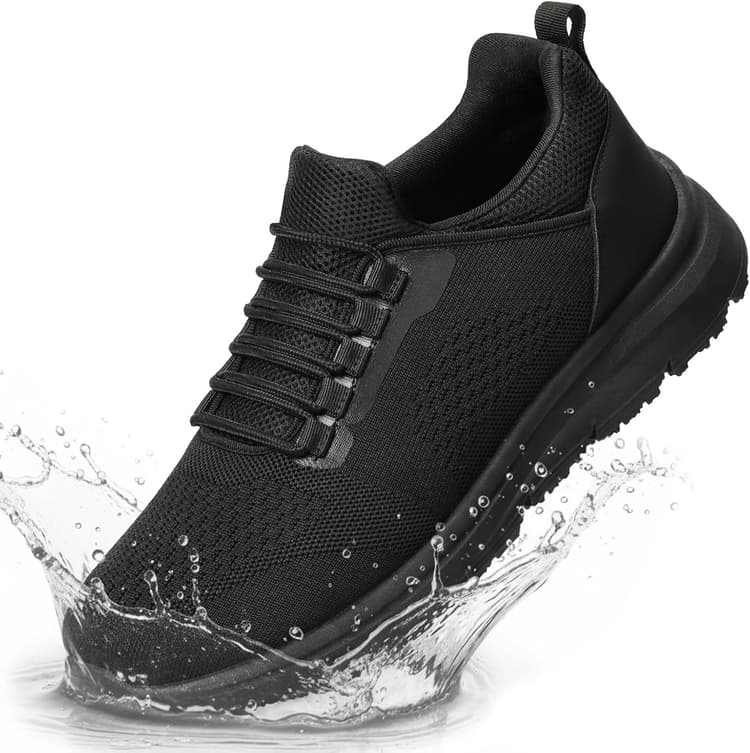
ZCVQX
$23.99
$39.99
-40 %
*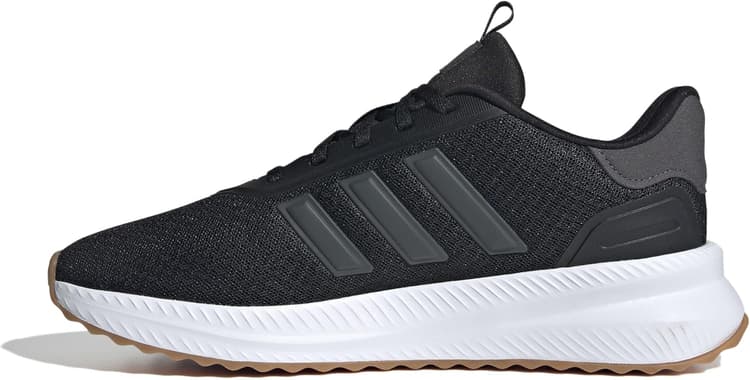
$43.00
$65.00
-34 %
*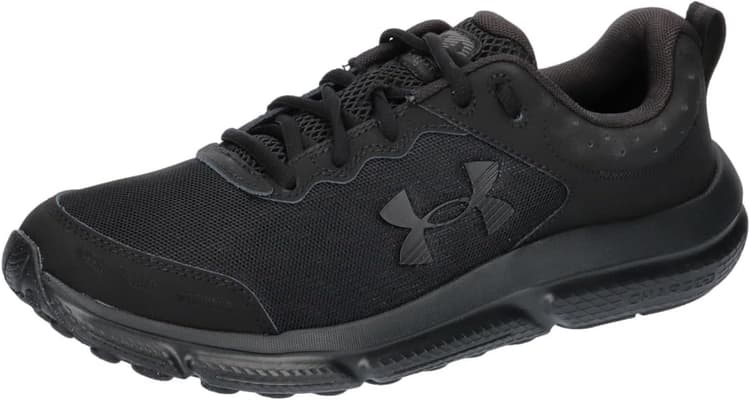
Under Armour
$49.99
$75.00
-33 %
*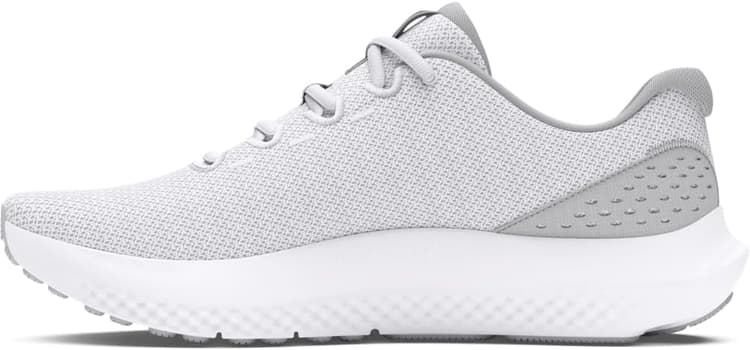
Under Armour
$45.30
$65.00
-30 %
*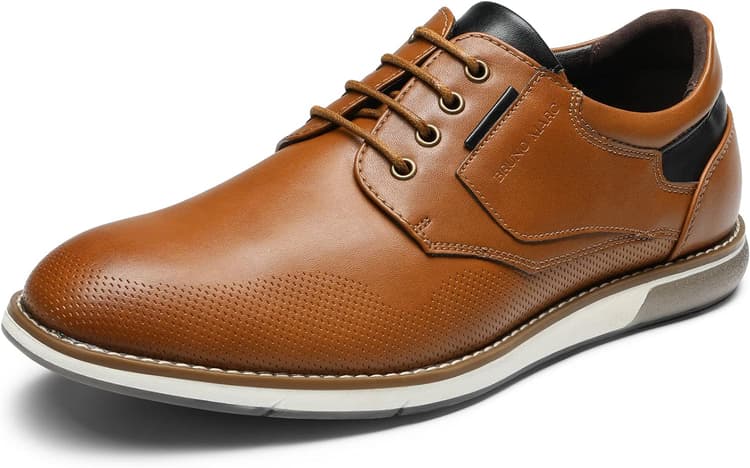
Bruno Marc
$40.99
$56.99
-28 %
*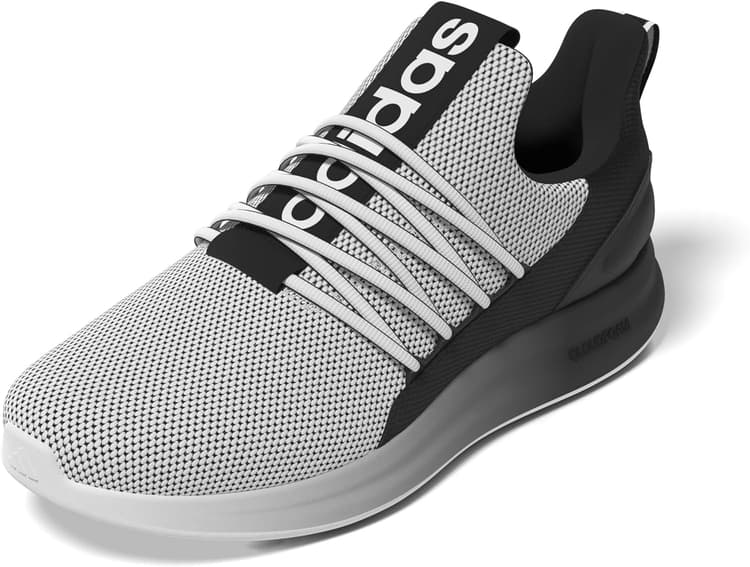
adidas
$51.97
$70.00
-26 %
*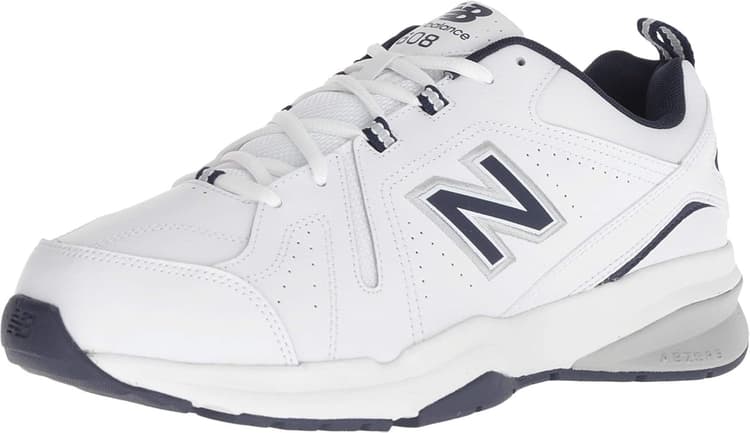
New Balance
$59.99
$79.99
-25 %
*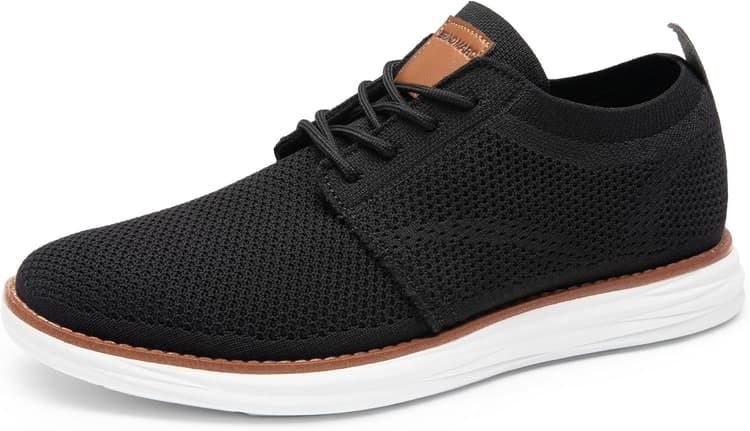
Bruno Marc
$39.99
$52.99
-25 %
*Start by clarifying the usage context. Ask specific questions: when will you wear these shoes? Daily work, formal events, long walking, occasional sport or travel? Determine usage frequency and performance needs (maximum comfort, refined appearance, technical features).
Do a quick inventory: what shoes do you already own and what are the gaps? For instance, someone with many sneakers but no dress shoes should favor a classic profile with flexible soles for office wear. Conversely, if you walk over 10,000 steps a day, prioritize cushioning, arch support and a durable outsole.
Also factor in personal constraints: wide or narrow feet, anatomical issues (bunions, heel sensitivity), material sensitivities, or sustainability preferences. Recording these constraints before browsing reduces options and directs choices of material and construction.
Finally set a realistic budget and distinguish between everyday pairs and items worth investing in (resoling, premium leather). Listing priorities (for example: comfort > durability > style) helps make trade-offs later. This preparatory analysis prevents impulse purchases and increases the chance you end up with shoes that truly work for you.
Price reflects a mix of factors: material quality, manufacturing method, design complexity, brand and distribution. Broadly speaking there are three common price tiers:
Other price drivers include manufacturing origin (labor costs), R&D (technical midsoles, premium foams), logistics and retailer margins. Brand positioning also matters: two similar shoes can be priced quite differently based on reputation.
From an editorial perspective, assess cost per hour of use rather than sticker price. An expensive pair worn for years and resoled can be more cost-effective than cheap shoes discarded after a season. If longevity matters, check if soles are replaceable and prefer robust constructions.
Sizing is more than length. Width, foot volume, arch height and heel fit all matter. Measure feet at the end of the day when they are slightly swollen and wear the socks you plan to use.
Simple procedure:
In-store, walk, climb stairs and stand for 10-15 minutes to find pressure points. At home, wear the pair for several hours on various surfaces to confirm comfort. Remember to account for insole thickness if you use orthotics.
Also know return policies: brands have different size tolerances and last shapes. Keeping a record of your foot measurements (length, forefoot width, arch height) will make online purchases less hit-or-miss.
Materials largely determine shoe behavior and lifespan. Common materials and their traits:
Regarding soles and construction: cemented soles are cost-effective but less reparable than stitched constructions (Goodyear welt, Blake). Rubber outsoles offer better traction and are often replaceable. Inspect stitching around the toe and heel: even stitches and reinforced wear areas extend service life.
Maintenance and repairability are part of durability. A well-maintained pair can last many years. If you lack time for leather care, a well-made synthetic waterproof shoe may be a more practical choice.
When comparing models, pick a few core features and evaluate them practically. Simple guide per criterion:
Prioritize these features according to your usage from step 1. For a day on your feet in the city, prioritize support, comfort and breathability over ultra-lightweight. Also note practical details: lacing design, ease of entry, cleaning and compatibility with orthotics.
Several common mistakes crop up repeatedly and are easy to fix once you know them:
Prevention and fixes:
A methodical approach and real-world testing turn common mistakes into learning steps. The aim is to buy fewer pairs but better ones, matching investment to true use.
adidas
$16.29
$65.00
-75 %
*$43.00
$65.00
-34 %
*New Balance
$59.99
$79.99
-25 %
*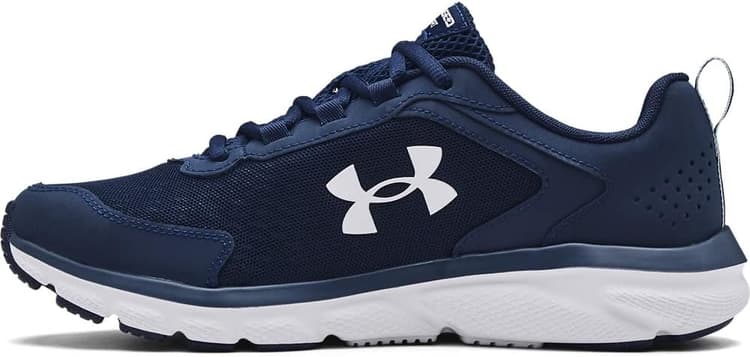
Under Armour
$59.99
$74.95
-20 %
*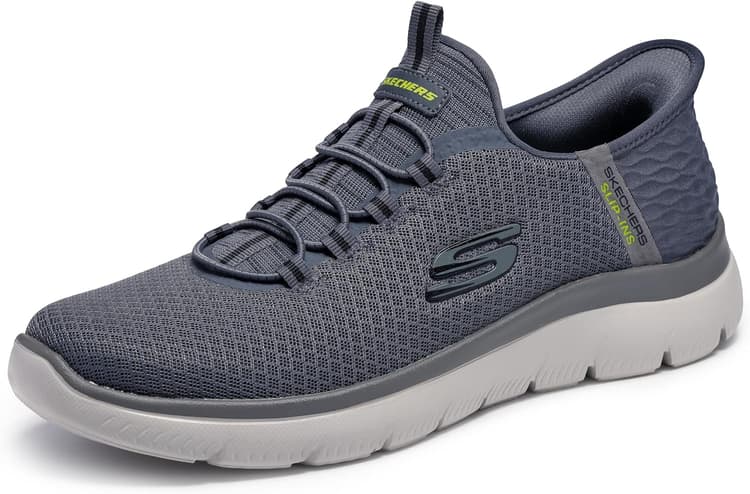
Skechers
$56.30
$63.14
-11 %
*Under Armour
$49.99
$75.00
-33 %
*Bruno Marc
$39.99
$52.99
-25 %
*Under Armour
$45.30
$65.00
-30 %
*Bruno Marc
$40.99
$56.99
-28 %
*Under Armour
$41.97
$70.00
-40 %
*Skechers
$49.18
$87.00
-43 %
*adidas
$51.97
$70.00
-26 %
*To conclude, buying men's shoes benefits from preparation: define usage, measure your feet accurately, understand how price ties to materials and construction, and compare features based on your priorities. Follow this practical sequence: 1) list your needs and priorities, 2) measure feet at day's end, 3) pick 2-3 models that meet criteria, 4) test them in conditions similar to daily use, and 5) check for resolability and return policy.
In the long run favor repairability and maintenance over frequent replacement. A well-made, cared-for pair lowers cost per hour of use and reduces environmental impact. Keep receipts and record your measurements to simplify future purchases, especially online. This guide aims to make you self-sufficient in technical evaluation while maintaining a pragmatic focus: let real needs steer your decision.
This guide was written independently to clarify how to choose men's shoes using practical and technical criteria. Recommendations are based on a synthesis of public sources, manufacturer specifications and in-store best practices. No specific brand is favored. The goal is educational: to explain how to assess objective elements (construction, materials, fit) so readers can compare on their own. Any commercial links on a page are disclosed separately and do not affect the evaluation criteria described here.
Our selections rely on independent analysis and hands-on testing, without commercial influence.
Clear comparison guides based on technical criteria and expert reviews.
We frequently revise articles to reflect new models and fashion trends.
Some links are affiliate: we may earn a commission and redirect you to trusted partner retailers.