
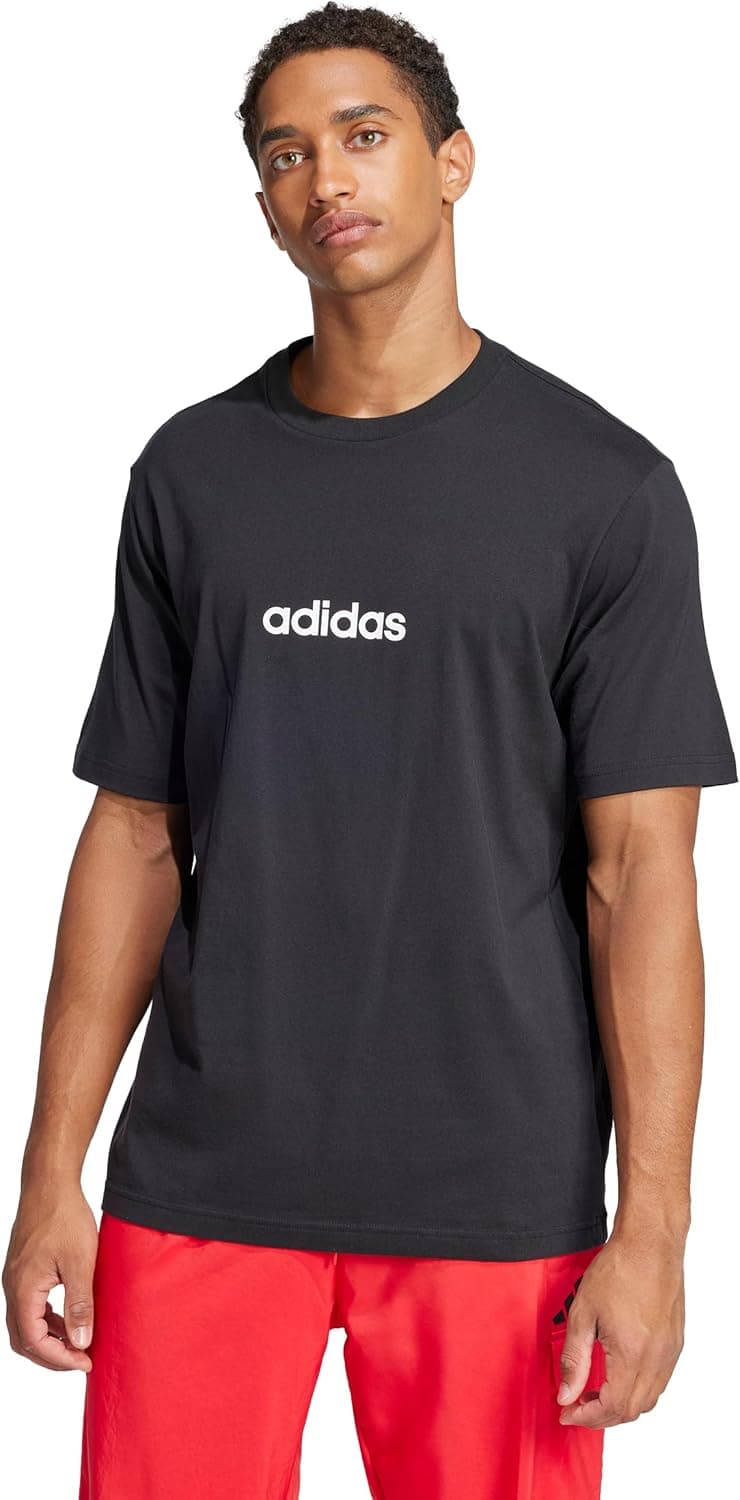
adidas Originals
Adidas Mens Essentials Linear Single Jersey T-Shirt
★★★★☆4.7
$10.39
$25.00
-58 %
*
Product analyst covering fabric tech, fit advice, and budget-friendly finds.

This pedagogical guide is designed to teach you how to choose men's activewear through clear, step-by-step criteria. It does not rank specific products; instead it explains how to identify needs, interpret price differences, select fit and fabric, and evaluate day-to-day performance. The method is sequential: first define your primary activity - running, weight training, cross-training or casual wear - then map that activity to technical requirements and comfort priorities.
Editorial choices are explicit: we emphasize long-term value and versatility for frequent use, explain when technical treatments like odor control or water resistance are worth the extra cost, and offer simple checks for fit that do not require trying multiple brands. Examples are practical: how to measure inseam for shorts, how much stretch to expect for a cross-training tee, and which fibers tend to hold up to abrasion.
The guide suits readers who prefer learning by steps. Each section includes checklists and quick tests you can perform at home. The same rules apply for online shopping: understand sizing, look for durable construction, and compare features rather than rely solely on brand names. Tone is factual and neutral, aimed at both beginners and experienced users seeking clearer selection criteria.
adidas Originals
$10.39
$25.00
-58 %
*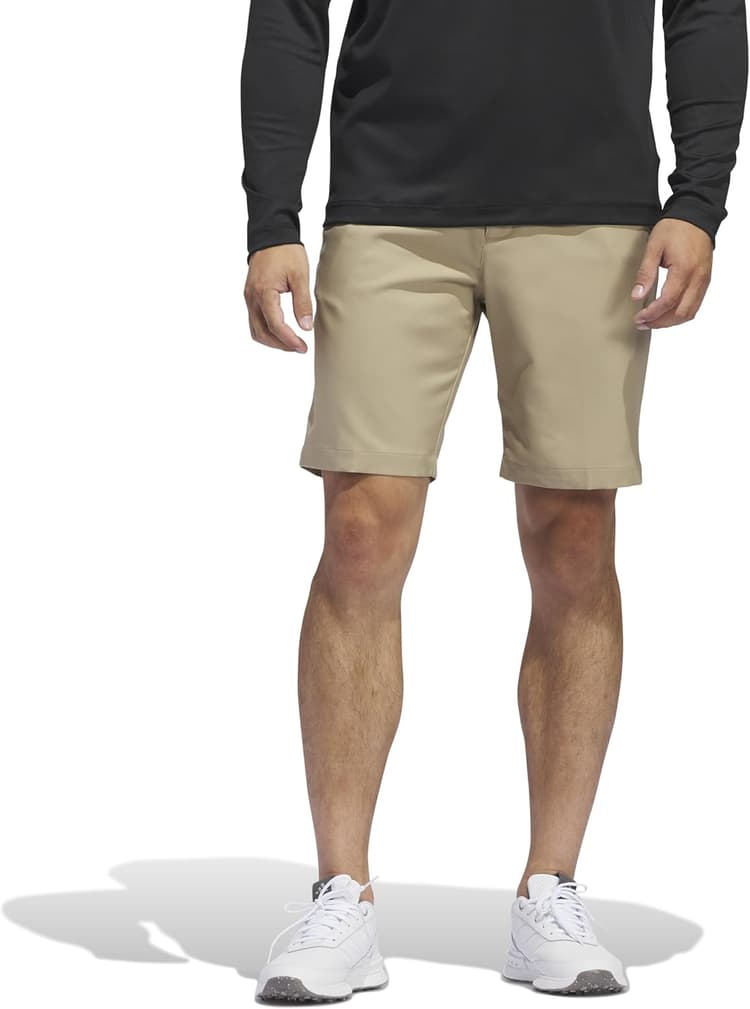
adidas
$25.65
$60.00
-57 %
*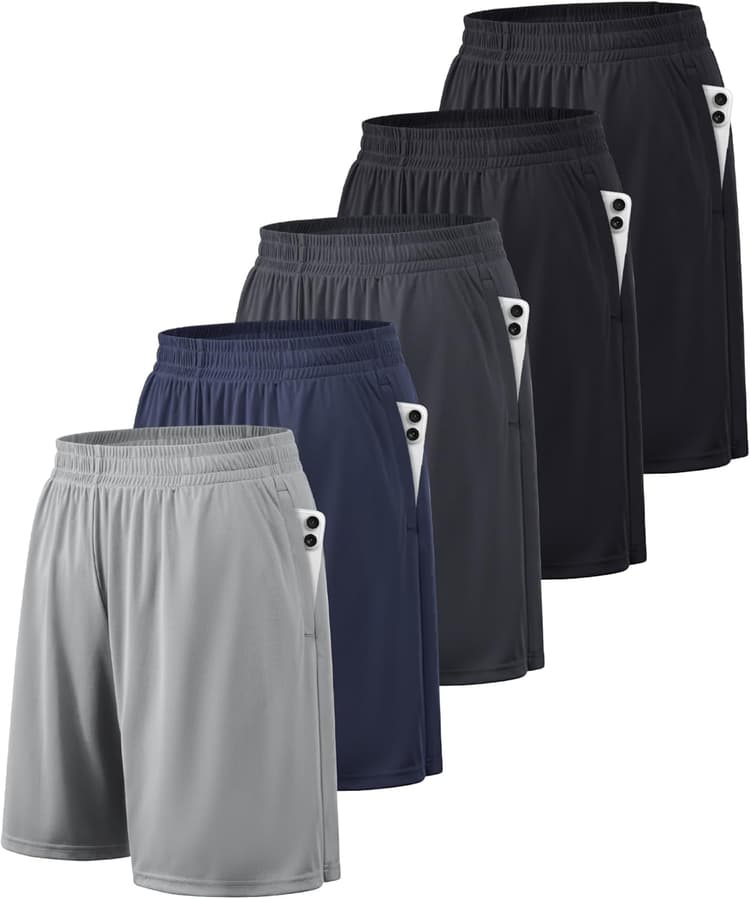
BALENNZ
$19.99
$43.99
-55 %
*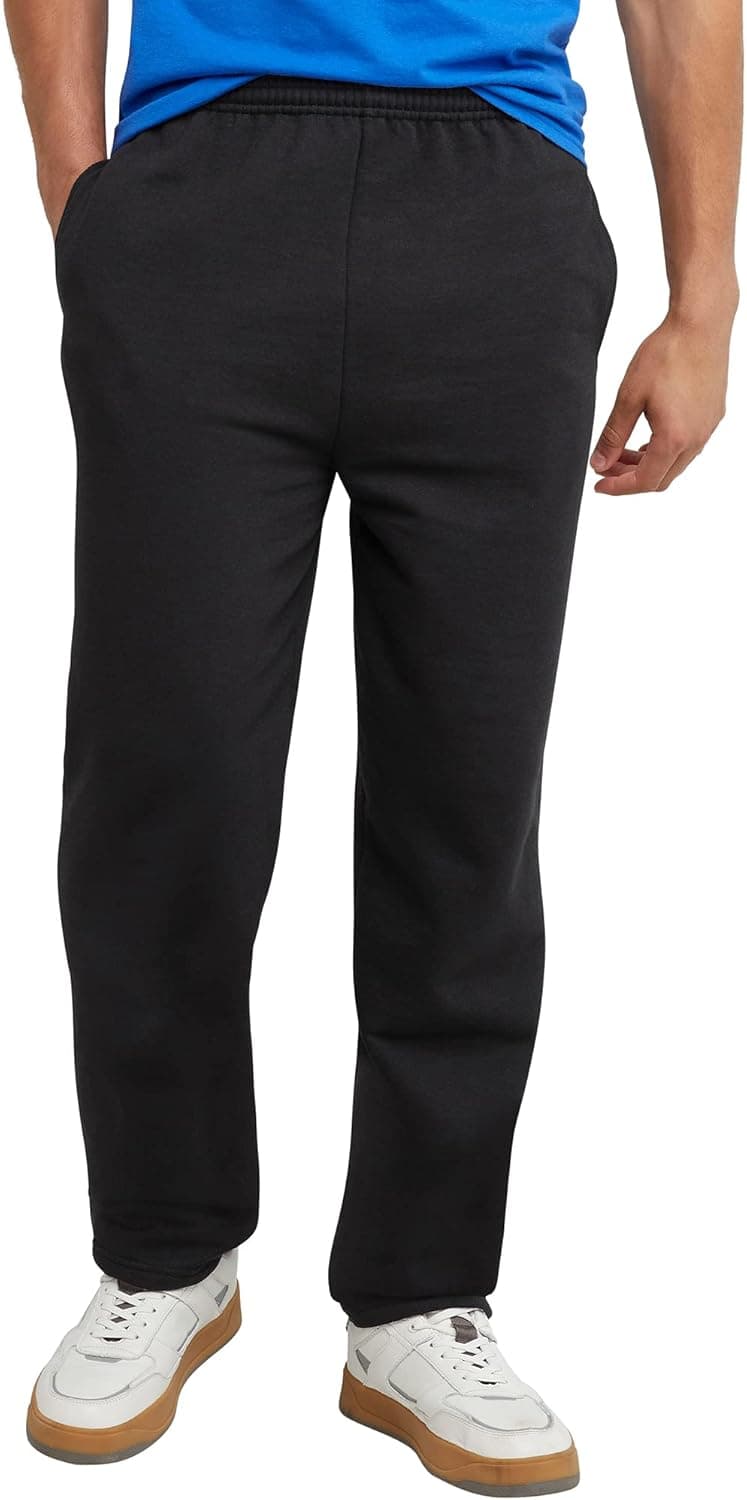
Hanes
$9.99
$22.00
-55 %
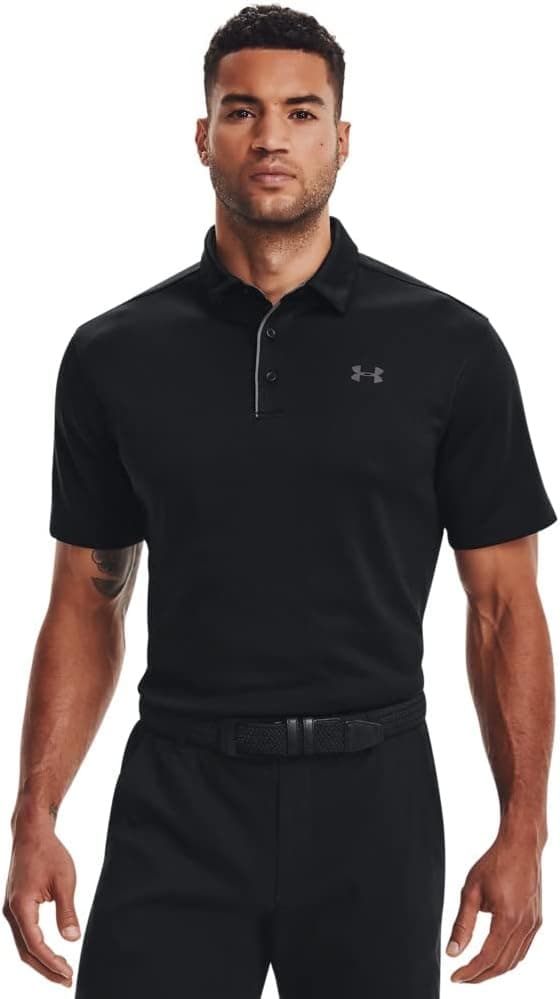
*
Under Armour
$20.81
$39.99
-48 %
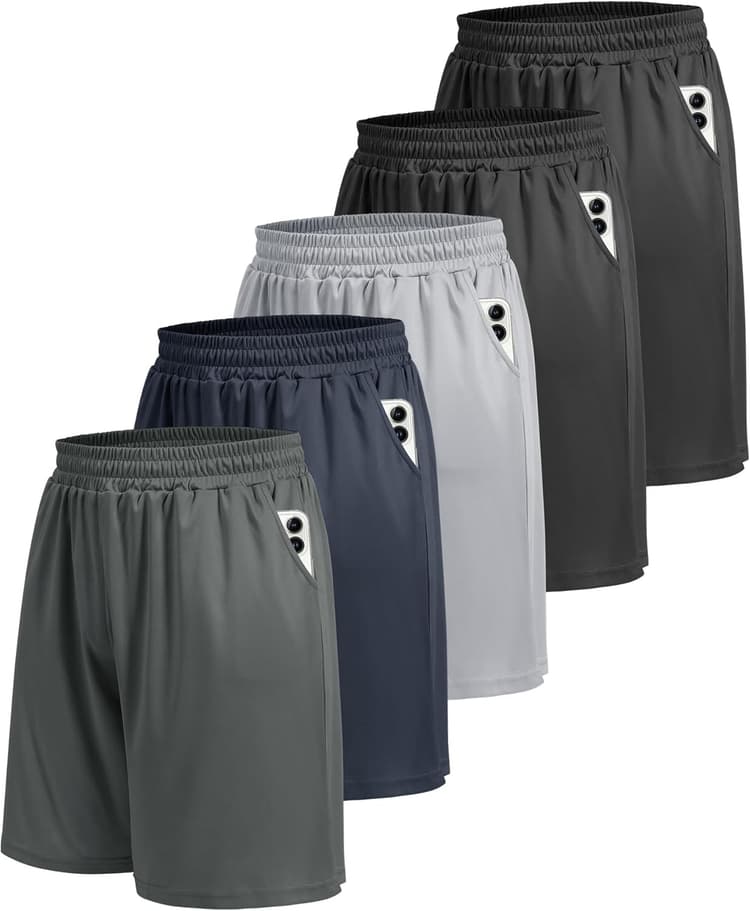
*
BOOJO
$19.99
$35.99
-44 %
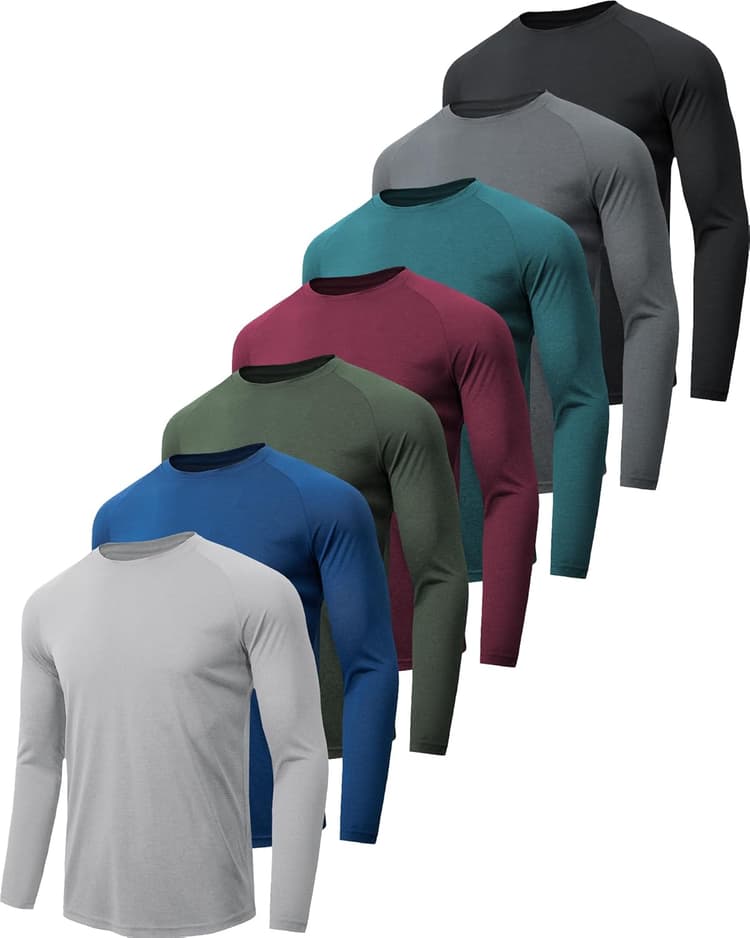
*
MLYENX
$33.99
$53.99
-37 %
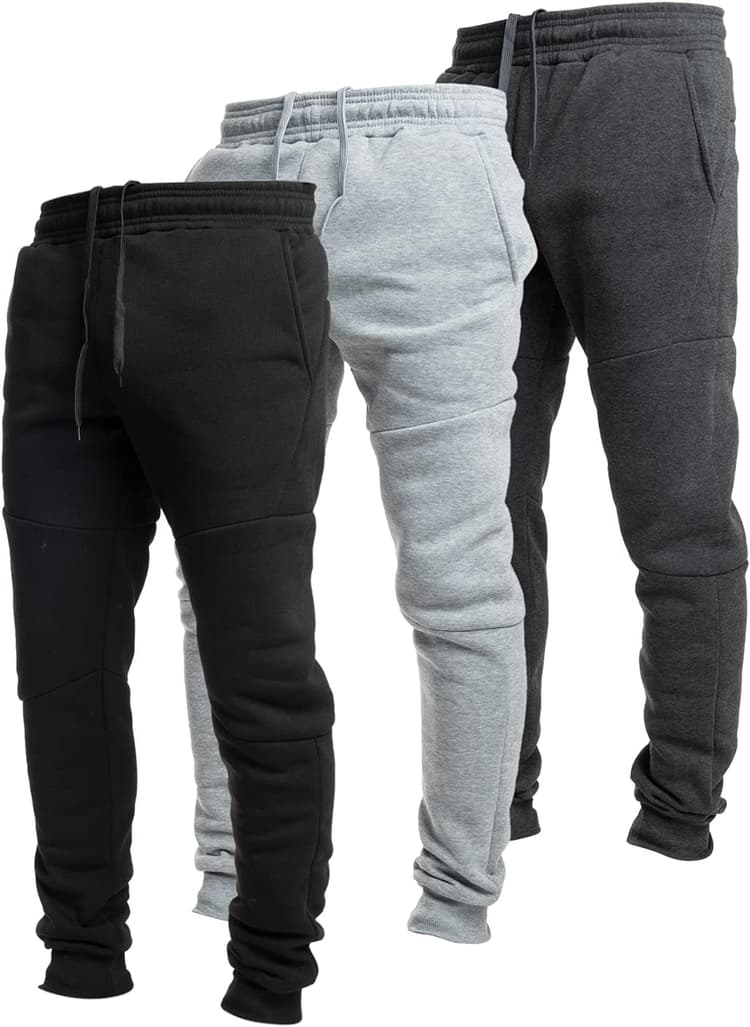
*
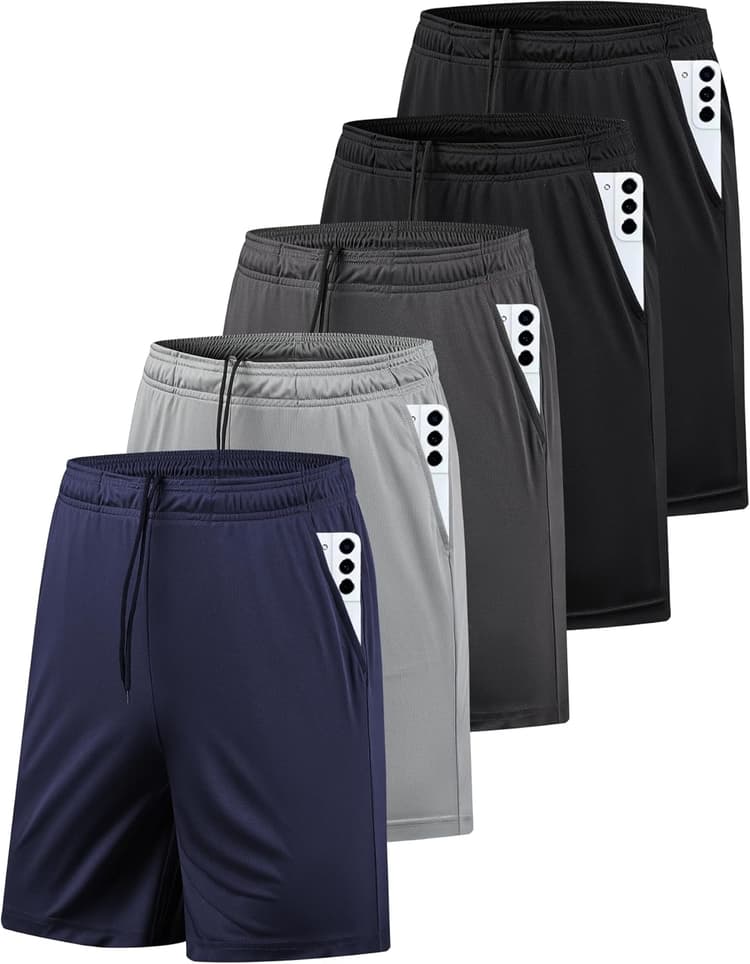
Ultra Performance
$37.99
$59.99
-37 %
*
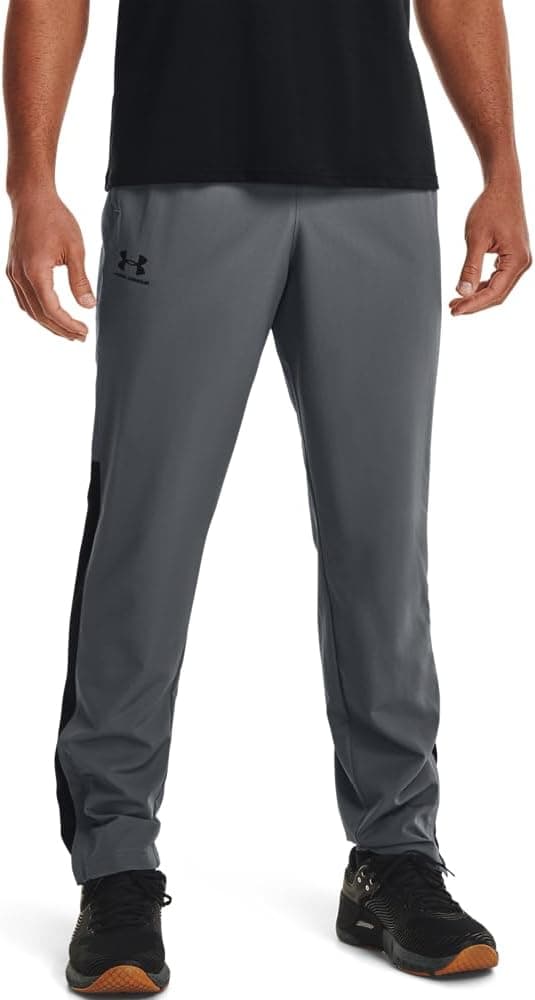
AKAWOOKO
$19.99
$26.99
-26 %
*
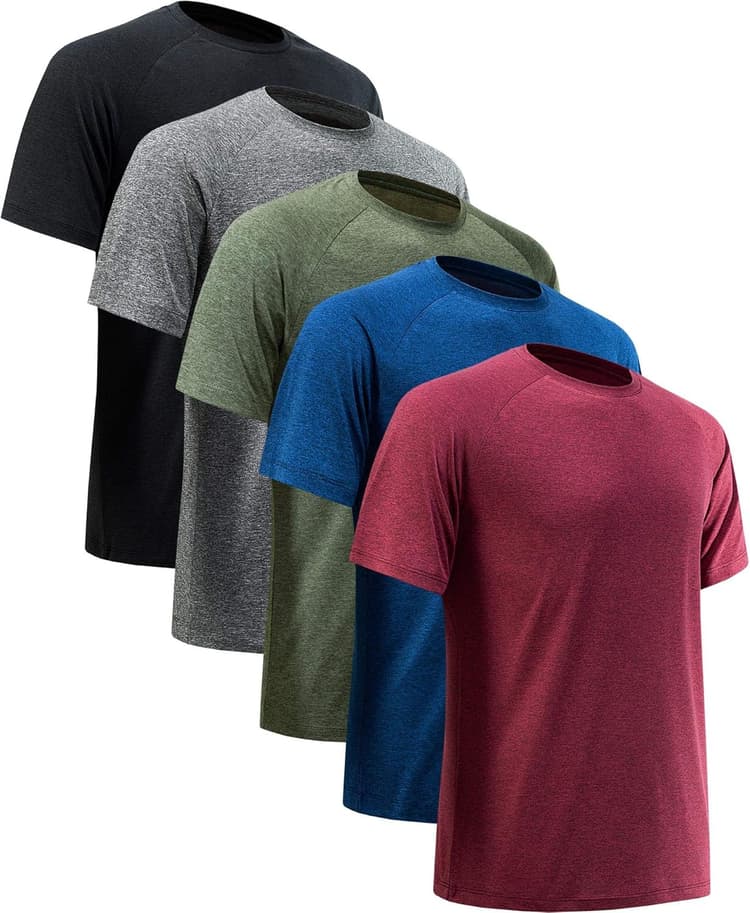
Under Armour
$31.68
$40.00
-21 %
*
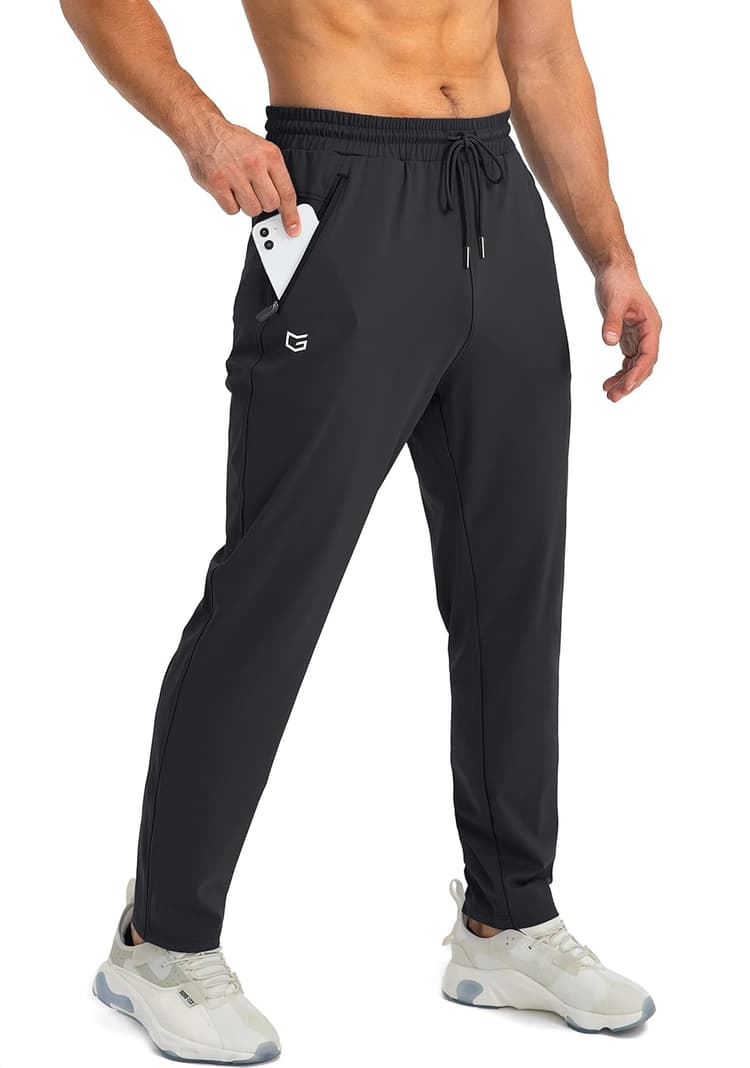
MCPORO
$19.99
$24.99
-20 %
*
G Gradual
$23.99
$29.99
-20 %
*Start by specifying the contexts where you'll wear the clothes. Running requires range of motion and moisture management; weightlifting demands abrasion resistance and freedom of movement. Use this five-step process to clarify needs:
List main and secondary activities - for example running, gym training, cycling, yoga, or casual wear. Each activity shifts fabric and fit priorities.
Determine how often you will wear the item. Garments used multiple times a week often justify higher investment in durable fabrics and odor control.
Consider climate constraints. Hot environments call for breathability and moisture wicking; cool conditions require windproofing and light insulation.
Decide on style and versatility. Do you want a technical look or something discreet for everyday wear? Versatility reduces the number of garments you need.
Identify non-negotiables: a secure pocket, odor-resistant finish, UV protection, or compatibility with layering.
Practical examples: if you run 30 minutes four times a week, prioritize shorts or pants with quick-dry fabric and ventilation zippers; if you lift weights three times a week, choose a tee with good stretch and flat seams. Create a short usage brief before shopping: activity, frequency, climate, priorities. Use that brief to quickly compare options.
Activewear prices reflect several often-misunderstood drivers. To make smarter purchases, separate sticker price from the true cost tied to performance and longevity. Key cost factors include:
Fabric composition: technical fibers (recycled polyester, high-tenacity nylon, merino wool) are pricier than basic blends. Recycled fibers may cost more to produce but lower environmental impact.
Treatments and technologies: odor-control, durable water repellent (DWR), windproof or waterproof-breathable membranes, and UV treatments increase cost.
Construction and features: reinforced seams, flatlock stitching, watertight zippers, concealed pockets and trim details add manufacturing time and expense.
Quality control and origin: garments made under stricter standards or in certified factories often carry higher costs, as do small-batch productions.
Brand positioning: some brands price for image, which is not always proportional to technical performance.
How to apply this: if durability is a top priority, invest in robust fabrics and reinforced constructions even at higher prices. For seasonal or occasional items, a lower-priced option may be acceptable. To evaluate value, compare technical specifications rather than price tags alone. Also consider multi-use items to spread cost over more activities.
Size and comfort are leading causes of returns and dissatisfaction. A teaching approach focuses on three pillars: measurements, fit type, and movement testing.
Essential measurements: record chest, waist, hip and inseam using a soft measuring tape. Use the manufacturer's size chart rather than a generic table.
Understand fits: terms like slim, regular and relaxed indicate body clearance. For performance wear, allow some space for ventilation but not so much that fabric rubs. Compression items are meant to be snug; follow brand guidance.
Movement test: mimic sport-specific motions: lunges, squats and overhead reaches for running or cross-training. The garment should allow full range without stressing seams.
Perceived comfort: check seams against skin, elastic positioning and tag placement. Blends with elastane provide a softer return after stretching.
Online purchase rules: read size-run comments, confirm return policy, and account for slight shape changes after the first wash.
Practical examples: for a versatile hoodie, leave 2-4 cm of room at the chest to layer a light top underneath. For leggings, measure inseam and prefer a waistband that stays put during activity. These simple checks reduce returns and improve daily use.
Knowing materials helps predict longevity and performance. Here is an overview of common options and what they contribute:
Polyester: lightweight, quick-drying and good at wicking; recycled polyester reduces environmental footprint but is not automatically more abrasion-resistant.
Nylon: strong abrasion resistance, commonly used for pants and jackets; it can retain more moisture than polyester unless treated.
Merino wool: natural temperature regulation and odor resistance; suited for mid-layers and mixed-use garments, but more prone to snags.
Elastane (spandex, Lycra): provides stretch. The proportion affects shape retention and comfort in high-movement areas.
Weaves and knits: tight knits resist abrasion better; open knits increase breathability. Brushed fabrics retain warmth.
Treatments: DWR adds water repellency but wears off; check notes on treatment durability. Odor-control finishes often use silver salts or chemical treatments; effectiveness and longevity vary.
Construction: flatlock seams, reinforced zones and ergonomic panels extend life. Reinforcements at knees and seat in pants indicate designs intended for heavy use.
To assess durability without long-term testing: examine fabric density, hem finishes, zipper quality and reinforcements in high-friction areas. These cues reveal whether a garment is likely to withstand repeated washes and wear.
When choosing between two items, compare measurable features and test performance in everyday scenarios. Key characteristics and how to interpret them:
Moisture management: look for 'moisture-wicking' or 'quick-dry' fabrics. A simple test: wet the fabric slightly and time how fast it dries.
Breathability: comes from fabric construction and vents. Practical test: hold the fabric to your mouth and blow; more airflow indicates higher breathability.
Stretch and recovery: stretch the fabric and release it. Good stretch snaps back quickly; poor stretch remains distorted.
Odor control: hard to quantify without extended use, but check for odor-control treatments and opt for durable finishes for frequent wear.
Ventilation features and zips: ventilation zips at thighs or underarms improve comfort during intense activity.
Pockets and accessibility: assess pocket size, presence of a secure interior pocket and placement relative to movement. Poorly placed pockets cause discomfort and sagging.
Closures and adjustments: drawcords, Velcro and zippers should be robust and ergonomically placed.
Care requirements: read washing instructions. Technical treatments may require special care; improper washing shortens garment life.
Practical field test: wear the item for a short session and note friction points, seam behavior, support and comfort over 30-60 minutes. Use a simple observation grid: heat, moisture, movement, odor and comfort. This approach effectively compares different options.
Beginners often make avoidable mistakes. Below are common errors and practical expert tips to correct them.
Common mistakes:
Buying for looks instead of function: an attractive garment may be unsuitable for activity. Prioritize purpose.
Ignoring true size: choosing your usual size without measuring often results in poor fit, especially with international brands.
Overlooking care instructions: some treatments require specific washing; high heat or fabric softeners can degrade performance.
Underestimating seams and closure durability: a poor zipper will fail sooner than worn fabric.
Accessible expert tips:
Focus on key stress zones: seat, knees, armpits and crotch. Check for reinforcements and seam quality in these areas.
Invest in two versatile pieces rather than many specialized ones. A reliable pair of pants and a technical tee cover most needs.
Judge value by intended use: increase budget for heavy-use gear; for travel or occasional use, a budget option can suffice.
Maintain garments: wash in cold water, avoid fabric softeners, air-dry and only reapply DWR when needed.
Quick field test: wear the item for 30-60 minutes simulating your activity. Take notes and compare.
Use layering strategy: learn to layer to regulate temperature instead of buying many single-purpose items.
These recommendations reduce common errors and lead to more rational purchases. The aim is to buy fewer, better items based on use and longevity rather than trends.
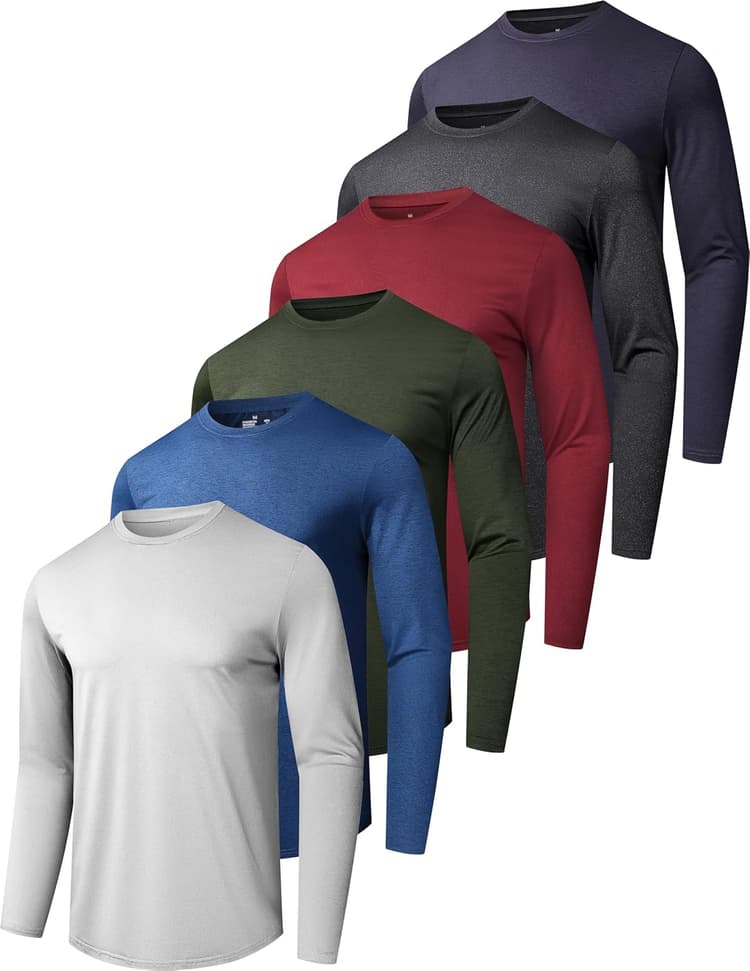
Under Armour
$20.81
$39.99
-48 %
*
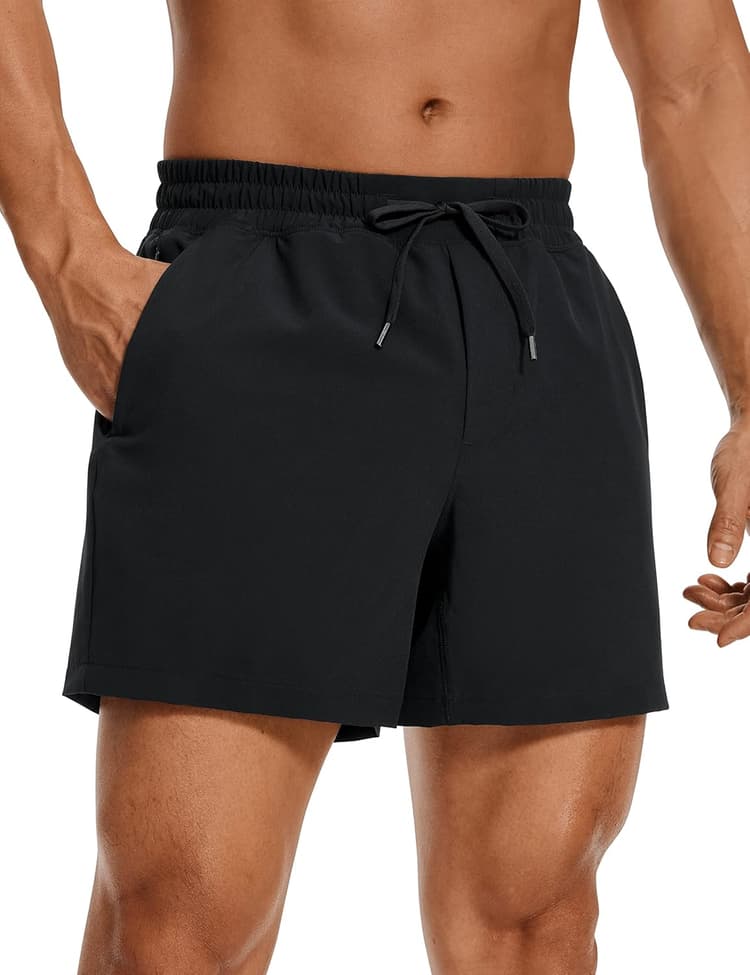
OYGSieg
$33.98
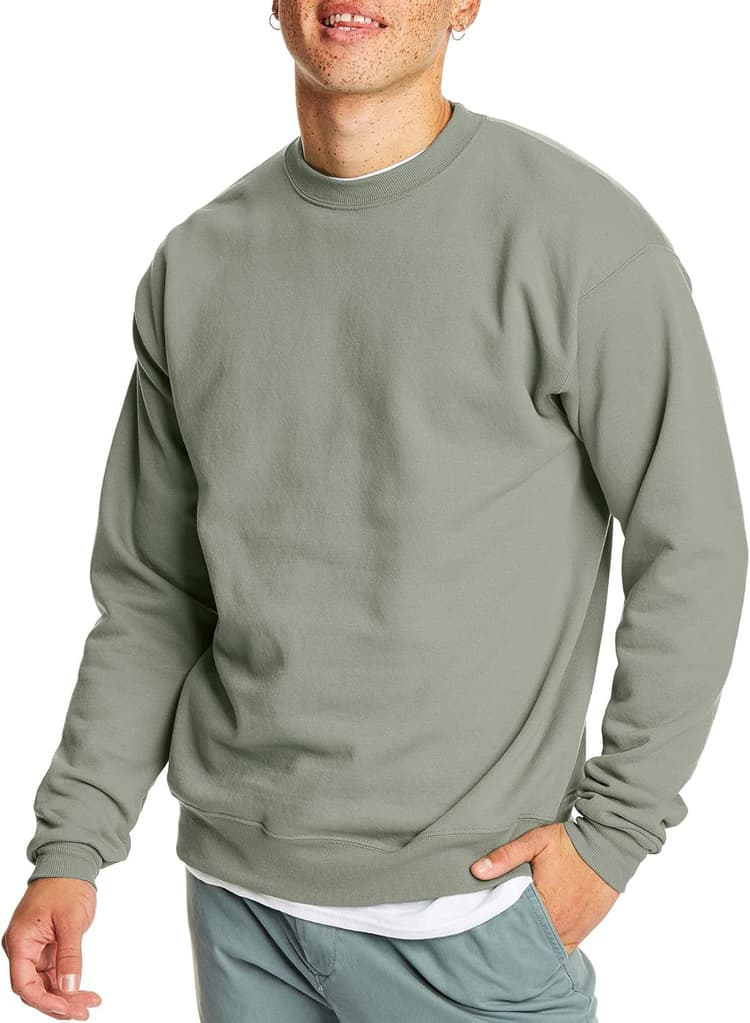
CRZ YOGA
$28.00
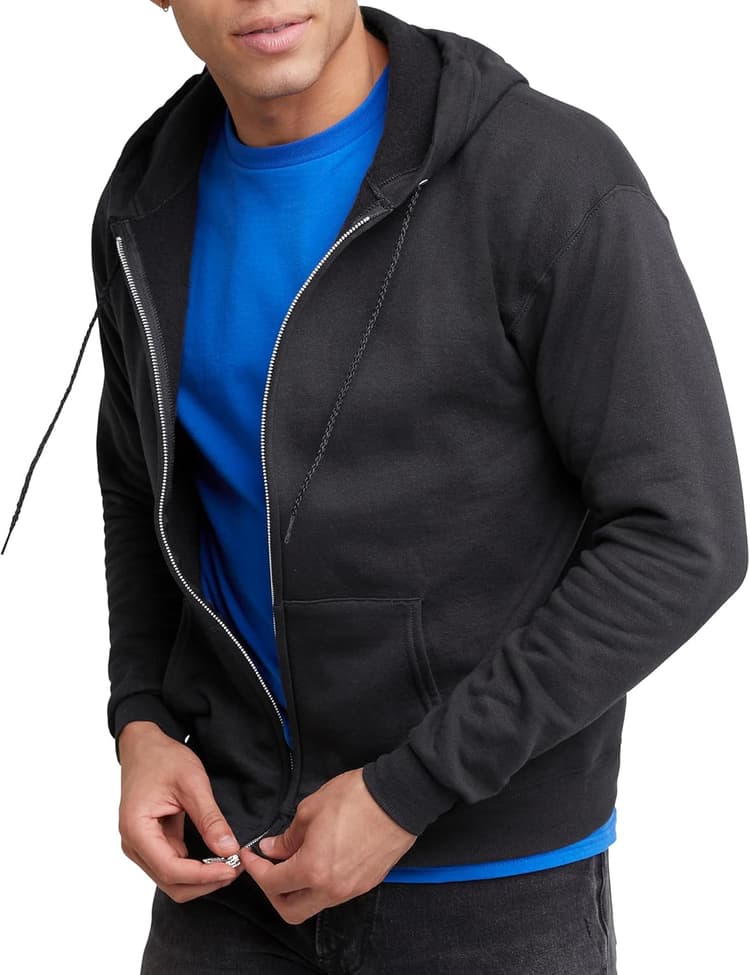
Hanes
$13.00
Hanes
$15.50
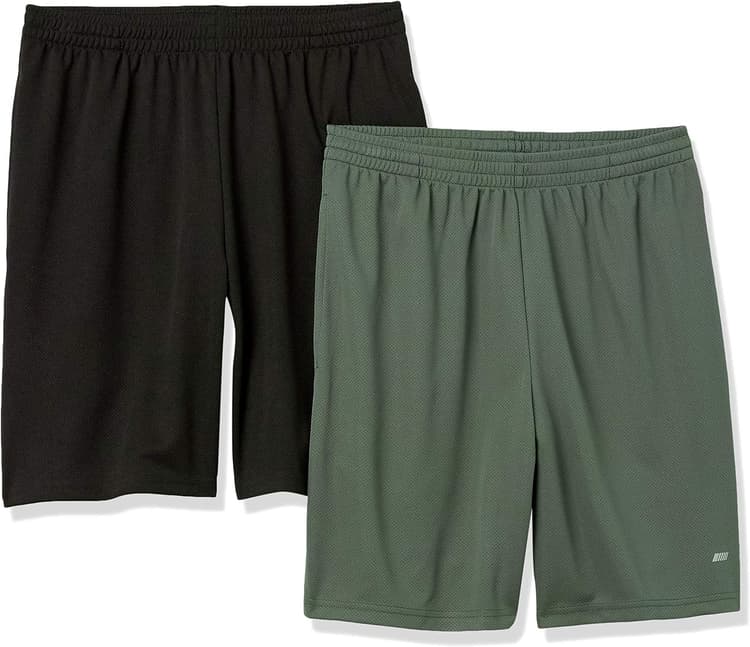
Amazon Essentials
$14.48
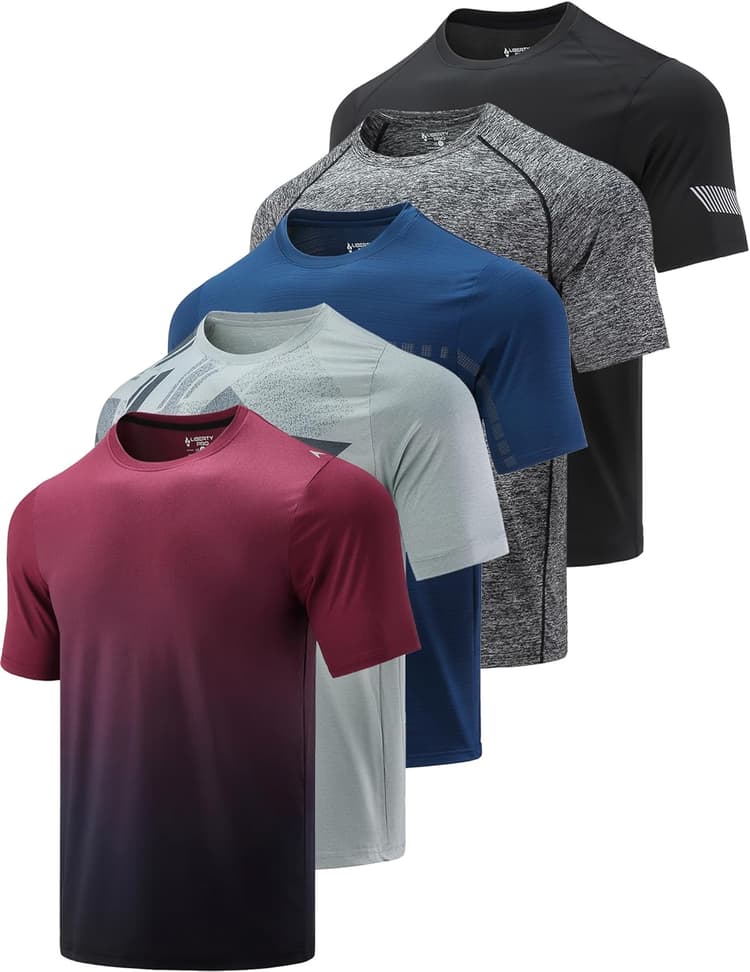
Liberty Imports
$39.95
BALENNZ
$19.99
$43.99
-55 %
*MLYENX
$33.99
$53.99
-37 %
*BOOJO
$19.99
$35.99
-44 %
*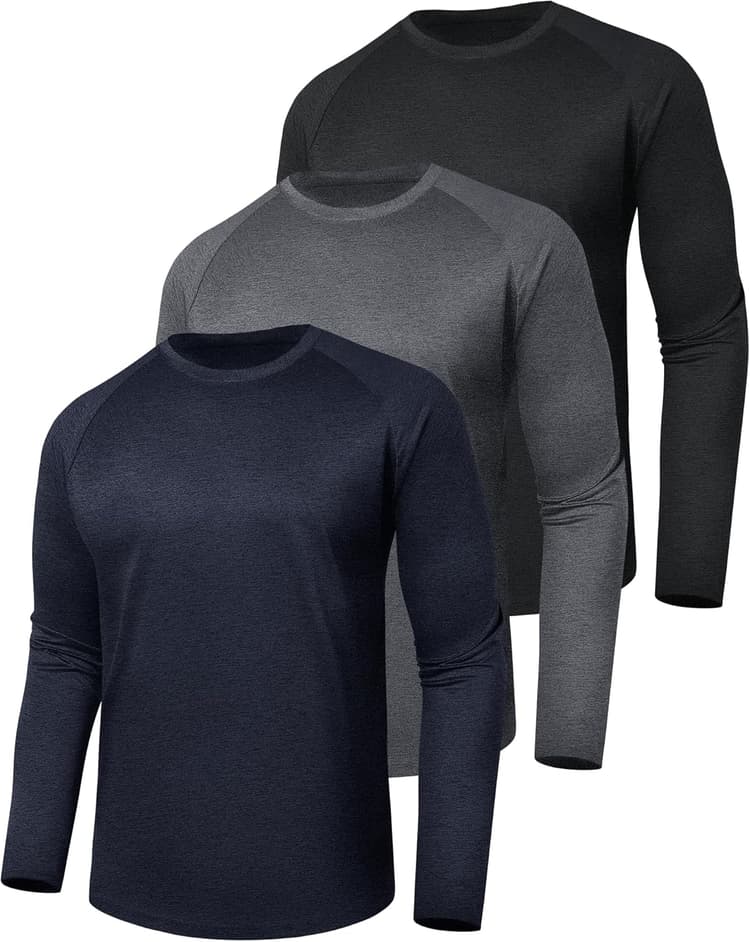
LalaHooK
$12.99
$15.99
-19 %
*AKAWOOKO
$19.99
$26.99
-26 %
*Selecting men's activewear becomes systematic when you follow a few simple steps: define your activity, take accurate measurements and understand fit, compare materials and features, then test garments in real conditions. Key takeaways are usage frequency, the balance between performance and versatility, construction quality and care needs.
A practical technique is to create a purchase brief and use a five-point evaluation grid: fit, breathability, moisture management, durability and features (pockets, zips, adjustments). For online shopping, rely on your brief, consult size charts, examine detail photos and read technical reviews.
Finally, think long-term: investing more in items you use frequently can be more economical over time. For occasional use, opt for simpler, lower-cost choices. The goal is to increase satisfaction while reducing returns and impulse buys. Following the steps in this guide will help you choose activewear that better fits your real needs and improves how you manage an active wardrobe.
This guide is produced from technical principles and common practices in sports textiles. Recommendations are based on analysis of materials, construction and typical uses, plus simple tests you can reproduce at home. Our editorial choices are explicit: we favor durability and versatility where relevant. Some pages may include commercial links; when affiliate links are present they are disclosed in line with transparency practices. This guide does not compare specific products nor claim partnerships with particular brands.
Our selections rely on independent analysis and hands-on testing, without commercial influence.
Clear comparison guides based on technical criteria and expert reviews.
We frequently revise articles to reflect new models and fashion trends.
Some links are affiliate: we may earn a commission and redirect you to trusted partner retailers.