
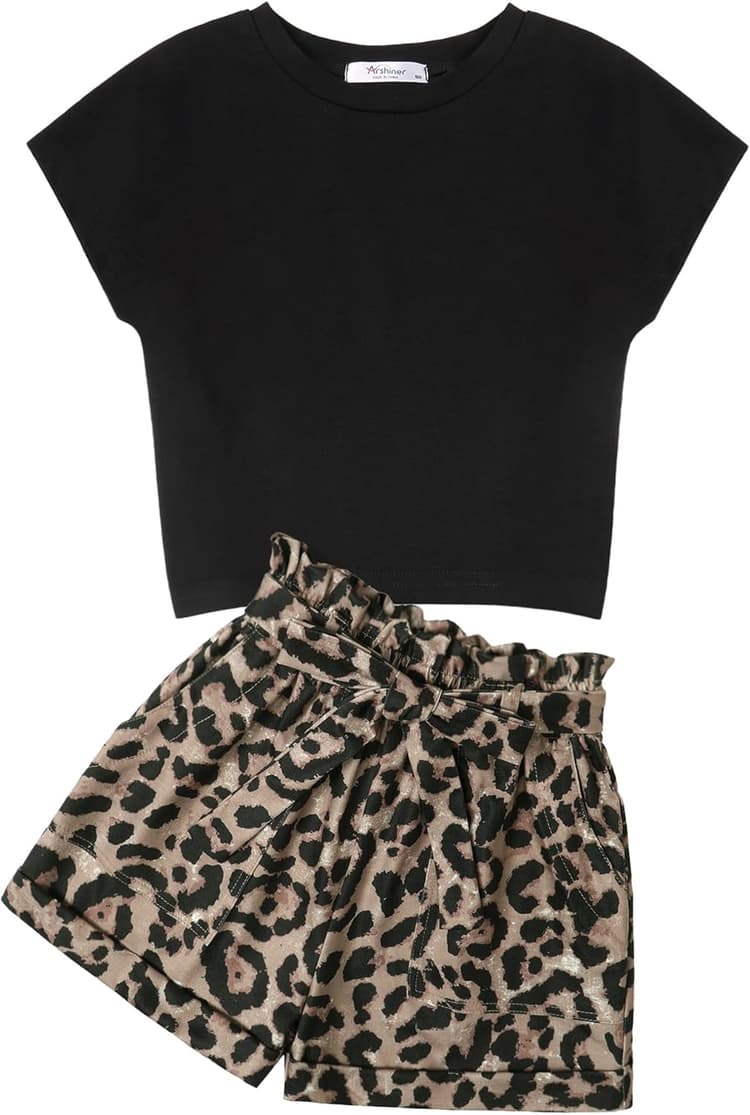
Arshiner
Arshiner Girls 2 Piece Outfit Summer Drop Shoulder Batwing Sleeve Tops and Paperbag Waist Shorts Set Cute Clothing Size 6-14
★★★★☆4.7
$17.97
$35.99
-50 %
*
Product analyst covering fabric tech, fit advice, and budget-friendly finds.

This guide is designed to help anyone buying clothes for a girl—infant, school-age child or teen—by explaining the decision criteria rather than listing products. Its pedagogical approach breaks down needs assessment, price levels, size and comfort selection, fabric and durability analysis, and how to judge everyday performance.
You will find practical signposts for comparing items that at first glance look alike: how to read a fabric composition, what to check on a care label, why a better waistband can prevent frequent adjustments, and how a breathable fabric affects summer comfort. Advice is organized by use case (school, sports, outings), season and growth patterns. Each section offers measurable criteria and concrete examples so you can make informed choices.
From an editorial perspective the content is factual and instructional: pros and cons are stated and situations where higher cost is justified are described. The guide avoids brand endorsements and fixed prices to remain relevant across regions and budgets. A short FAQ addresses common questions and a transparency note explains the editorial method used.
Arshiner
$17.97
$35.99
-50 %
*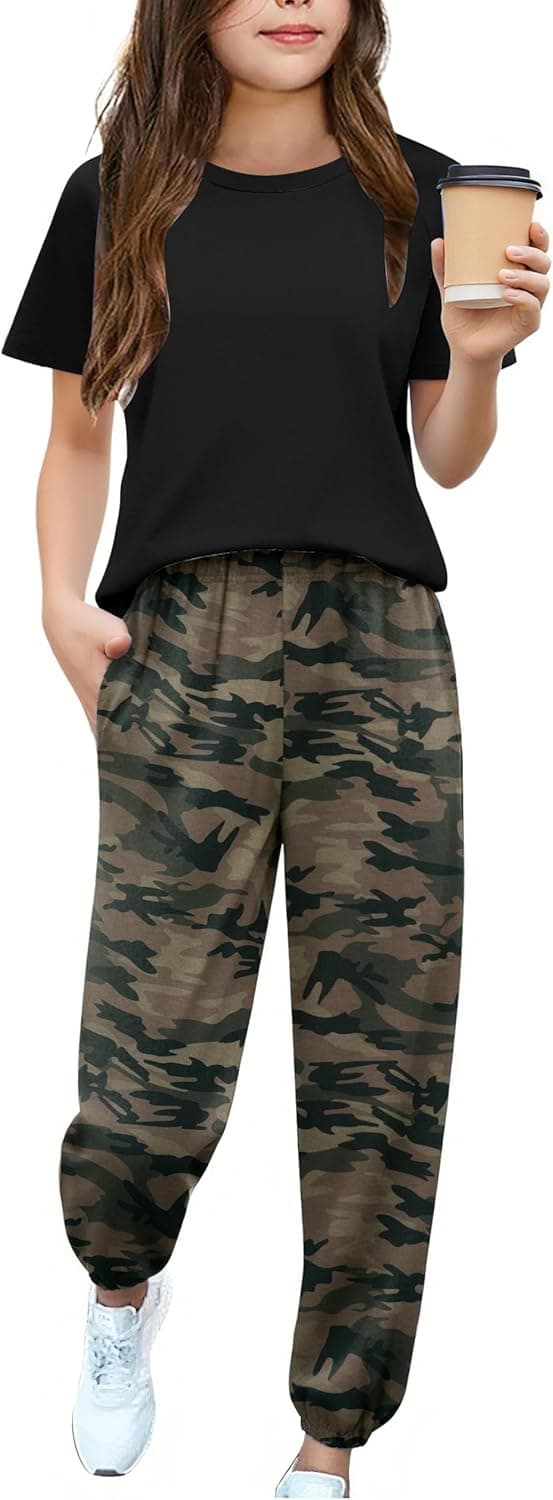
Arshiner
$19.99
$35.99
-44 %
*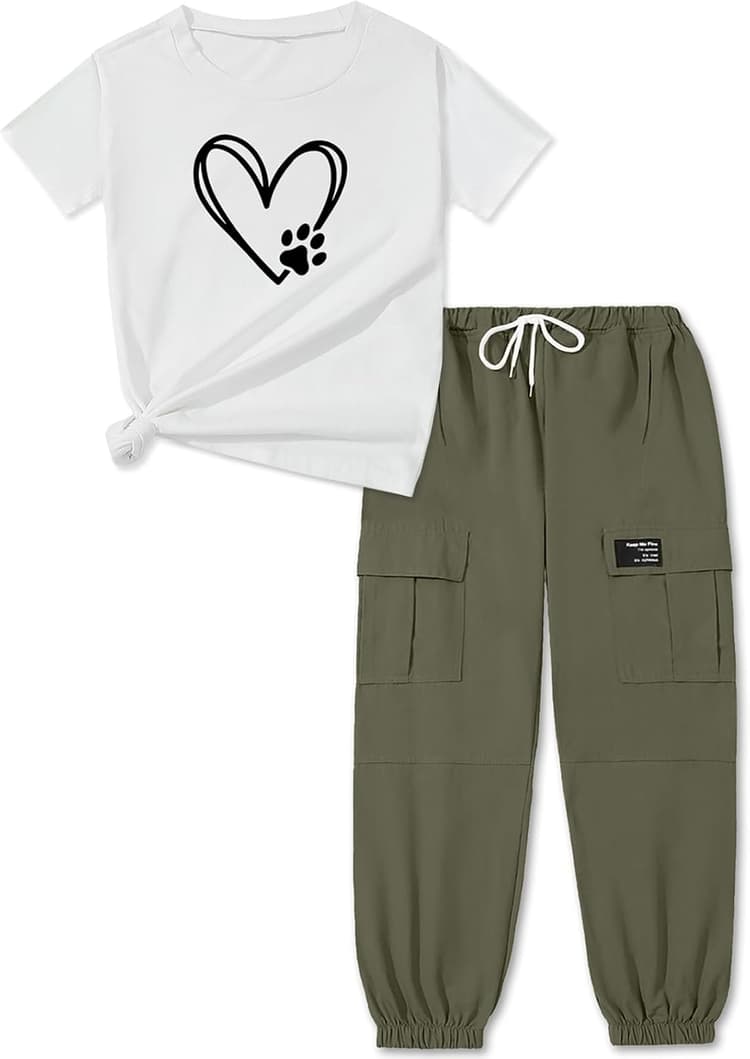
ARTMINE
$18.90
$29.90
-37 %
*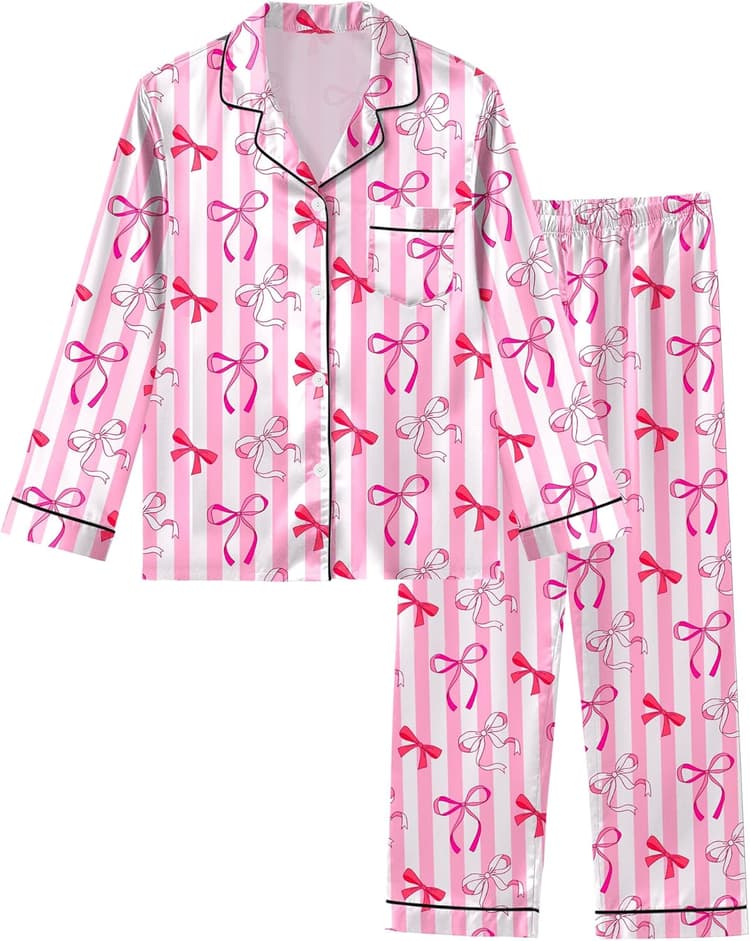
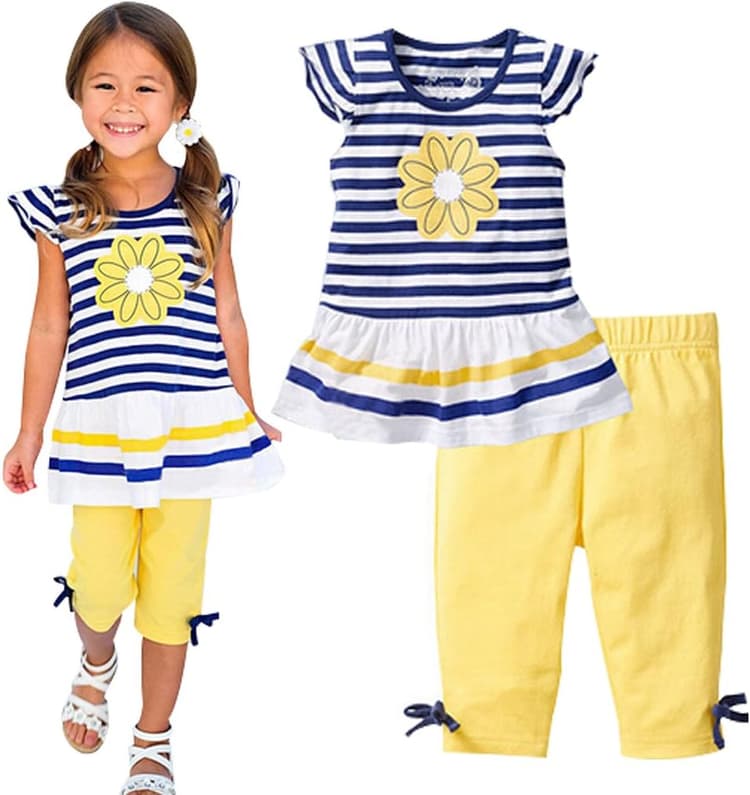
Sylfairy
$12.99
$19.99
-35 %
*
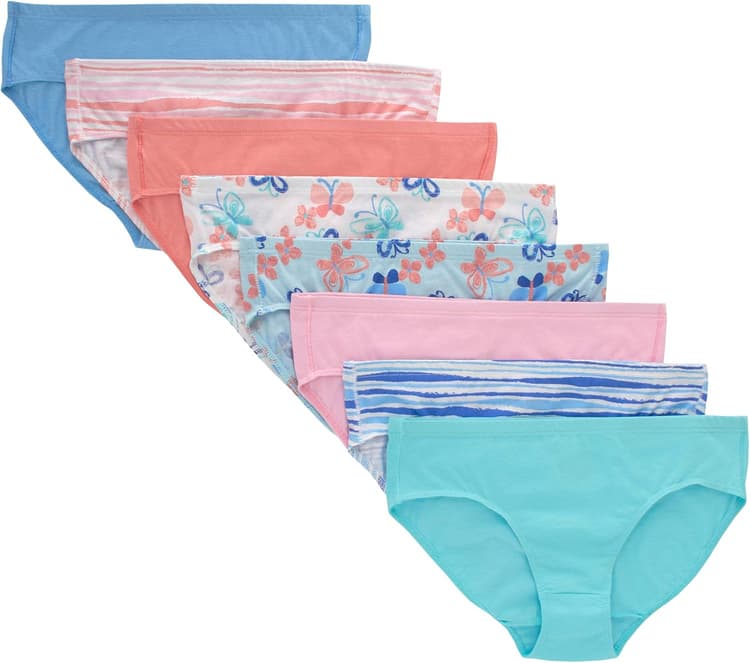
LUKYCILD
$13.41
$19.99
-33 %
*
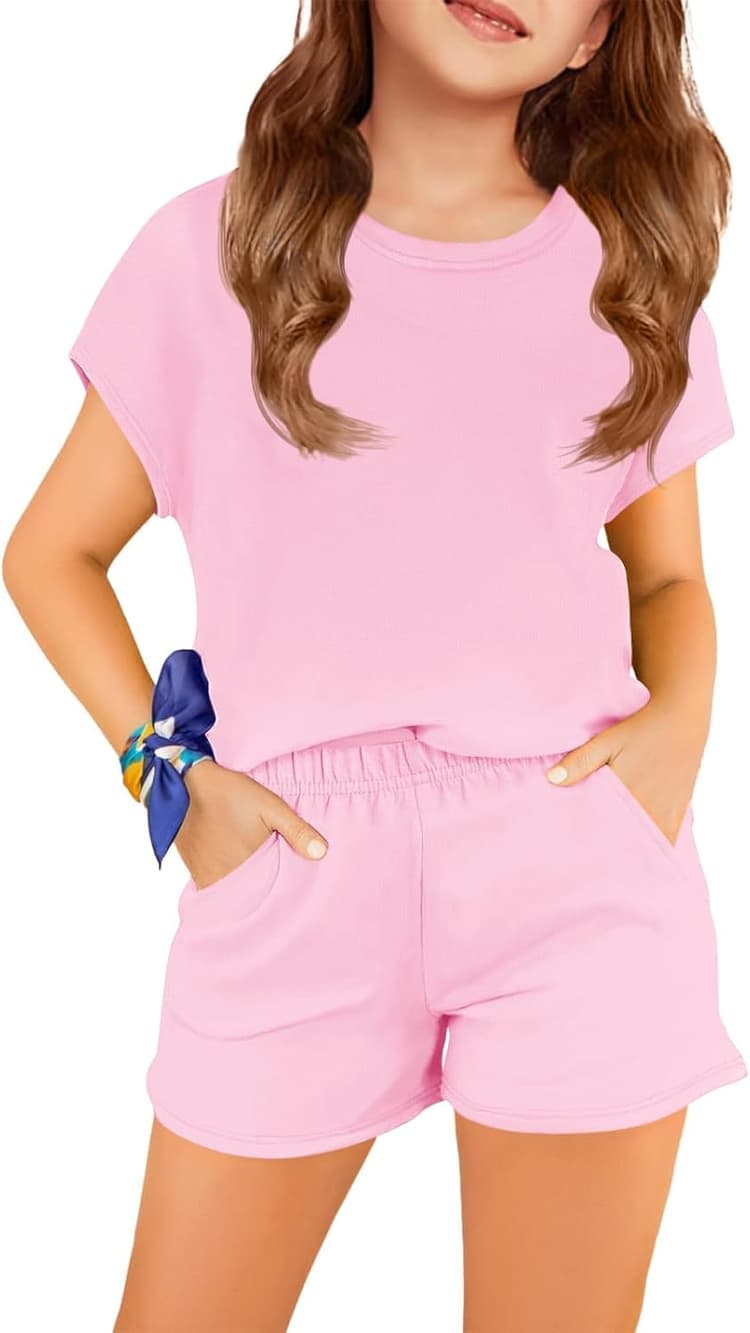
Hanes
$13.50
$18.00
-25 %
*
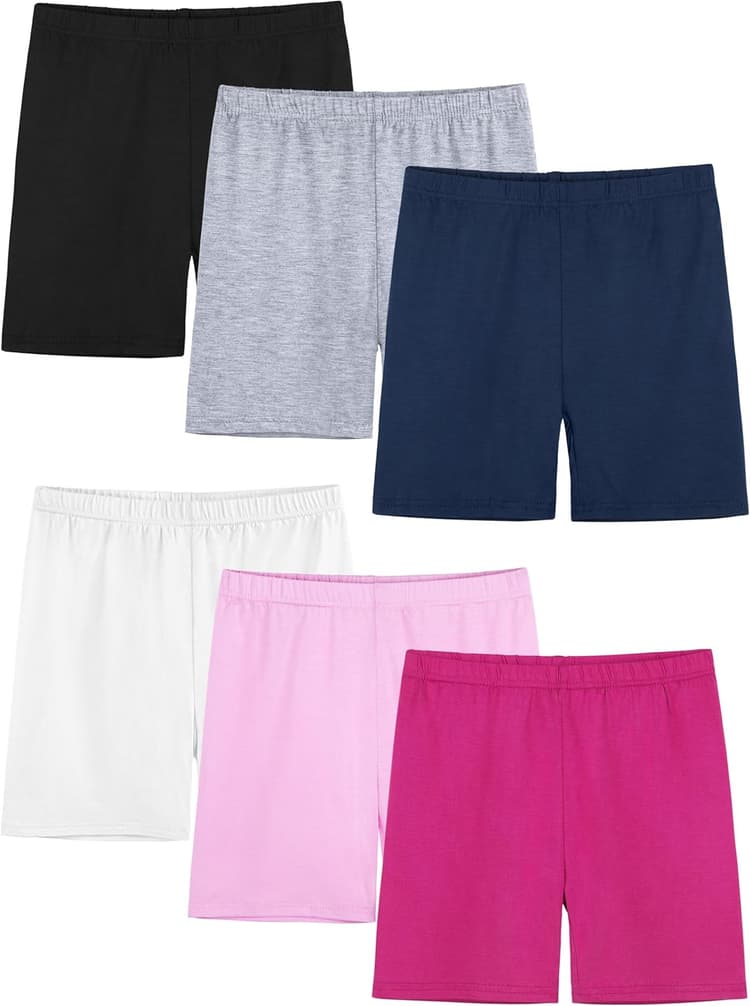
Haloumoning
$11.99
$14.99
-20 %
*
FEOEOR
$13.99
$16.99
-18 %
*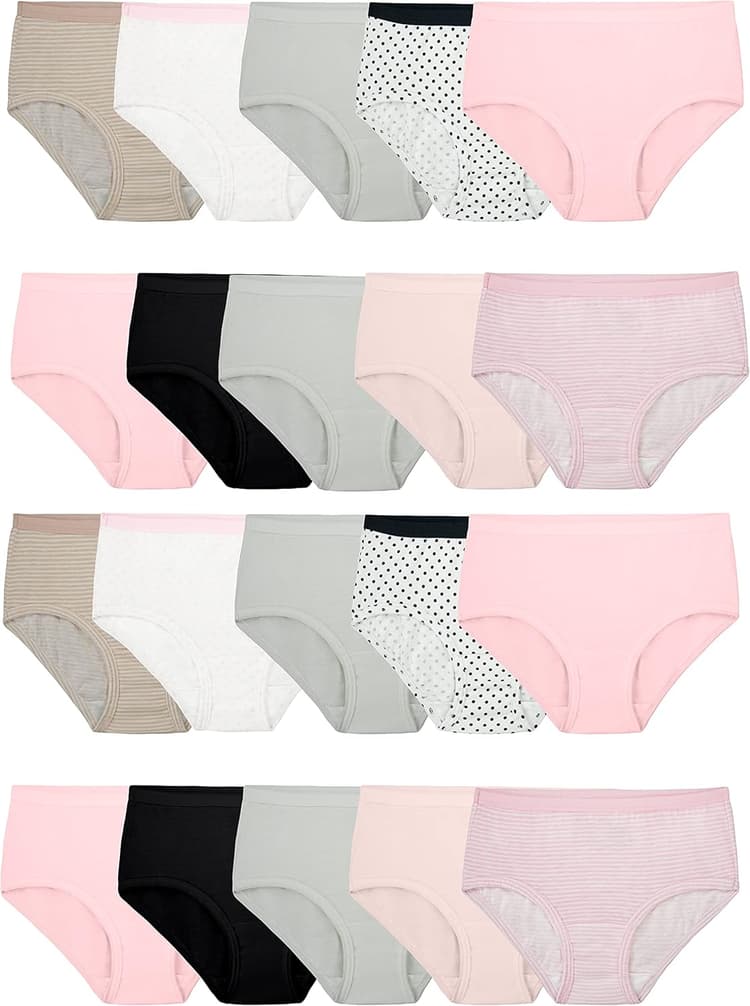
Fruit of the Loom
$18.99
$22.99
-17 %
*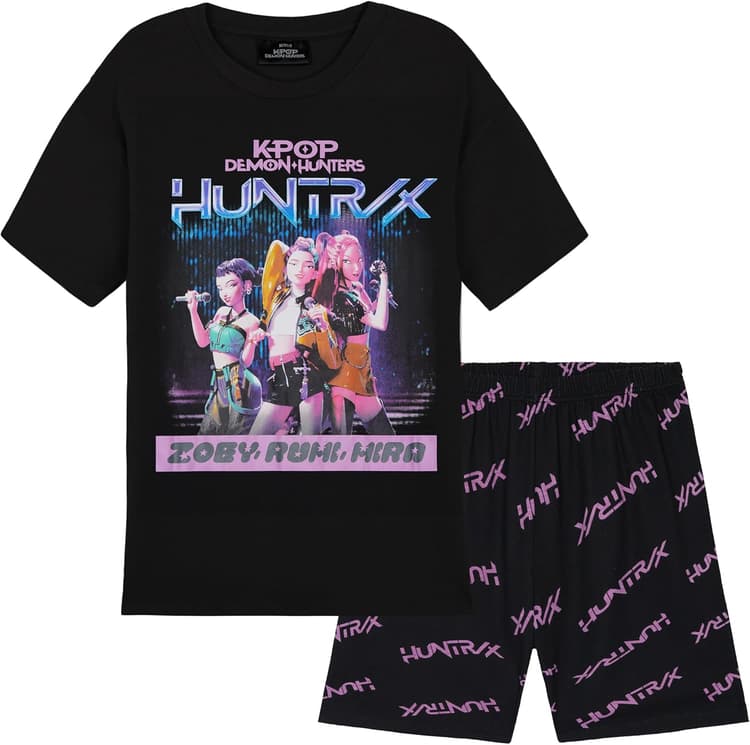
KPop Demon Hunters
$27.89
$32.99
-15 %
*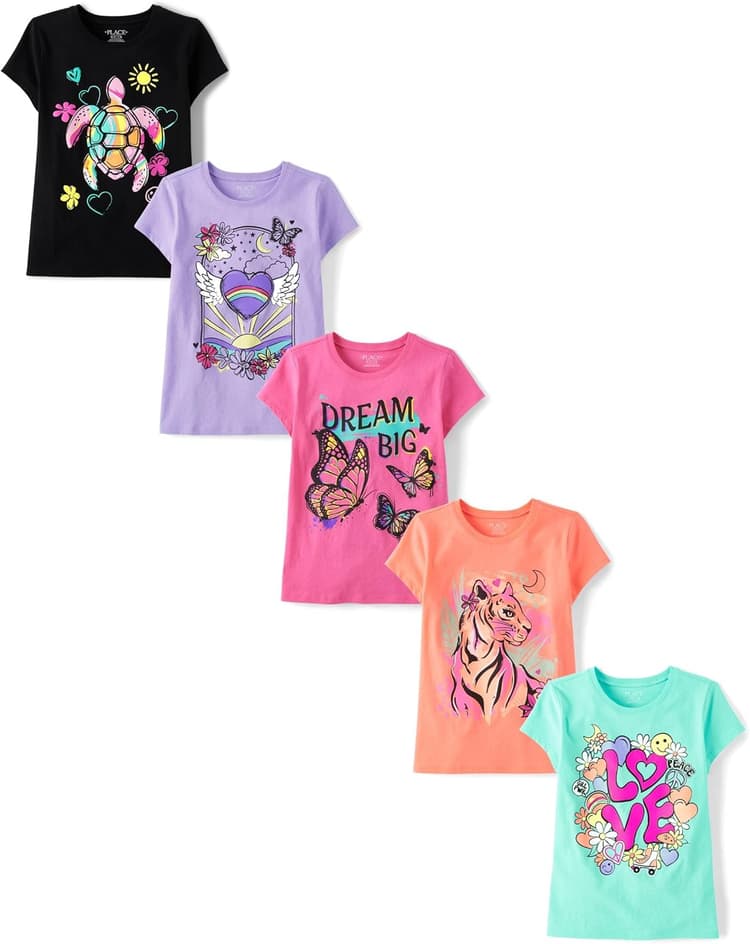
The Children's Place
$28.78
$32.42
-11 %
*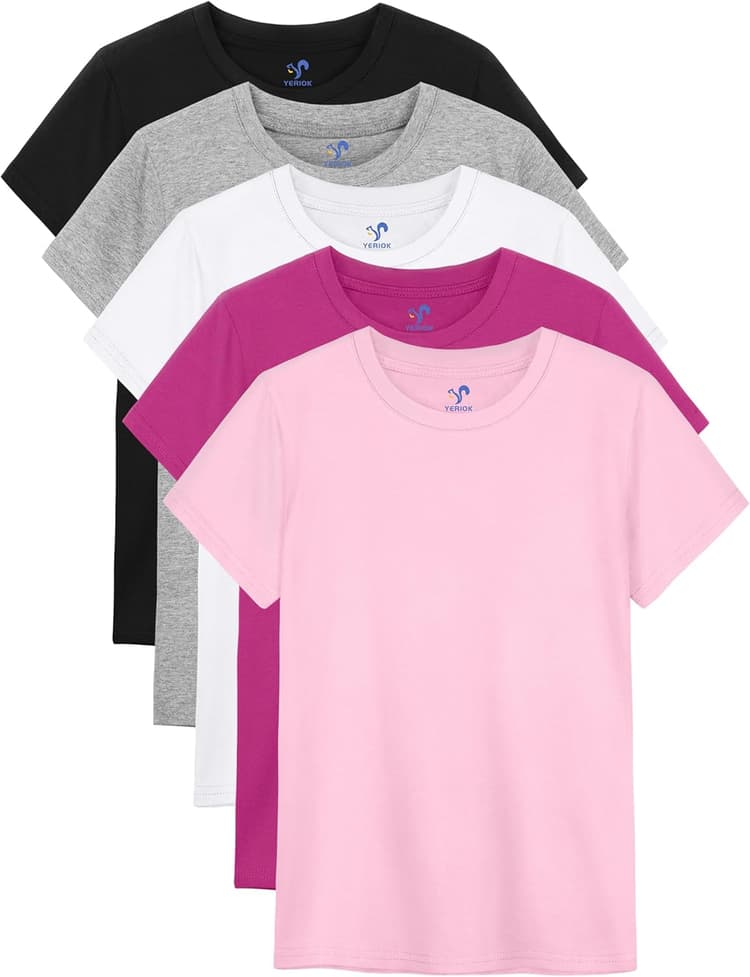
YERIOK
$27.99
$30.99
-10 %
*Start by defining the usage context. Answer specific questions before shopping:
Practical examples: for a primary-school child who plays a lot, prioritize reinforced seams, machine-washable fabrics and a cut that allows free movement. For a teen focused on style, list acceptable silhouettes and colors, then check whether those are available in appropriate sizes.
Rank needs by importance: 1) safety and comfort, 2) durability, 3) appearance, 4) budget. This order helps balance cost versus function. For example, invest in sturdy basics for everyday wear and keep delicate items for special occasions to lower overall cost while preserving utility.
When possible, involve the wearer: color and style preferences directly affect whether a garment will be used. Clothes chosen with the child or teen in mind are likelier to be worn and less likely to be discarded quickly.
Clothing price for girls depends on technical and logistical factors. Knowing these helps you decide when paying more makes sense.
When higher cost is justified: if an item should last multiple seasons, if materials reduce washing frequency and replacements, or if construction protects against wear (for example, reinforced seams on sportswear). Conversely, for short-term items (costumes, single-event dresses), a budget option is sensible.
A simple metric is cost per wear: estimate how often the garment will be used. A pair of trousers costing 40 paid for 80 wears equals 0.50 per wear, which may be more economical than a 15 item that fails after 10 washes.
Practical tip: inspect labels and compare two or three similar pieces by fabric, fabric weight (g/m2 if shown), and finishes before deciding according to your priority list.
Size and comfort determine whether a garment will actually be worn. Use this method to choose correctly:
Examples: for an active girl who practices gymnastics, prefer slightly roomier shoulder area and stretch fabrics. For a formal dress, size precision matters; check closures (zip, buttons) so you know if assistance will be required to put it on.
When buying online, read size-focused reviews and note whether the brand runs large or small. Keep receipts and tags until final fitting: a prompt return avoids keeping an unsuitable item.
Knowing fabrics and care helps anticipate durability and real cost. Key elements to check:
Practical example: a school-age legging in a cotton-poly blend will maintain shape better after repeated washing than pure cotton. Conversely, a summer blouse in light cotton will be more comfortable despite needing gentler care.
Selection tip: decide per item the acceptable trade-off between ease of care and fabric performance. For everyday basics favor durability and simple laundering; for special pieces accept more delicate care if appearance is the priority.
When comparing garments, focus on features that affect daily use. A simple checklist with explanations:
Evaluating everyday performance is about simulating typical use: imagine a week and test whether the item passes. Quick checklist:
In practice, weight each feature by the earlier usage profile. A winter coat should prioritize insulation and waterproofing; an activewear legging should favor stretch and quick drying.
Common mistakes when buying girls clothing are repetitive but avoidable. Here are main pitfalls with straightforward fixes:
Accessible expert tips:
Applying these rules progressively makes purchases less random and better aligned with the child's real needs.
Fruit of the Loom
$18.99
$22.99
-17 %
*The Children's Place
$28.78
$32.42
-11 %
*LUKYCILD
$13.41
$19.99
-33 %
*Hanes
$13.50
$18.00
-25 %
*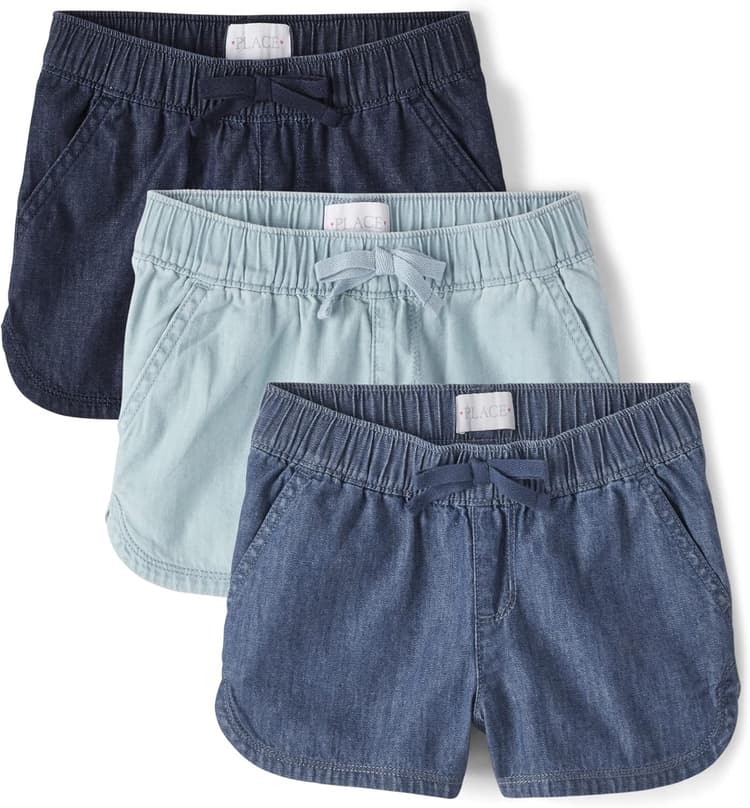
The Children's Place
$28.02
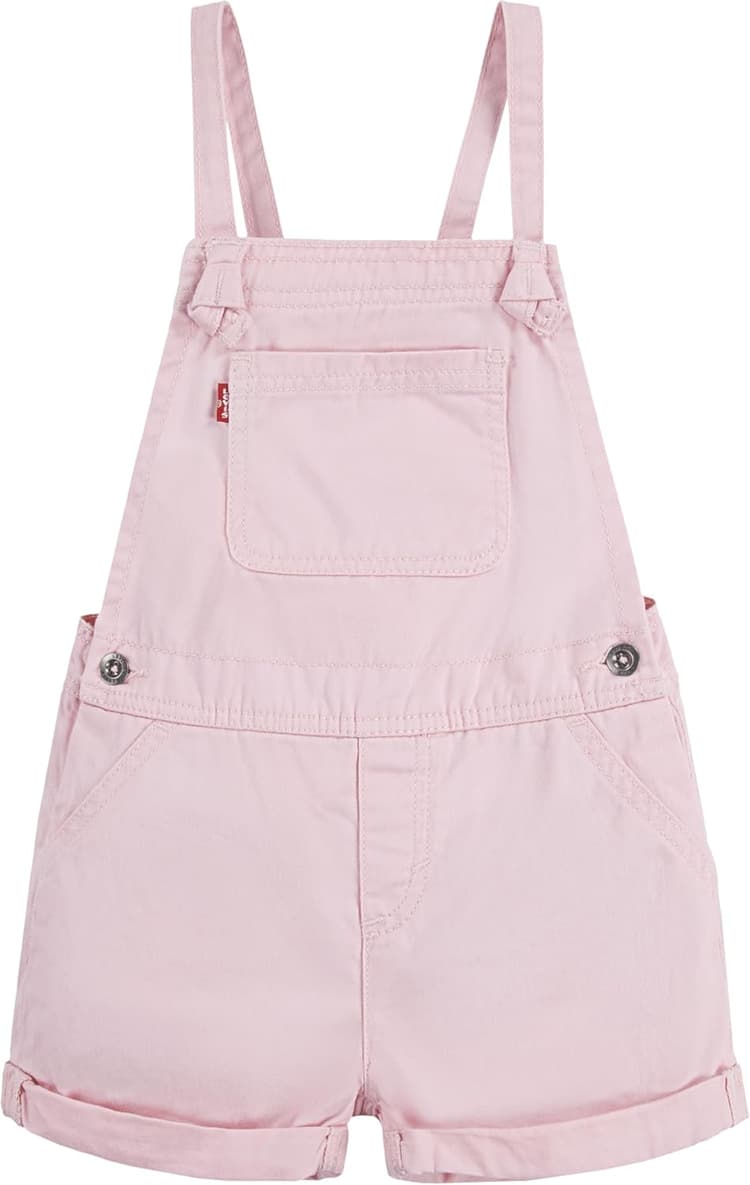
Levi's
$12.30
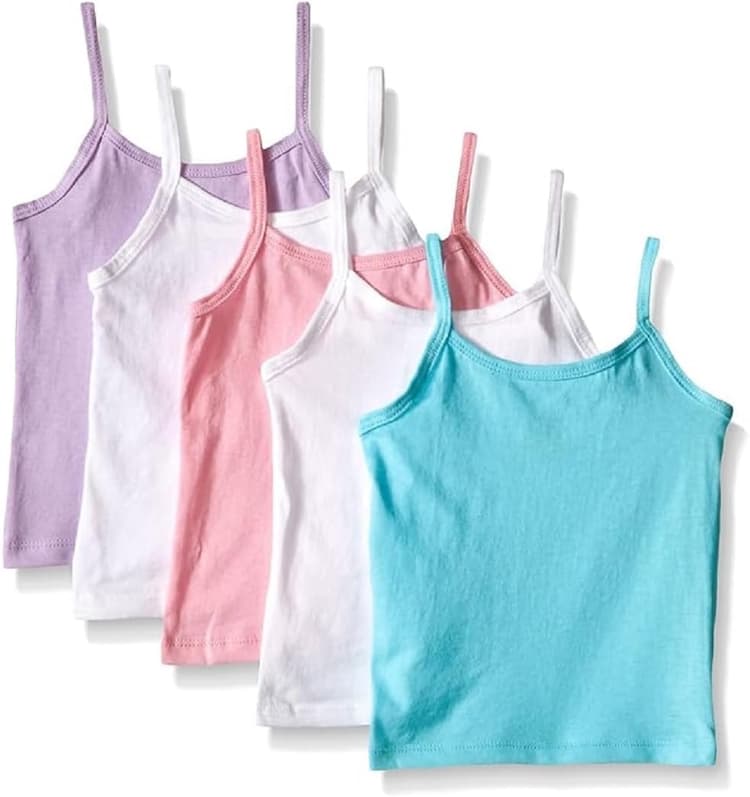
Hanes
$10.99
$11.99
-8 %
*YERIOK
$27.99
$30.99
-10 %
*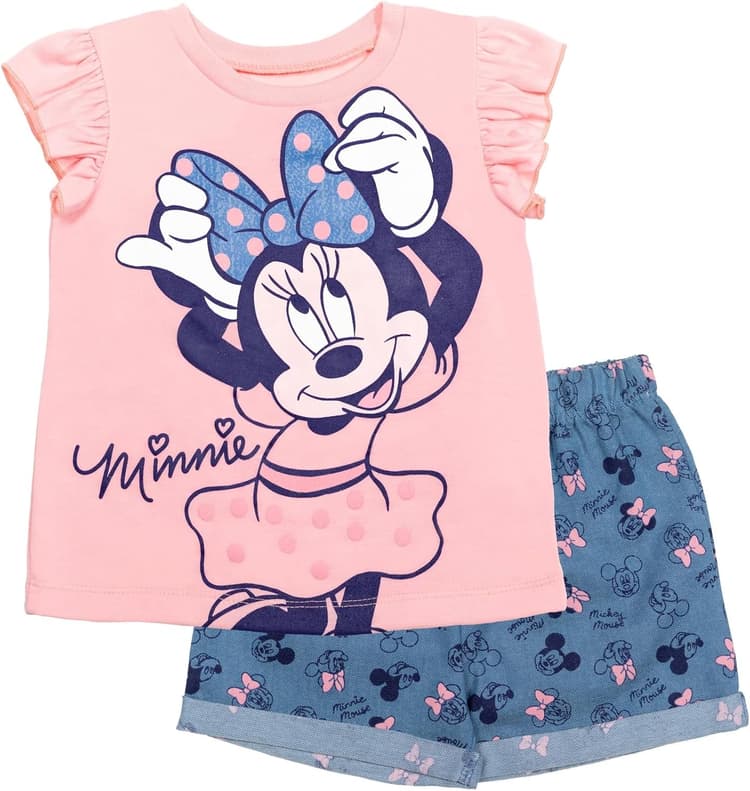
Disney
$19.99
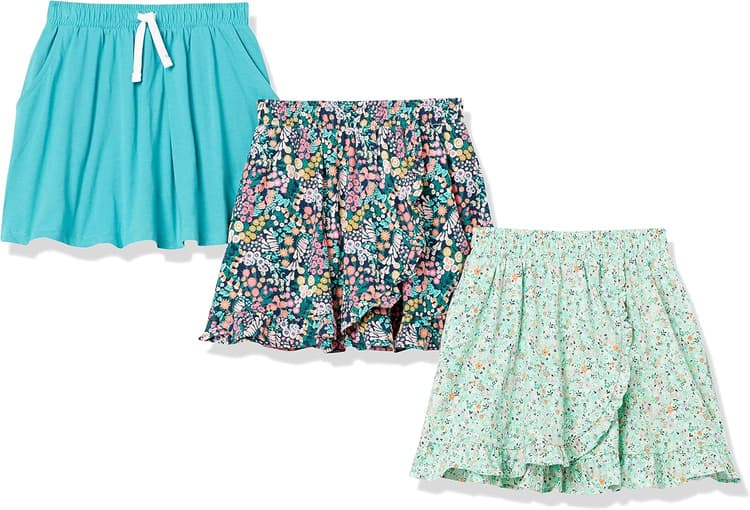
Amazon Essentials
$28.40
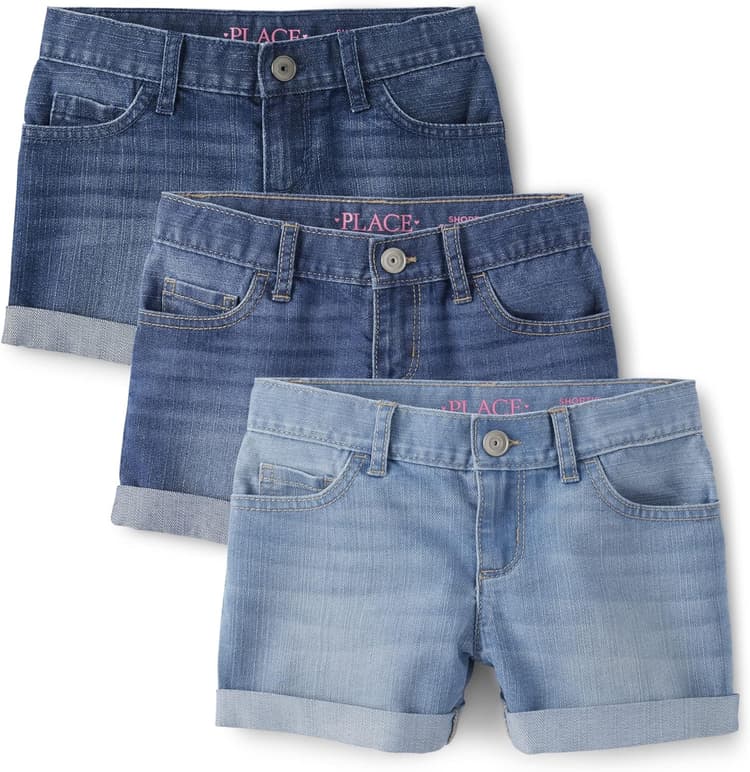
The Children's Place
$37.92
FEOEOR
$13.99
$16.99
-18 %
*This guide is intended to make buying girls clothing a structured decision matching real-world needs. Remember the essential steps: define the usage profile, prioritize criteria (comfort, durability, appearance, budget), compare fabric and construction, and estimate cost per wear. Measuring and tracking actual sizes prevents many errors, as does checking care instructions to plan time and laundering costs.
Practical rules simplify choices: favor sturdy basics for daily wear, allow a few delicate items for events, and consider repairability as a durability metric. Pay attention to functional details—closures, waist elastics and seam construction—because they determine real-world usability. Applying these guidelines reduces waste, controls spending and lengthens garment life.
This guide is not prescriptive: adapt recommendations to local climate, culture and budget. The aim is to balance comfort, safety and longevity so that clothing choices are less random and better suited to the child's daily life.
This guide was written with a pedagogical method: explain decision criteria and provide comparative methods. Recommendations are based on general textile and usage principles, without promoting brands or specific products. Practical tips rely on measurable factors (body measurements, fabric weight, fiber percentages) and common use scenarios. No fabricated data is presented; examples are generic and intended to illustrate concrete choices.
Our selections rely on independent analysis and hands-on testing, without commercial influence.
Clear comparison guides based on technical criteria and expert reviews.
We frequently revise articles to reflect new models and fashion trends.
Some links are affiliate: we may earn a commission and redirect you to trusted partner retailers.