
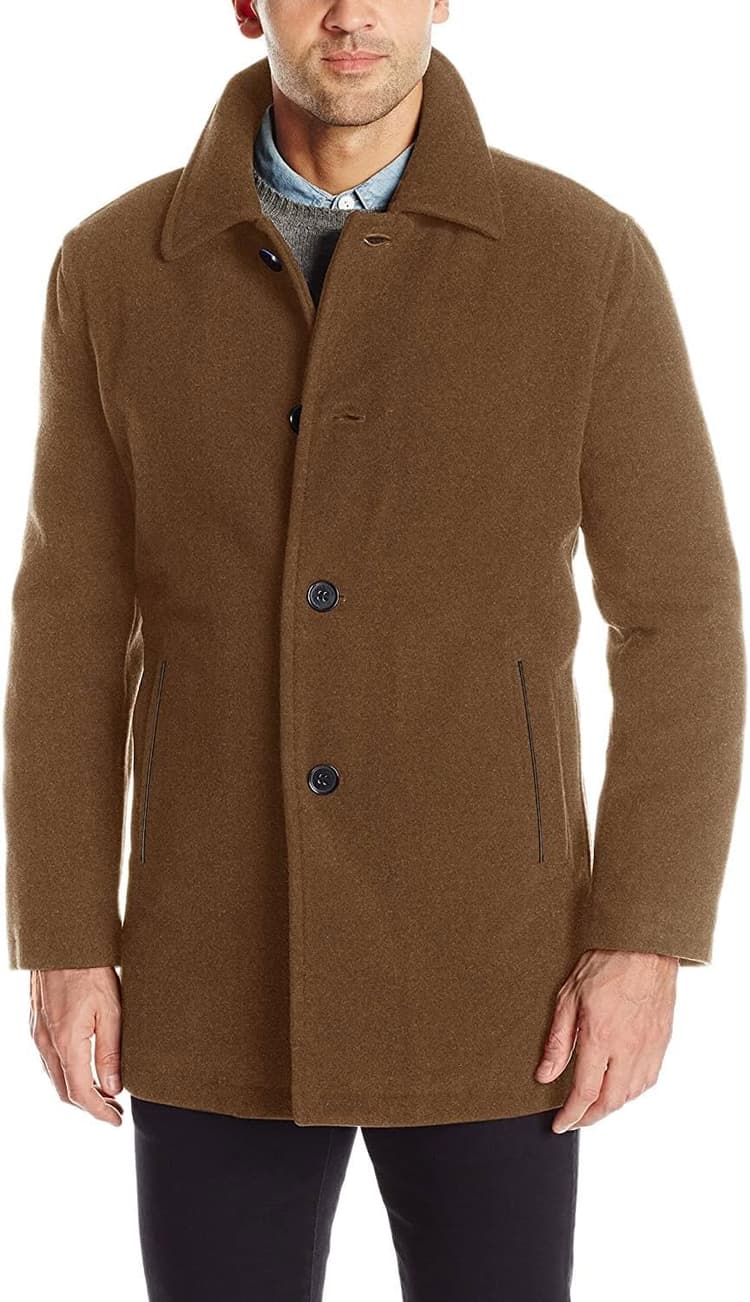
Cole Haan
Cole Haan Men's Button Up Wool Plush Car Coat
★★★★☆4.4
$88.50
$275.00
-68 %
*
Product analyst covering fabric tech, fit advice, and budget-friendly finds.

This practical guide walks you through choosing a coat or jacket that actually meets your daily needs. Options range from technical parkas to classic trenches, lightweight down jackets and waterproof shells. Instead of listing products, this guide provides concrete criteria to compare, select and judge the quality of a garment before you buy.
We start with how to define your constraints - climate, lifestyle, activities and frequency of use - because these factors strongly affect the right type of outerwear. You will then find a clear explanation of price tiers and the factors that drive cost, followed by practical advice on picking the right size, optimizing comfort and assessing material durability. A dedicated section breaks down essential features (waterproofing, insulation, breathability, finishing) and how they perform in real life.
The guide also covers common beginner mistakes and accessible expert tips to use in-store or online. Recommendations focus on verifiable information: how to read a product spec, simple tests you can do, and what to check in a product photo. Whether you need winter protection, a mid-season layer or an urban everyday jacket, this guide helps you make a reasoned choice aligned with your budget and lifestyle.
Cole Haan
$88.50
$275.00
-68 %
*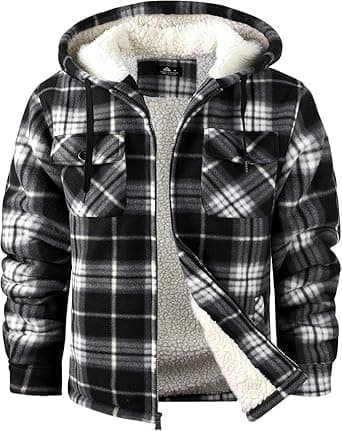
SCODI
$36.99
$79.99
-54 %
*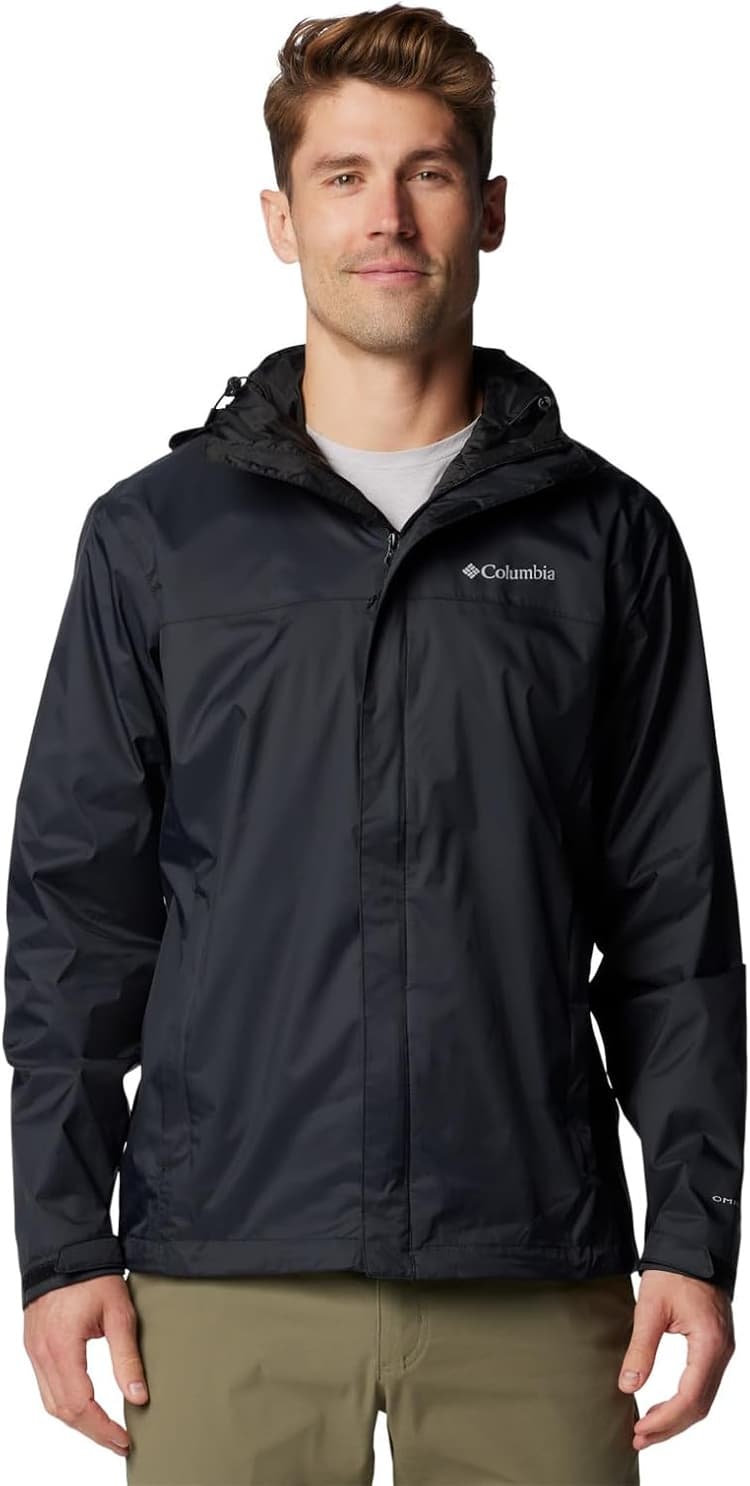
Columbia
$50.00
$100.00
-50 %
*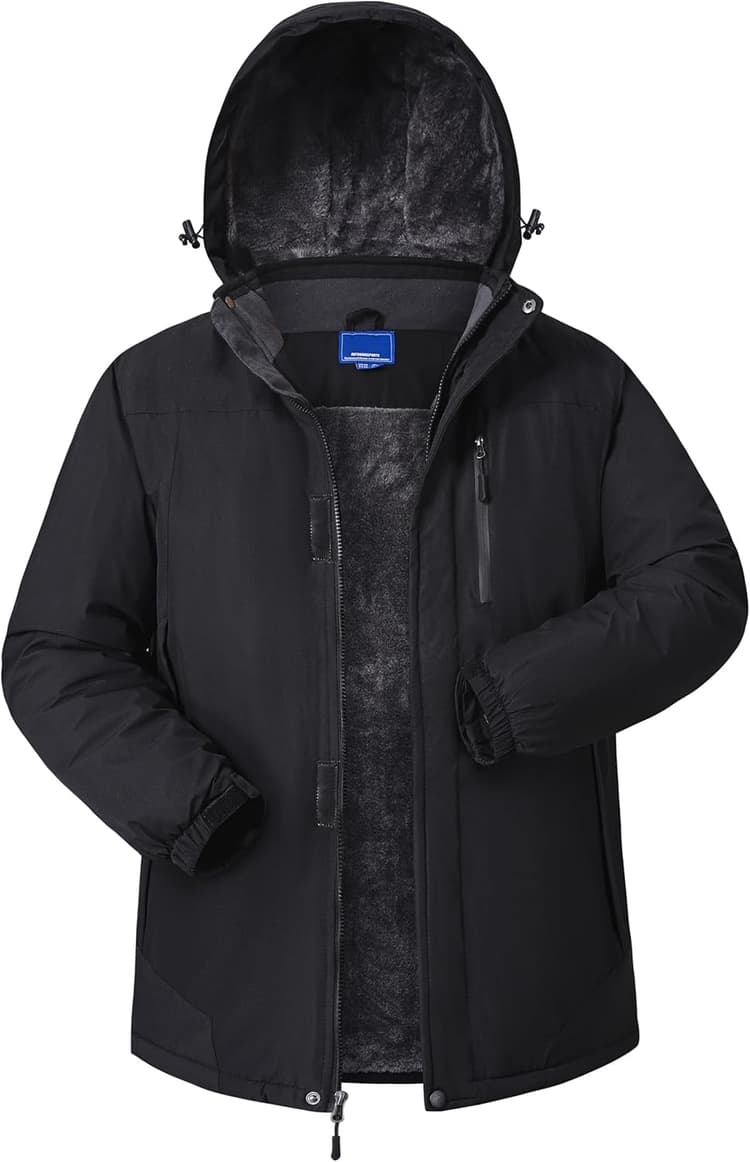
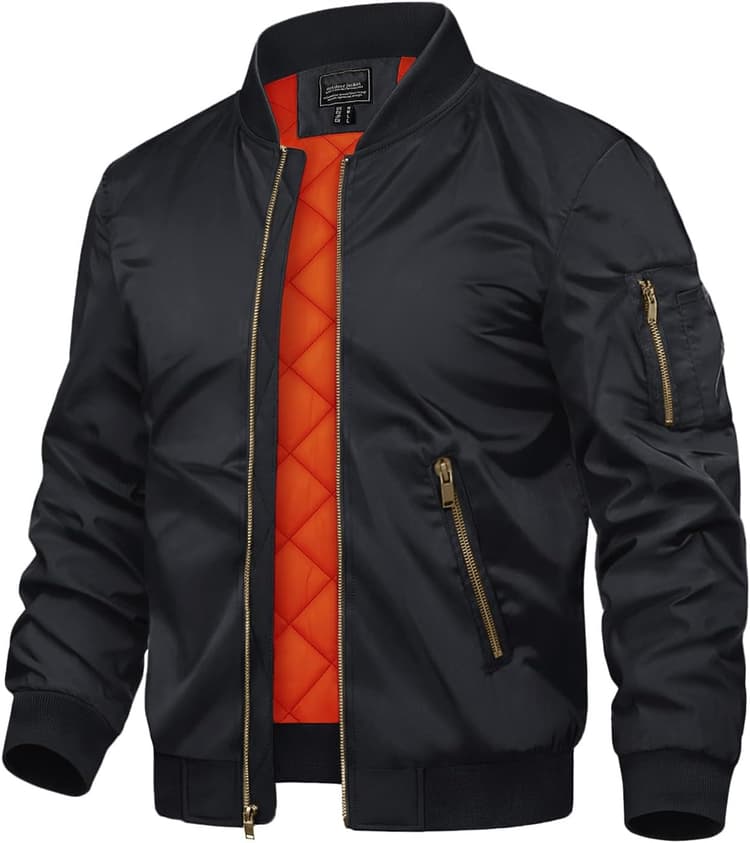
CNBQDD
$32.99
$64.99
-49 %
*
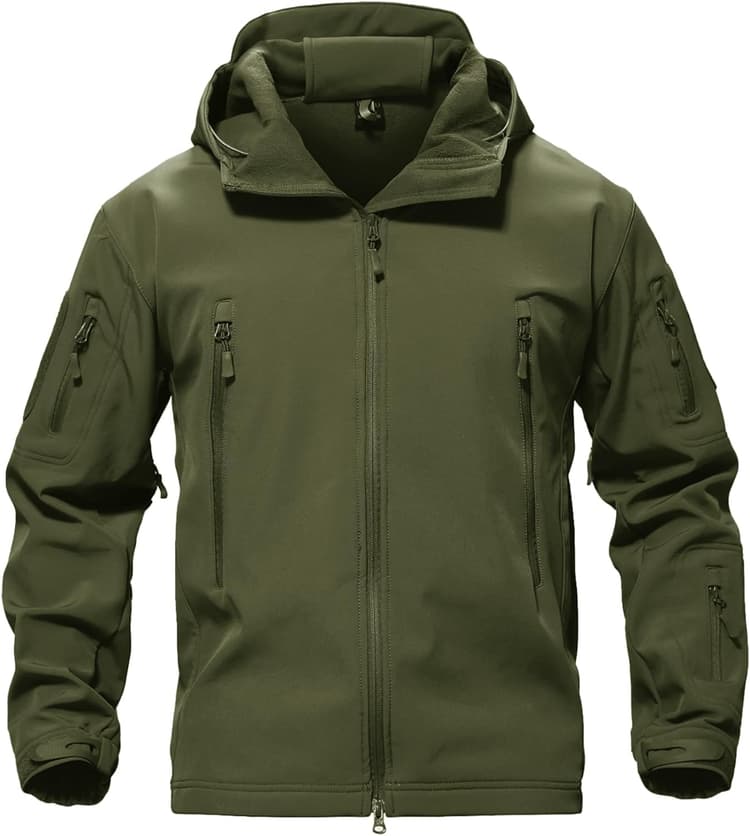
TACVASEN
$39.98
$69.99
-43 %
*
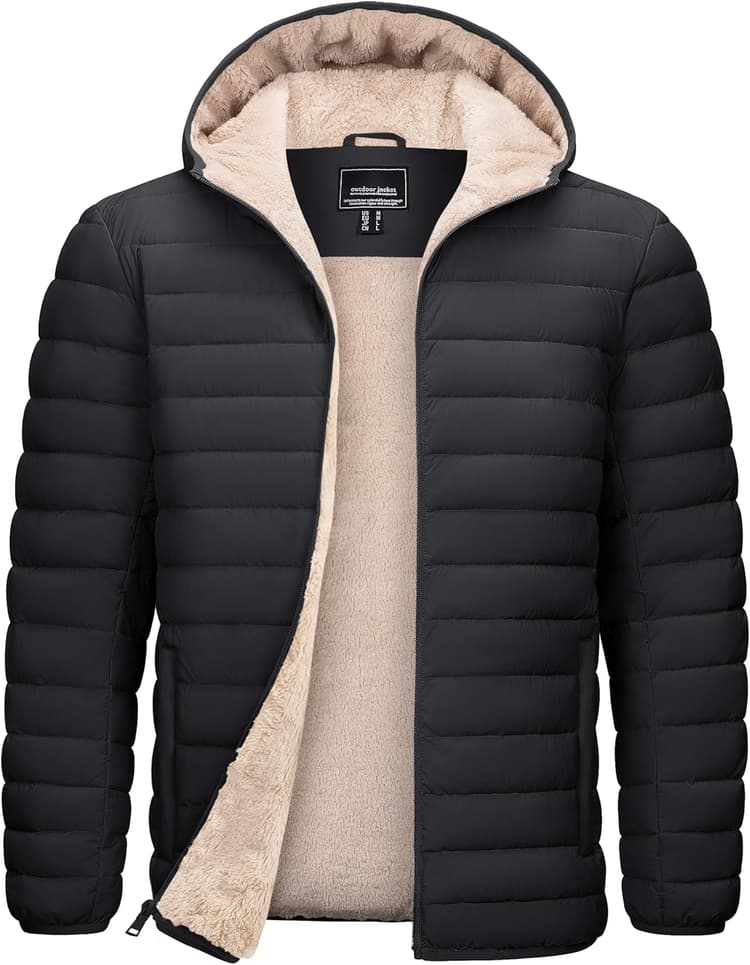
TACVASEN
$46.38
$77.99
-41 %
*
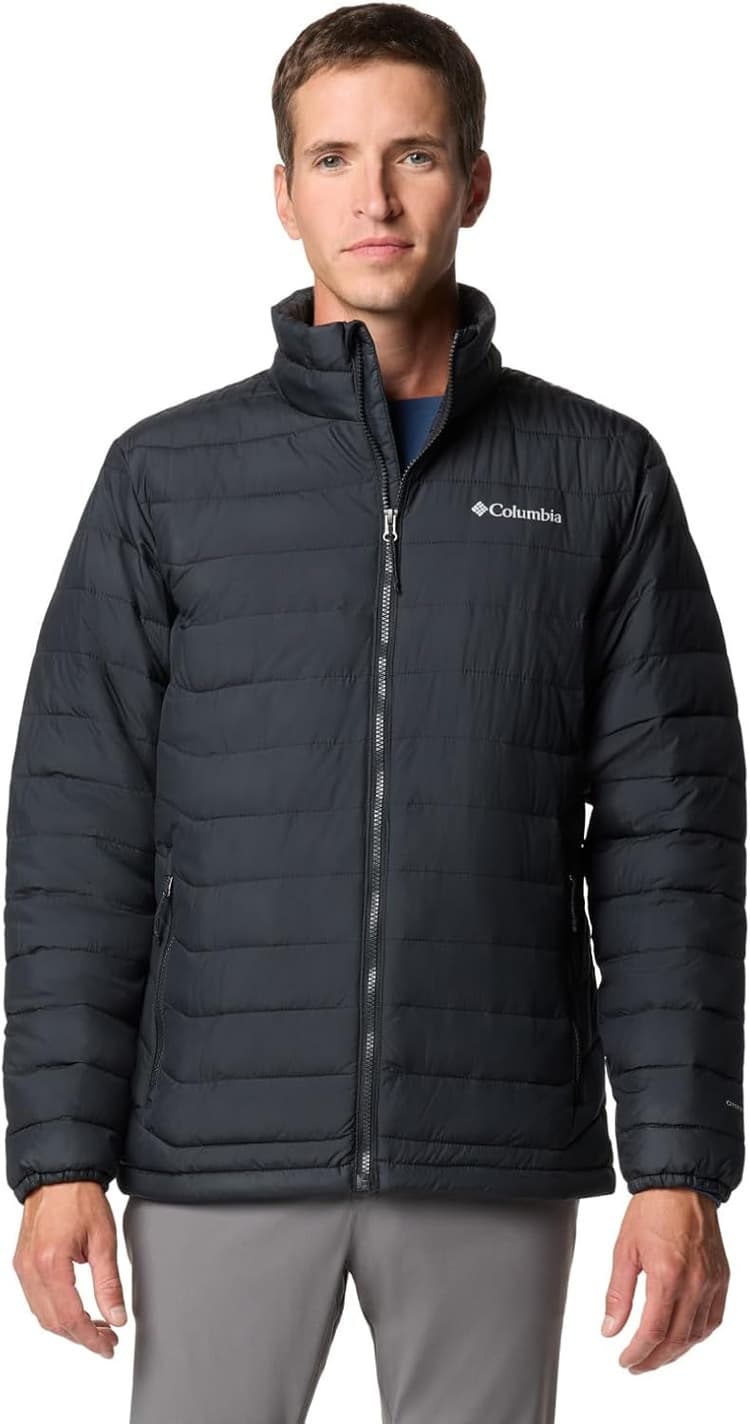
TACVASEN
$47.98
$79.99
-40 %
*
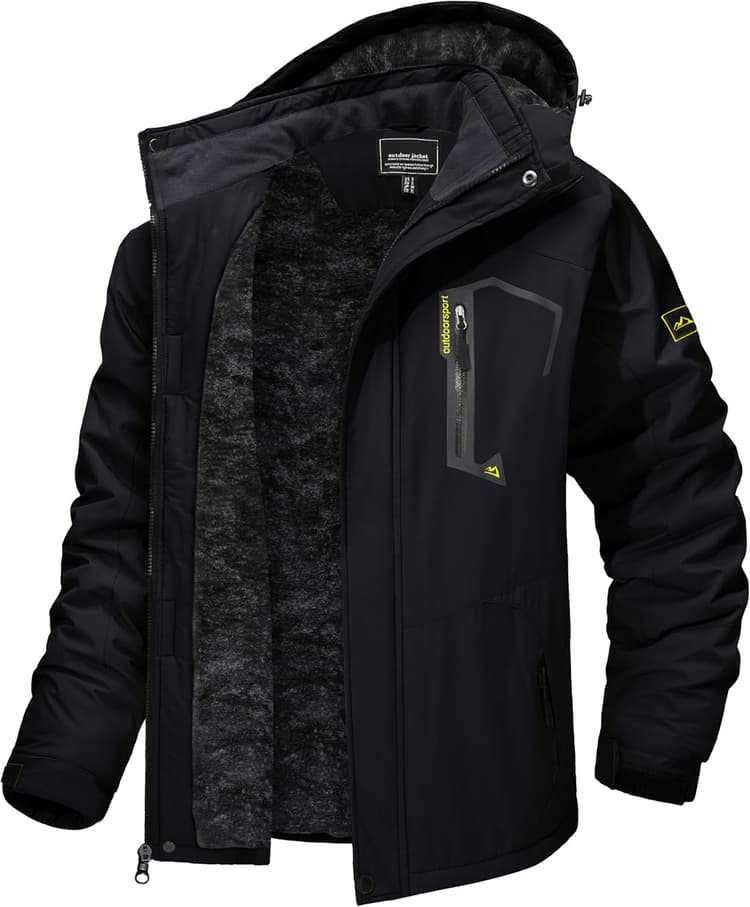
Columbia
$99.92
$165.00
-39 %
*
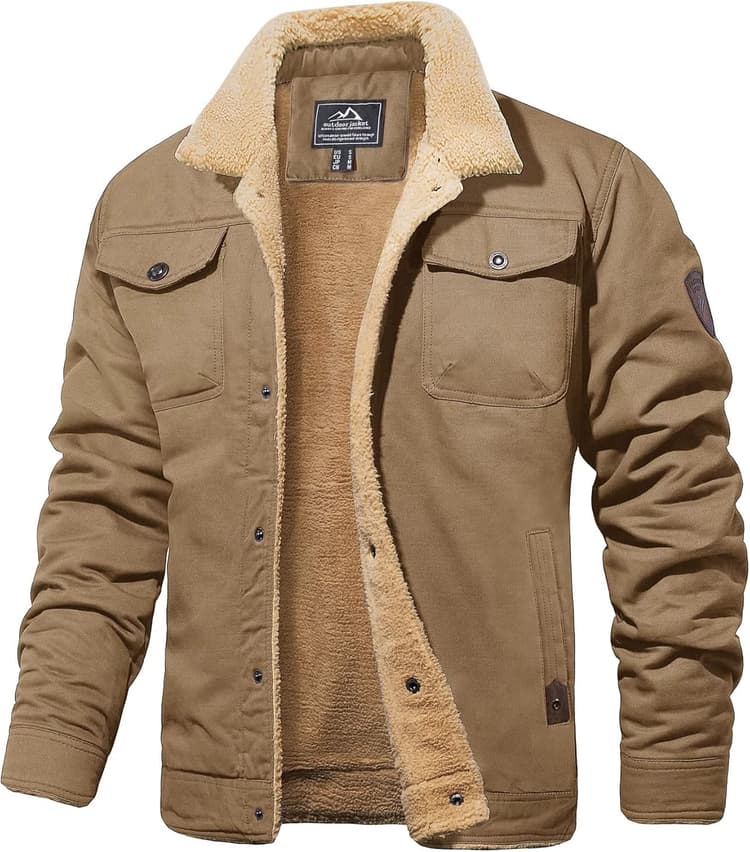
TACVASEN
$49.99
$77.98
-36 %
*
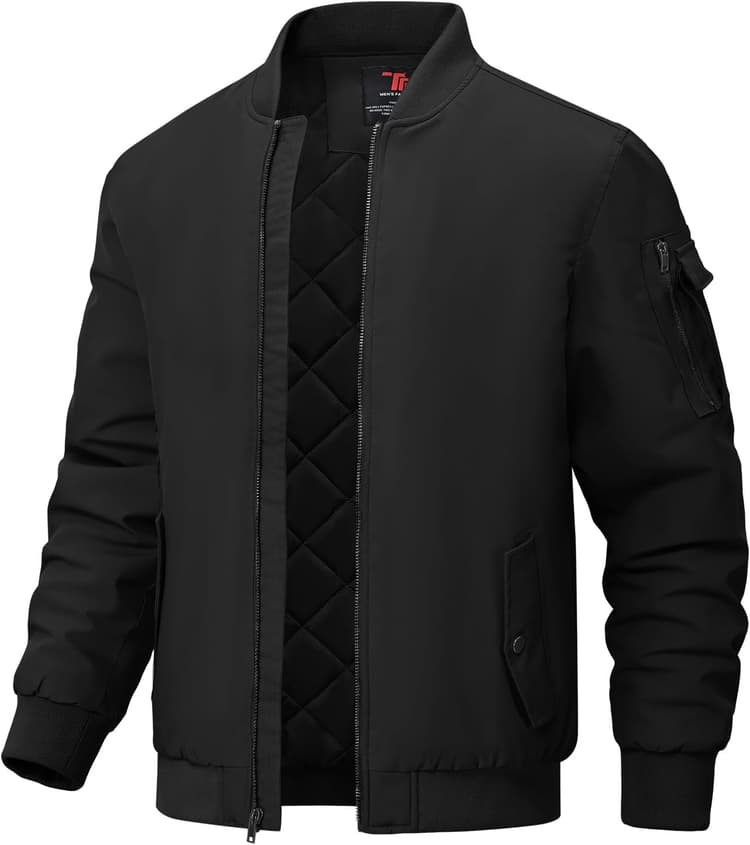
MAGCOMSEN
$49.99
$75.99
-34 %
*
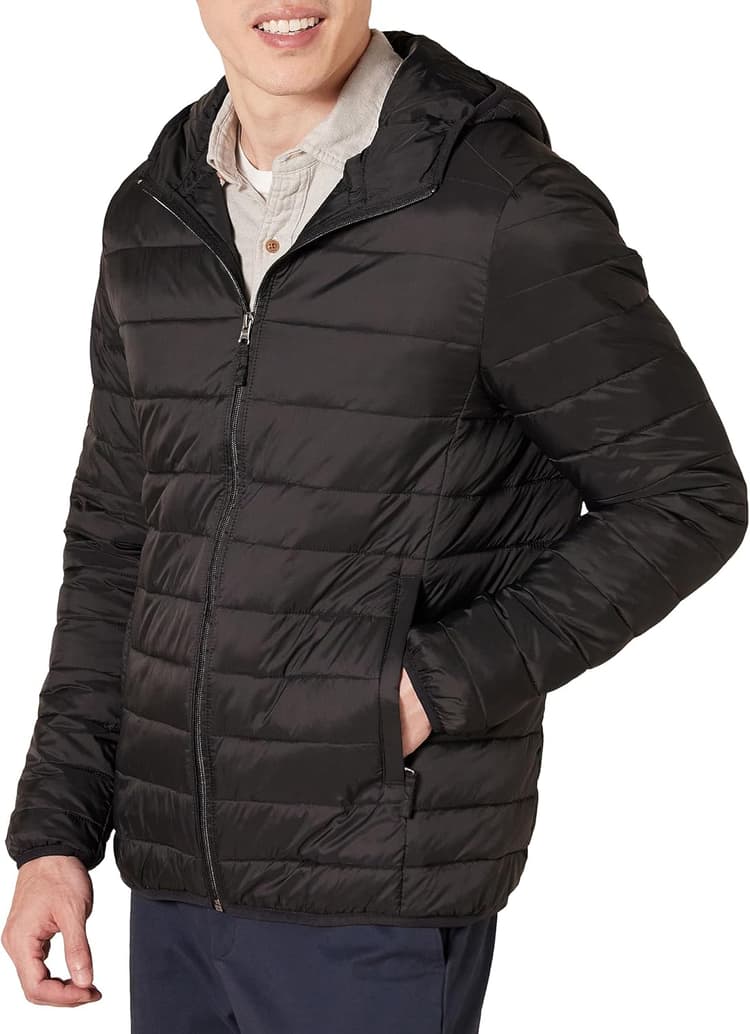
BGOWATU
$34.98
$49.98
-30 %
*
Amazon Essentials
$17.23
$23.61
-27 %
*Start by answering four precise questions: what climate will you wear the piece in, what activities will you be doing while wearing it, how often will you use it, and what personal style do you want to maintain? These factors determine the right type of outerwear.
A practical exercise: create a simple usage grid (climate | activity | frequency | style) and assign priorities (high, medium, low). This grid helps quickly eliminate unsuitable options when browsing. For example, if you mark "bike commute - frequent rain - high", aim for a rainproof jacket with a hood and reflective details rather than a non-waterproof down jacket.
Coat and jacket prices span a wide range for understandable reasons. Three broad categories help place an offer: entry-level, mid-range and premium.
Cost drivers:
Practical tip: compare technical specs (fabric weight, insulation type, PFC-free DWR) rather than relying solely on price tags. For everyday use, a carefully chosen mid-range jacket often delivers better performance-to-price than a very cheap impulse buy.
Fit and comfort determine a coat's everyday usefulness. Use this method to check fit and avoid common mistakes.
Measure and compare: take your chest, waist and shoulder width. Check the brand's size chart and compare instead of relying on a familiar size—cuts differ between brands.
Test mobility: you should be able to lift your arms to about 90 degrees without tension on seams. Slip your hand between your body and the jacket—there should be room for a sweater if you plan to layer.
Account for layer thickness: for winter, choose a slightly roomier cut if you wear thick layers. For mid-season pieces, a closer cut improves warmth retention and looks.
Length and ergonomics: length affects protection and mobility. A long coat offers better wind and rain protection but can be awkward in a car or on a bike. Practical details: adjustable cuffs, slightly longer back, and vents for movement.
Comfort in wear: check friction points (collar, shoulders, buttons). Inspect the lining: sticky linings reduce comfort during movement.
Practical summary: choose based on measurements, test mobility, and consider usual layering. Prioritize comfort over strict aesthetics if you expect frequent, long-term use.
Knowing materials helps anticipate performance and lifespan. Key points to consider.
Practical evaluation: check fabric and fill weights if listed, look for reinforcements in wear zones and read care instructions. Proper maintenance (reapplication of DWR, correct cleaning) significantly extends a coat's service life.
Several features shape the user experience. Here is a simple method to compare key elements and what they mean in practice.
Practical comparison: make a simple table with these criteria and score them according to your priorities (1-5). For brisk walking: breathability 5, waterproofness 3, insulation 4, weight 4. This ranking helps quickly filter and compare options.
Coat purchases are often emotional. Here are the most common mistakes and how to avoid them.
How to fix: make a needs list before buying, read the spec sheet, try the jacket while moving, and if buying online, check return policies. These steps significantly reduce the risk of a disappointing purchase.
Here are practical recommendations from experience: simple in-store tests, priority setting and signs of solid construction.
These tips help you quickly identify a well-made jacket in-store or interpret an online spec sheet. They concentrate what matters for practical, durable decisions.
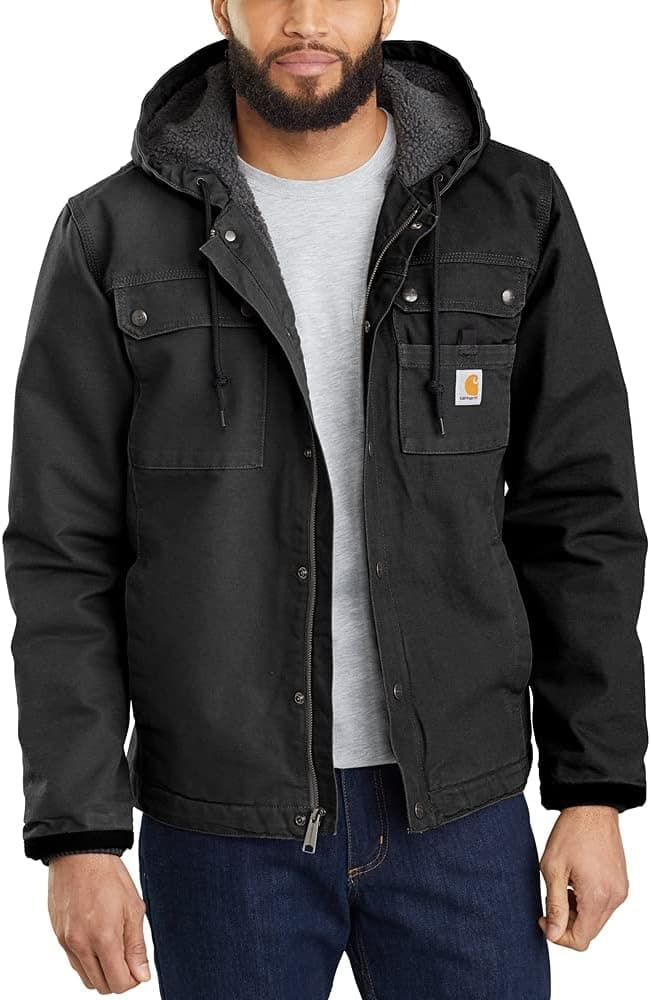
Carhartt
$149.99
Columbia
$50.00
$100.00
-50 %
*Amazon Essentials
$17.23
$23.61
-27 %
*TACVASEN
$49.99
$77.98
-36 %
*MAGCOMSEN
$49.99
$75.99
-34 %
*Columbia
$99.92
$165.00
-39 %
*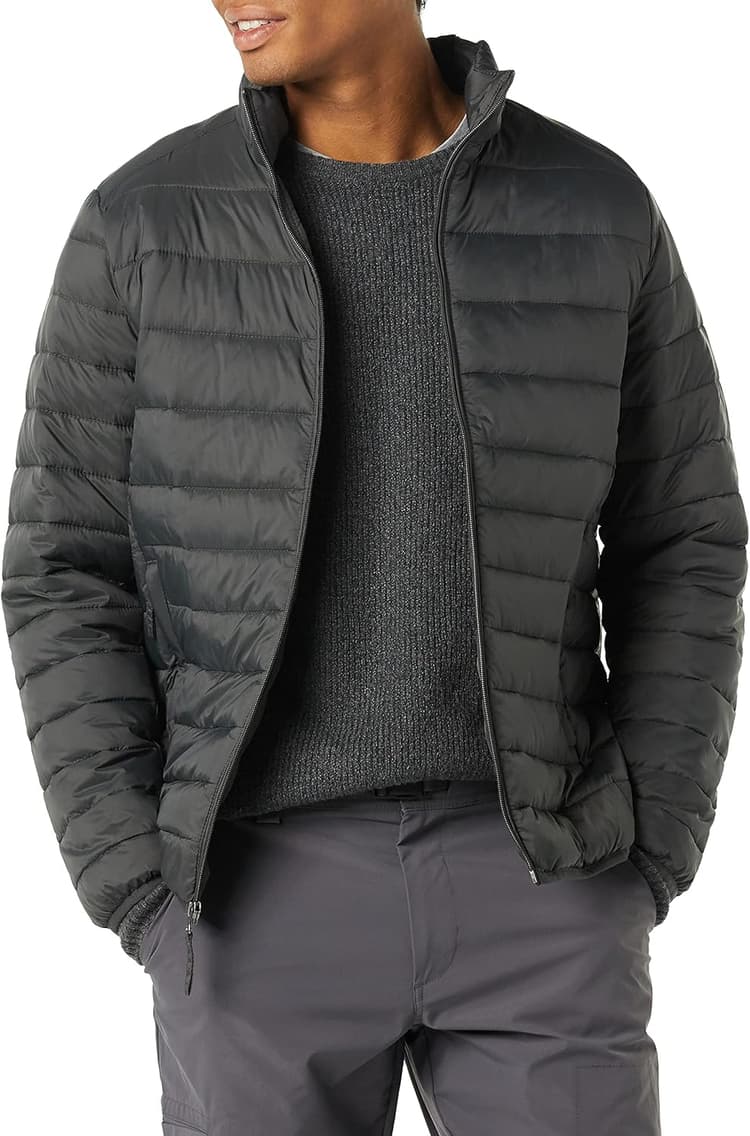
Amazon Essentials
$30.10
$38.00
-21 %
*TACVASEN
$39.98
$69.99
-43 %
*SCODI
$36.99
$79.99
-54 %
*BGOWATU
$34.98
$49.98
-30 %
*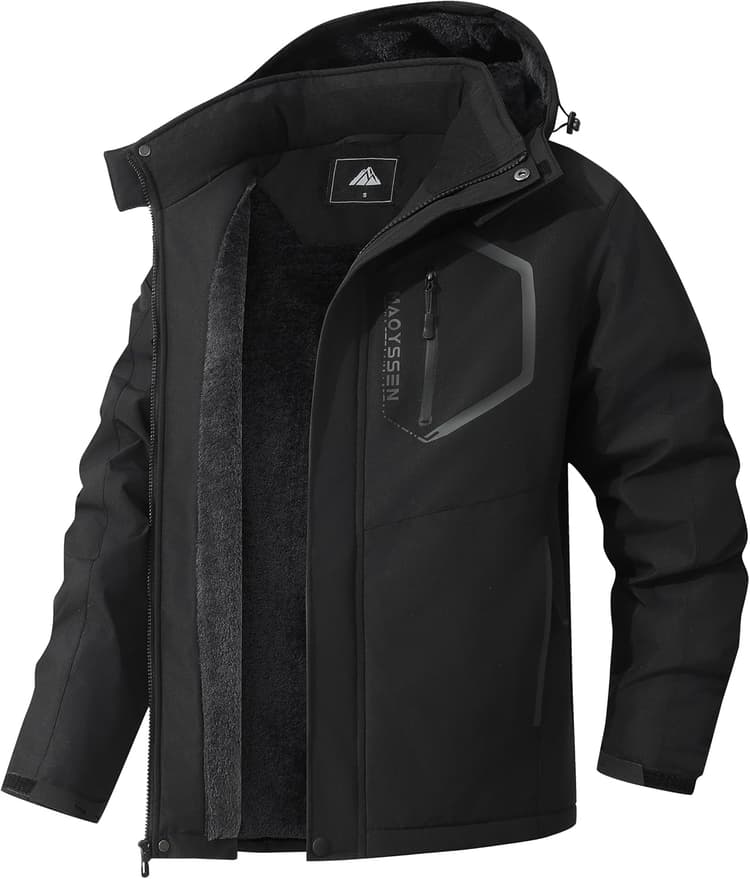
MAOYSSEN
$39.99
TACVASEN
$46.38
$77.99
-41 %
*Choosing a coat or jacket requires combining an assessment of your use case, careful reading of technical features and hands-on checks for fit and finishing. Start with your intended use: climate, frequency and activities steer the choice between waterproof, insulated or breathable options. Then compare materials and construction details rather than judging by design or price alone.
Practically, a well-chosen mid-range jacket often fits most everyday needs: it balances performance, durability and cost. For specific demands (intensive outdoor activities, very wet or very cold conditions), select technical solutions designed for those environments.
Do not forget maintenance: reapplying DWR, following correct wash cycles and drying down properly extend a garment's life. Finally, always test mobility and allow room for layers. With these criteria, you can objectively compare options and select a jacket that stays functional and comfortable for multiple seasons.
This guide was written based on practical principles and general technical references on outerwear. It is not affiliated with any brand nor based on product-specific laboratory tests. The advice is meant to help readers interpret common features and perform simple checks in-store or online. No fabricated data is presented; recommendations rely on observable criteria (measurements, materials, finishes) and recognized maintenance practices.
Our selections rely on independent analysis and hands-on testing, without commercial influence.
Clear comparison guides based on technical criteria and expert reviews.
We frequently revise articles to reflect new models and fashion trends.
Some links are affiliate: we may earn a commission and redirect you to trusted partner retailers.