
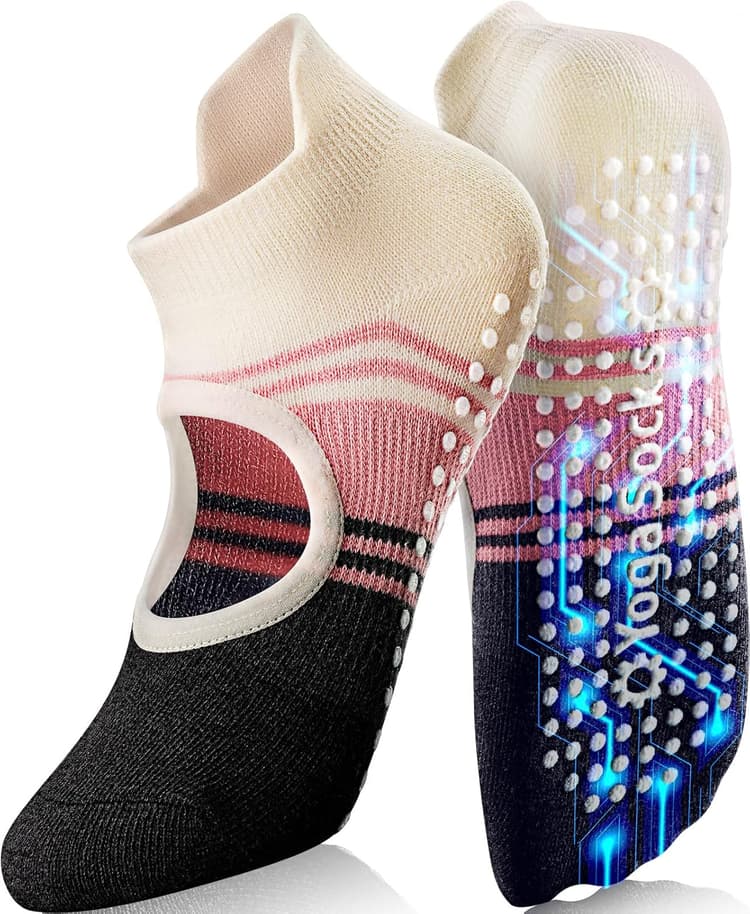
WARMVIN
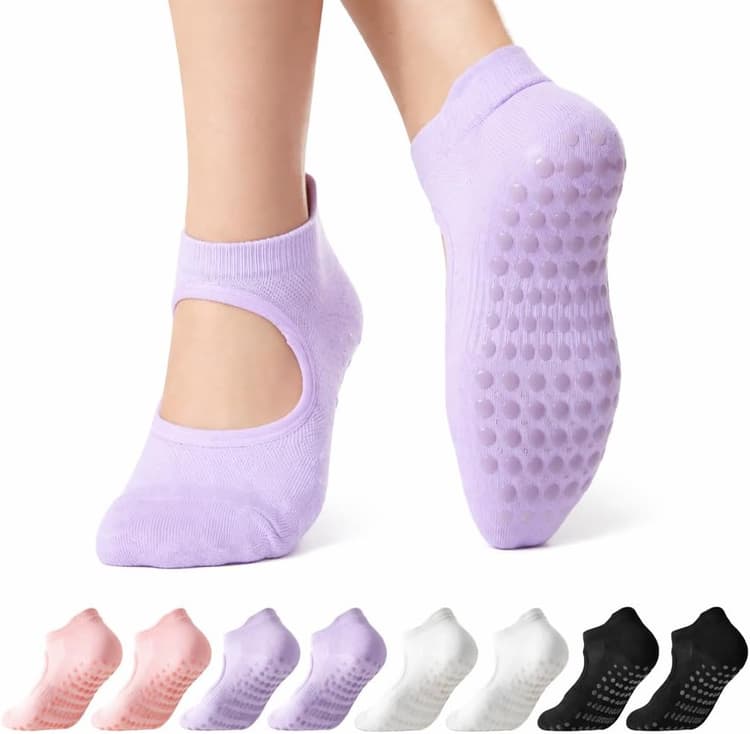
Pilates Socks for Women Grip Yoga Non Slip Socks for Barre Dance Workout Hospital
★★★★☆4.6
$3.99
$6.59
-39 %
*
Senior editorial writer specializing in clothing reviews, style guides, and deals.

This guide is designed to help anyone practicing yoga or pilates—whether new to the disciplines or refreshing their activewear—to make informed clothing choices. Instead of recommending specific products, it focuses on practical criteria: how cut relates to movement, how fabrics affect breathability and longevity, sizing and compression benchmarks, and how to assess everyday performance.
The approach is practical: each section offers clear steps and concrete examples so you can prioritize what matters for your practice. You will also find an explanation of pricing tiers and the factors that influence cost, helping you avoid paying for features that don’t match your needs. The guide covers common beginner mistakes and straightforward tips to extend garment life.
From an editorial standpoint, the guide emphasizes clarity and neutrality. Recommendations are framed as criteria to apply depending on personal variables: session frequency, exercise intensity, need for support versus freedom, and preference for natural or synthetic fibers. After reading, you should be able to ask the right questions in stores or online and compare models using measurable points.
WARMVIN
$3.99
$6.59
-39 %
*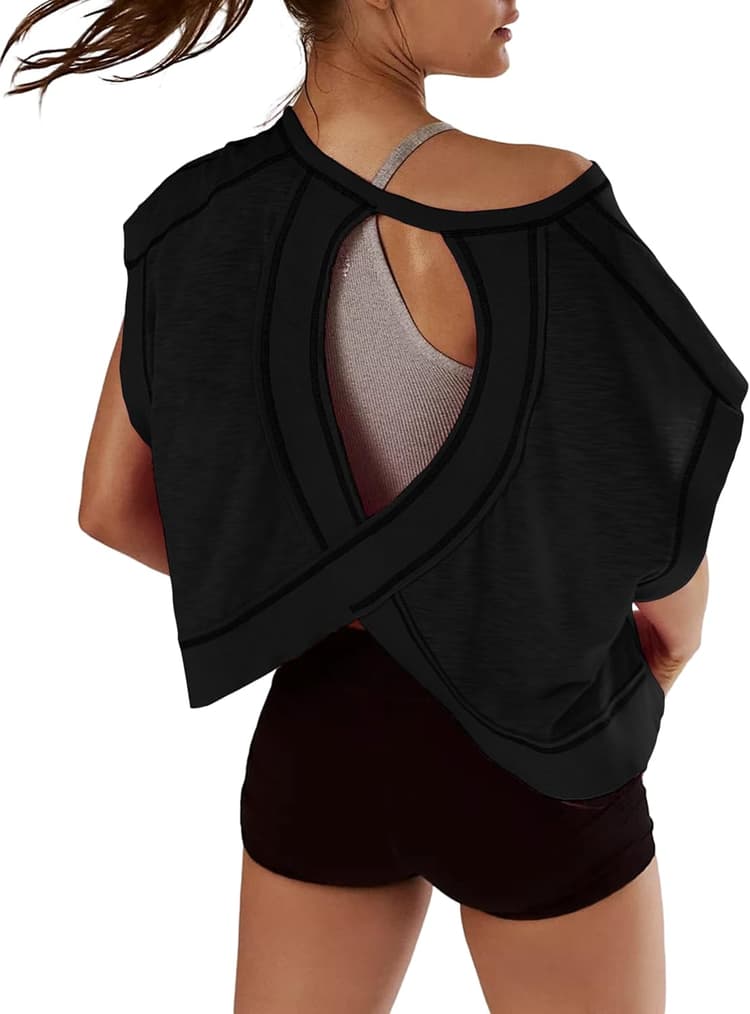
Kumufenc
$13.01
$19.99
-35 %
*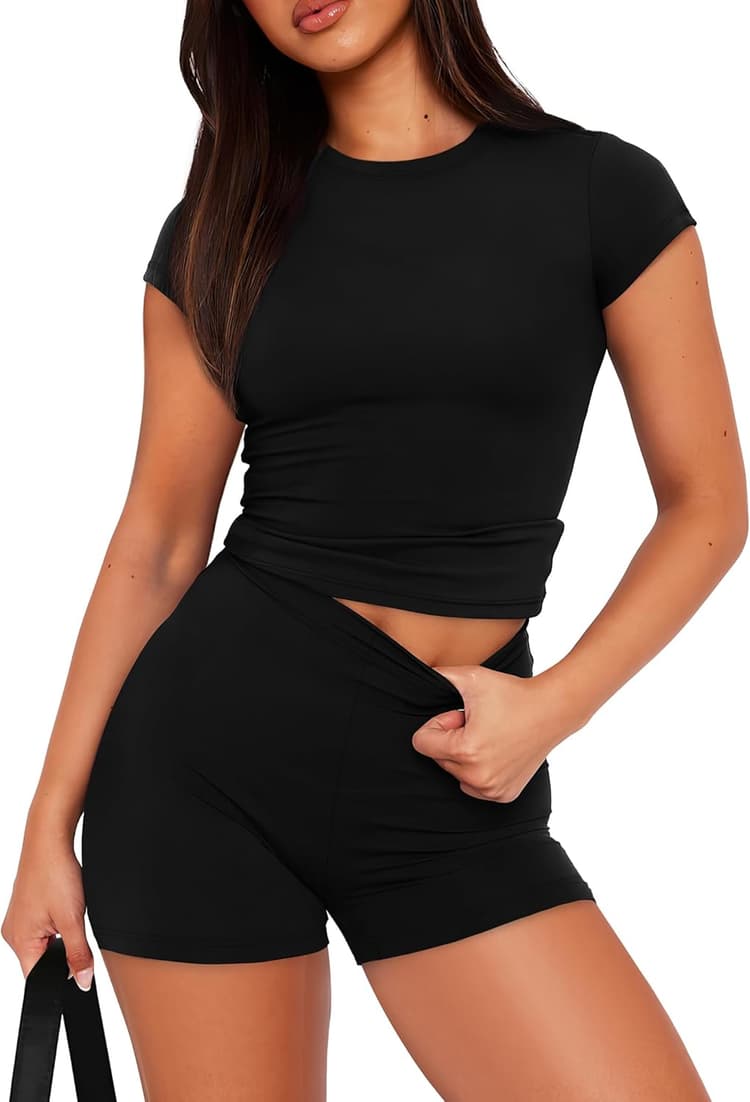
Sampeel
$9.87
$14.99
-34 %
*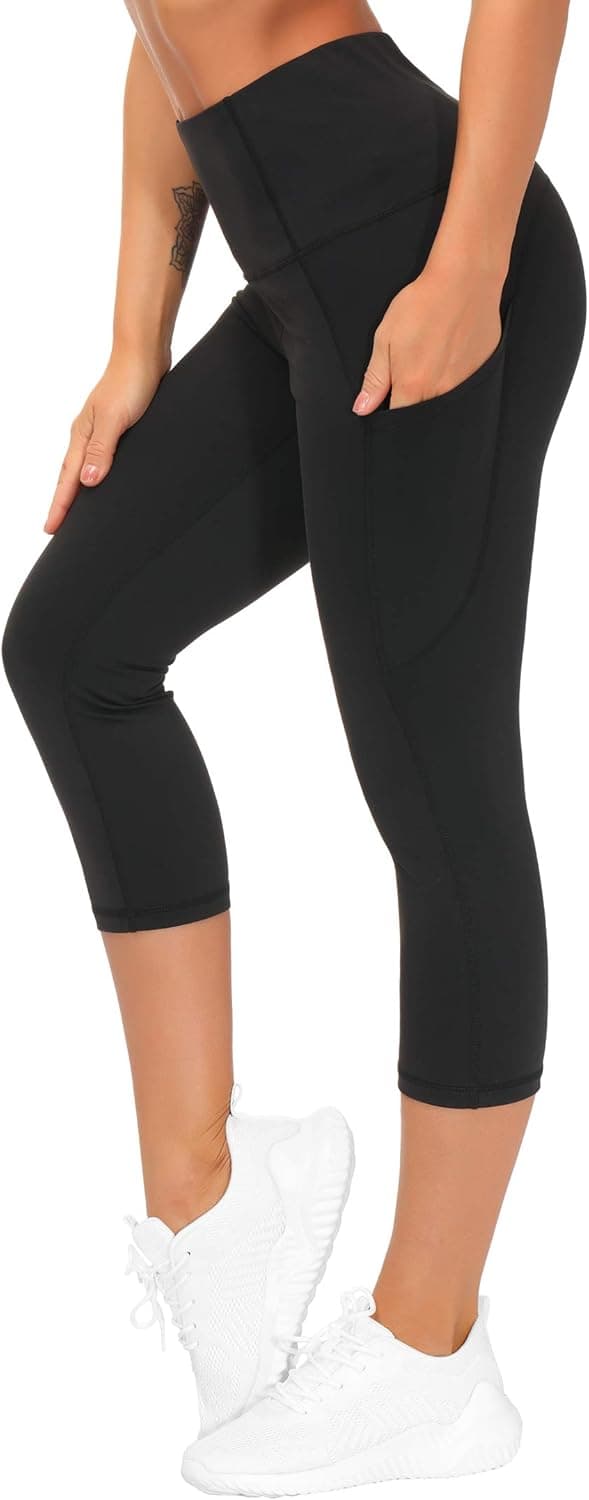
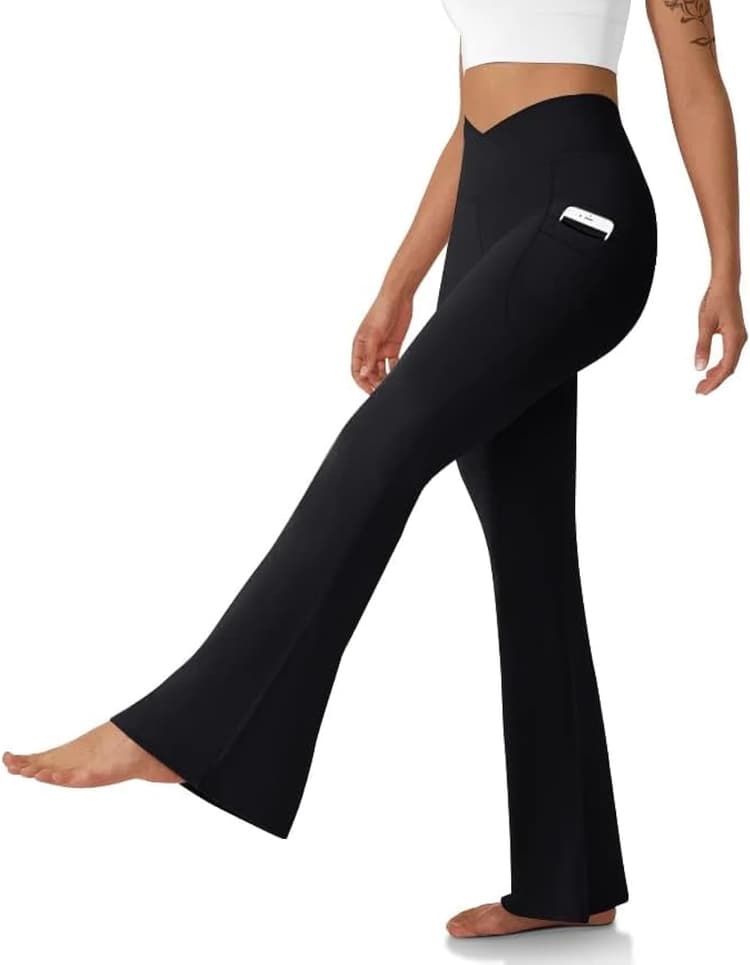
THE GYM PEOPLE
$19.99
$29.99
-33 %
*
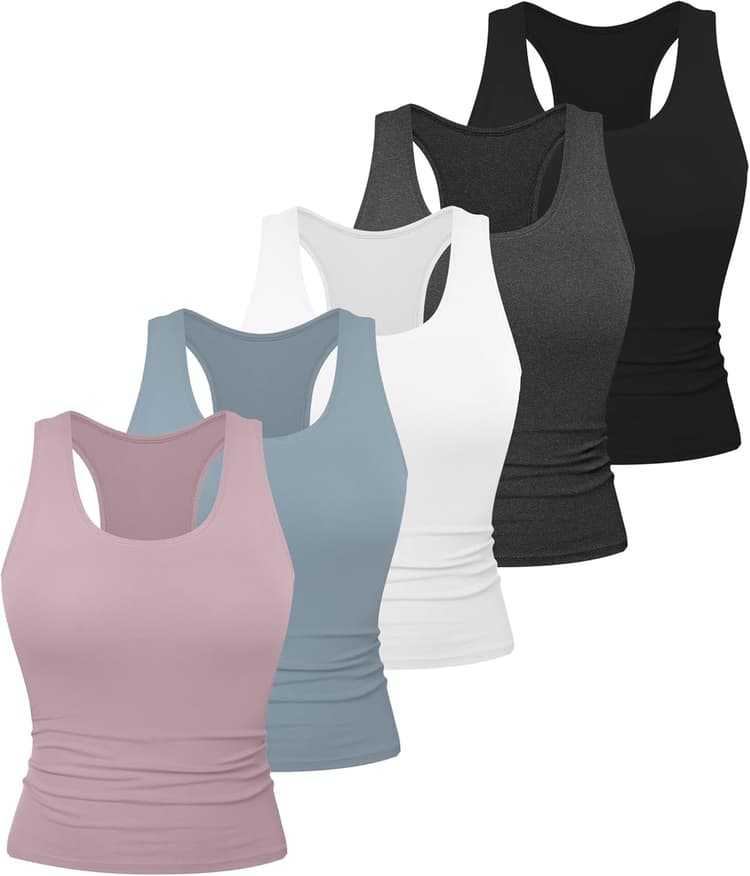
DLOODA
$14.99
$19.99
-25 %
*
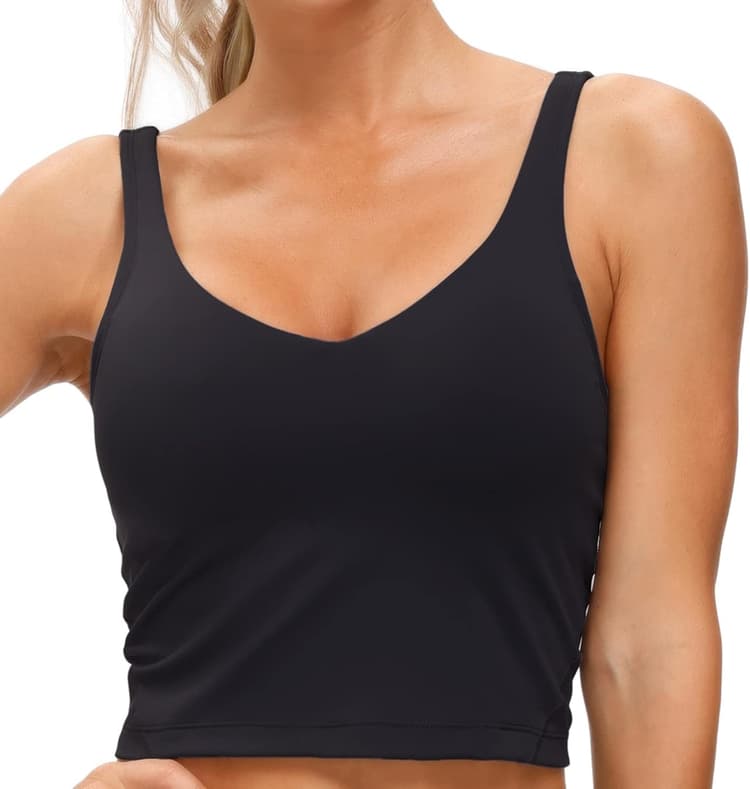
Dalavch
$29.99
$39.99
-25 %
*
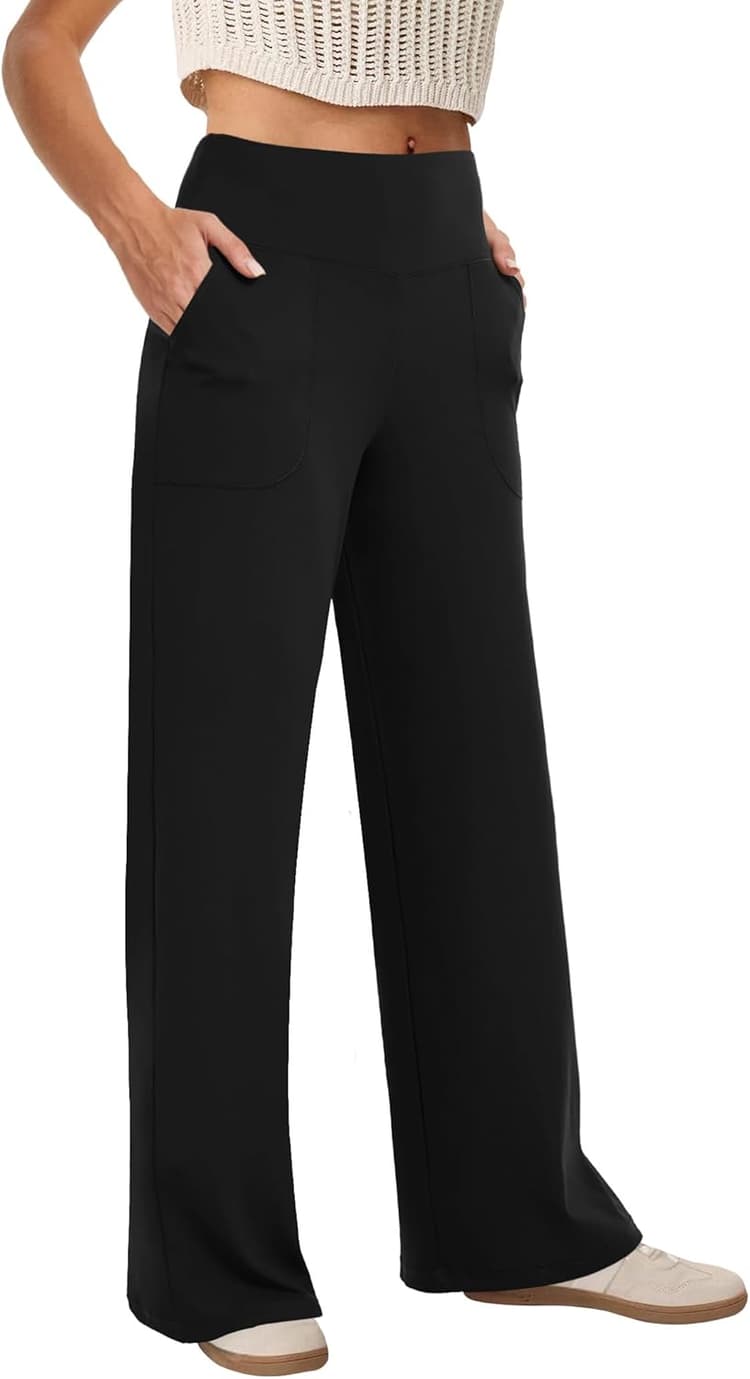
THE GYM PEOPLE
$19.99
$24.99
-20 %
*
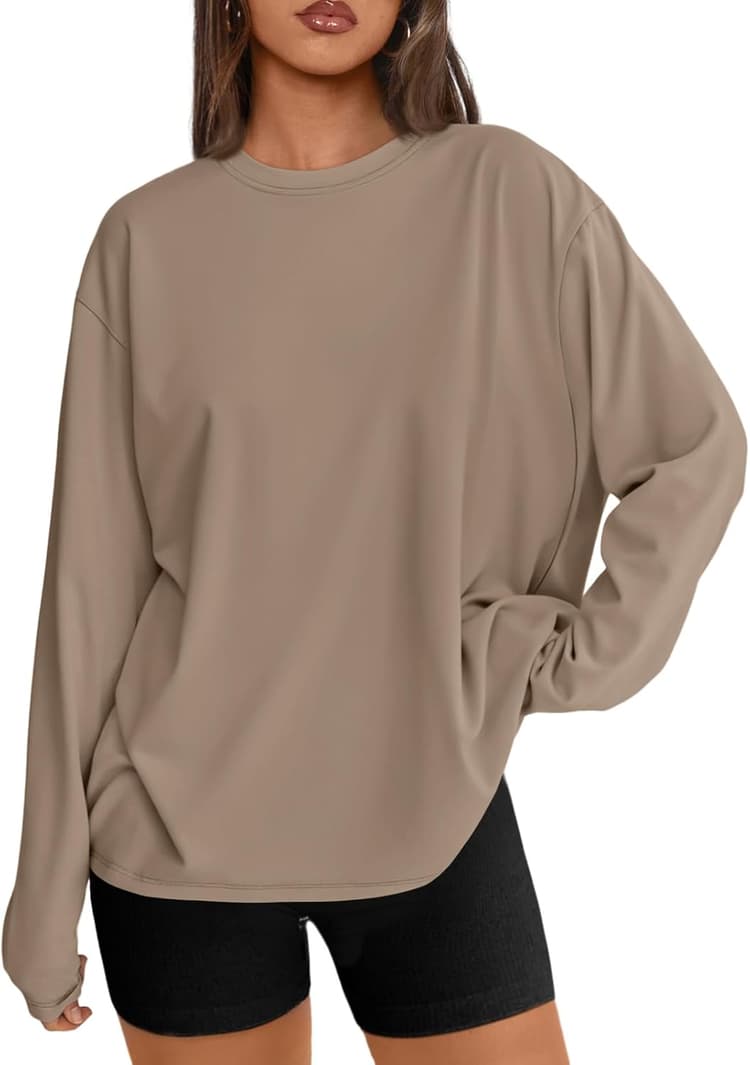
COPYLEAF
$19.99
$24.99
-20 %
*
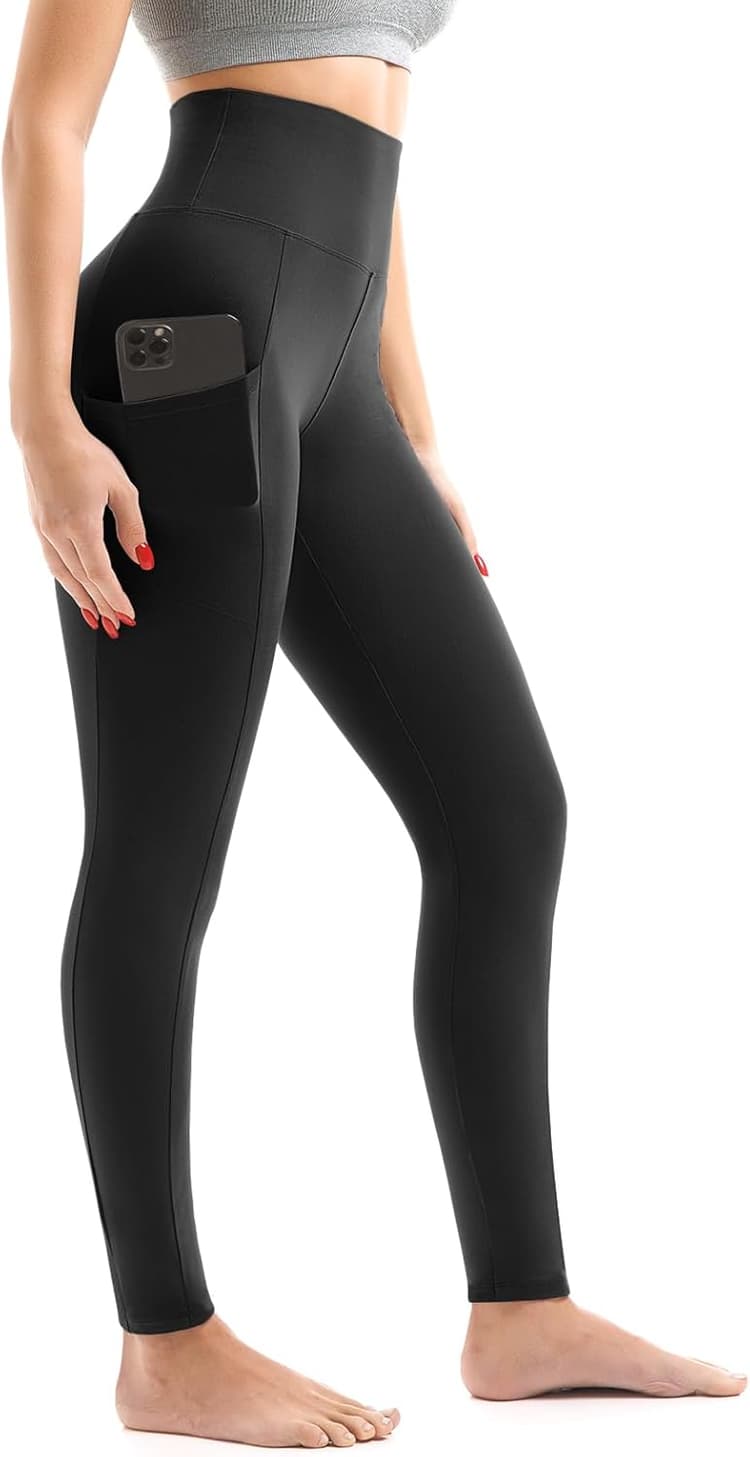
Trendy Queen
$11.99
$14.59
-18 %
*
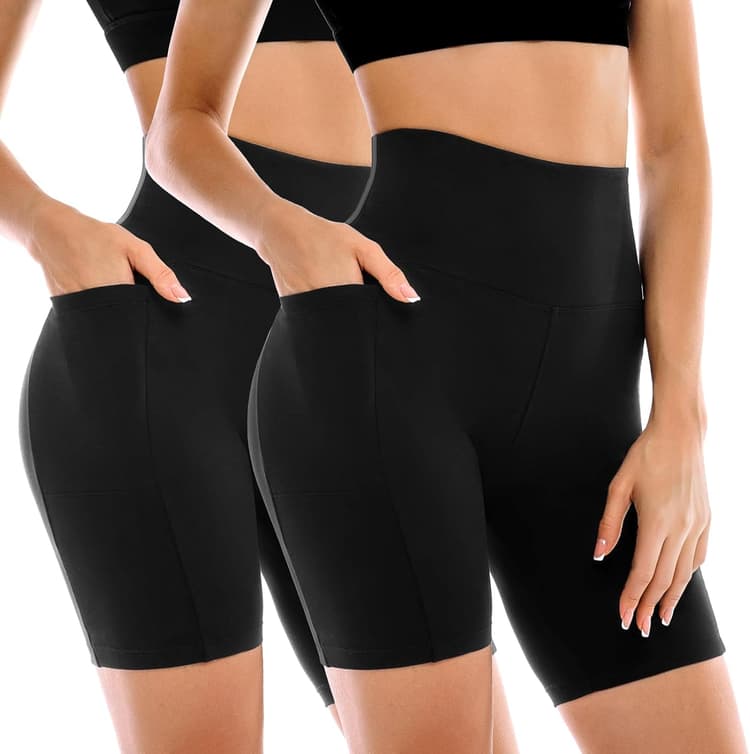
Walifrey
$5.94
$6.99
-15 %
*
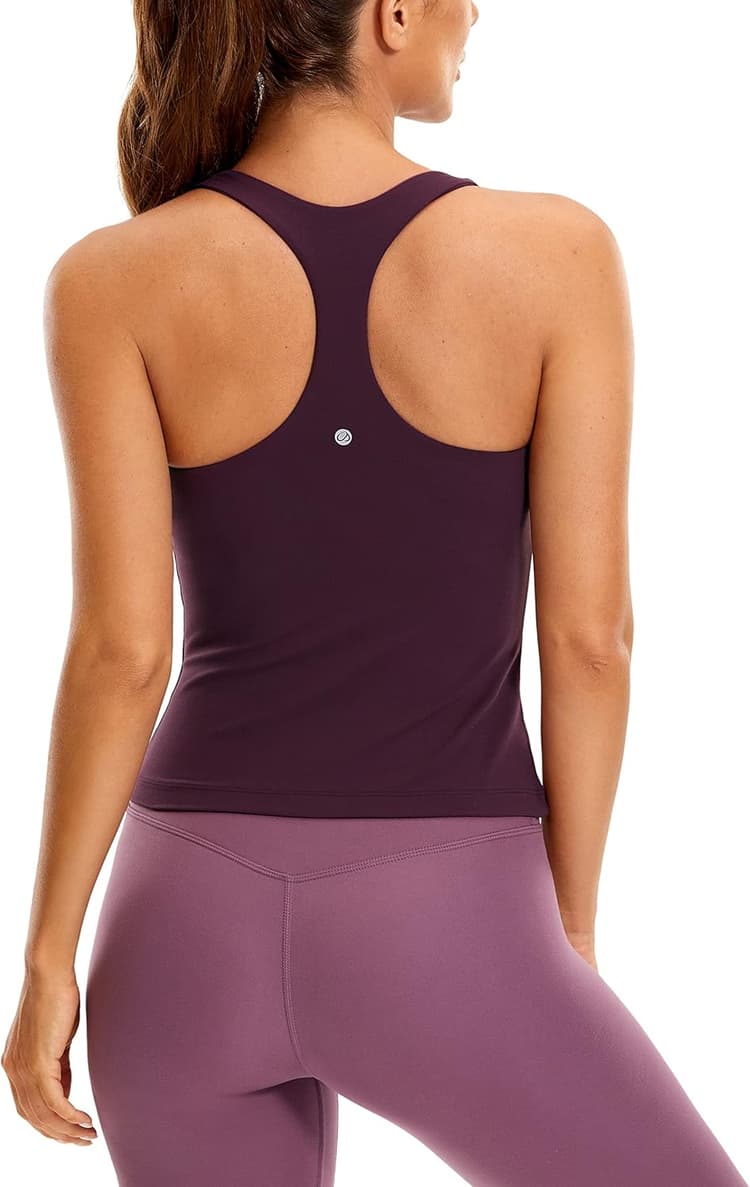
Leafigure
$9.99
$10.99
-9 %
*
CRZ YOGA
$32.00
Start by clarifying the character of your practice. Ask targeted questions: are your sessions slow and restorative (yin, gentle pilates) or dynamic and vigorous (vinyasa, cardio pilates)? How often do you train? Do you need clothing that works for studio classes and light outdoor activity? These factors steer your choices for cut, support level, and fabrics.
Concrete steps:
Advantages: this approach reduces impulse buys and targets pieces that suit actual needs. Limitations: needs change over time; a compact wardrobe should aim for versatility. In short, start with practice-based priorities rather than aesthetics alone.
Activewear for yoga and pilates spans a wide price range, and price does not always equal a better fit for your needs. Several elements explain cost differences:
How to use this when comparing:
Benefit: knowing these drivers helps prioritize spending. Limitation: marketing can inflate perceived value; always check tangible features rather than labels alone.
Size and comfort directly affect session quality. Too tight restricts breath and circulation; too loose interferes with poses. Use this practical method to find the right balance:
Benefits: correct sizing increases comfort and performance. Limitations: sizes differ by brand and fabrics may relax after wear; expect slight changes after multiple washes.
Practical tip: keep receipts and test garments with a few typical movements before committing, especially for fitted items like leggings and bras.
Fabrics determine garment behavior during sessions and over time. Knowing fiber properties helps match choices to practice and expectations.
Main fiber categories:
Durability:
Benefit: understanding materials lets you tailor choices to climate and intensity. Limitation: no fabric is perfect; choices are trade-offs between comfort, performance and environmental impact.
Practical example: for gentle studio pilates, a legging with mostly natural fibers plus about 10% elastane can be comfortable; for hot vinyasa, choose a lightweight synthetic with good breathability.
When comparing models, focus on a handful of measurable features rather than looks alone. Here are the items to check and how to interpret them:
Benefits of this method: objective comparisons help prioritize by use. Limitation: tactile qualities remain subjective and vary by individual preference.
Tip: build a simple comparison grid (support, breathability, opacity, seams, stretch) and score models. This reduces visual bias and highlights the best match to your priorities.
A garment’s performance is judged over time and in real conditions. Use these practical checks to see whether a piece will keep its promises:
Limitations of quick tests: true wear appears after months. To anticipate longevity, favor durable constructions (reinforced seams, dense knits).
Concrete example: for daily practice, assess mobility, hold under prolonged poses, drying within 10-20 minutes after light exercise, and sturdy-looking seams. These checks provide a realistic estimate of day-to-day performance.
Common mistakes:
Practical expert tips:
Benefit: these simple practices reduce wasteful purchases and extend clothing utility. Limitation: despite best care, wear is inevitable; plan replacements based on usage intensity.
CRZ YOGA
$32.00
CoolMate
$13.49
Irisbear
$9.99
CRZ YOGA
$28.00
DLOODA
$14.99
$19.99
-25 %
*
CRZ YOGA
$32.00
Leafigure
$9.99
$10.99
-9 %
*Sampeel
$9.87
$14.99
-34 %
*Kumufenc
$13.01
$19.99
-35 %
*THE GYM PEOPLE
$19.99
$24.99
-20 %
*THE GYM PEOPLE
$19.99
$29.99
-33 %
*Walifrey
$5.94
$6.99
-15 %
*Choosing clothing for yoga and pilates means balancing practice type, frequency, environment, comfort and budget. Rather than chasing a perfect item, define priorities (mobility, support, fabric breathability) and use them as your comparison framework. Take measurements, test garments in motion, check opacity and fabric recovery, and factor in care requirements to maintain longevity.
Price should be viewed through the lens of attributes: technical fabrics and refined construction are worth investing in if you practice often. For occasional practice, well-built functional pieces will suffice. Avoid common mistakes like buying excessively large sizes or skipping dynamic trials. Applying the practical checks in this guide will help you buy more deliberately and sustainably while maximizing comfort and usability for each garment.
This guide provides general advice and practical criteria for selecting yoga and pilates clothing. Recommendations are based on textile design principles, user feedback patterns and established care practices. No specific brands or products are promoted. The editorial intent is neutral and educational: to explain how to assess technical attributes so readers can make informed choices based on their priorities.
Our selections rely on independent analysis and hands-on testing, without commercial influence.
Clear comparison guides based on technical criteria and expert reviews.
We frequently revise articles to reflect new models and fashion trends.
Some links are affiliate: we may earn a commission and redirect you to trusted partner retailers.