
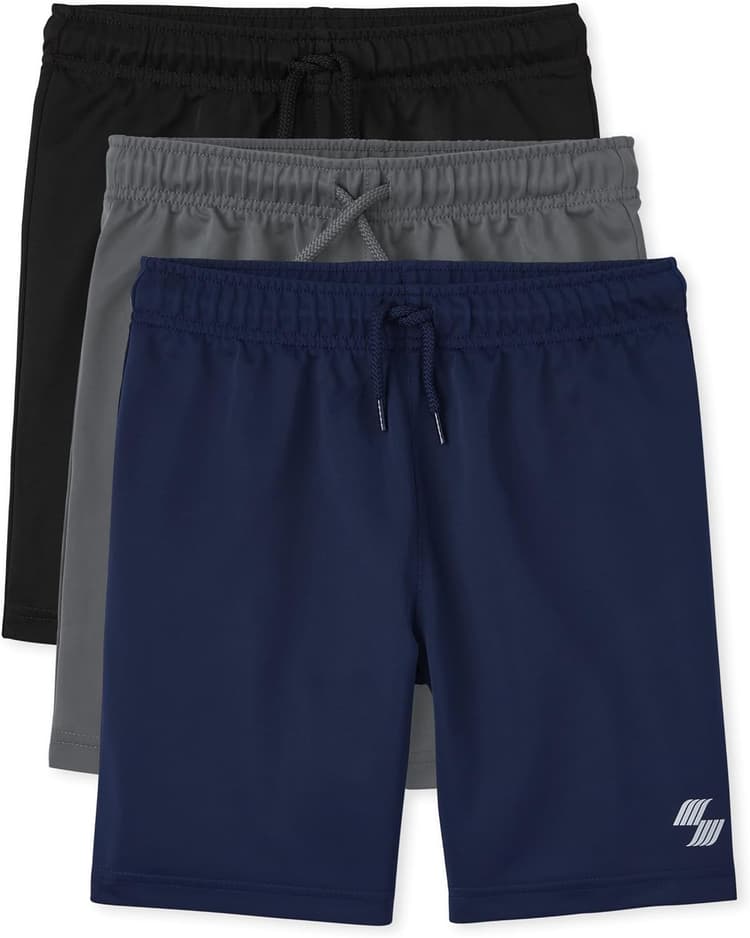
The Children's Place
The Children's Place Boys' Performance Basketball Shorts 2 Pack
★★★★☆4.5
$17.99
$38.95
-54 %
*
Senior editorial writer specializing in clothing reviews, style guides, and deals.

This pedagogical guide explains how to select boys clothing based on use, budget, fit and expected longevity. It is written for parents, guardians and caregivers who want clear, practical criteria rather than product hype. The structure follows steps: defining real needs, understanding what drives price, practical approaches to sizing and comfort, reading fabric labels, and simple ways to assess durability at home. Each section gives concrete benchmarks, the pros and cons of common choices, and typical beginner mistakes to avoid.
This is not a brand comparison or a product ranking. Instead, it aims to give you the tools to evaluate garments in any store or online listing. The advice remains objective: it explains when higher cost brings measurable benefits (for instance, for technical outerwear) and when cheaper items are adequate (for playwear that is frequently replaced). You will find actionable checks to perform in store or on delivery—inspect seams, compare fabric weights, take reliable body measurements—and guidance on trade-offs between cost, comfort and lifespan. A short FAQ and an editorial transparency note at the end clarify scope and limitations.
The Children's Place
$17.99
$38.95
-54 %
*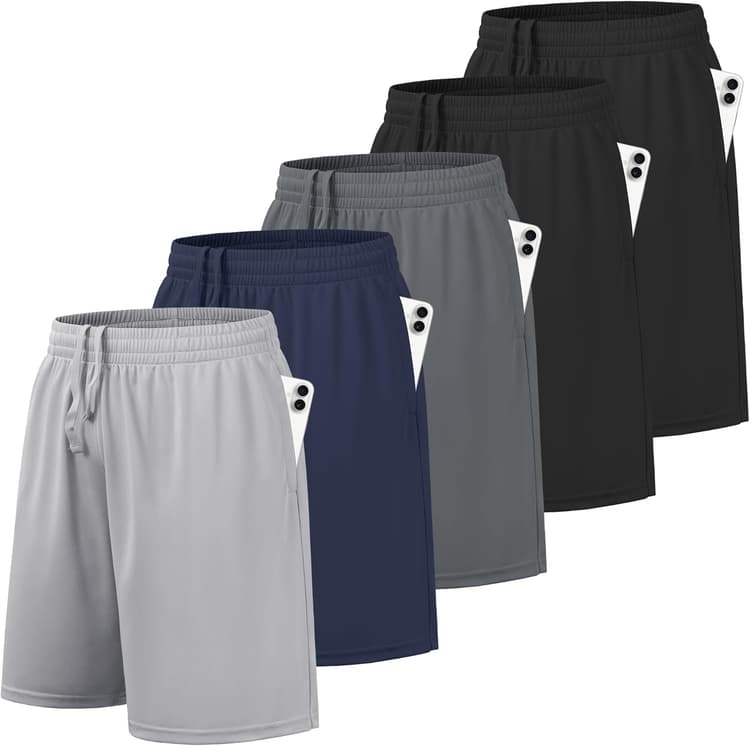
BALENNZ
$26.98
$39.99
-33 %
*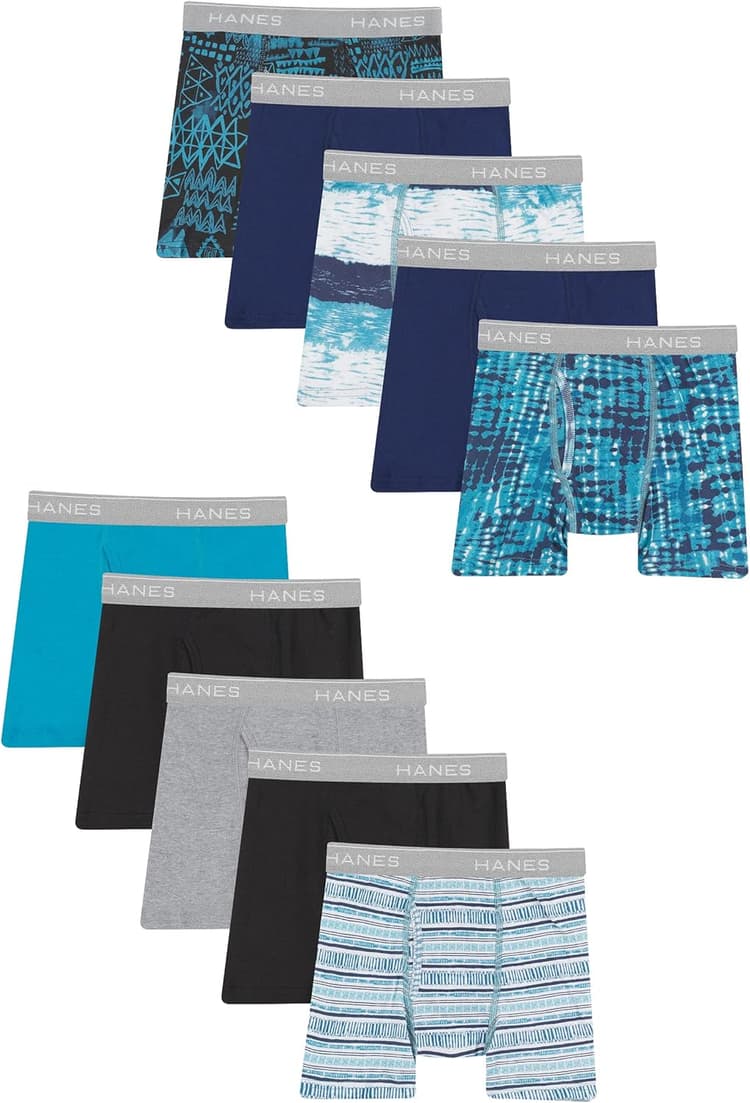
Hanes
$16.98
$24.49
-31 %
*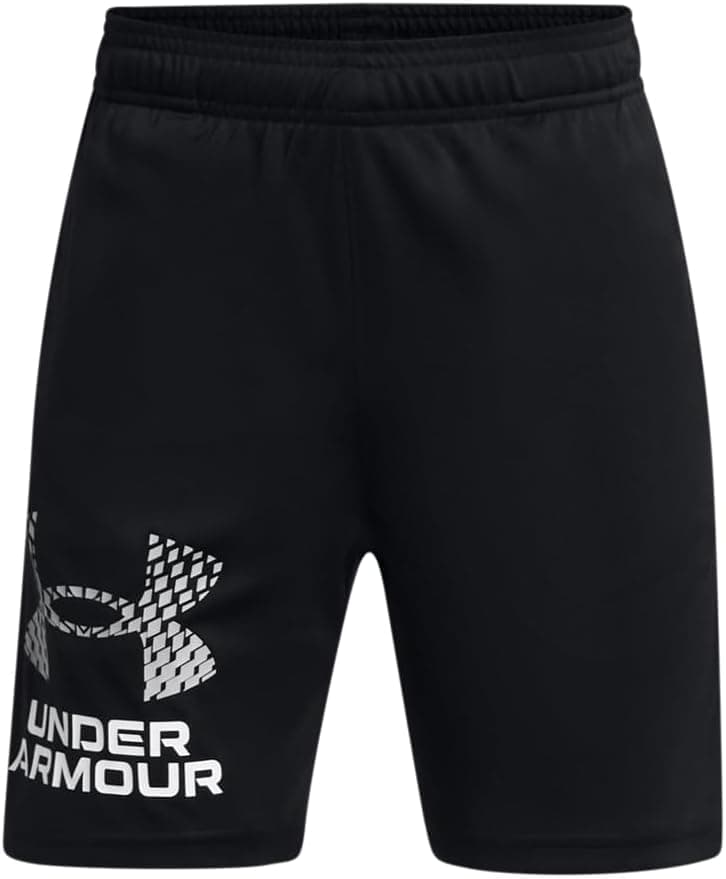
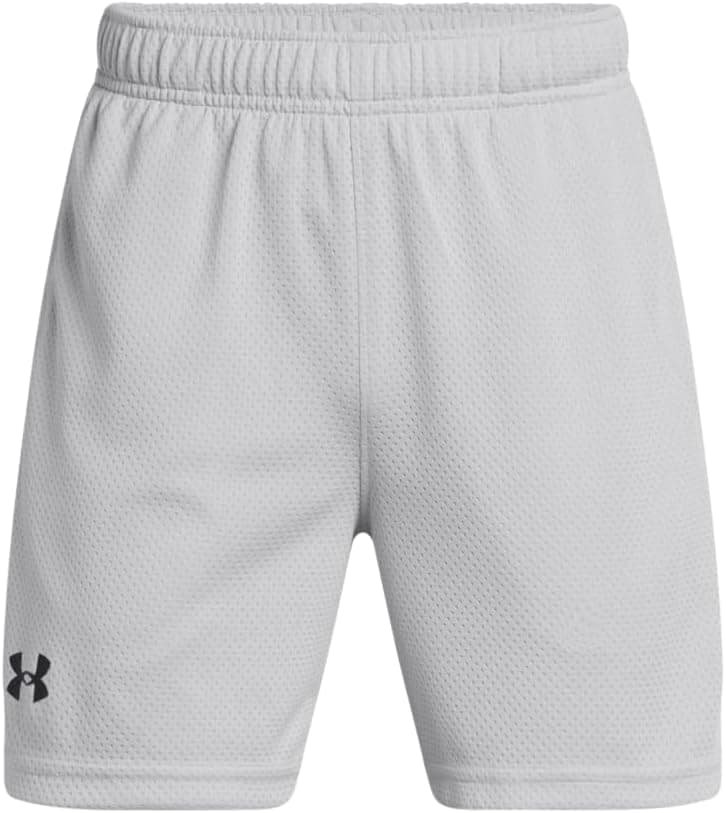
Under Armour
$14.99
$20.00
-25 %
*
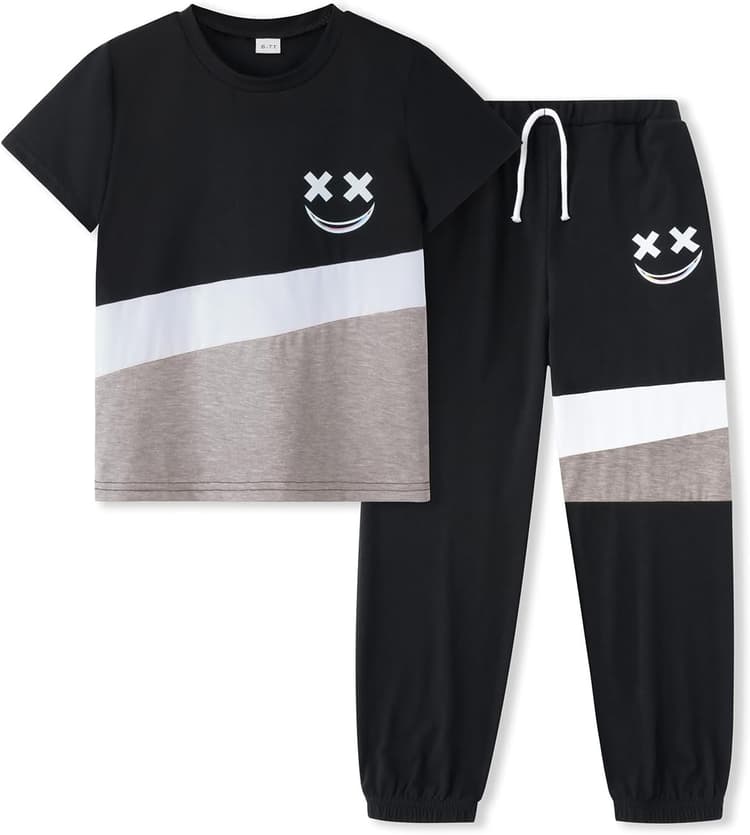
Under Armour
$14.99
$20.00
-25 %
*
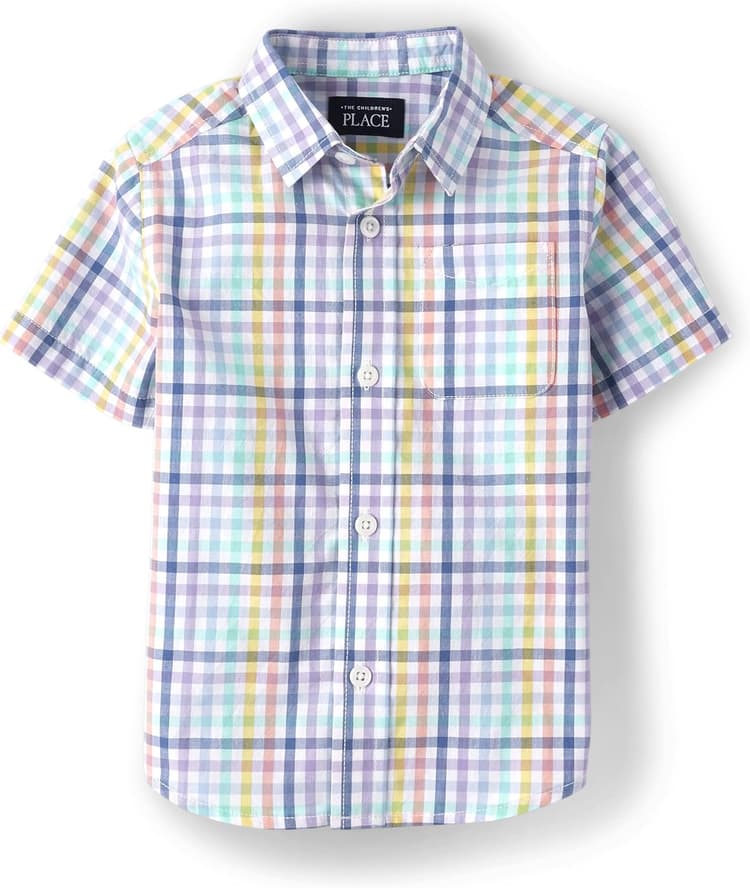
Vitalique
$14.22
$17.97
-21 %
*
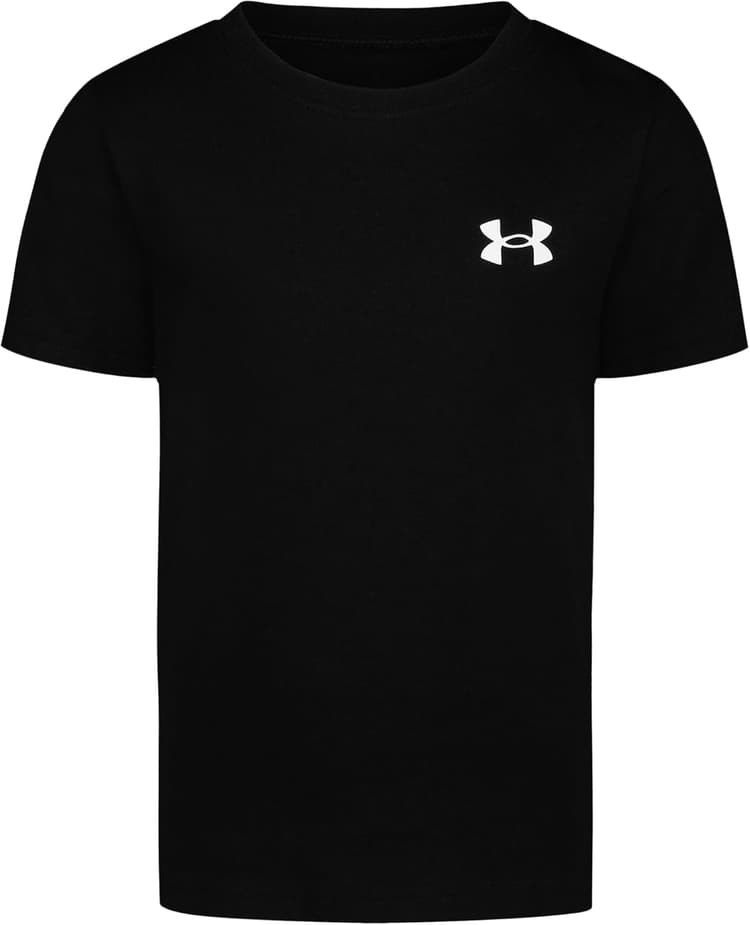
The Children's Place
$12.85
$14.92
-14 %
*
Under Armour
$10.30
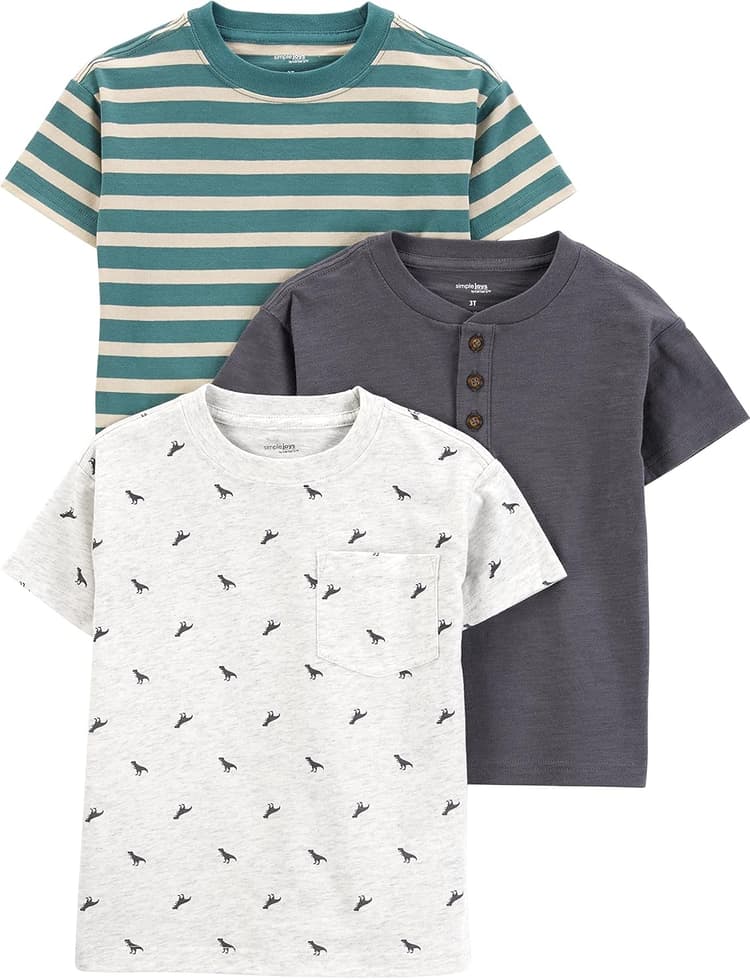
Simple Joys by Carter's
$22.00
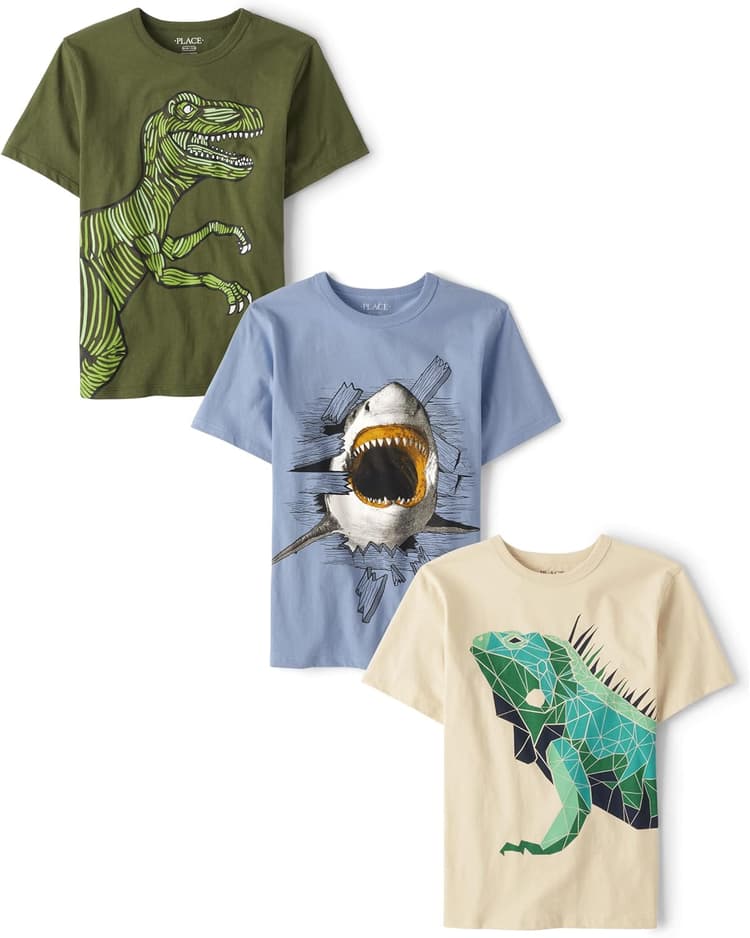
The Children's Place
$18.98
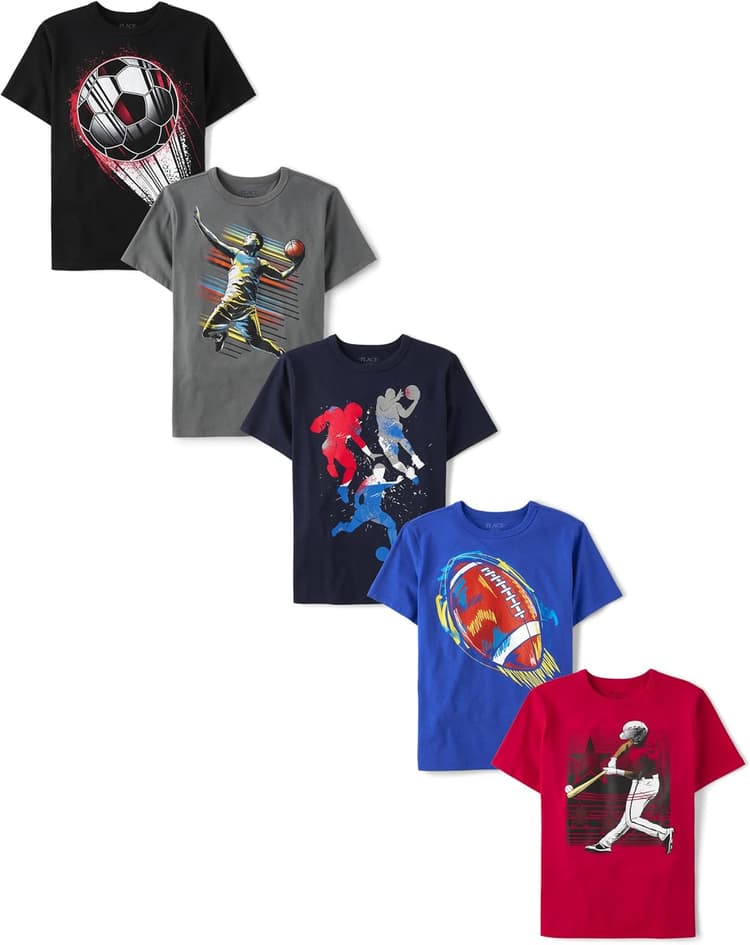
The Children's Place
$28.78
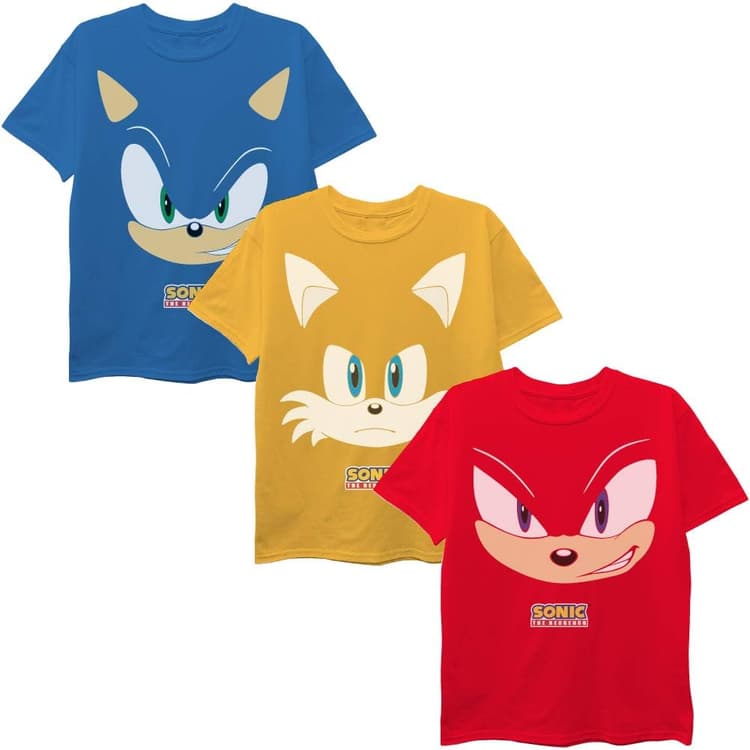
SEGA
$18.39
Start by mapping actual usage. A boy who plays outdoors daily has different needs than one who mainly attends indoor activities. Split garments into categories: everyday wear, school clothes, sports gear, outerwear and seasonal items. For each category, record frequency of use, washing demands and expected lifespan. For instance, a T-shirt worn multiple times a week and washed frequently calls for fabrics that resist shrinking and fading. Conversely, a shirt worn occasionally can prioritize appearance over heavy-duty durability.
Factor in growth rate: with infants and toddlers the size turnover is fast, so prioritising affordability and ease of wear makes sense. For outerwear or footwear where performance matters longer, spending a bit more is often justified. Also consider practical aspects: dressing ease (snaps, elastic waists), compatibility with existing wardrobe (neutral colors) and special needs (sensitive skin, allergies). If buying online, check return policies and size charts ahead of time.
Benefits of this approach: it helps balance cost and function based on real use. Limitations: the assessment is subjective and shaped by family priorities; allow a flexible budget and be prepared to adjust after a few purchases and hands-on experience.
Price differences in boys clothing come from several linked sources. First, fabric choice: organic cotton or performance blends usually cost more than standard cotton. Second, construction: reinforced seams, linings and refined finishes add expense. Third, functionality: waterproof membranes, insulation or stain treatments increase cost. Fourth, production scale and distribution: mass-produced items in large retailers can be cheaper than small-batch production.
How to interpret these differences: ask whether the extra cost delivers real value for your situation. For instance, a waterproof membrane and taped seams matter for a winter coat meant to last multiple seasons. For summer shorts that will be heavily played in and frequently replaced, such features are rarely worth the premium. Learn to identify where savings won't harm core needs: decorative elements, branding, or trend-driven finishes often add price without improving durability.
Benefits of investing more: better fit retention, reduced visible wear and sometimes improved comfort. Drawbacks: a higher price does not guarantee better fit or that the garment suits the child's preferences. Practical rule: judge value by fabric type, fabric weight and construction quality rather than price tags or marketing claims.
Size and comfort decide whether a garment gets worn. Start with accurate measurements: chest, waist, inseam and height. Use manufacturer size charts when available and compare measurements instead of relying on age labels. For growing children, choose a fit that allows modest ease at the shoulders and crotch so movement is free without the item being overly baggy.
Comfort cues to check: neck labels and seam placement (potential irritants), stretch in waistbands and cuffs, and how the fabric feels against skin. Fabric weight helps: lightweight jersey (around 80-140 g/m2) suits T-shirts and pajamas; heavier knits (200 g/m2 and above) are typical for sweatshirts and outer trousers. For mid-layers, choose fabrics that breathe while providing insulation—cotton-poly blends or technical microfibers are common options.
Benefit of careful measuring: fewer returns and less waste. Limitation: static measurements don't fully capture comfort during motion; try items in store or confirm return policies when buying online. Practical tip: keep a record of brands or cuts that fit your child well as a reference for future purchases.
Knowing materials helps predict durability and care. Natural fibers like cotton are breathable and comfortable but thinner cottons may wear faster. Blends (cotton-polyester) add strength and reduce wrinkling and drying time. Technical fabrics (membranes, microfibers, water-repellent treatments) boost performance but may require special care.
To assess durability without instruments: inspect seams (tight, even stitching), check likely wear zones (knees, elbows) and test closures (zippers, snaps) for smooth action. Fabric weight and weave density are clues: medium-to-heavy denim lasts longer than thin chambray. Anti-pilling and colorfast finishes are advantages for frequently washed items.
Care: follow label instructions for wash temperature and drying. Incorrect care accelerates wear even in high-quality textiles. Benefits of choosing durable fabrics: fewer replacements and better long-term appearance. Drawbacks: highly technical materials can be pricier and sometimes less comfortable directly on skin; for sensitive skin, choose certified soft fabrics or garments with flat seams.
When comparing two garments, focus on a handful of features and their practical implications:
For each feature, consider daily impact: a durable zipper prevents mid-season failures, yet if the item will be outgrown quickly, spending extra may not be justified. Benefit: this approach makes comparisons more objective. Limitation: some features are hard to assess from photos—ask for fabric weights, construction details or close-ups when shopping online.
Assessing daily performance means checking practical, quickly verifiable criteria:
In practice, prioritize tests that match intended use. For school clothes, resilience to frequent washing matters most. For special-occasion wear, appearance and fit are prioritized. Benefit of this pragmatic evaluation: it aligns purchases with real-life use and lowers regret. Limitation: assessing long-term performance requires time; keep tags intact to facilitate returns if a garment fails early.
Common mistakes:
User-friendly expert tips:
Benefits of these practices: fewer impulse buys and returns. Limitations: there is no one-size-fits-all rule; trial and observation of how garments behave in your family's routine are still necessary. Treat these hints as checkpoints to adapt to your local climate and lifestyle.
Under Armour
$10.30
Simple Joys by Carter's
$22.00
The Children's Place
$18.98
The Children's Place
$12.85
$14.92
-14 %
*The Children's Place
$28.78
SEGA
$18.39
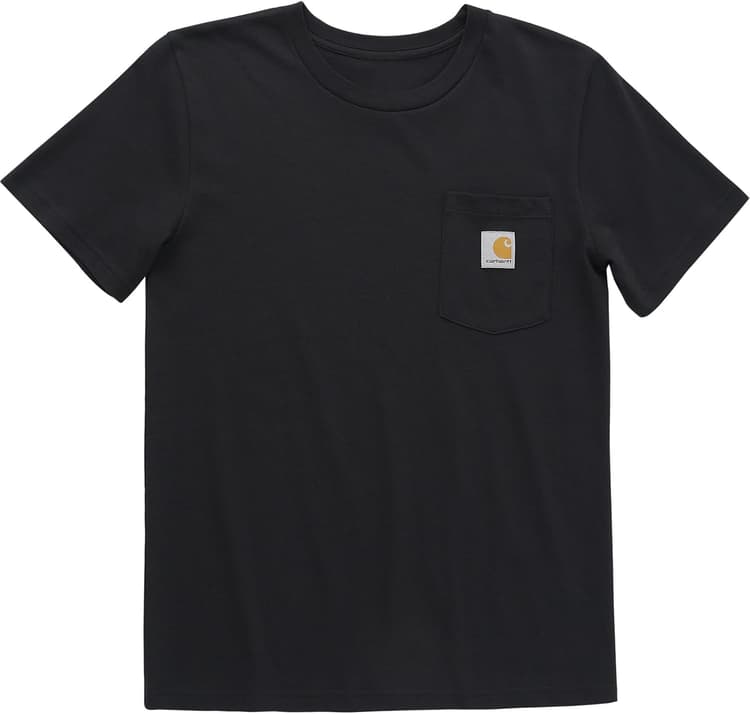
Carhartt
$11.99
Hanes
$16.98
$24.49
-31 %
*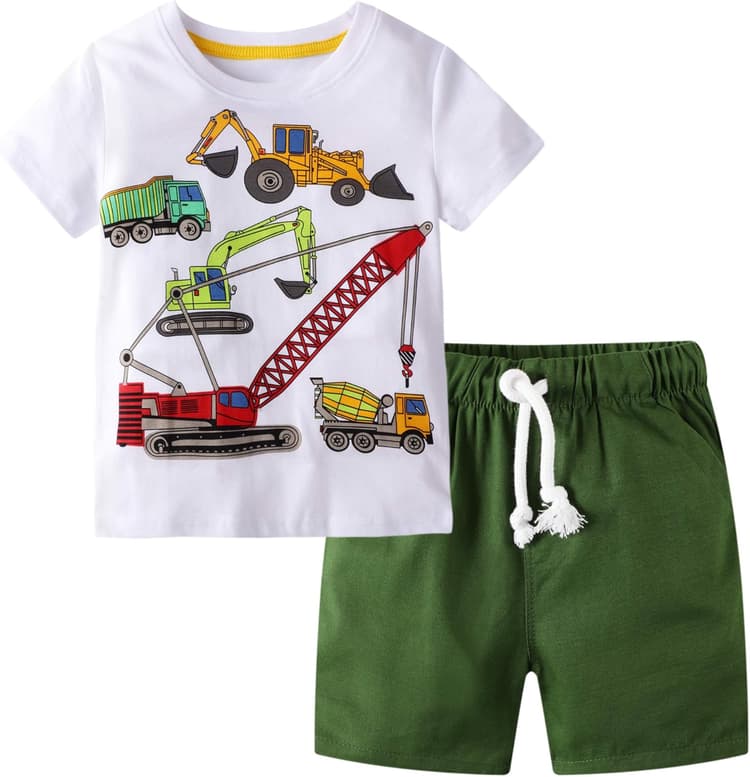
BIBNice
$14.99
Under Armour
$14.99
$20.00
-25 %
*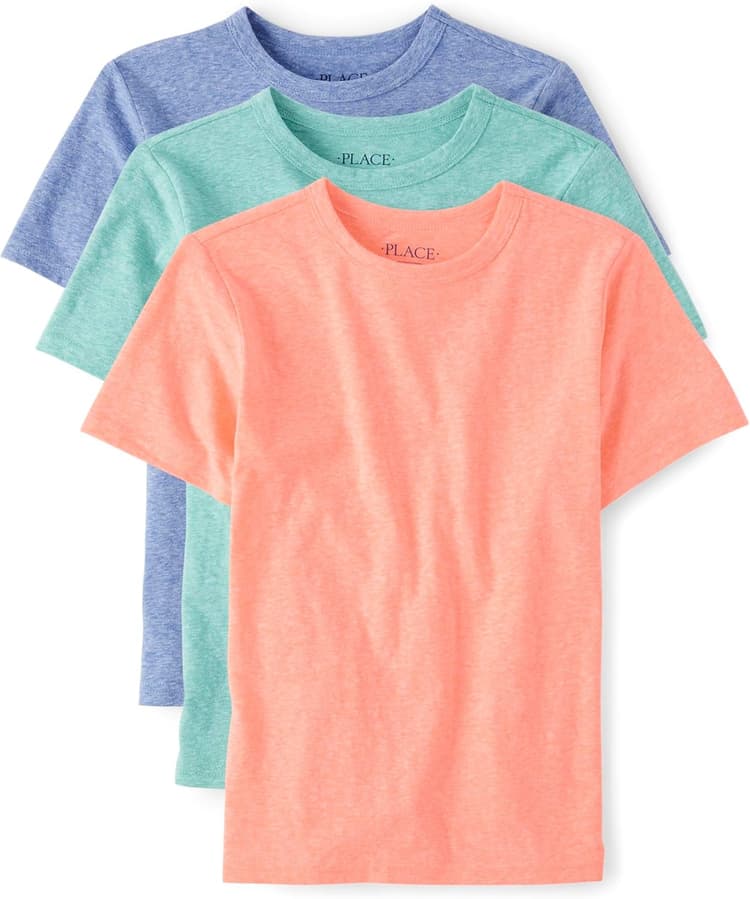
The Children's Place
$21.42
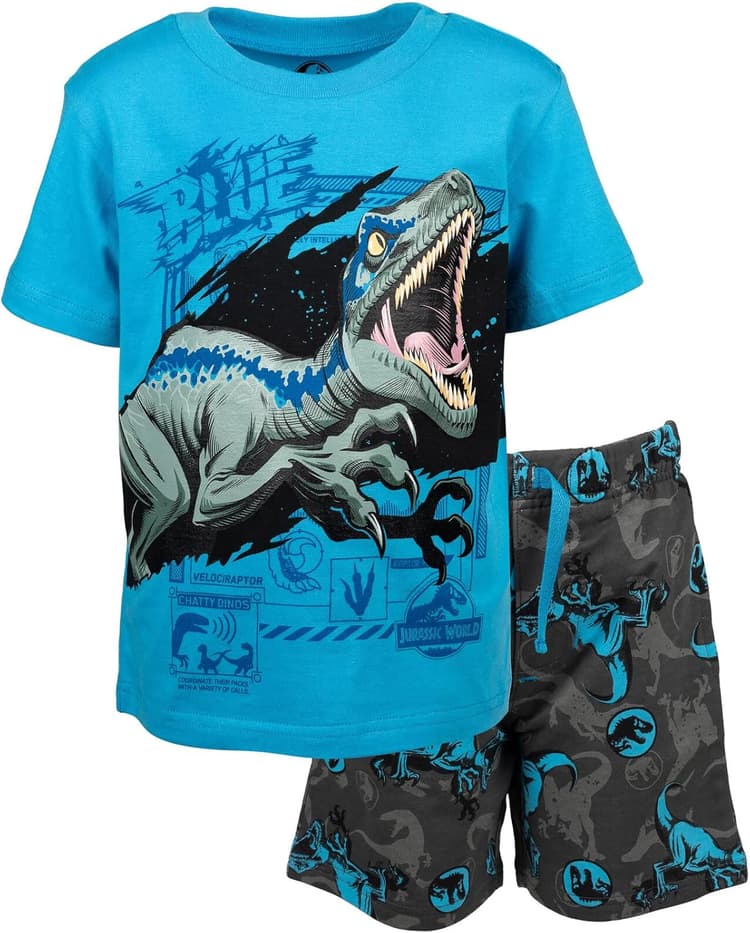
Jurassic World
$19.99
In short: define use and frequency for each garment, then assess core attributes—fabric type, fabric weight, seam quality and closures—rather than relying solely on price or branding. Measure your child and keep those measurements for consistent future buys. Adjust spending by category: frequently worn and washed items benefit most from good value and durability; technical outerwear justifies higher spending.
Carry out quick checks at purchase and delivery: inspect seams, test closures and read care labels. Keep common mistakes in mind, such as relying on age labels or overlooking return policies. Ultimately, refine your approach by observing how clothes perform over time in your household. This guide gives you criteria and steps to make informed choices; tune them to your local climate, growth patterns and laundry routines for the best results.
This guide was created independently to offer purchasing criteria and practical methods. It does not include brand rankings or sponsored product endorsements. Recommendations are based on common clothing construction and care practices and on principles of responsible consumption. Limitations: the guide does not replace physical fitting and does not address all special cases (medical conditions or highly specific needs).
Our selections rely on independent analysis and hands-on testing, without commercial influence.
Clear comparison guides based on technical criteria and expert reviews.
We frequently revise articles to reflect new models and fashion trends.
Some links are affiliate: we may earn a commission and redirect you to trusted partner retailers.