
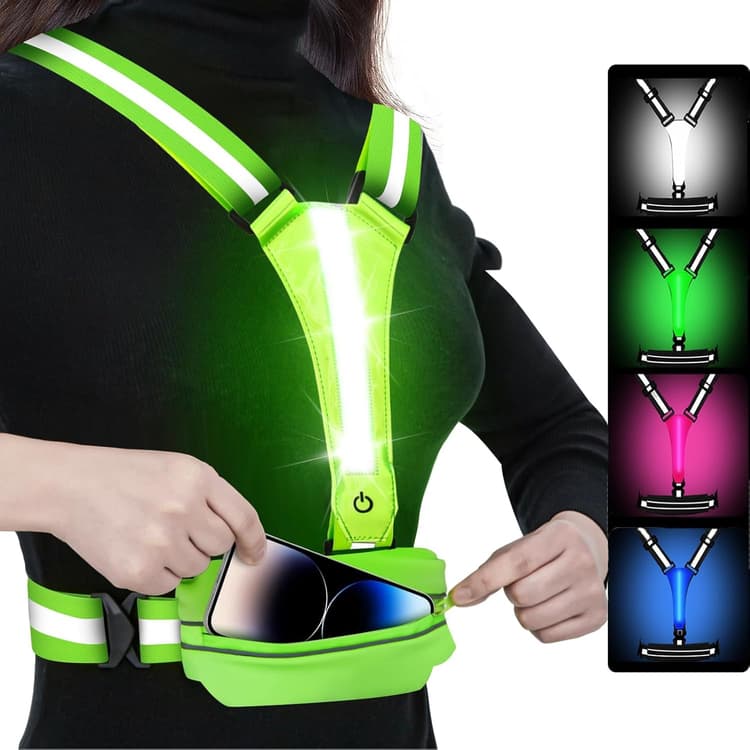
LOYAL SEA
LED Reflective Light Up Safety Running Vest for Biking Walking at Night, LOYAL SEA High Visible Adjustable Running Light for Runners Rechargeable with Pouch, Reflective Running Belt Gear for Men Women
★★★★☆4.5
$9.79
$14.99
-35 %
*
Product analyst covering fabric tech, fit advice, and budget-friendly finds.

This pedagogical guide explains how to choose running apparel that matches your goals and conditions. Running requires more than good shoes: clothing affects comfort, temperature control, range of motion and how long garments last. The purpose here is to walk you through the decision criteria step by step, from intended use to materials, sizing and common pitfalls for beginners.
Instead of recommending products, the guide teaches you how to assess what will suit you best based on training frequency, climate and budget. You will learn to tell a water-repellent finish from a waterproof membrane, interpret fabric weights and fiber blends, and identify likely wear points. Practical methods for measuring your body, selecting fits to prevent chafing, and optimizing ventilation during runs are included.
Each section gives concrete examples and highlights common mistakes such as choosing overly warm layers for high-intensity workouts or overlooking seam placement. The pedagogical approach focuses on why features matter, enabling you to refine choices season by season rather than chasing short-lived trends. By the end you will have an actionable checklist to pick layers and garments according to real use and expected durability.
LOYAL SEA
$9.79
$14.99
-35 %
*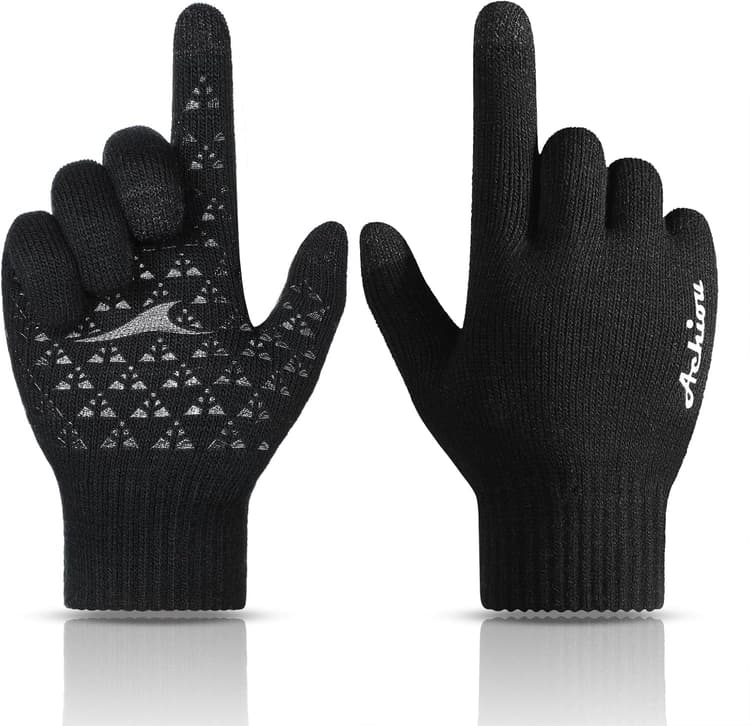
Achiou
$6.62
$9.99
-34 %
*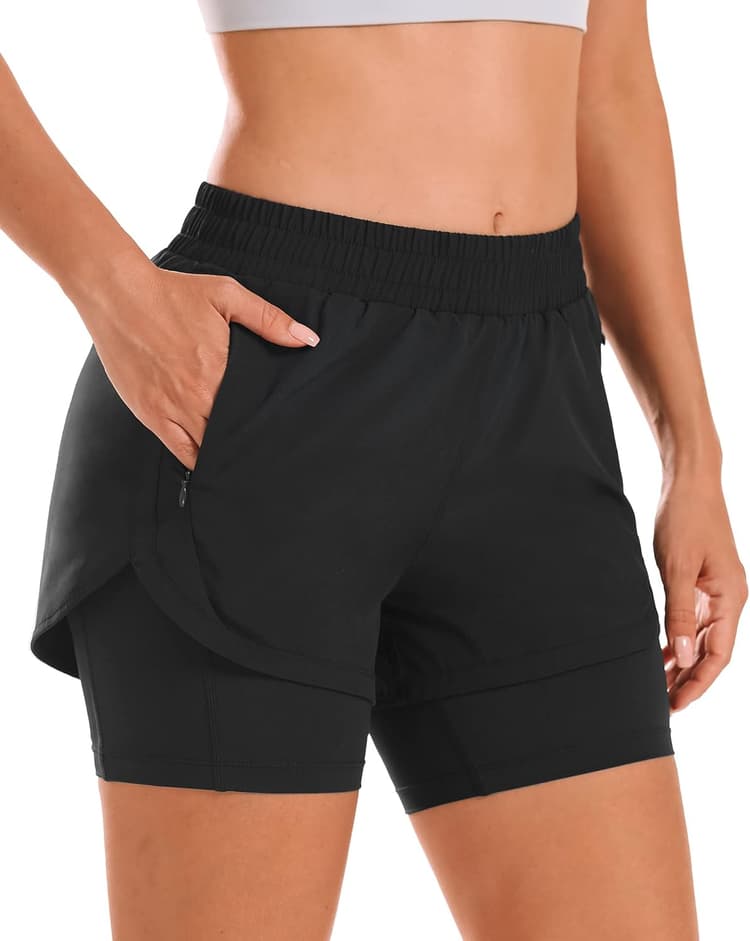
Stelle
$19.99
$29.99
-33 %
*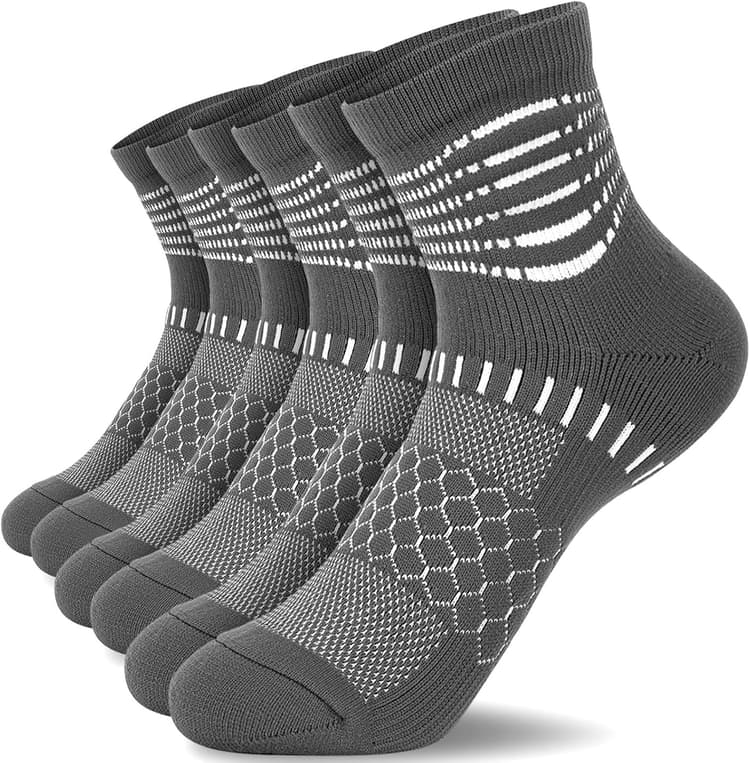
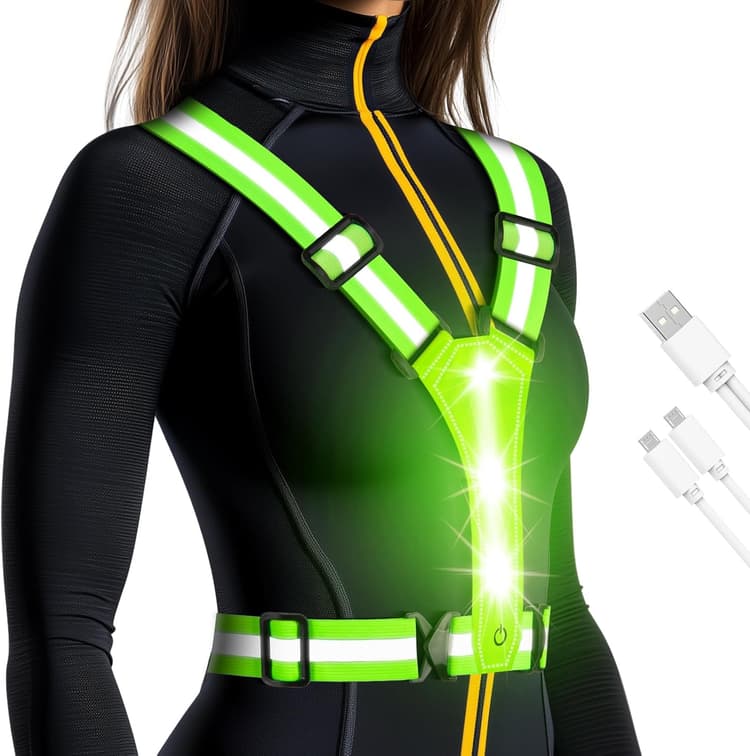
IRAMY
$9.99
$14.99
-33 %
*
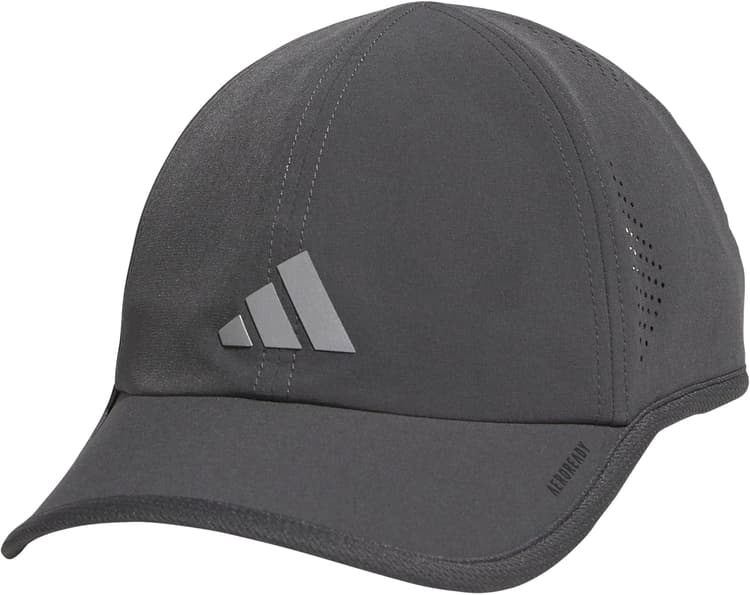
Cabbqiu
$9.99
$14.99
-33 %
*
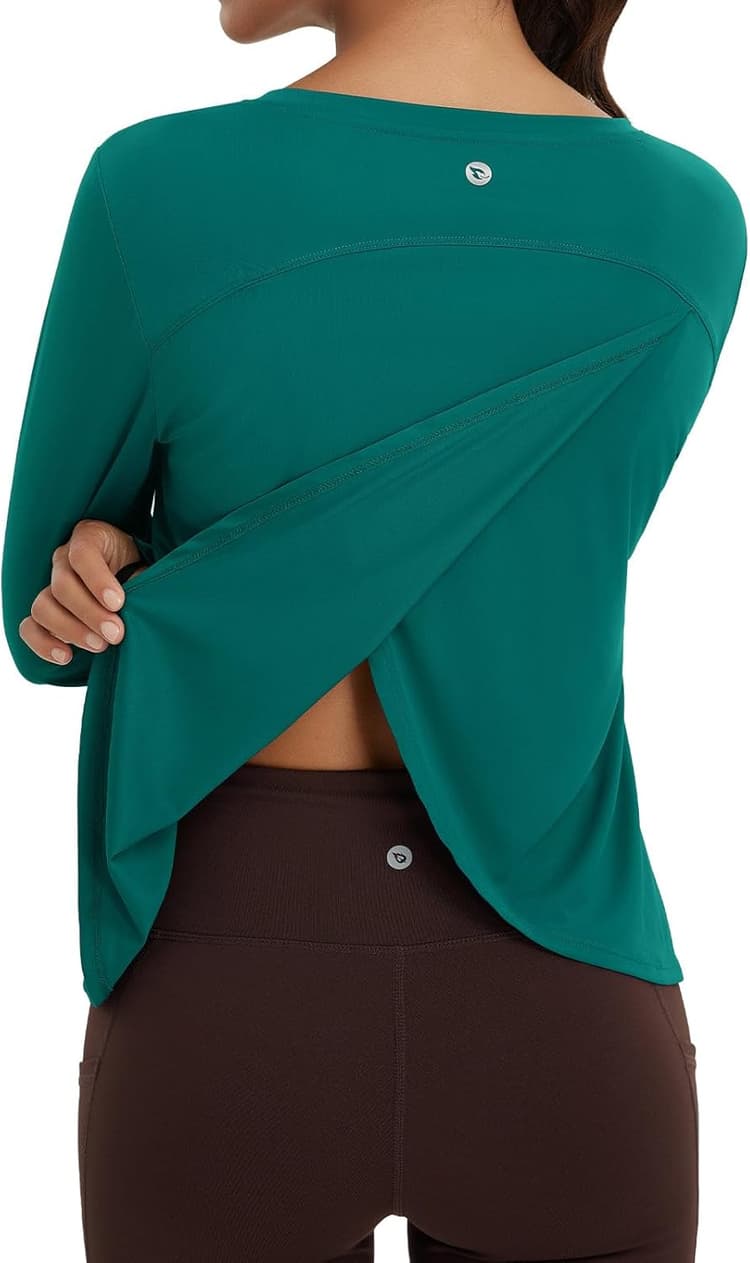
adidas
$19.60
$28.00
-30 %
*
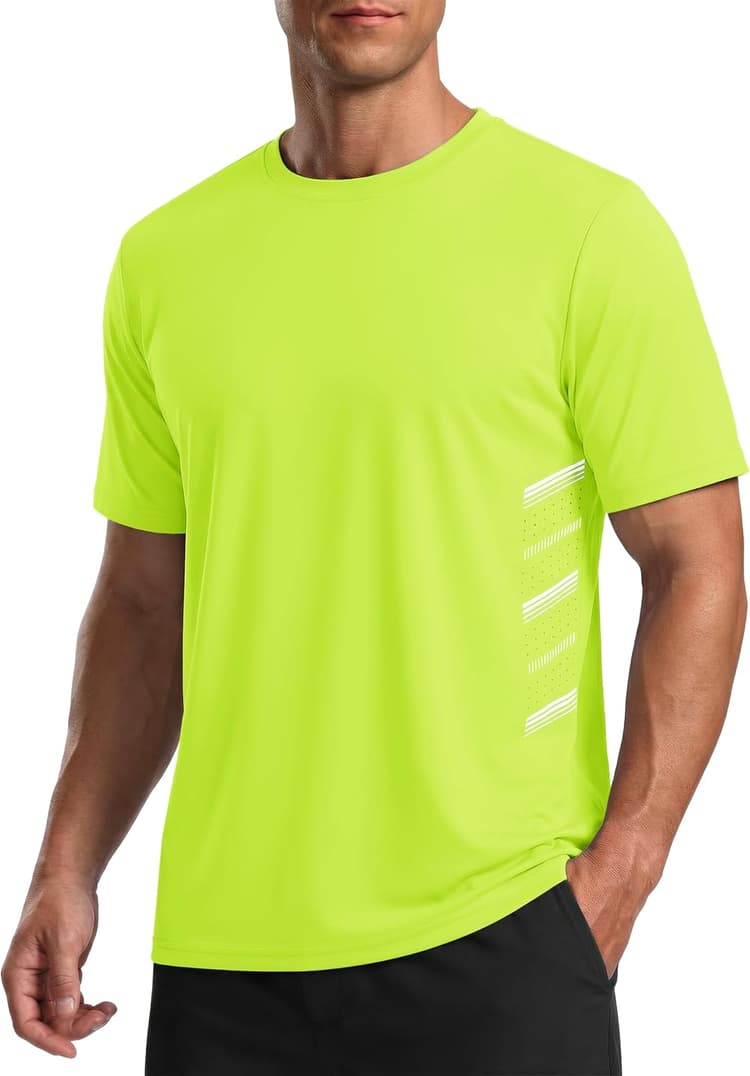
baleaf
$14.24
$19.99
-29 %
*
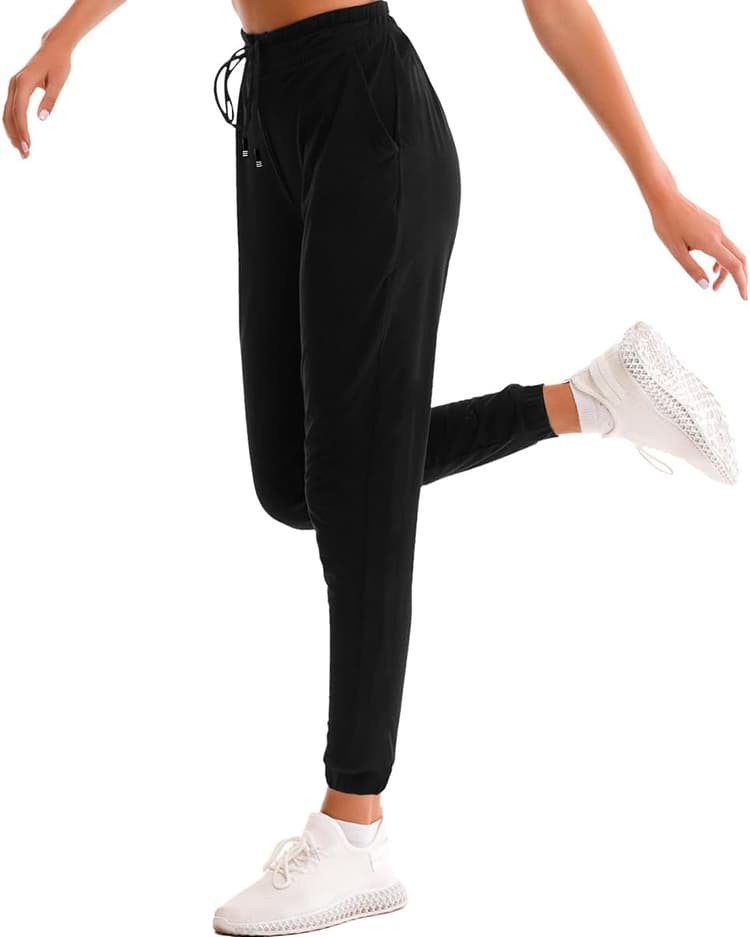
MAGCOMSEN
$14.99
$19.98
-25 %
*
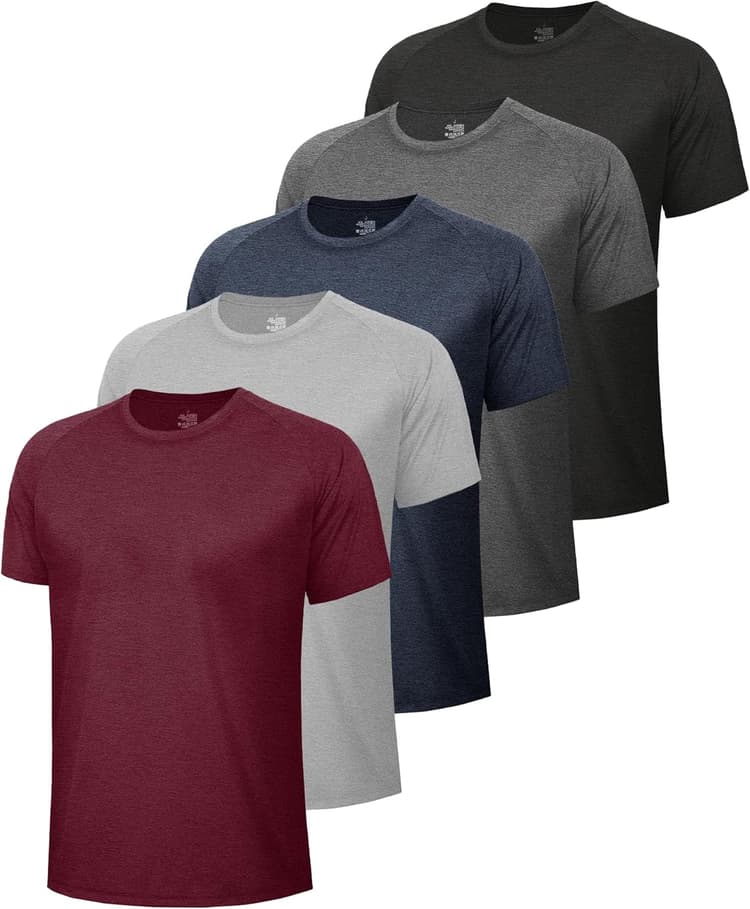
Stanpetix
$7.99
$9.95
-20 %
*
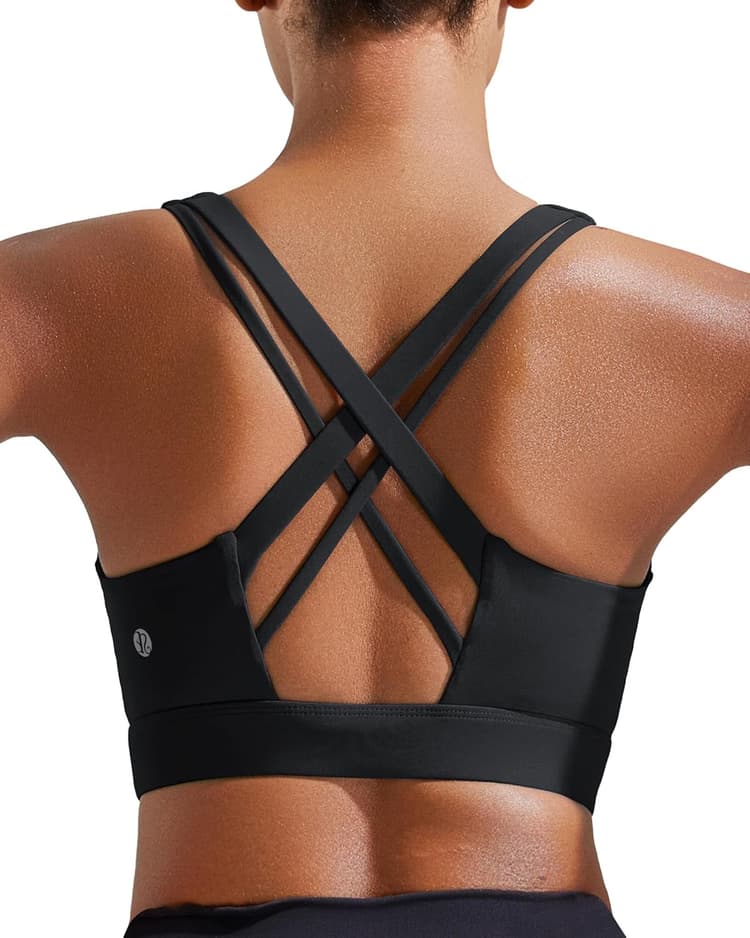
BOOJO
$17.99
$21.99
-18 %
*
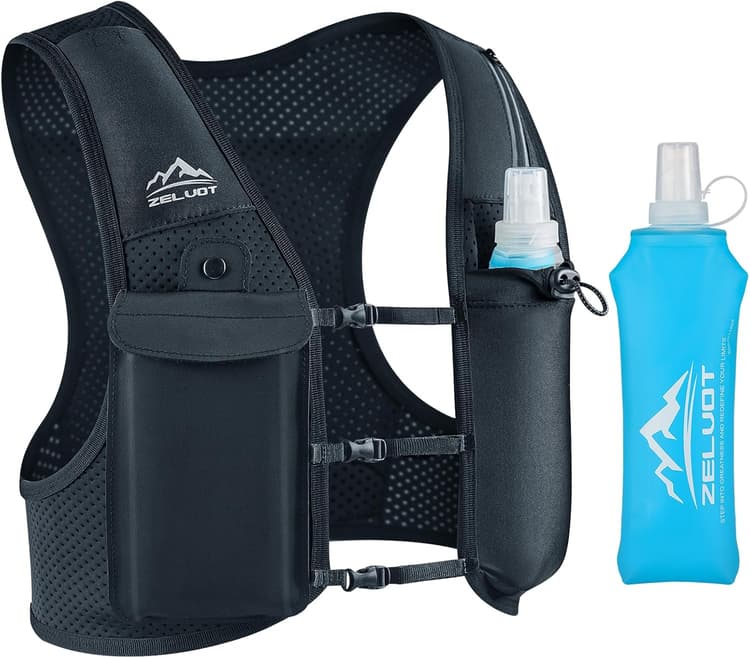
RUNNING GIRL
$19.99
$23.99
-17 %
*
Zelvot
$33.99
$37.99
-11 %
*Start by identifying your main use: short runs, long endurance runs, track intervals, or technical trail. Each use implies different priorities: for intervals you want highly breathable fabrics and strategic loose cuts; for long runs comfort and minimizing chafing are key.
Assess usage frequency. If you run several times a week, invest in durable, low-maintenance garments; for occasional runners, budget options can be sufficient. Consider seasonality: temperate climates favor thin, versatile layers while winter calls for insulation and wind protection.
Think about the environment: urban running exposes clothing to pollution and abrasion, trails demand stronger seams and reinforcements. Ask practical questions: will you need a jacket to manage heat buildup, or a rain-resistant outer shell? Do you need reflective trims for city visibility?
Concrete example: a runner doing three mixed weekly sessions (a long run and interval work) would benefit from a breathable base layer, a light mid-layer, and a water-repellent wind jacket. If they live in a rainy area, a more waterproof shell becomes necessary. This initial needs assessment prevents mismatches between apparel and actual activity.
Running apparel prices reflect several tangible factors. First, material quality: technical yarns, odor-control treatments, and waterproof membranes are more expensive to produce. Second, design complexity: ventilation panels, flat seams, and reinforcements raise manufacturing costs. Third, finishing and testing: quality control and durability testing add to price.
Production volumes and distribution also matter. Specialized pieces or small runs often cost more than basic items made at scale. Technical additions (waterproof zippers, reinforcements, high-performance recycled fibers) can justify higher prices but only if those features match your actual needs.
To make sensible choices: decide where to invest and where to save. Spend on core garments (tops, tights) if you train frequently; better materials and construction tend to save money over time through longer life. For seasonal or occasional accessories (thin gloves, a beanie), cheaper options can be adequate. Compare fabric weight, fiber composition and manufacturer warranty rather than focusing solely on price.
Practical example: a pricier 'technical' jacket can be a good investment if you train through wet months and need genuine water protection. Conversely, an advanced trail jacket is unnecessary if you only run on roads.
Sizing and cut directly affect comfort during runs. The rules are straightforward but require precision: measure chest, waist, hips and inseam with a tape measure and consult the manufacturer's size chart. Do not rely solely on your usual brand size—cuts and regional sizing differ.
Distinguish snug, active and relaxed cuts. A snug (light compression) fit reduces chafing and helps moisture transfer, useful for tights and base layers. An active fit provides modest room for movement without feeling restrictive during hard efforts. A relaxed fit maximizes airflow but may cause fabric folds and rubbing on long runs.
Pay attention to seams and labels: flatlock seams reduce irritation risk, while stiff tags can chafe at the neck or waist. Simulate running positions to check mobility: arms overhead, high knees and torso flexion. For tights, ensure the waistband stays in place and fabric does not become transparent under strain.
If ordering online, review return policies and look for user comments about fit. Concrete tip: if torn between two sizes and you plan to layer, choose the larger size to allow comfortable layering without restricting movement.
Technical fabrics dominate running clothing: polyester microfiber, polyamide, elastane and blends including recycled fibers. Each fiber brings traits: polyester dries quickly and wicks moisture, polyamide resists abrasion, elastane adds stretch. Blends try to balance comfort and performance.
Beyond fiber, finishes and constructions change garment behavior. A DWR (durable water repellent) finish makes a surface water-beading while maintaining breathability; a laminated membrane provides stronger waterproofing but can reduce breathability. Open-weave fabrics or mesh zones enhance ventilation but offer less wind protection.
Durability is influenced by fabric weight, weave density and reinforcements. High-friction areas (crotch, inner thighs, front seams) should be reinforced for trail or heavy use. For care, use gentle cycles, avoid fabric softeners that clog treatments, and follow washing instructions to preserve technical properties.
Assessment examples: a polyester tee at 120-160 g/m2 is light and quick-drying for summer; tights with 15-20% elastane offer good hold and stretch. If you expect heavy rain exposure, pick a jacket with an explicit membrane and sealed seams rather than a basic water-repellent finish.
Ventilation: look for mesh panels (underarm, back), and venting zips. Practical examples: a full-zip jacket with underarm vents quickly dumps heat during high-intensity efforts; a tee with central mesh zones promotes airflow. Check the range of opening: a functional zipper is a simple thermal control tool.
Water resistance vs waterproofing: distinguish DWR from a laminated membrane. DWR slows water absorption while allowing sweat to escape better; a membrane (2.5/3-layer) blocks external water but may trap vapor depending on quality. Use hydrostatic head values only when provided; otherwise rely on technical descriptions and user testing reports.
Visibility and safety: reflective elements should be visible front, back and on the sides. Bright colors help during daytime; reflective strips aid night visibility. Also consider secure pockets for keys and phone, and robust zippers if you carry gear.
Other features to compare: overall weight, packability, and ease of care. Prioritize features by use case: ventilation for intense sessions, waterproofing for wet conditions, visibility for dawn or dusk outings.
Everyday performance is judged by repeated use: garments should retain properties after washing and exposure. Check care instructions and build quality: double-stitched seams, reinforcements at stress points, and fabric that resists pilling. Manufacturer testing info (recommended wash counts) or user feedback on longevity are useful indicators.
Versatility reduces wardrobe bloat: a multi-use item cuts the need for multiple purchases. A lightweight, packable wind jacket, for example, serves as mid-season protection and stows away on long runs. Consider practical features: zipped pockets, compatibility with belts or hydration packs, and how well pieces layer together.
Care tips: avoid harsh cycles and fabric softeners to preserve treatments. For technical items (membranes, DWR), gentle washing and low-temp drying or air drying extends life. Re-activating worn DWR with a short dryer cycle is sometimes recommended by manufacturers.
A hands-on evaluation: inspect for deformation, snags, or loss of stretch after a few outings. Higher upfront cost can be justified if the garment shows significantly less wear over time. With simple, consistent maintenance you maximize daily performance and overall lifespan.
Common mistakes: choosing an overly warm garment for the actual intensity of workouts, favoring looks over function, ignoring fit to save a few euros, or layering improperly. For instance, starting with a fully waterproof but non-breathable jacket quickly leads to internal dampness during intense efforts.
Another frequent issue is neglecting friction management. Poor seam placement or rough materials at the thighs and underarms often cause discomfort. Always check seam positions and perform some dynamic moves when trying on clothing.
Practical expert tips: 1) Prioritize a breathable, moisture-wicking base layer—this layer most affects comfort. 2) For outer layers, choose versatility: a windproof, water-repellent jacket often serves better than a highly technical membrane unless you run in heavy rain regularly. 3) Inspect pocket attachment points and zipper durability if you carry gear on runs.
Finally, build gradually: don't buy everything at once. Grow your kit with your training needs. A simple plan: start with a quality base layer, a reliable pair of tights, a lightweight jacket, and add specialized pieces as required. Informed incremental purchases reduce waste and chronic discomfort.
adidas
$19.60
$28.00
-30 %
*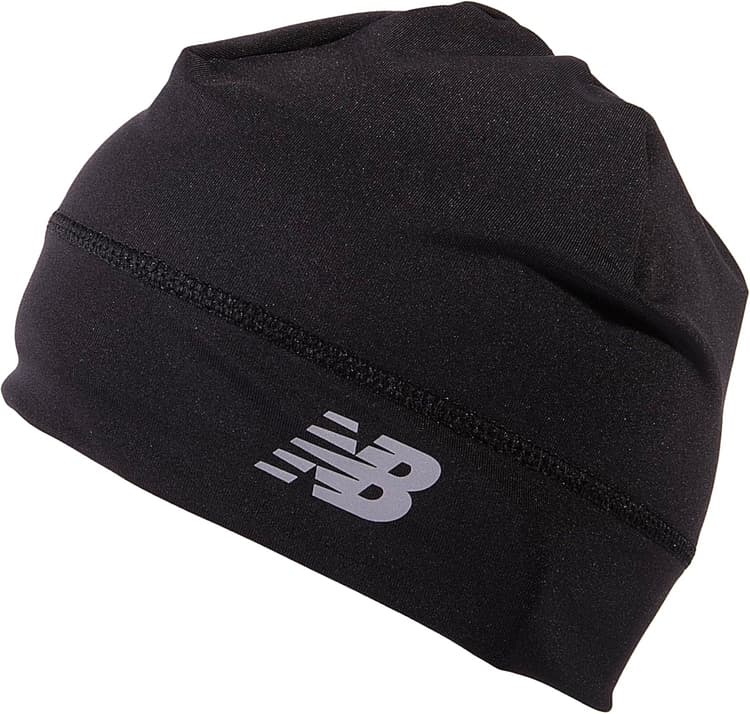
New Balance
$19.99
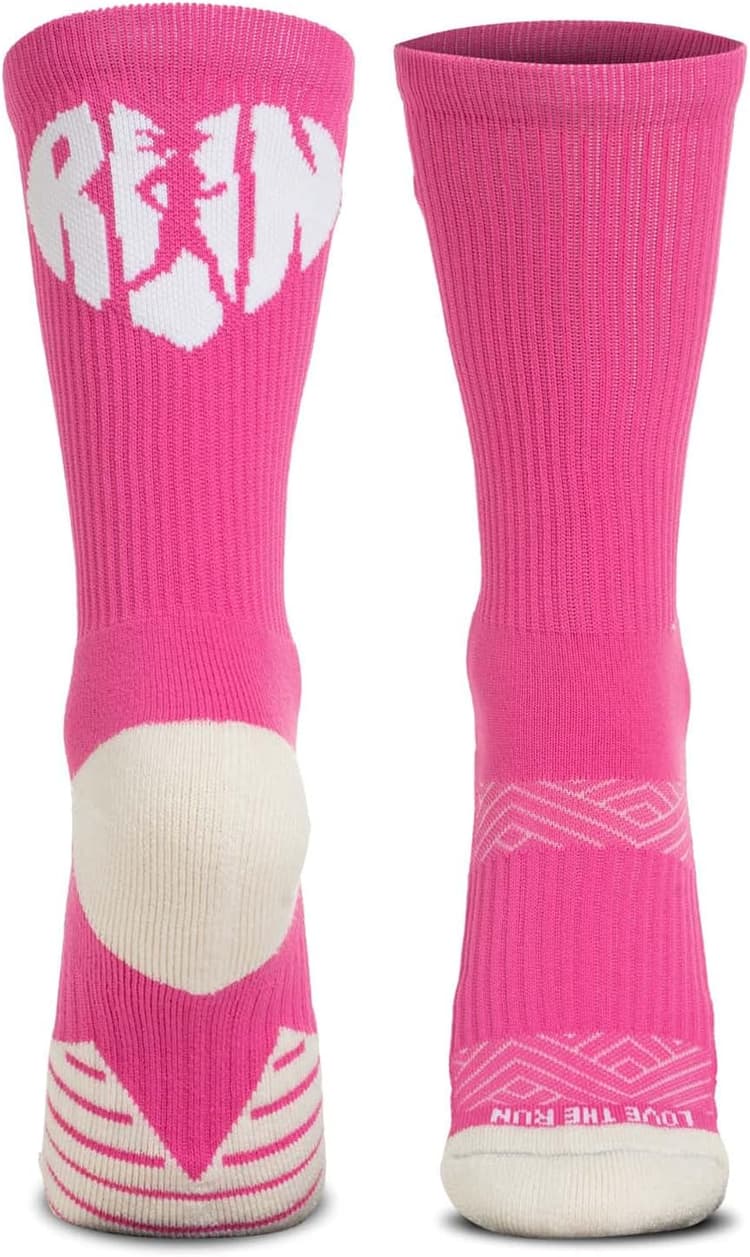
Stelle
$19.99
$29.99
-33 %
*
Gone For a Run
$14.99
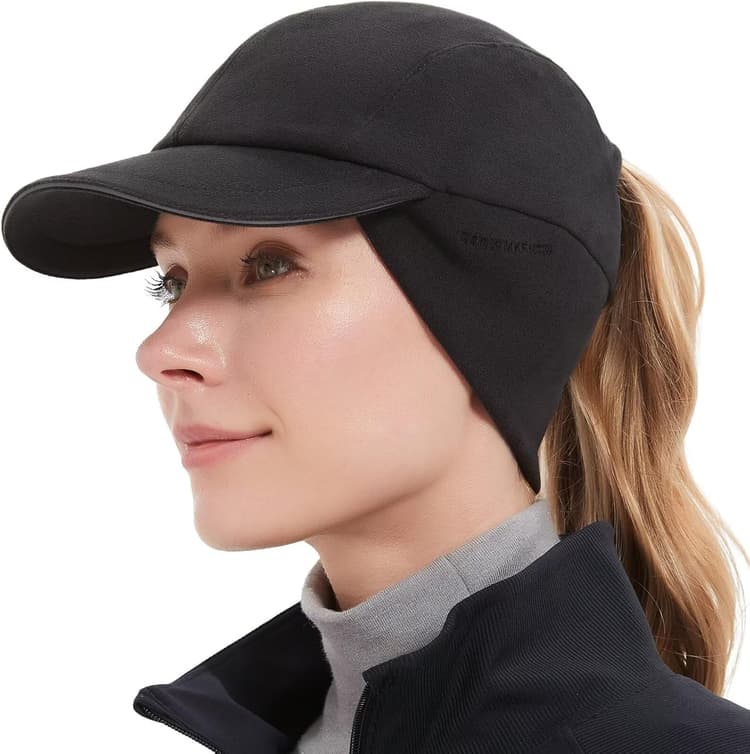
BOOJO
$17.99
$21.99
-18 %
*
GADIEMKENSD
$19.98
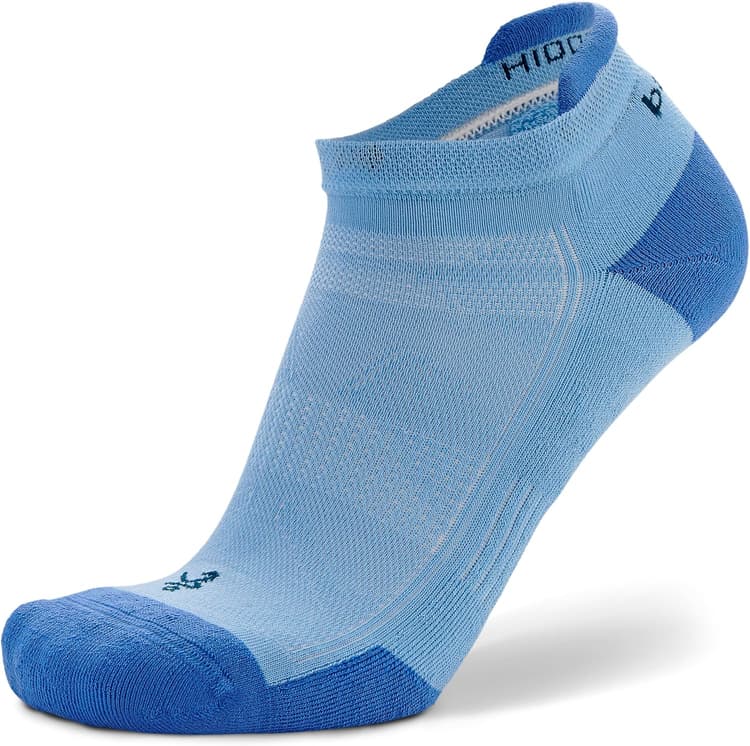
Balega
$19.00
Stanpetix
$7.99
$9.95
-20 %
*IRAMY
$9.99
$14.99
-33 %
*Zelvot
$33.99
$37.99
-11 %
*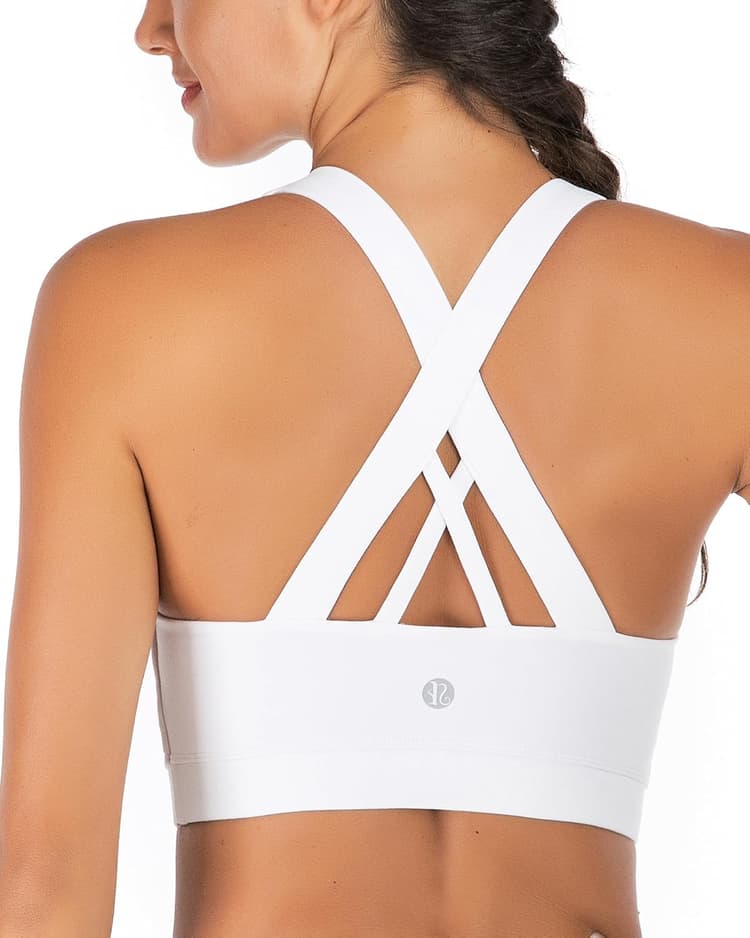
RUNNING GIRL
$21.99
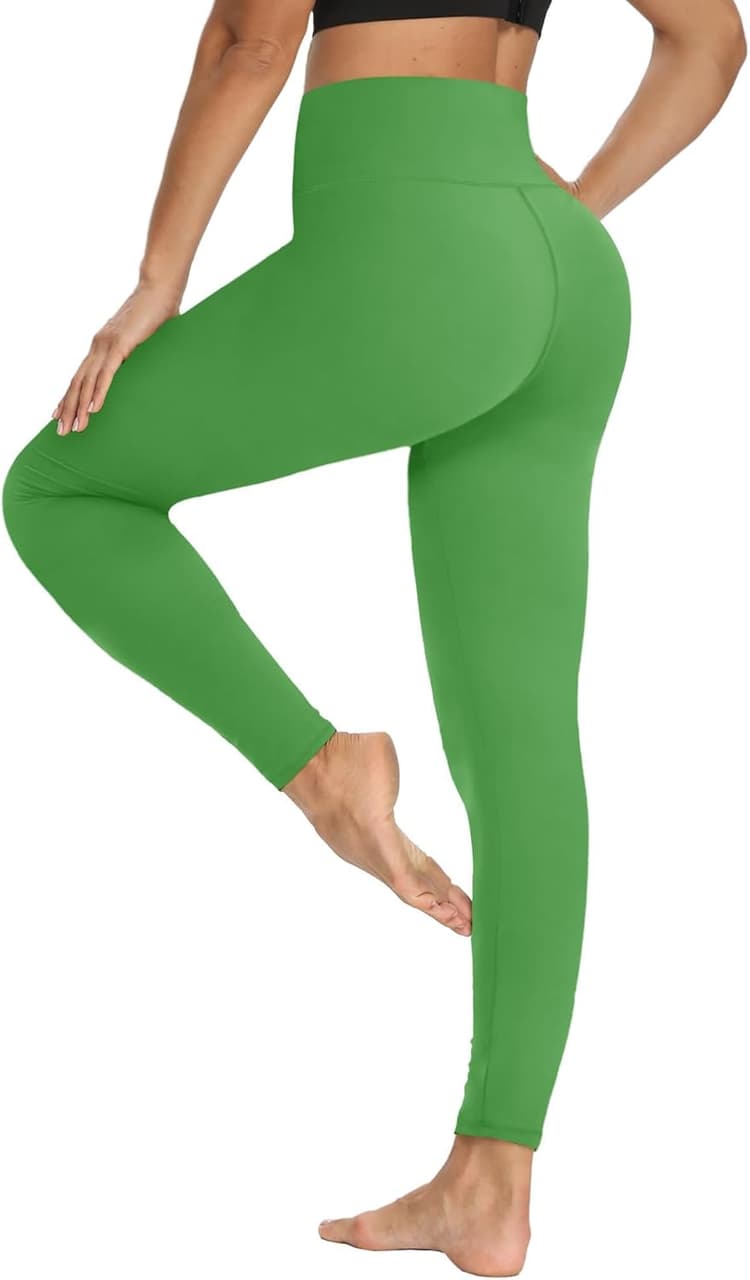
YOLIX
$8.54
Choosing running apparel follows a structured approach: clarify intended use, estimate training frequency, then prioritize meaningful features. Fit and cut determine immediate comfort; materials and finishes affect longevity and protection. Knowing the difference between water-repellent treatments and true waterproofing, or between active ventilation and insulating cuts, helps match garments to conditions.
Don't judge by price alone: review construction, fiber blends and durability feedback from other runners. Favor a breathable base layer, an appropriate mid-layer and a versatile jacket. Test movement range to confirm freedom and avoid impulse buys by focusing on multi-use items. Lastly, adopt straightforward care routines to preserve technical properties and extend service life.
These guidelines will help you build a running wardrobe gradually that meets real needs, reduces mistakes and maximizes comfort both in training and on race day.
This guide is informational and aims to assist in choosing running apparel. It does not contain sponsored endorsements or recommendations based on commercial partnerships. The criteria herein are a synthesis of technical knowledge, user feedback and maintenance best practices. Any commercial links or affiliations on the parent page will be disclosed separately and do not influence the analytical methodology presented.
Our selections rely on independent analysis and hands-on testing, without commercial influence.
Clear comparison guides based on technical criteria and expert reviews.
We frequently revise articles to reflect new models and fashion trends.
Some links are affiliate: we may earn a commission and redirect you to trusted partner retailers.