
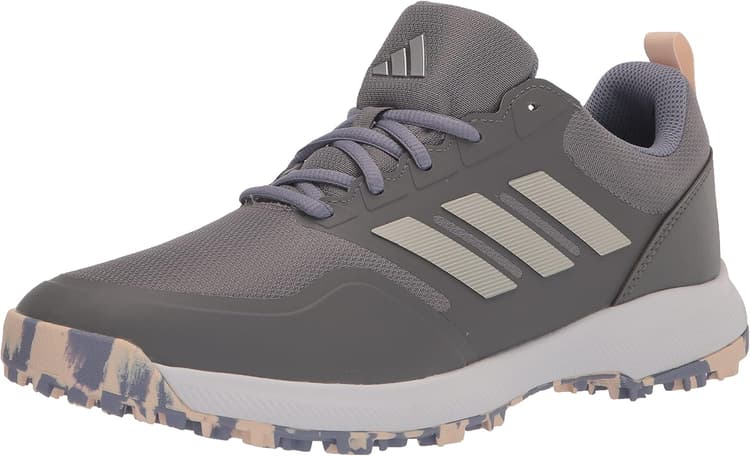
adidas
adidas Women's Tech Response 3.0 Golf Shoes Shoes
★★★★☆4.4
$33.00
$70.00
-53 %
*
Senior editorial writer specializing in clothing reviews, style guides, and deals.

This pedagogical guide is designed to help anyone buying women's shoes make informed choices rather than impulse purchases. It does not list specific models but equips you with practical criteria: how to assess intended use, how price brackets reflect materials and construction, how to select the correct size and comfort level, and how to judge durability. You will find step-by-step checks—measuring your foot, testing sole flexibility, checking heel counter stability and grip—so you can evaluate shoes in-store or at home. The guide stresses neutral, use-driven considerations over trend-focused advice. It also explains how to read material labels to tell natural leather from coated or synthetic leathers and technical textiles, and what construction signs suggest longer life (stitching quality, sole attachment type). Follow the section on assessing needs first, then move to pricing and size guidance that fits your budget and daily activities. At the end are a short FAQ and an editorial note describing the approach and limits of this guide.
adidas
$33.00
$70.00
-53 %
*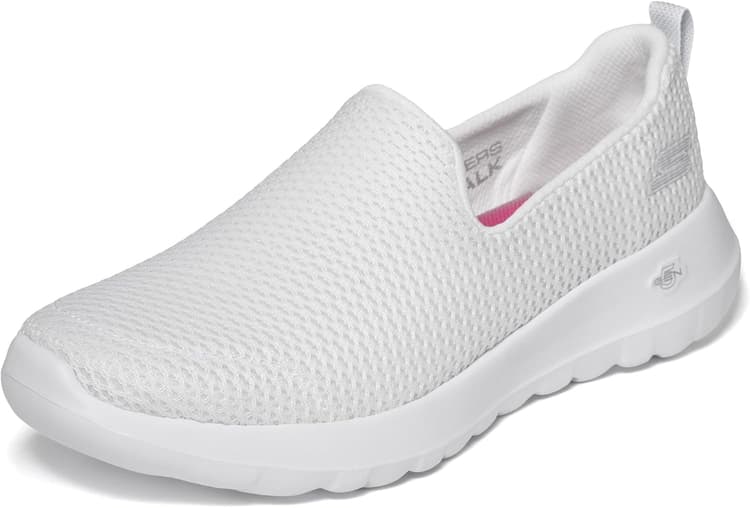
Skechers
$34.72
$67.00
-48 %
*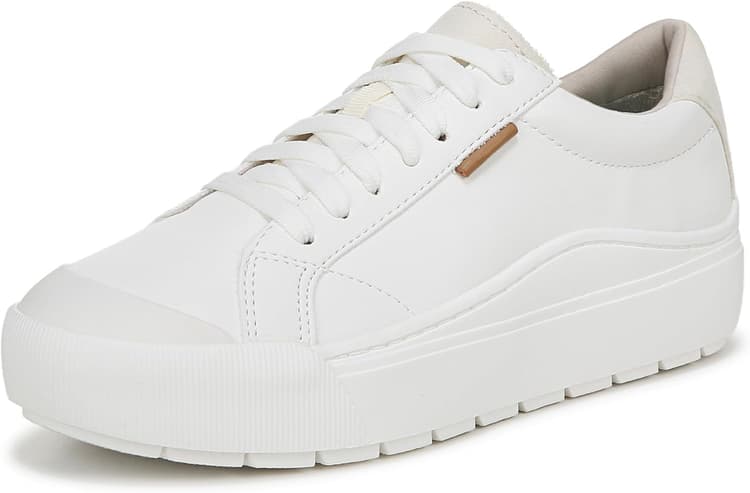
Dr.Scholl's SHOES
$64.99
$110.00
-41 %
*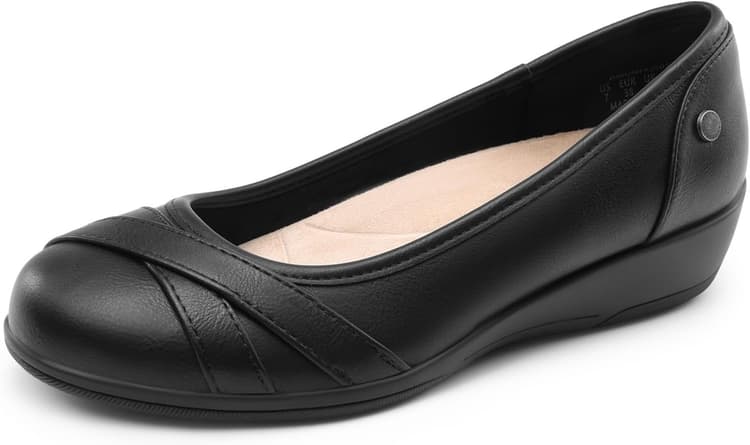
DREAM PAIRS
$27.99
$45.99
-39 %
*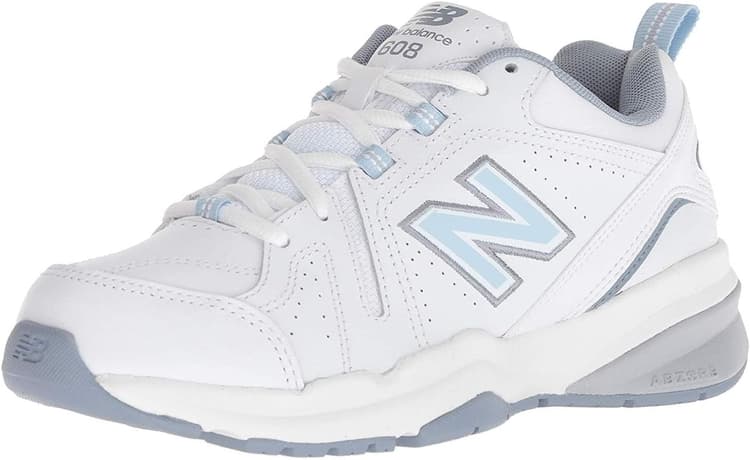
New Balance
$50.60
$79.99
-37 %
*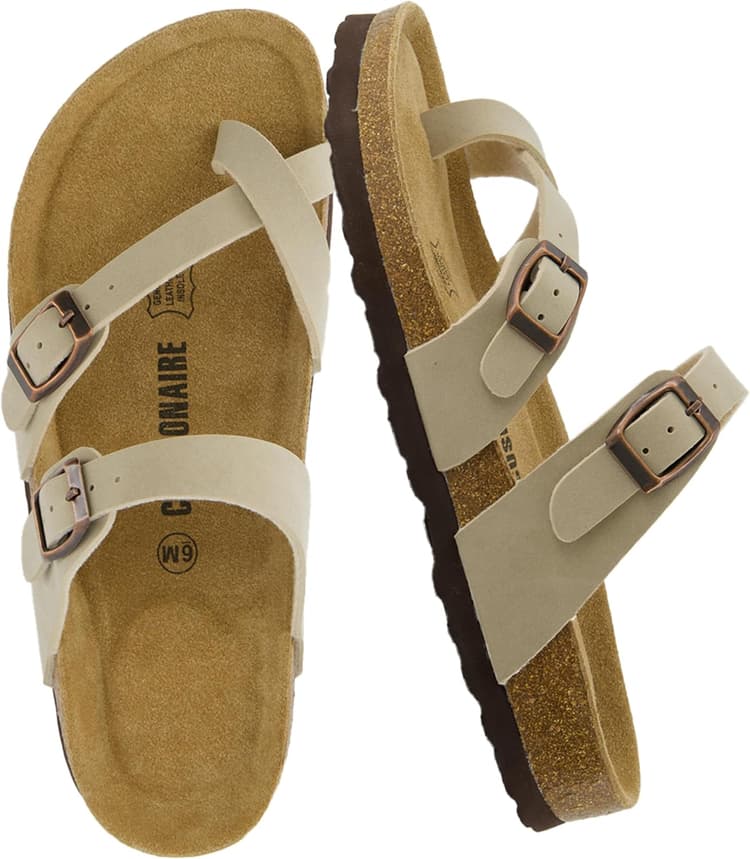
CUSHIONAIRE
$33.24
$49.99
-34 %
*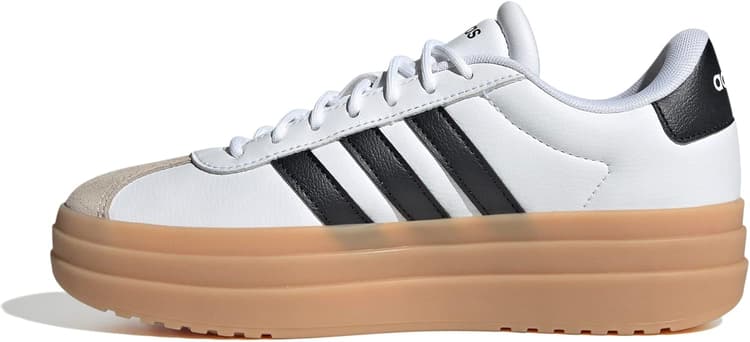
adidas
$55.95
$80.00
-30 %
*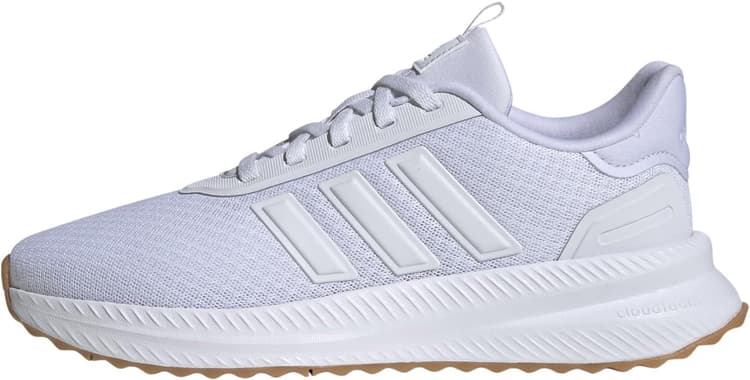
adidas
$46.00
$65.00
-29 %
*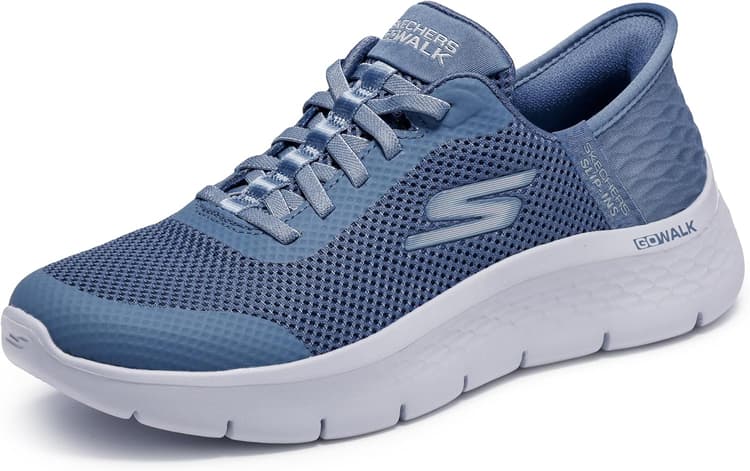
Skechers
$63.74
$87.00
-27 %
*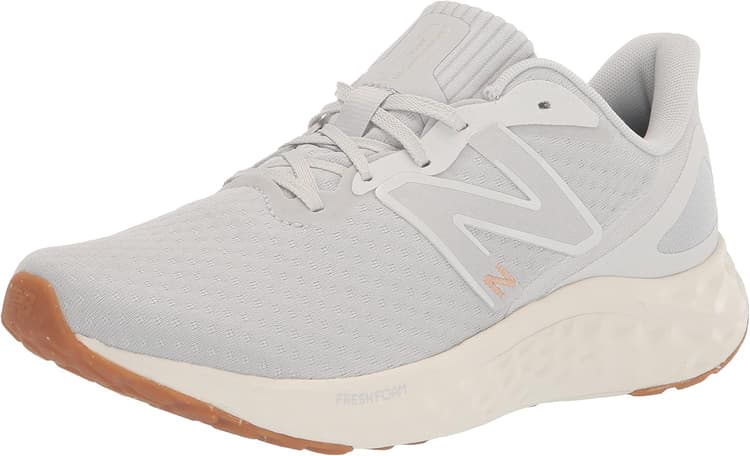
New Balance
$55.99
$74.99
-25 %
*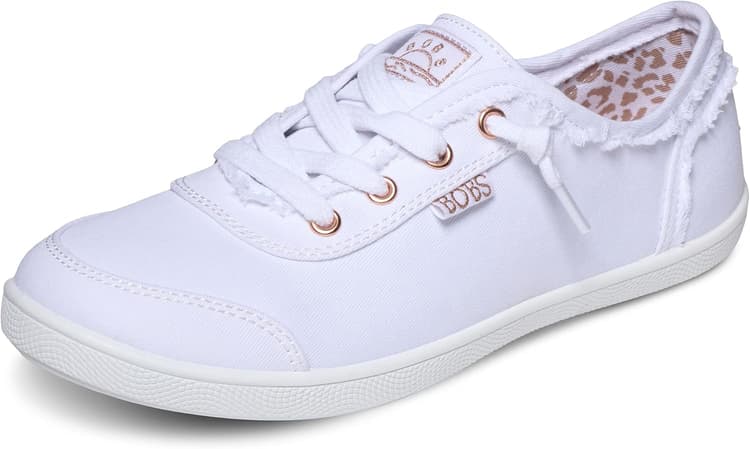
Skechers
$44.00
$57.00
-23 %
*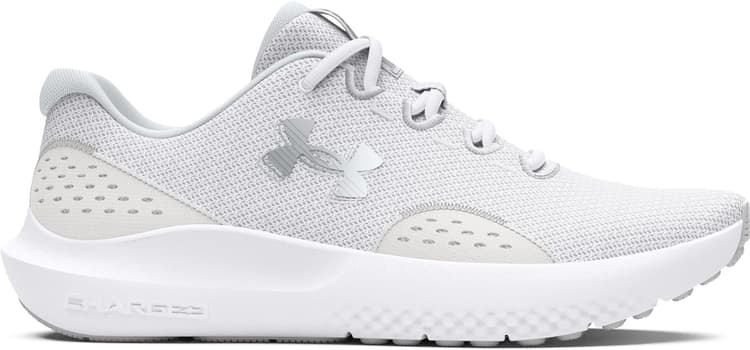
Under Armour
$49.89
$65.00
-23 %
*Start by defining when and how you will wear the shoes. Evaluate three main dimensions: intended use (work, leisure, sport, formal), frequency (daily, occasional) and personal constraints (orthotics, foot width, cold sensitivity). For standing jobs choose cushioning and heel support; for walking or long commutes prioritize shock absorption, arch support and grip. Formal footwear may prioritize appearance but should still offer padded insoles and a stable heel. Consider the environment: slippery floors, wet weather and many stairs all affect the best choice. Use a short checklist: 1) daily wear duration, 2) primary activities (walking, standing, exercise), 3) medical needs (flat feet, bunions), 4) style requirements. Clarifying these before shopping reduces later compromise. For example, someone who runs and then walks a lot in the city benefits from a hybrid shoe with good shock absorption and a more urban profile rather than a race-specific running shoe. Also factor in maintenance: smooth leather needs care, while some textiles are easier to clean but may abrade faster.
Shoe prices reflect multiple drivers: material quality, construction complexity, origin, brand and technical features. Low-budget shoes commonly use synthetic materials, fast assembly and glued soles with minimal linings; they may be fine for occasional wear but typically show faster signs of wear such as sole compression and delamination. Mid-range options tend to feature more durable materials (corrected leathers, technical textiles), better outsole design and improved cushioning; stitching between upper and sole sometimes appears, extending lifespan. High-end shoes may use finer hides and more durable sole constructions—certain stitched methods like Blake or Goodyear can aid resoling—though premium pricing sometimes pays for brand prestige rather than proportional functional gain. To allocate your budget, consider expected performance and longevity: a daily-wear pair warrants higher investment than an item for a single event. Also note warranty terms, resoling options and manufacturing origin on the label; these affect total cost of ownership. Translating price into long-term value requires estimating frequency of wear and likely repair costs.
Size is the single most critical factor. Measure your feet at the end of the day on a rigid surface: outline from heel to longest toe, record length and width, note differences between feet and size to the larger foot. Size charts differ by brand, so always check the manufacturer's guide and any notes about fit (runs small/true to size). Comfort involves length, width, heel hold, toe box depth and cushioning. Narrow toe boxes cause pain and deformities, while loose fits cause rubbing. Walk on different surfaces, climb stairs and stand for several minutes during the try-on. Bring orthotic insoles if you use them. For long-term comfort, inspect the insole: it should be supportive without excess rigidity and offer some arch support if needed. Adjustment systems (laces, straps, elastic) allow volume control. Allow a small toe gap (roughly a finger's width) unless the shoe type recommends a tighter fit, such as some dance or cycling shoes. Do not rely solely on your usual size; last shape, upper material and construction change perceived fit.
Materials determine initial comfort, maintenance needs and lifespan. Labels typically indicate leather, synthetic or textile uppers, each with distinct behavior. Full-grain leather lasts well and develops patina but requires cleaning and conditioning. Corrected or coated leathers look similar but resist abrasion and breathability less effectively. Technical textiles (mesh, knit) provide breathability and flex but can abrade and trap dirt. Outsole materials like polyurethane or EVA give cushioning and lightness; rubber adds grip and abrasion resistance. Construction matters: glued soles are cheaper but harder to repair; stitched constructions between upper and sole facilitate resoling and extend service life. Inspect finishing quality: even stitching, clean glue lines and a solid heel assembly. Match materials to use: for wet climates choose treated materials or waterproof membranes; for winter prioritize insulation and traction. Finally, factor in maintenance: materials requiring special care will affect real-world durability based on how much time and attention you can commit.
To compare quickly, focus on a few measurable and observable features. Outsole: check thickness, flexibility and tread pattern. Too-rigid soles limit propulsion; overly soft ones may lack support for long distances. Arch support: look for contoured insoles or the ability to insert orthotics. Heel hold: judged by heel counter stiffness and the presence of a structured back. Traction: inspect tread depth and rubber compound; deep grooves help on wet or uneven surfaces. Cushioning: assess midsole foam density; softer foams absorb shocks but can compress faster. Weight: heavier shoes may tire you more, although added mass can mean better protection and longevity. Breathability and insulation: vents and mesh aid summer comfort; linings and insulated materials suit colder climates. Maintenance: delicate textures, light colors and complex trims require more care. Prioritize these criteria according to your usage; for example, someone walking 10,000 steps daily should value cushioning and support over a minimalistic aesthetic.
Perform simple checks to estimate daily performance before purchase. Flex test: bend the forefoot of the shoe; the flex point should align with the metatarsophalangeal joint, not mid-foot. Heel test: press the rear to assess heel counter stiffness; an overly flexible heel allows foot slippage. Walk test: walk at least ten minutes if possible, over smooth and textured surfaces and try stairs. Load test: take a few steps with a light bag to simulate real-life pressure. Temperature check: for winter use examine lining and water resistance; for summer, assess upper ventilation. Inspect the outsole for potential weak spots (thin forefoot areas, poor molding). Also check compatibility with your wardrobe: some shapes pair better with trousers, others with skirts. These quick tests reveal likely performance and indicate acceptable compromises, such as an initial break-in period or the need for a replaceable insole.
Common mistakes include buying without measuring the foot, choosing shoes based solely on looks, and neglecting maintenance. Other pitfalls are assuming a universal fit across brands—some run small—and buying overly specialized footwear when versatility is needed. Practical expert tips: use removable insoles to trial different supports; keep basic care supplies (brush, leather conditioner, waterproof spray); rotate footwear during the week so materials can dry and recover. To reduce returns, photograph your feet on paper and compare to brand size charts. If between sizes, opt for the larger when using thick socks or if feet swell later in the day. For break-in, limit initial wear to short outings to detect hotspots and apply remedies (additional insole, temporary stretcher). Finally, consult a knowledgeable retailer and describe your use case and any foot issues—an informed second opinion often prevents unsuitable purchases.
adidas
$55.95
$80.00
-30 %
*adidas
$46.00
$65.00
-29 %
*Skechers
$34.72
$67.00
-48 %
*CUSHIONAIRE
$33.24
$49.99
-34 %
*Skechers
$44.00
$57.00
-23 %
*Skechers
$63.74
$87.00
-27 %
*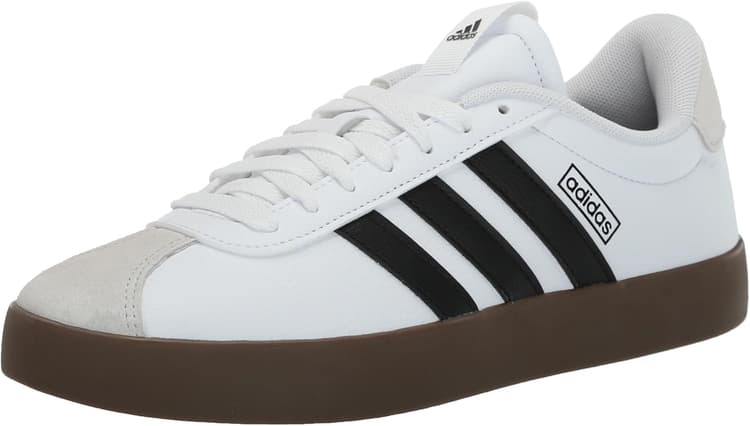
adidas
$69.96
$75.00
-7 %
*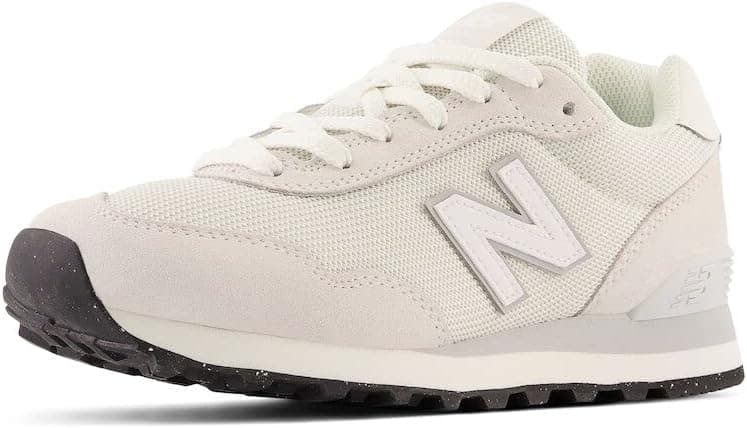
New Balance
$62.20
$79.99
-22 %
*Under Armour
$49.89
$65.00
-23 %
*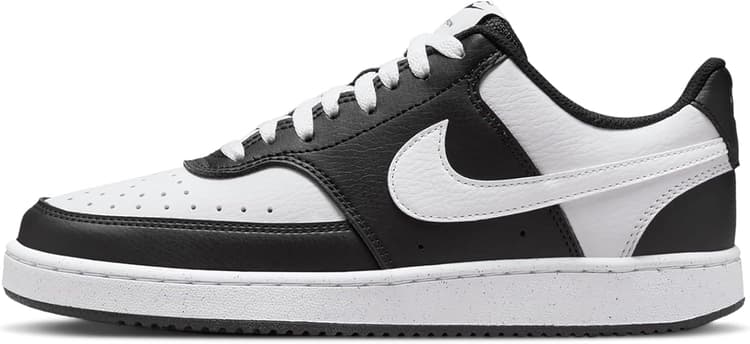
$85.00
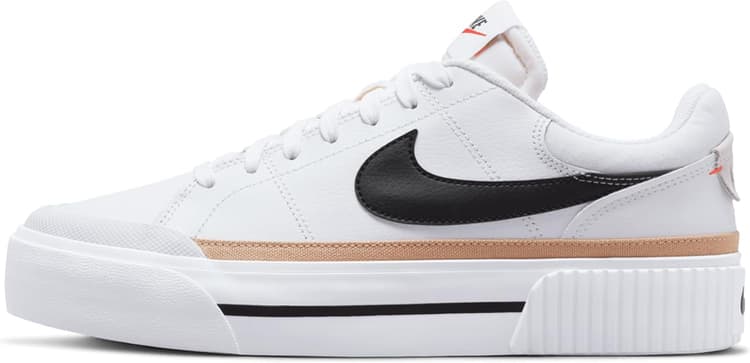
$84.99
$95.00
-11 %
*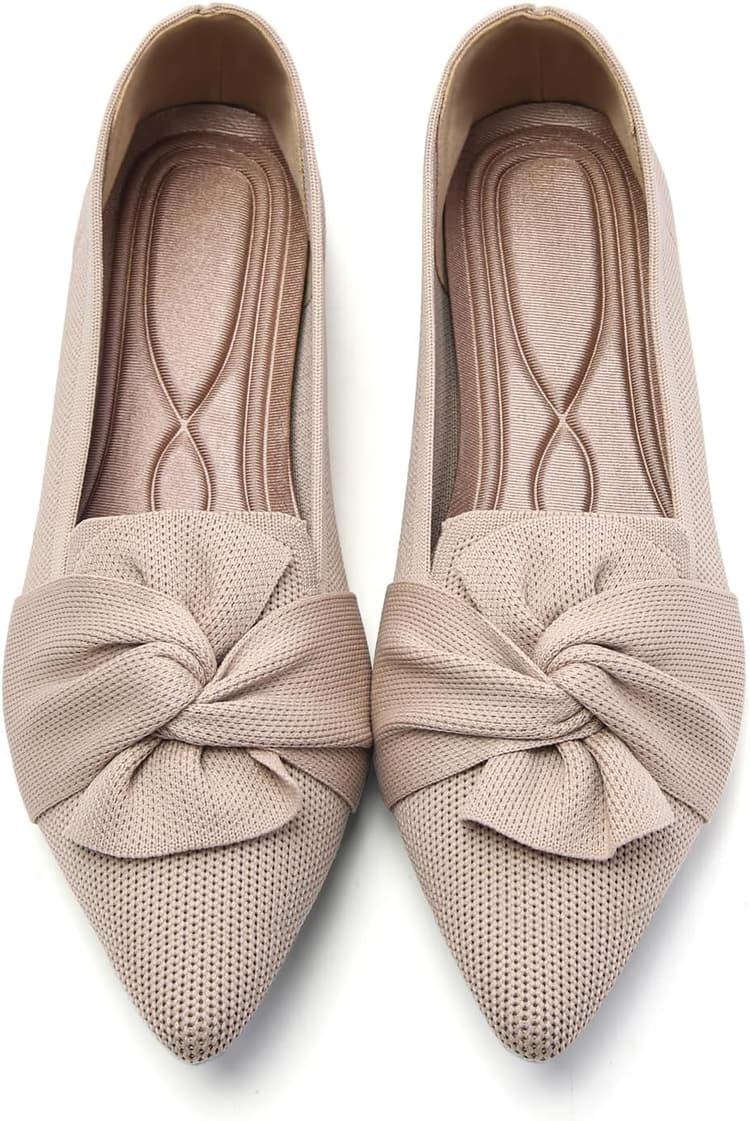
HIULYCENCE
$33.99
Selecting women's shoes requires balancing intended use, comfort, materials and budget. This guide outlines a step-by-step approach: clarify your needs, align price expectations with expected durability, measure feet accurately and perform objective comfort checks, then compare key features such as traction, cushioning and heel support. Remember that fit and foot shape matter more than style alone, and that material choices and construction dictate longevity. Account for maintenance and resoling options as part of the purchase decision. By using the quick tests and checklists described here you can assess shoes in-store or online with greater confidence. Finally, match your spending to usage frequency: investing more in daily-wear shoes often lowers lifetime cost. Following these steps reduces common mistakes and helps you choose a functional, long-lasting pair that suits your lifestyle.
This guide was written with a pedagogical, neutral approach: it offers general criteria and verification methods without naming specific products. The information is based on common industry practices and accepted ergonomic principles. No brands, prices or invented data are provided; advice applies broadly and should be adapted to individual circumstances. Limitations: this guide does not replace medical advice for foot conditions and cannot guarantee the performance of a specific model without real-world testing.
Our selections rely on independent analysis and hands-on testing, without commercial influence.
Clear comparison guides based on technical criteria and expert reviews.
We frequently revise articles to reflect new models and fashion trends.
Some links are affiliate: we may earn a commission and redirect you to trusted partner retailers.