
Queerier
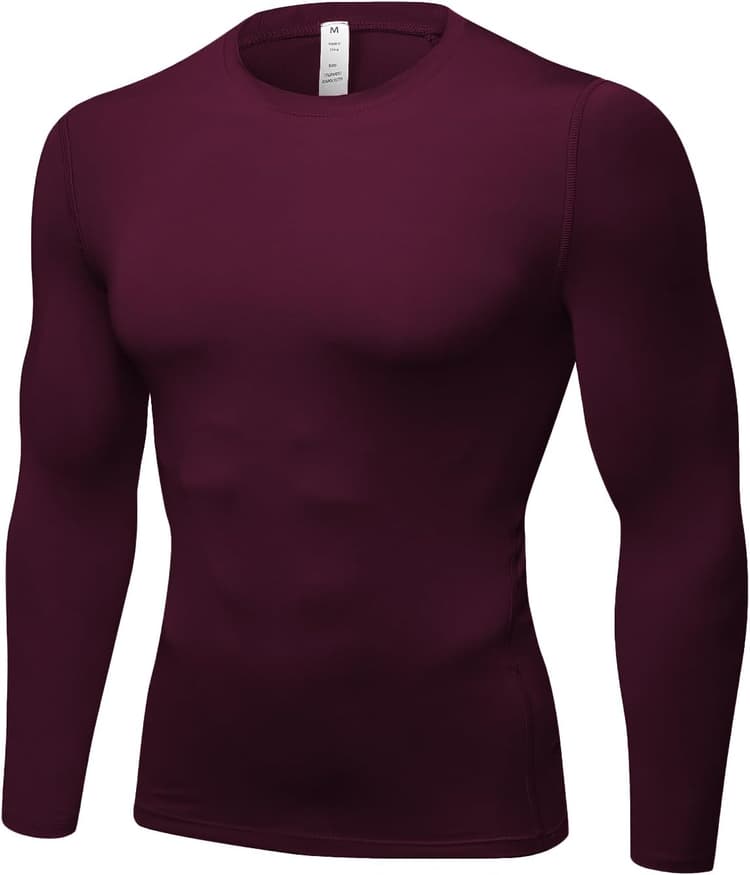
Queerier Men's Compression Shirts Workout T Shirt Long Sleeve Thermal Tops for Men Athletic Base Layer Gym Sports Underwear
★★★★☆4.5
$4.73
$9.98
-53 %
*
Product analyst covering fabric tech, fit advice, and budget-friendly finds.

This practical guide helps you pick baselayers and compression garments that fit your everyday and athletic needs. Baselayers serve several purposes: thermal insulation for cold-weather activities, moisture management during intense exercise, and targeted compression for performance or recovery. Choice factors go beyond price: fit, fabric, durability, and compatibility with other gear are equally important.
The aim is to give concrete criteria to compare product ranges, measure comfort and fit, and identify features that affect performance and longevity. Rather than recommending specific brands, the guide outlines a step-by-step approach to prioritize insulation, breathability, mobility, or recovery, and to assess whether a product matches your use.
Each section includes analysis, advantages and limitations, plus real-world use cases (hiking, running, team sports, gym training). The practical tone focuses on actions to take before buying, common mistakes to avoid, and simple care tips that extend garment life. Use this guide to reduce uncertainty at purchase and improve the odds that your chosen piece performs over time.
Queerier
$4.73
$9.98
-53 %
*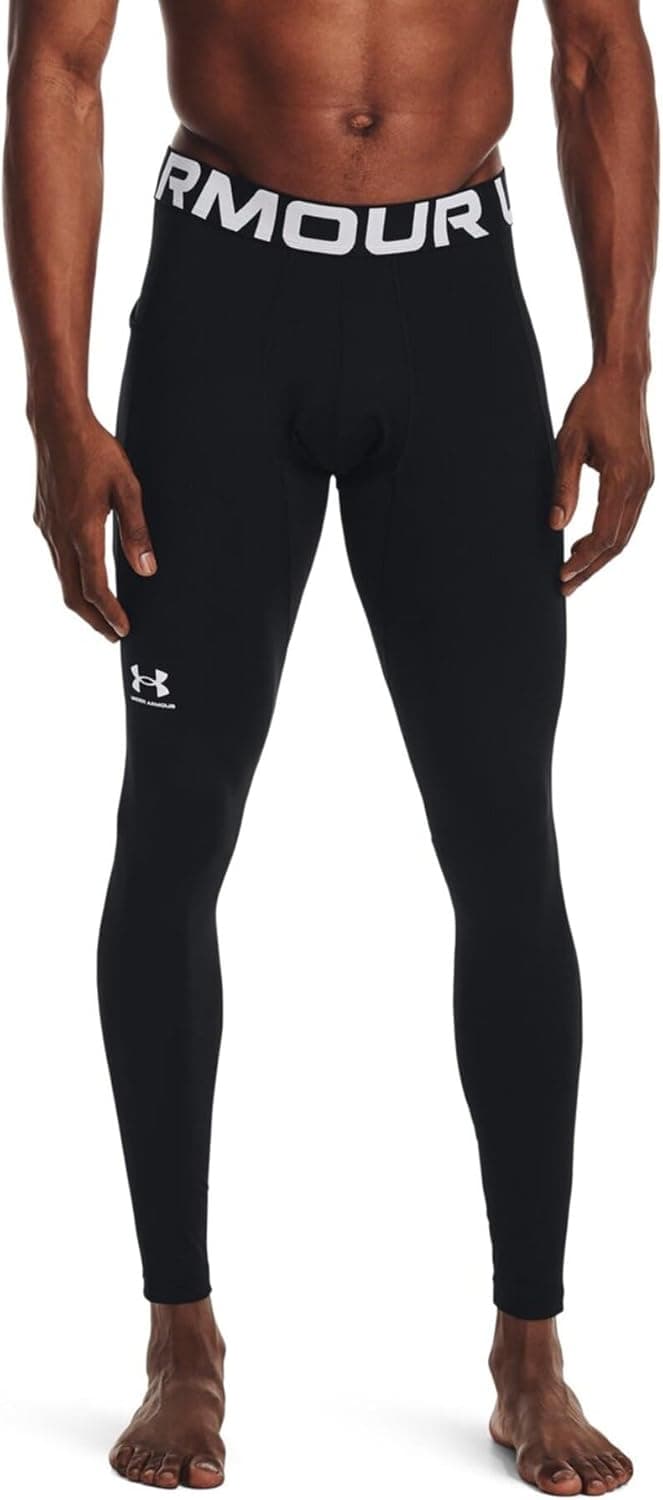
Under Armour
$29.97
$55.00
-46 %
*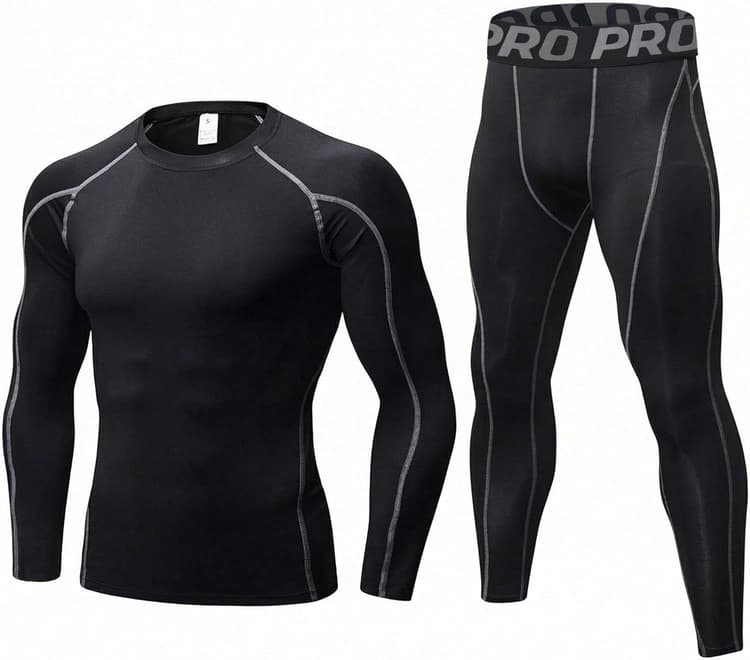
LANBAOSI
$18.99
$31.99
-41 %
*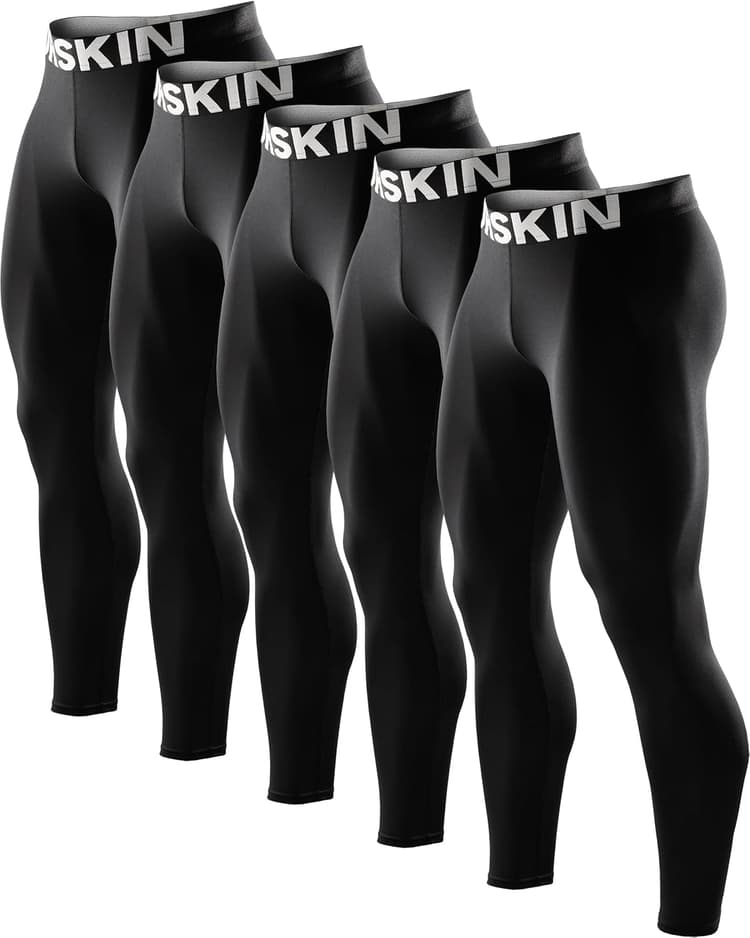
DRSKIN
$29.99
$49.99
-40 %
*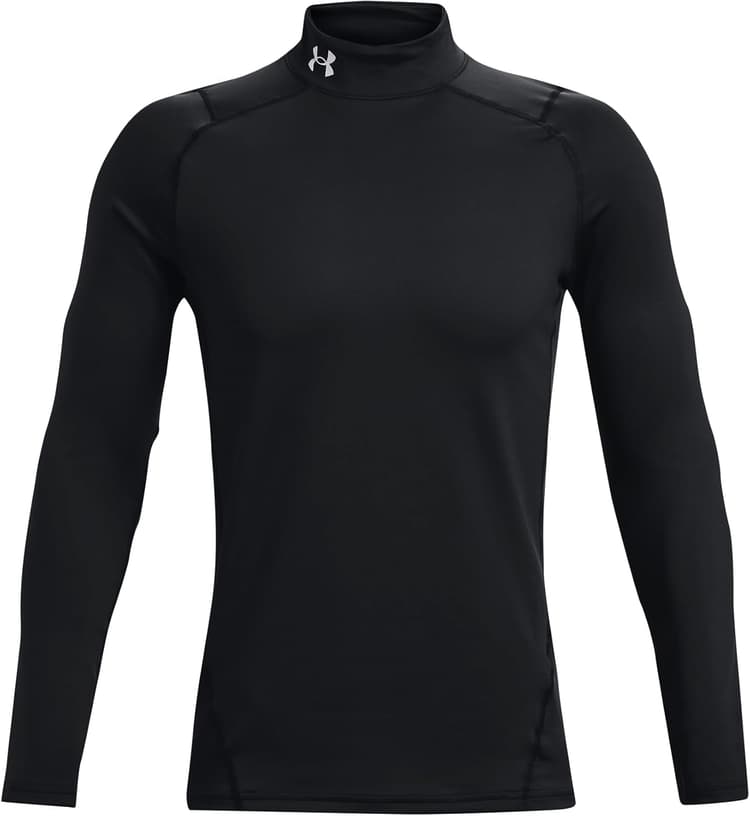
Under Armour
$35.20
$55.00
-36 %
*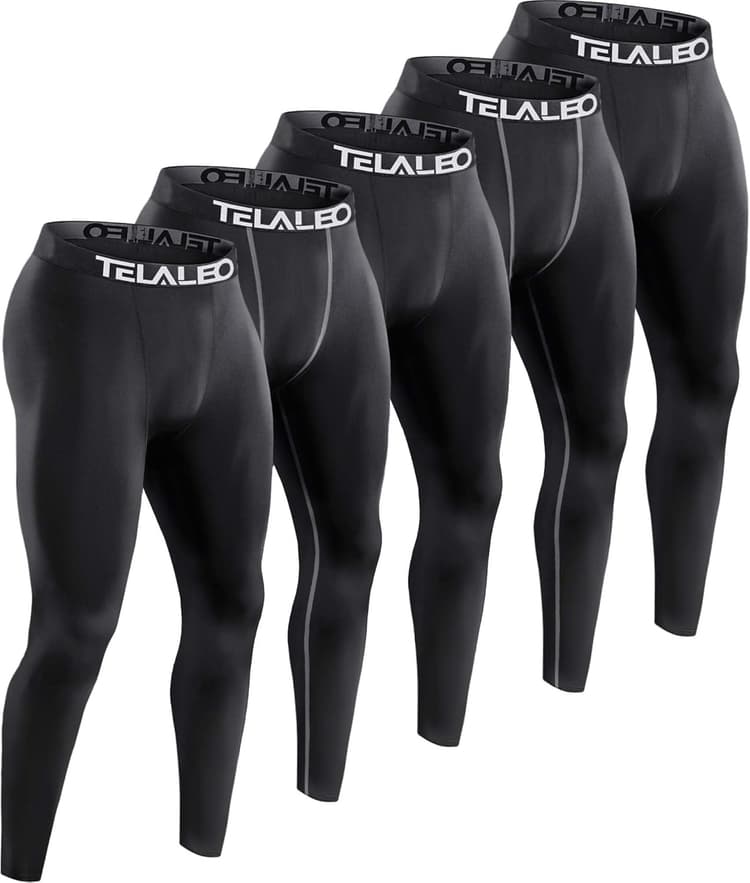
TELALEO
$19.99
$29.99
-33 %
*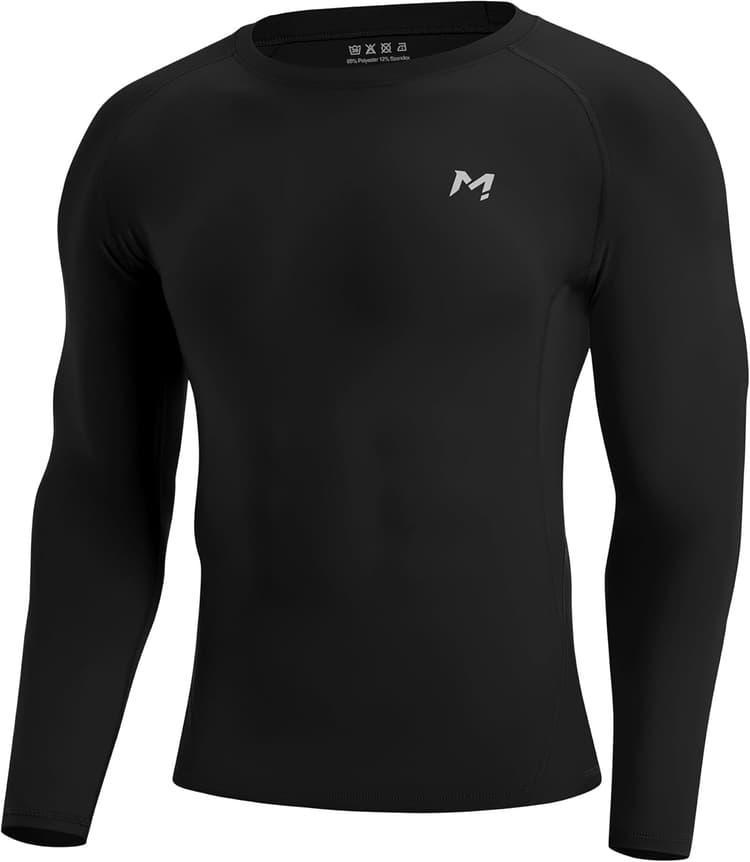
Moozava
$9.99
$14.99
-33 %
*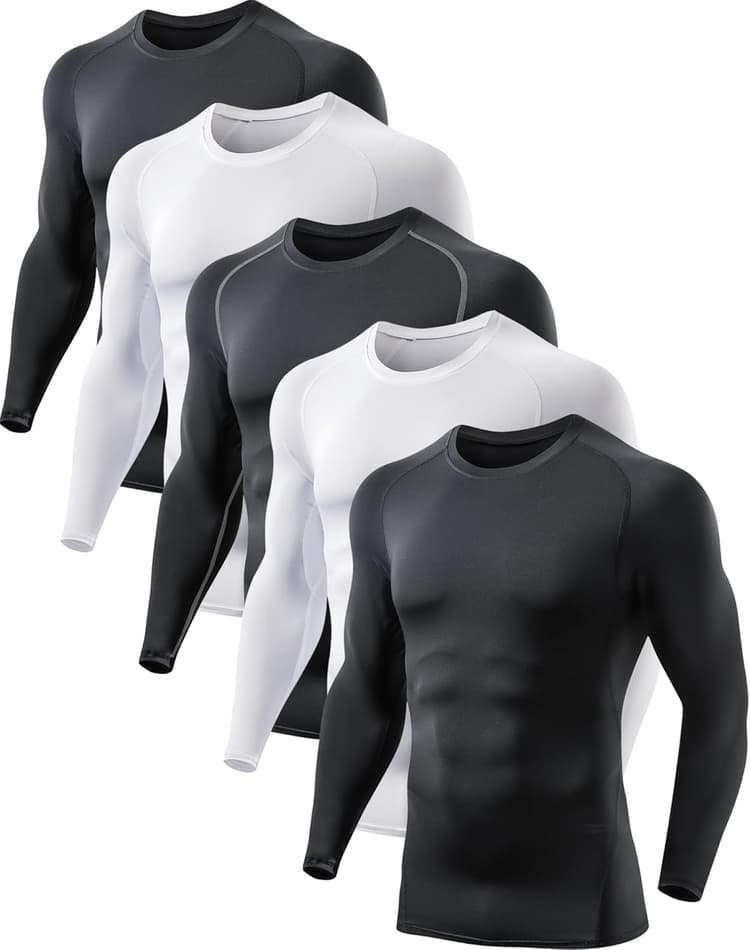
TELALEO
$32.29
$39.99
-19 %
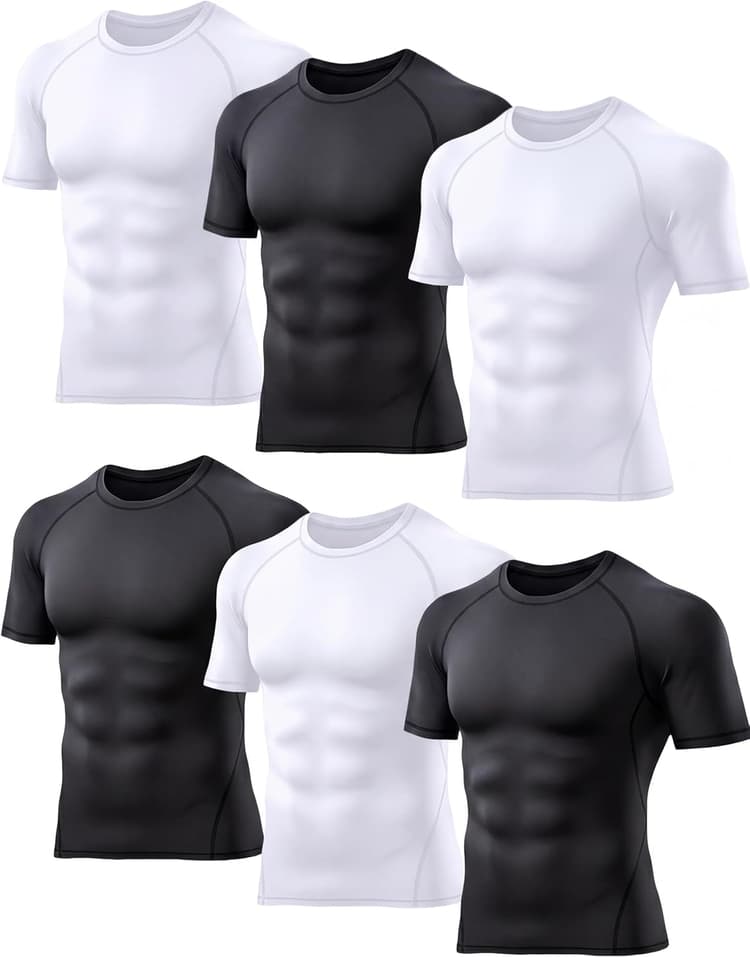
*
TELALEO
$26.99
$29.99
-10 %
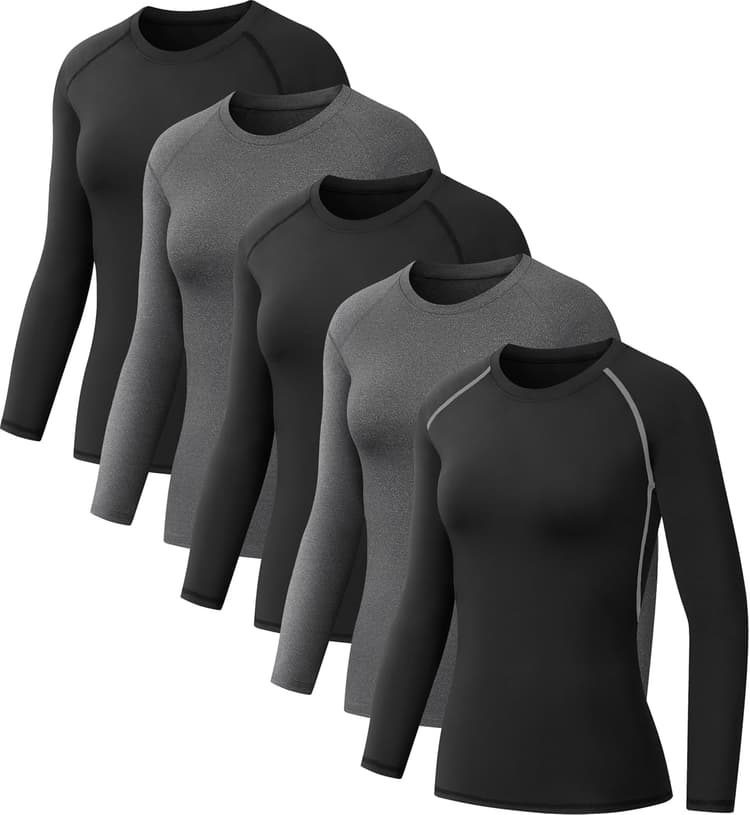
*
NebuKinex
$24.62
$27.35
-10 %
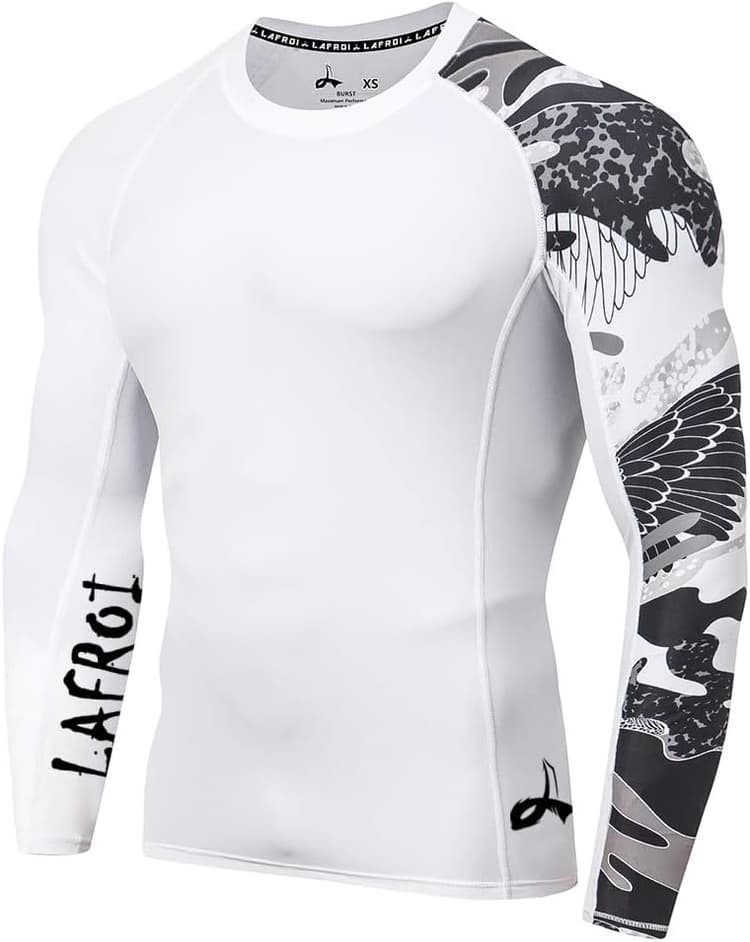
*
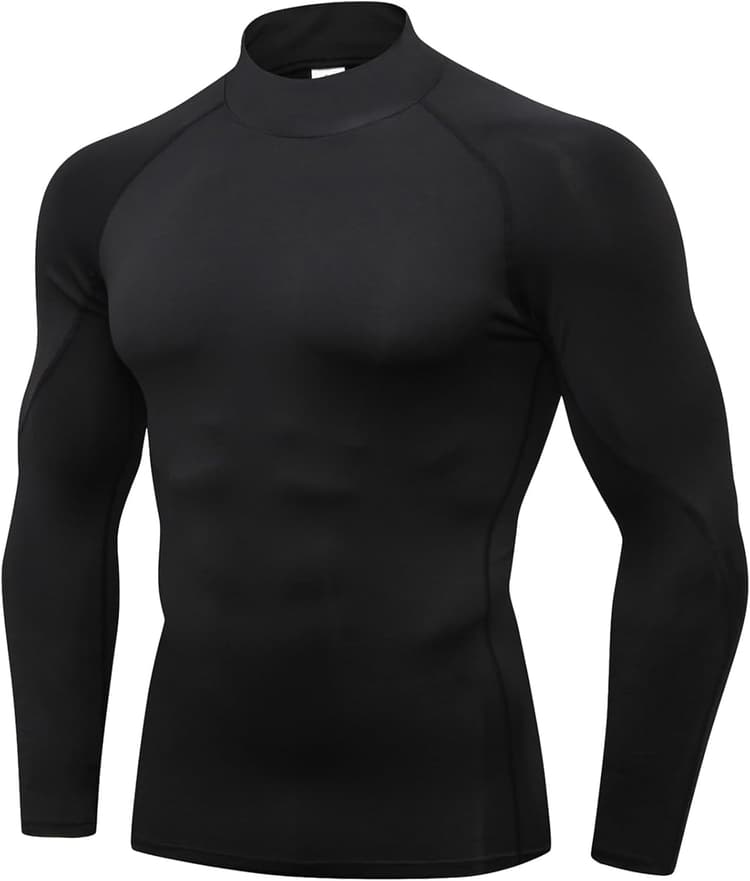
LAFROI
$19.99
SPVISE
$11.49
Start by specifying why you need a baselayer or compression piece. Requirements differ by activity, usage frequency, and climate. Ask yourself:
Benefit: this step prevents buying an over-specialized or overly general product. Limitation: your needs may change with experience; pick a versatile option when testing a new sport.
Concrete example: a winter cyclist will opt for a thermal baselayer with insulating panels and mesh underarms for ventilation; a summer runner will prefer a very lightweight, fast-drying baselayer.
Price tiers for baselayers and compression garments reflect several drivers: materials, knit technologies, finishing, origin and quality testing. Factors that push prices up include:
Lower-cost options: basic synthetic blends (polyester-spandex) without advanced finishes. They work well for occasional use but tend to wear faster.
How to decide: match investment to frequency and demands. For heavy use or high-performance requirements, spending more on materials and construction often pays back in comfort and longevity. For occasional users, mid-range items usually offer the best value.
A caution: a high price tag alone does not guarantee fit or suitability. Always check the cut, user feedback and warranty before buying.
Size selection matters: a baselayer that is too tight can impede circulation and cause chafing, while one that is too loose loses thermal and compression effectiveness. Note the differences between baselayers and compression garments:
Practical measuring tips:
Comfort features to look for: flatlock seams to reduce irritation, elastic cuffs at wrists and ankles for layering, and soft collar finishes.
Limitations: size charts vary between brands; an M in one label may not equal an M in another. Prefer retailers with free returns or comprehensive measurement guides.
Fiber choice and construction determine breathability, insulation, resistance to wear and wash behavior. Main material types and traits:
Construction aspects:
Care and lifespan: follow care instructions to preserve elasticity and finishes. Avoid excessive heat in dryers and use low-temperature washing.
Limitations: antimicrobial treatments can diminish over time; durability depends as much on use patterns as on initial quality. Check warranty and repair options when available.
When comparing models, focus on measurable and observable traits:
Practical comparison method: build a simple matrix with three priority criteria for you (for example: warmth, ventilation, durability) and score each model against them. This reduces reliance on single marketing claims.
Limits and trade-offs: highly ventilated garments sacrifice insulation; strong compression can restrict movement. Identify the acceptable compromise for your needs.
Before committing to a garment for regular use, perform some practical checks either in-store or after delivery:
Signs of good performance: retention of shape after washing, resistance to pilling, and consistent compression across multiple wears.
Practical limit: you cannot fully recreate seasonal extremes in-store; for extreme activities (ultra-endurance, expeditions) favor garments validated by experienced users and look for long-term reviews.
Benefit of these tests: lower return rates and better functional satisfaction. If buying online, keep packaging intact and confirm the return policy.
Common beginner mistakes:
Practical tips:
Final expert tip: set three non-negotiable criteria for your purchase (for example: fit, moisture management, durability) and only compare products meeting them. This narrows choices and reduces post-purchase regret.
Under Armour
$29.97
$55.00
-46 %
*Under Armour
$35.20
$55.00
-36 %
*TELALEO
$19.99
$29.99
-33 %
*LAFROI
$19.99
TELALEO
$32.29
$39.99
-19 %
*TELALEO
$26.99
$29.99
-10 %
*NebuKinex
$24.62
$27.35
-10 %
*DRSKIN
$29.99
$49.99
-40 %
*SPVISE
$11.49
LANBAOSI
$18.99
$31.99
-41 %
*
SPVISE
$8.99
SPVISE
$10.99
Choosing baselayers or compression garments is about prioritizing use cases rather than letting price or appearance drive the decision. Start by identifying the primary need: warmth, sweat management, muscle support or recovery. Then evaluate materials, construction and fit using simple checks: mobility, wicking behavior and wash performance.
Remember the trade-offs: ventilation versus insulation, compression versus freedom of movement, upfront cost versus longevity. Many buyers benefit from a versatile starter piece, then invest in specialized items once needs become clearer.
Finally, favor retailers with solid return policies, follow care instructions and maintain your garments to preserve performance. By applying the tests and practical tips in this guide, you lower the chance of misbuying and increase long-term satisfaction.
This guide was written to inform and structure buying decisions without promoting specific brands. It is based on technical criteria and common usage practices. Some pages linked from this guide may contain affiliate links; these do not influence the criteria presented here. Recommendations emphasize objectivity, with both advantages and limitations shown to support informed choice.
Our selections rely on independent analysis and hands-on testing, without commercial influence.
Clear comparison guides based on technical criteria and expert reviews.
We frequently revise articles to reflect new models and fashion trends.
Some links are affiliate: we may earn a commission and redirect you to trusted partner retailers.