
COOFANDY
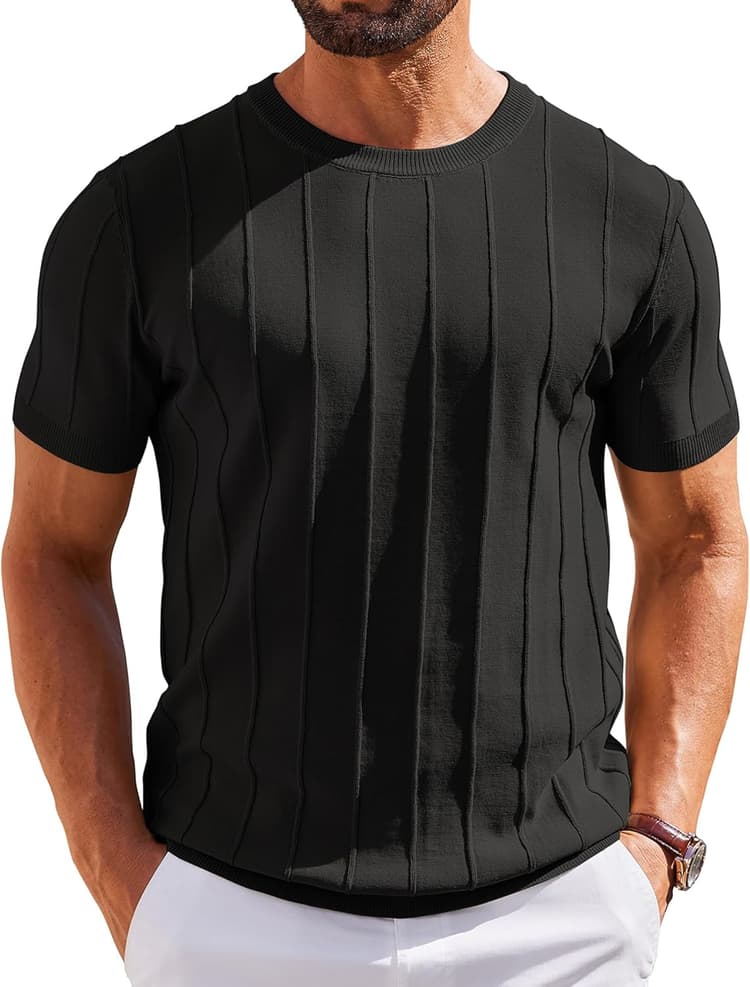
COOFANDY Men's T- Shirts Short Sleeve Knit Sweater Shirt Casual Crewneck Ribbed Pullover Tees
★★★★☆4.6
$17.99
$29.99
-40 %
*
Senior editorial writer specializing in clothing reviews, style guides, and deals.

This pedagogical guide is designed for anyone looking to buy a top or shirt in store or online. Shoppers face many decisions: silhouettes, fabrics, levels of finish, and a wide span of prices from entry-level to premium. Rather than recommending specific items, this guide explains the criteria that help you choose according to your use, body shape, and budget.
Inside you will find clear steps to assess your needs, what drives price differences, how to pick the right size and comfort level, and how fabric composition affects durability. The guide also compares essential features like cut, care requirements and breathability, and highlights common beginner mistakes. Each section ends with practical, expert-oriented tips you can apply immediately.
The tone is instructional: the aim is to explain why certain options match particular situations. Examples are kept general so they apply across brands and styles. By the end you will be able to rank your priorities and evaluate a product listing or a garment in-store using measurable criteria rather than only aesthetics.
COOFANDY
$17.99
$29.99
-40 %
*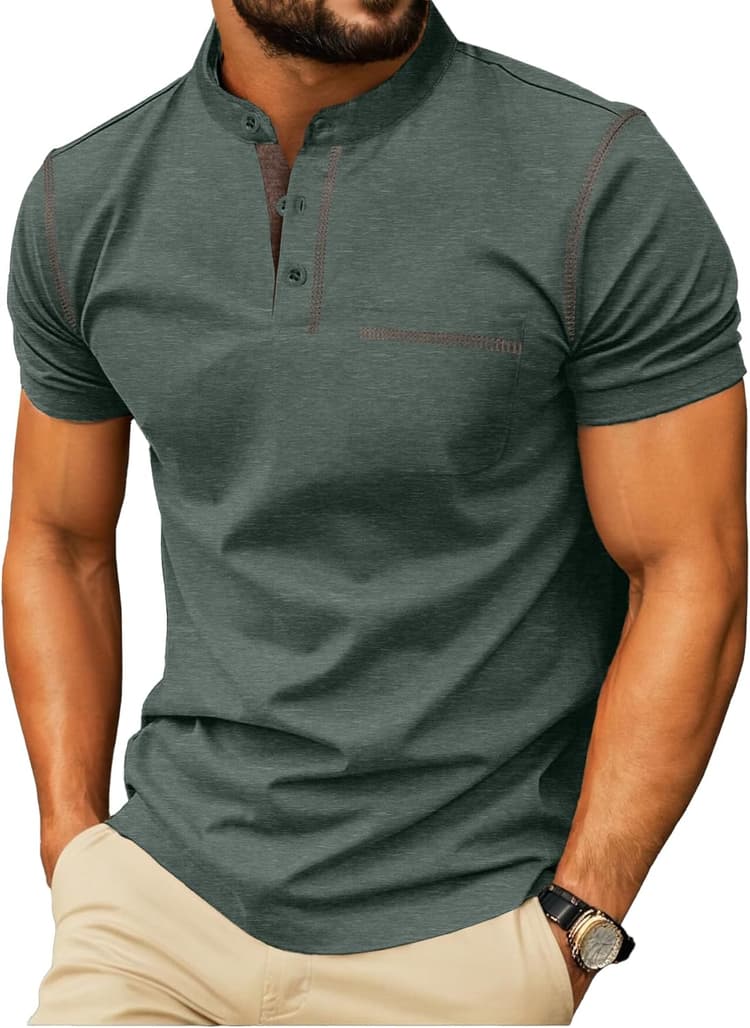
Sailwind
$14.99
$24.99
-40 %
*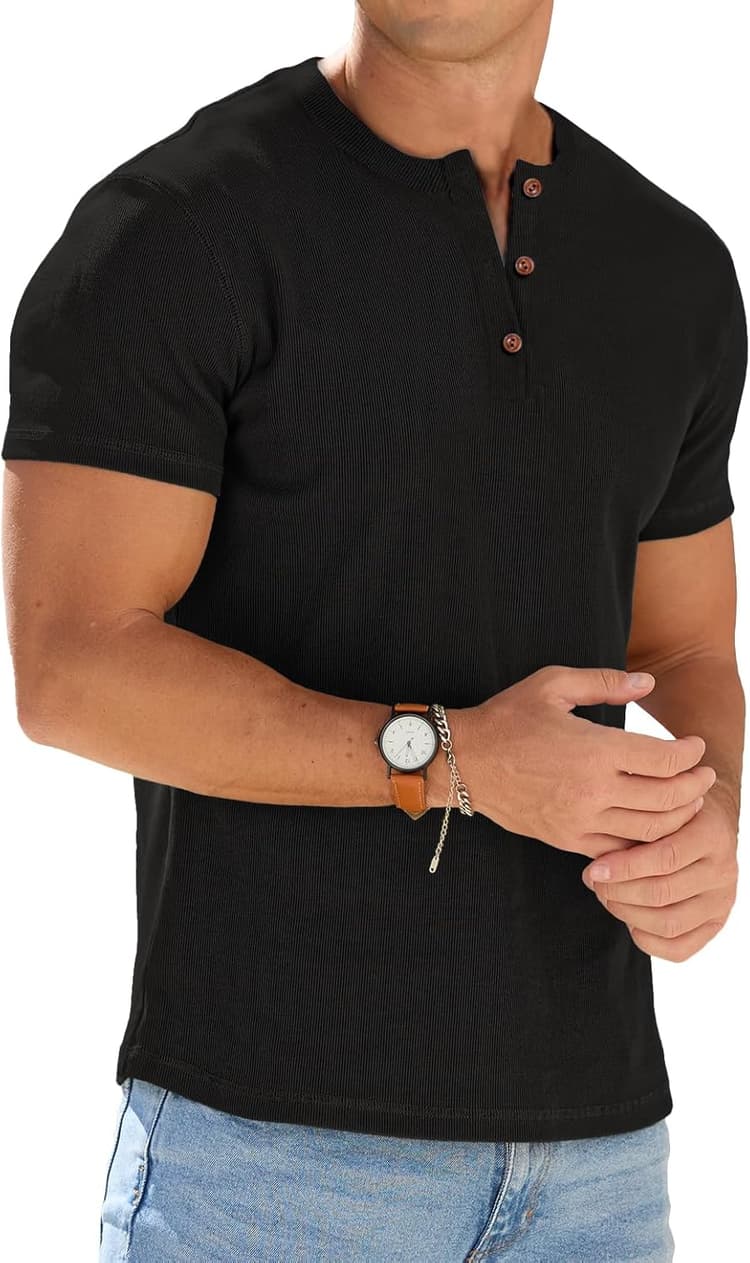
Sailwind
$14.99
$24.99
-40 %
*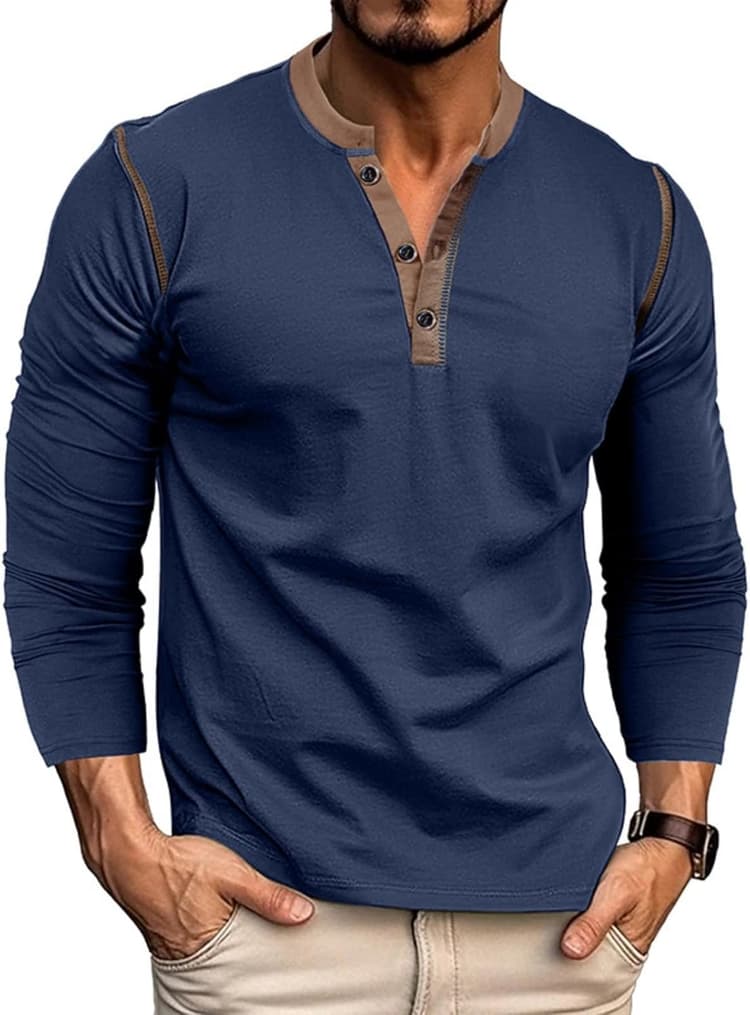
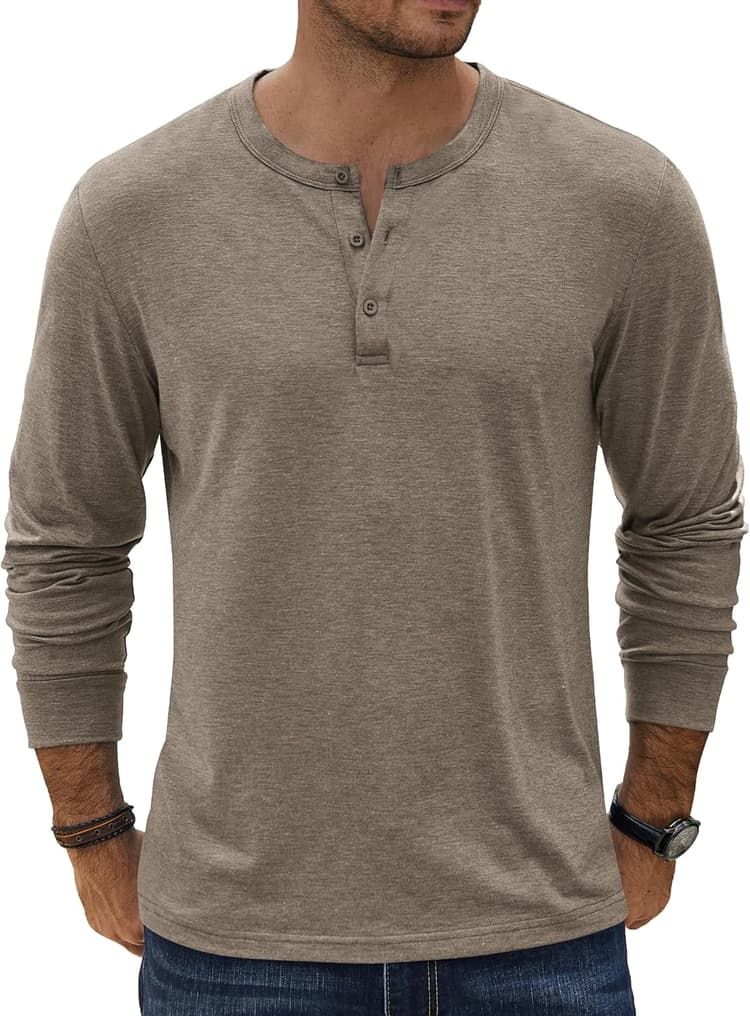
Qekoma
$19.99
$30.99
-35 %
*
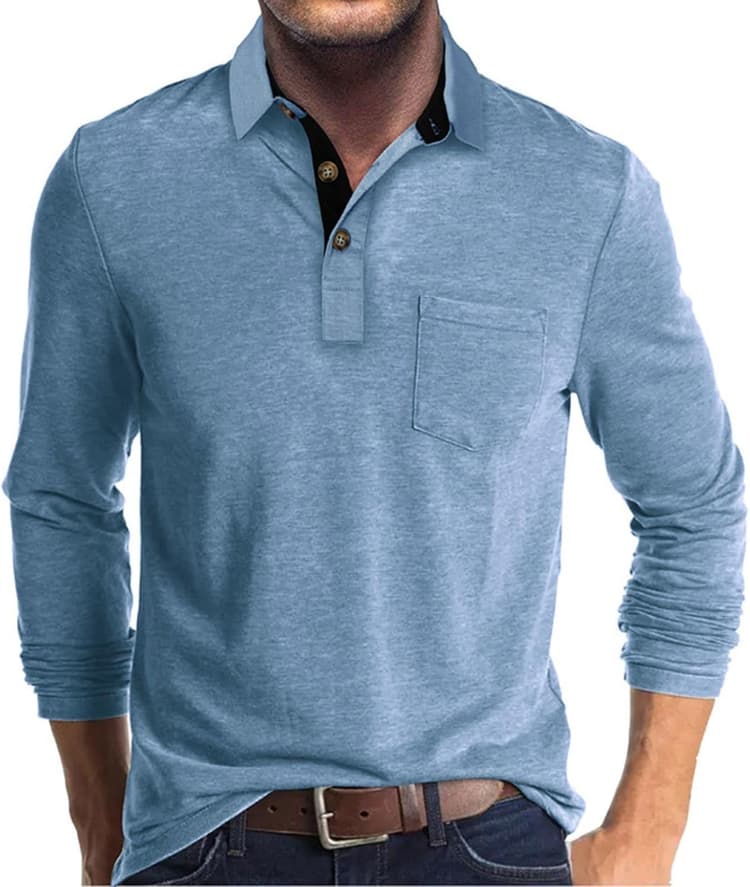
COOFANDY
$19.99
$29.99
-33 %
*
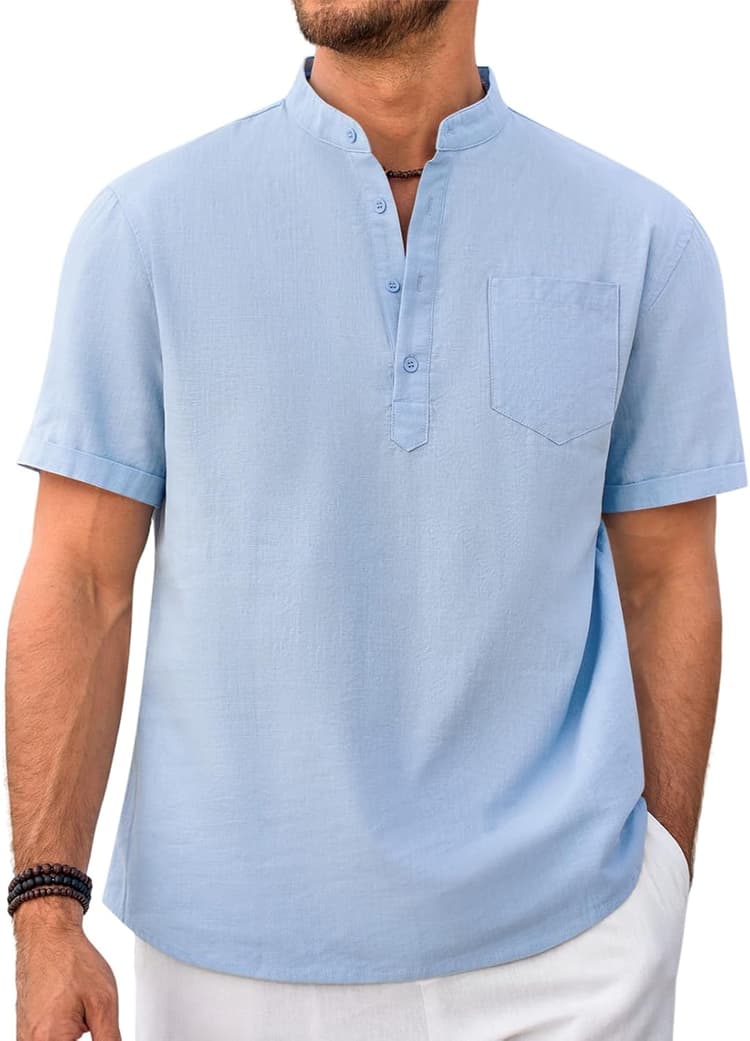
Qekoma
$19.99
$27.99
-29 %
*
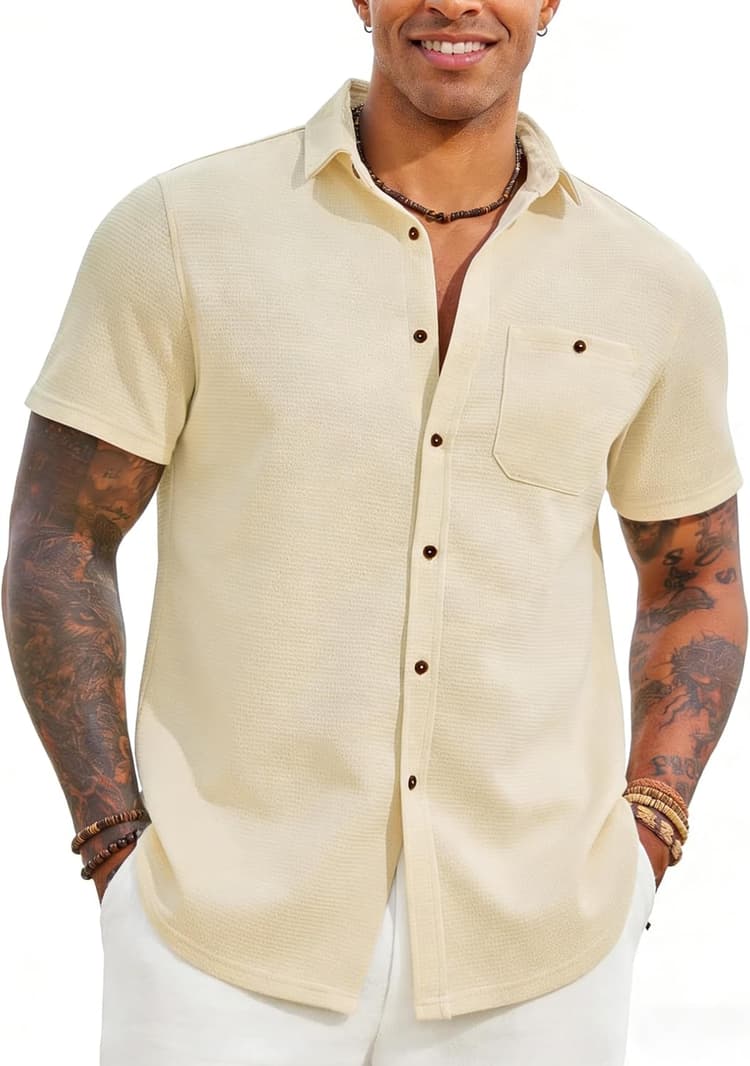
Beotyshow
$9.99
$13.86
-28 %
*
Yousify
$9.99
$13.49
-26 %
*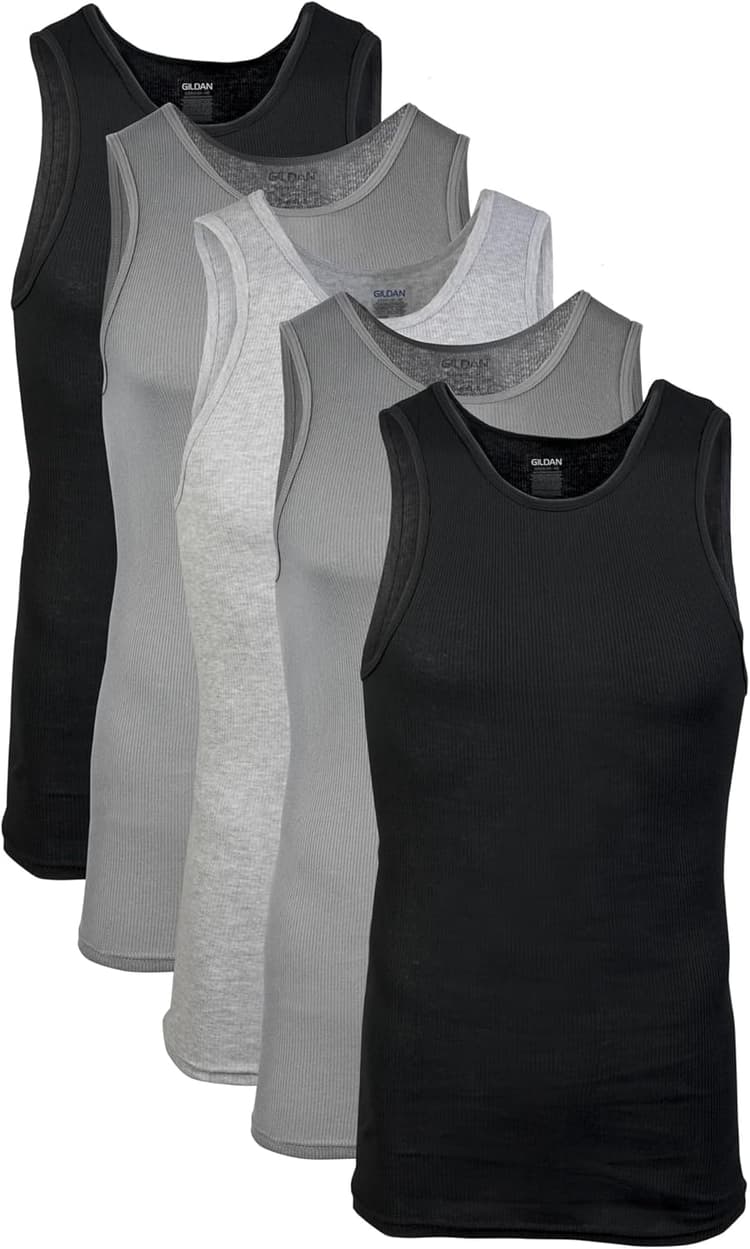
Gildan
$14.26
$18.99
-25 %
*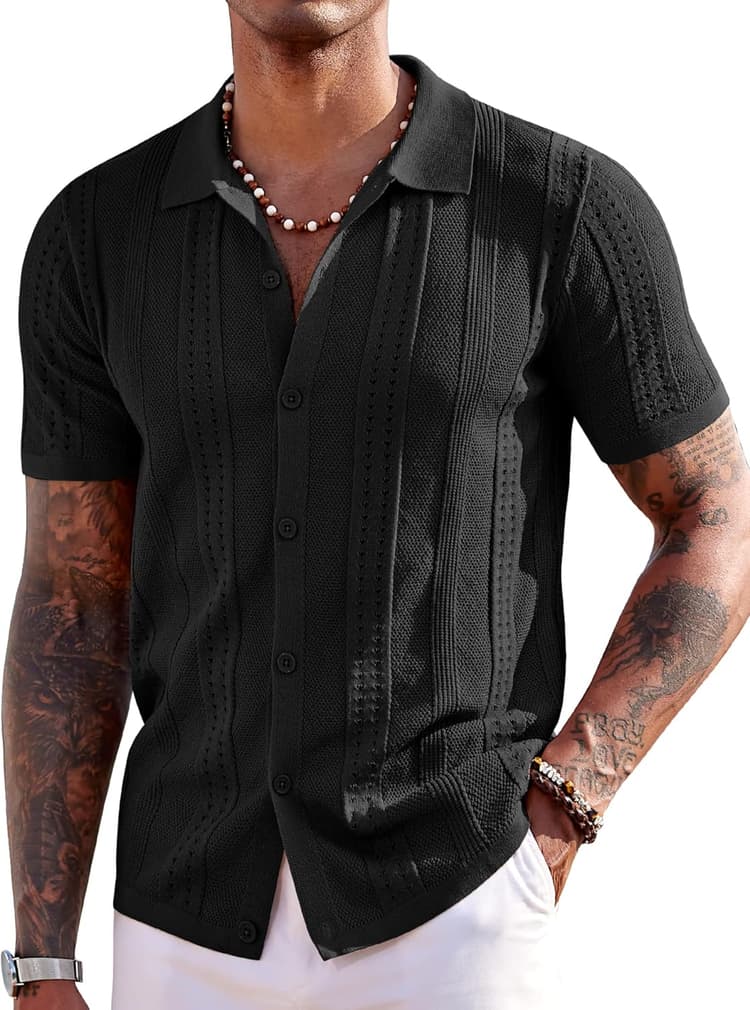
COOFANDY
$31.99
$39.99
-20 %
*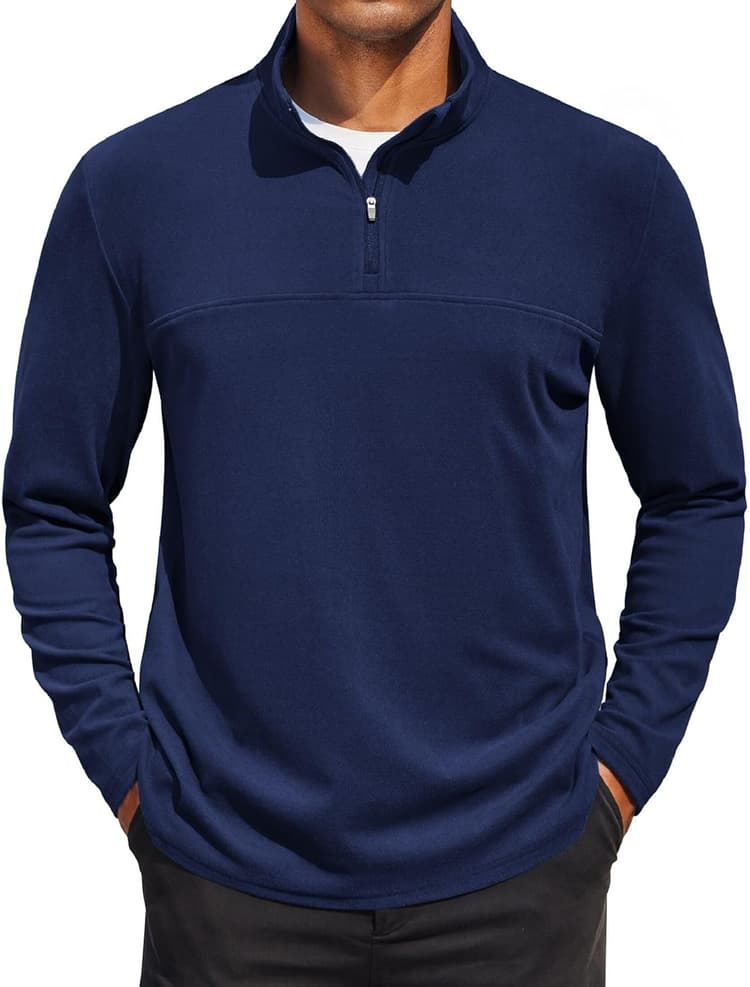
COOFANDY
$22.99
$27.99
-18 %
*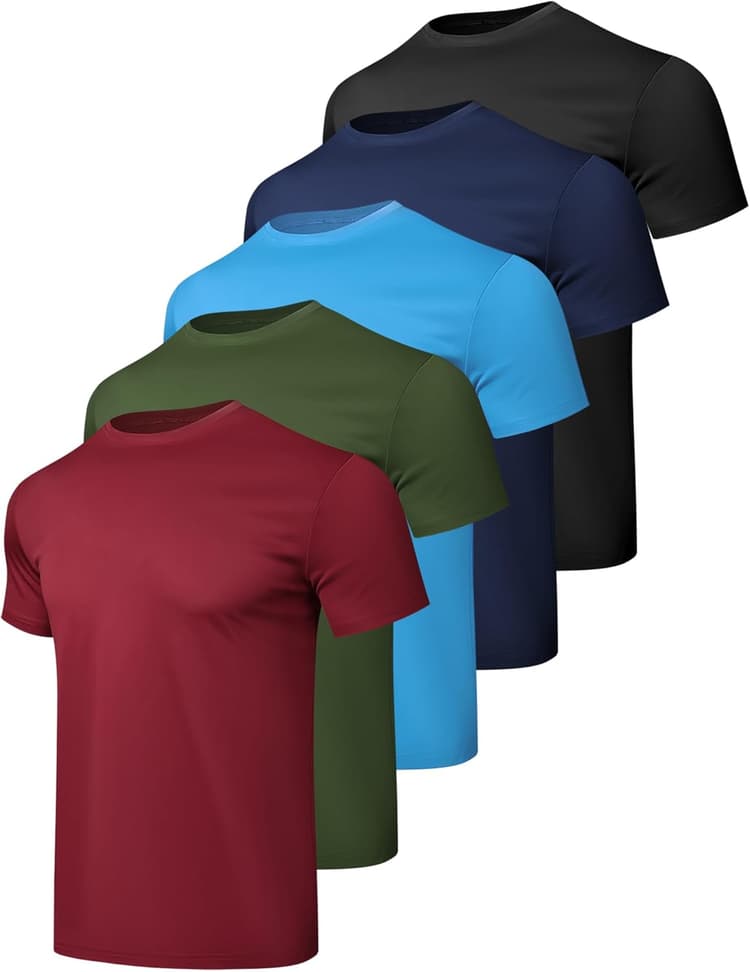
HovSiyla
$19.99
$22.99
-13 %
*Start by listing where and when you will wear the top or shirt. Is it for work, everyday wear, exercise or formal events? A garment for an air-conditioned office has different needs than a shirt for outdoor activities.
Write down up to three priorities: thermal comfort, ease of care, appearance (collar and seam structure), and durability. For example, summer tops should prioritize breathability and moisture wicking, while work shirts need collar stability and a crisp look.
If you plan to wear the item daily, choose robust fabrics and a timeless cut. Garments used occasionally can favor design over durability. Estimating how often you will wear the piece helps balance cost and longevity.
Think about care routines: do you wash by machine often or prefer low-maintenance items? Frequent travelers should favor fabrics that resist wrinkles and dry quickly.
This step gives you a personal brief to use when comparing models and price points.
The price of a top or shirt reflects several elements: fabric quality, cut complexity, finishing level, origin and production scale. Marketing and retailer margins also affect price and do not always guarantee better durability.
High-quality natural fibers (combed cotton, dense linen, merino wool) cost more than synthetic blends. Additional treatments (anti-pilling, stain resistance) raise the price as well.
Garments produced in small batches or certified workshops involve higher labor costs, which increases price but often improves traceability and quality.
Instead of focusing on the sticker price alone, estimate cost per wear: divide price by expected number of wears. A more expensive item worn frequently can be cheaper per use. Also account for care costs: delicate washing and ironing require time and energy.
In short, match price level to your use priorities so you do not overpay for unnecessary attributes.
Sizes vary across brands. Take your key measurements: chest, waist, shoulder width and sleeve length when applicable. Always compare these numbers to the brand s sizing chart and rely on measurements rather than a size label.
Understand the cut: slim, regular, or oversized. Cut affects comfort and intended use. A slim fit may look neat for formal shirts but restrict movement. For technical tops, check shoulder and torso ease.
Design features affect comfort: back darts in a shirt improve fit, while pleats add mobility. Ribbing and armhole finishes should not constrict.
In store, test range of motion by raising your arms, sitting and crossing your arms. Online, favor listings with detailed guides and clear return policies. Read customer comments about fit and length.
Comfort is more than size: texture, fabric weight and breathability matter. A soft fabric next to skin avoids irritation; combed or treated yarns often feel smoother.
For a perfect fit, consider tailoring for high-quality shirts. Simple adjustments (hem, taking in seams) can make an adequate garment fit excellently.
In short, use precise measurements, choose the cut that matches use, and verify ease of movement rather than relying solely on size labels.
Look for tight weaves, reinforced finishes (double stitching, bartacks), and quality buttons and closures. Surface treatments can increase resistance but may lower breathability. If provided, fabric weight (g/m2) is useful: denser fabrics generally last longer.
A durable garment should also be practical to care for. Complex washing instructions can reduce actual use. Prefer items that tolerate regular washing if you intend frequent wear.
Check for pilling, color fading and stretched armholes. Friction zones (underarms, collar) wear out first. Solid construction delays these issues.
Durability also covers traceability and environmental impact: recycled fibers, certifications and local production can reduce impacts but do not automatically mean longer life.
A shirt labeled 100% combed cotton with a tight weave and reinforced seams suggests a good balance of comfort and durability. Conversely, 100% polyester may be highly durable but less breathable.
Learning to read labels helps you balance performance, care and longevity according to intended use.
Briefly explain each cut and its use: slim for a neat appearance, regular for versatility, oversized for comfort and relaxed style. Match cut to body shape and intended use.
Tighter weaves and higher fabric weight generally mean better structure and durability. Lightweight fabrics suit hot summers; heavier fabrics provide structure and resilience.
Cross-stitched buttons, seam reinforcements and flat seams indicate careful construction. Also note overlocked inner seams and buttonhole quality.
Compare breathability, moisture absorption, wrinkle resistance and washability. For work shirts, collar stability and ability to keep shape after washing are important.
Separate purely stylistic elements (prints, embroidery) from functional ones (pockets, extra buttons, reinforced seams). Depending on use, prioritize function or style.
Make a short scoring grid: use 1-5 scales for use, comfort, care, and durability. Score each model to make a more objective decision and avoid basing choice only on appearance.
By systematically comparing these features you convert a subjective choice into an informed, repeatable decision.
Whether in store or at home, try to simulate real situations: raise your arms, sit down and gently rub the fabric interior to assess comfort. For outdoor use, evaluate moisture management and breathability.
Note washing instructions: recommended cycle, maximum temperature and dryer allowances determine the effort needed to keep the item in good condition.
If available, consult reviews or product details on how the garment behaves after multiple washes: shrinkage, color loss or deformation are key indicators.
Assess seam strength, button quality and how fabric resists abrasion. For knit fabrics, check for pilling; for woven fabrics, inspect collar and cuff retention.
Some fabrics feel comfortable right away but degrade rapidly. Others may require a break-in period to become softer. Also consider the fabric s ability to regulate temperature for seasonal use.
Match your choice to your environment: air conditioning, outdoor work, or frequent exposure to water or chemicals will affect longevity and fabric response.
Record observations in a short note: strengths, weaknesses and care recommendations. This note becomes a useful reference when comparing final options.
A structured buying routine and a few simple care practices extend the life of tops and shirts. These habits reduce costly mistakes and provide concrete criteria for comparing options.
Gildan
$14.26
$18.99
-25 %
*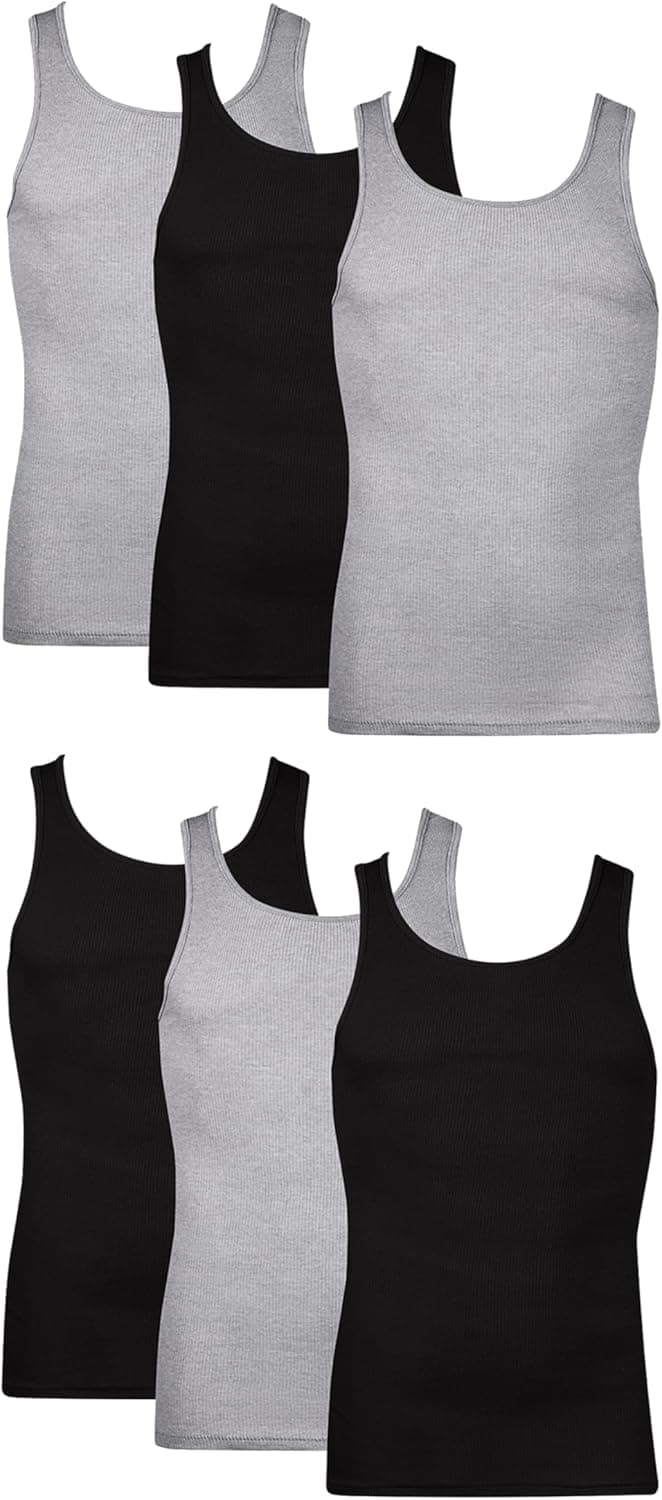
Hanes
$24.00
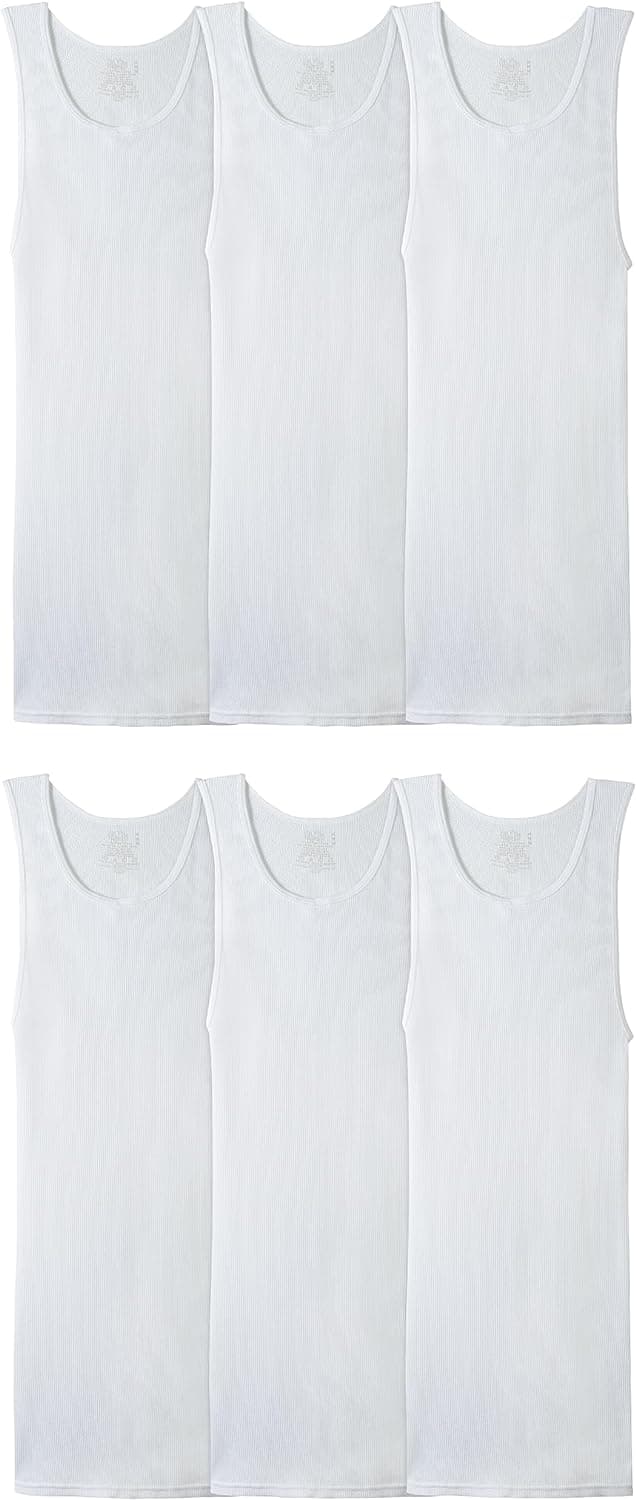
Fruit of the Loom
$19.98
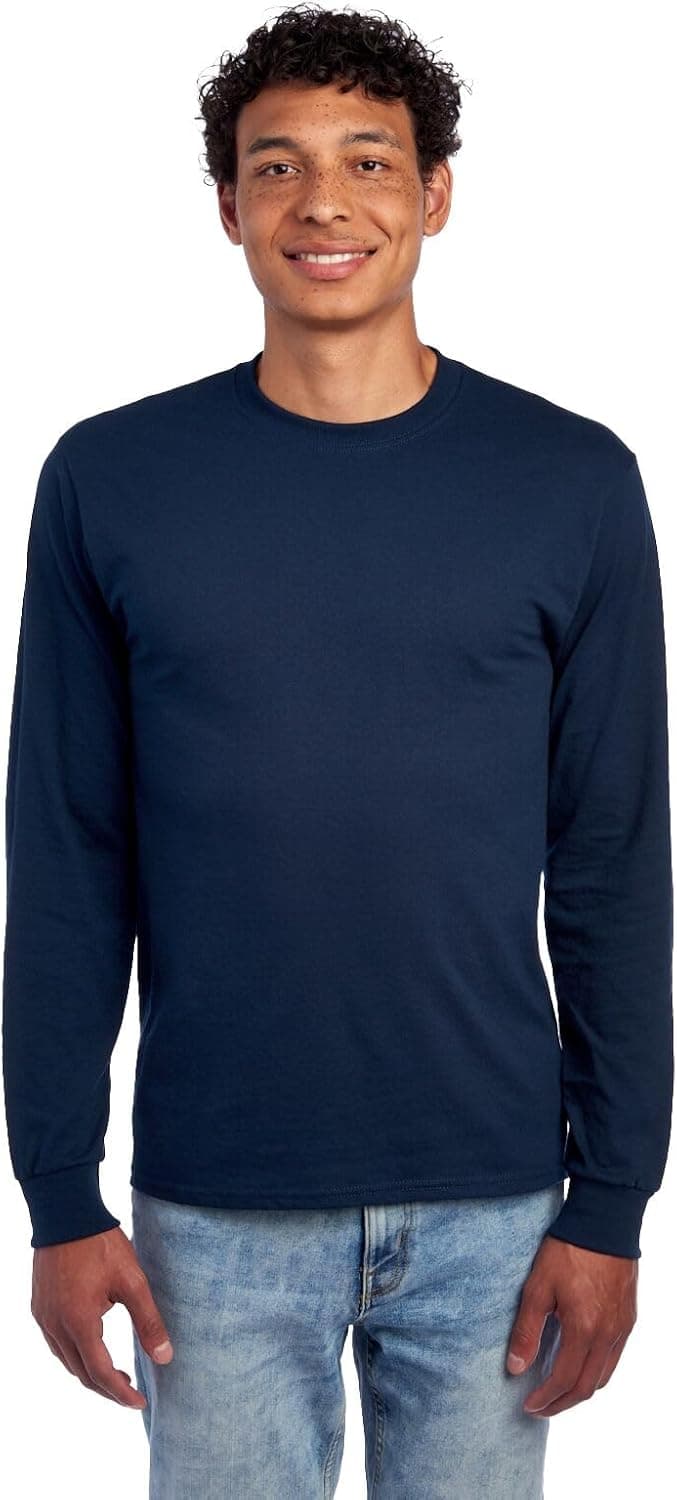
Jerzees
$11.99
HovSiyla
$19.99
$22.99
-13 %
*COOFANDY
$17.99
$29.99
-40 %
*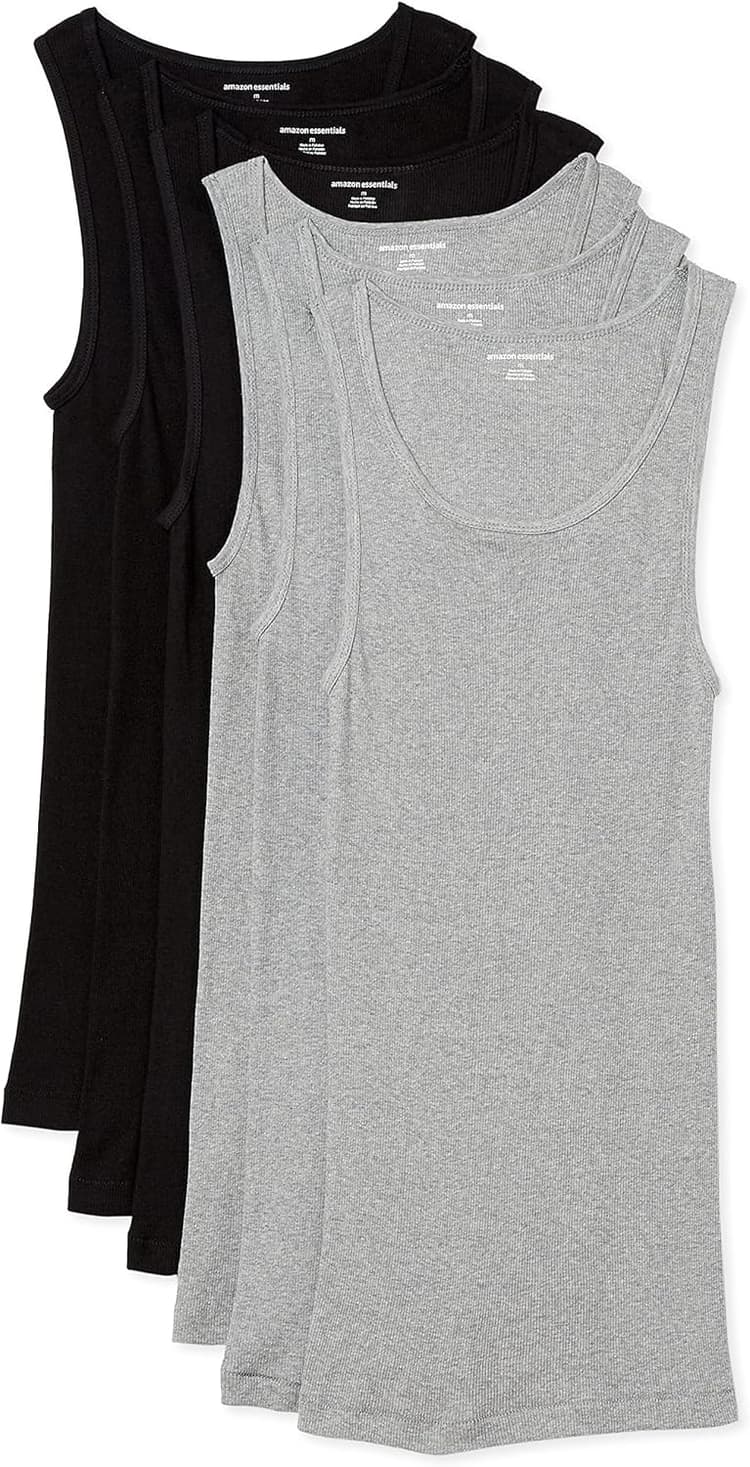
Amazon Essentials
$17.50
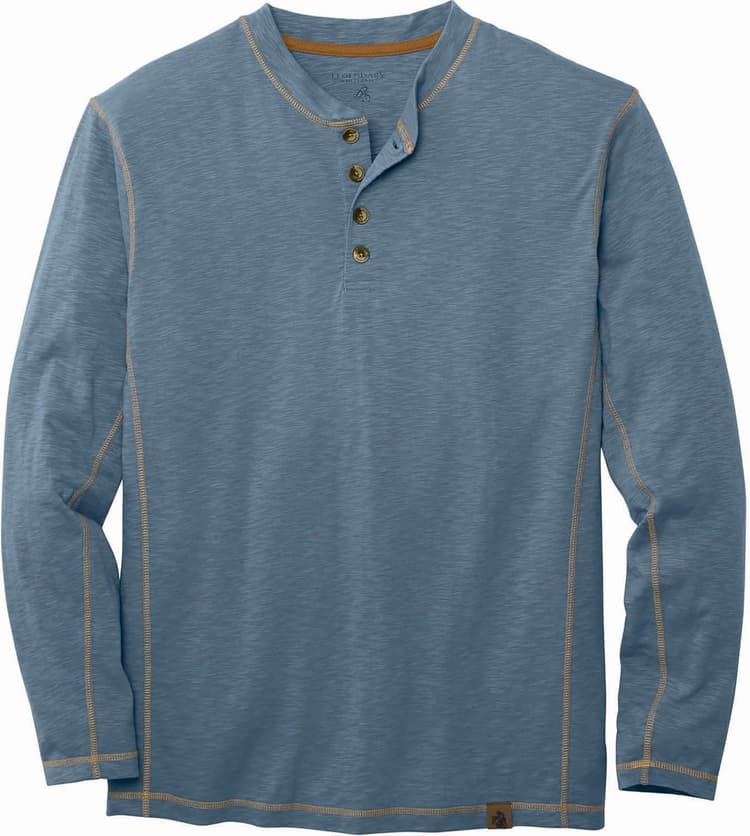
Legendary Whitetails
$34.99
COOFANDY
$31.99
$39.99
-20 %
*COOFANDY
$19.99
$29.99
-33 %
*
Alimens & Gentle
$16.99
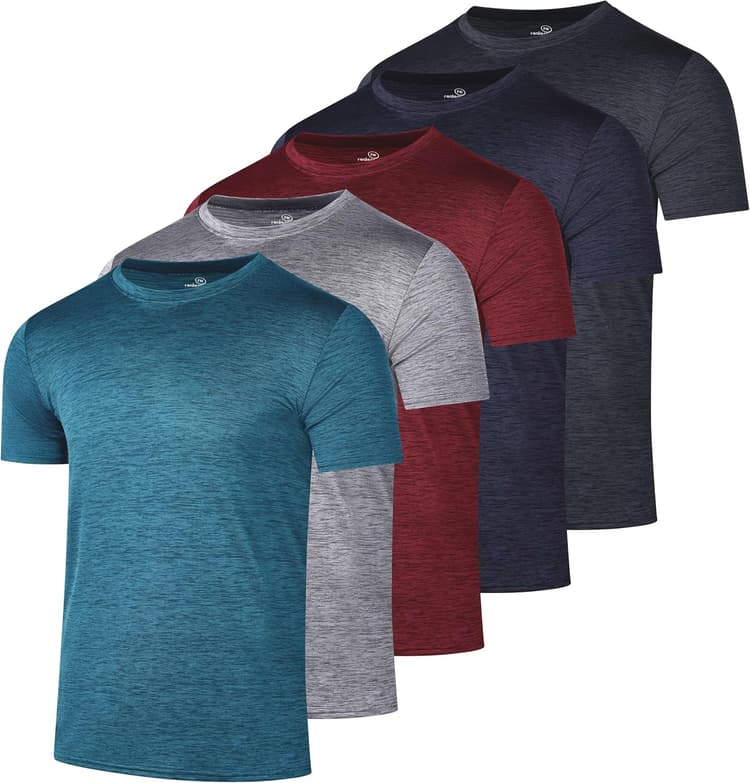
Real Essentials
$35.99
To sum up, choosing a top or shirt starts with an honest assessment of your needs and use context. Connect cut, material and finishing level to wear frequency and care routine. Understanding price drivers helps identify useful trade-offs: invest in durable pieces for frequent wear or accept aesthetic compromises for occasional use.
Take measurements, test ease of movement and read labels: composition, weave, finishes and care instructions are reliable indicators. Use a simple comparison grid to make decisions more objective. Avoid common mistakes like ignoring return policies or overlooking wear-prone areas.
Finally, apply a few easy care habits to extend garment life: appropriate washing, controlled drying and prompt repairs. With these tools you can select tops and shirts that meet both practical and aesthetic priorities and assess the real value of a piece beyond its sticker price.
This guide is informational and pedagogical and aims to help select tops and shirts. It does not promote any brand or specific product. Recommendations are based on general criteria of cut, material, construction and care. No proprietary numerical data has been fabricated. Tips are intended to be applicable across manufacturers.
Our selections rely on independent analysis and hands-on testing, without commercial influence.
Clear comparison guides based on technical criteria and expert reviews.
We frequently revise articles to reflect new models and fashion trends.
Some links are affiliate: we may earn a commission and redirect you to trusted partner retailers.