
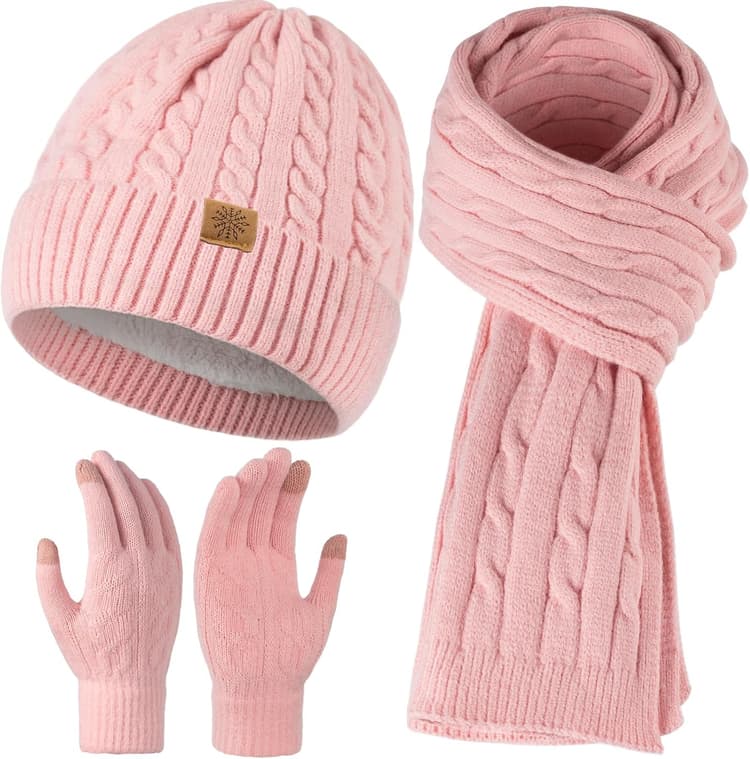
Tavaleu
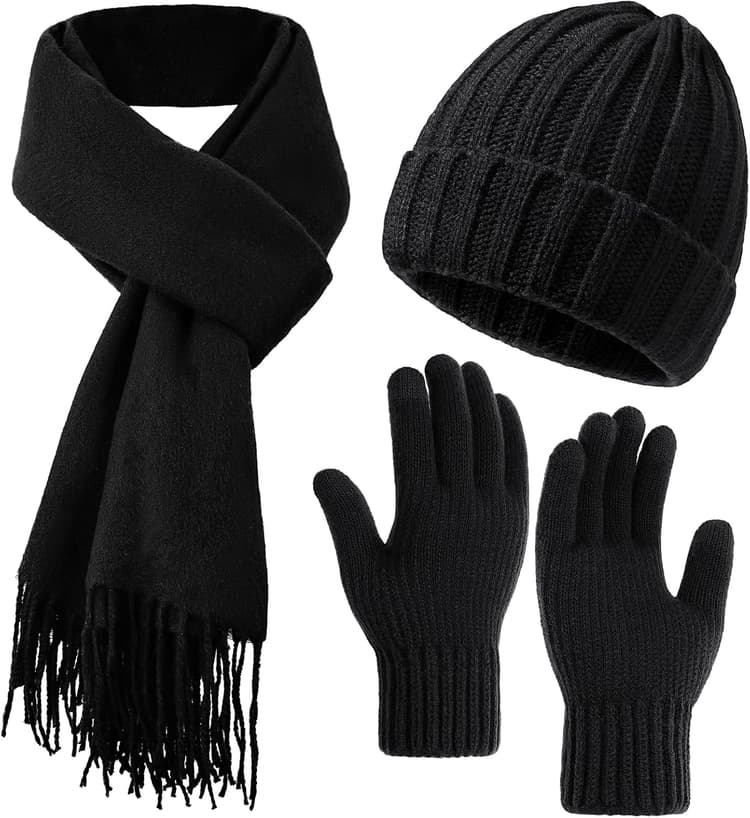
Tavaleu Winter Scarf Hat Gloves Set for Women Men, Warm Lined Beanie Hats Touchscreen Gloves Soft Long Scarf
★★★★☆4.6
$7.99
$13.99
-43 %
*
Senior editorial writer specializing in clothing reviews, style guides, and deals.

This guide walks you through selecting scarves and gloves with a practical, step-by-step approach. Rather than recommending specific products, it focuses on the factors that determine comfort, durability and function: materials, cut, price tiers, fit, wear resistance and special features such as touchscreen compatibility or water resistance. The pedagogical format gives you concrete questions, examples and simple comparison methods.
It's written for a wide audience: someone needing a warm winter set, a city dweller requiring touchscreen-friendly gloves, or a buyer prioritizing longevity and low-maintenance textiles. The guide remains brand-neutral and aims to empower you to assess items in-store or online. You will learn to read labels for fiber content and construction, estimate the insulation needed for different climates, and match intended use to budget.
Start with the "Assess your needs" section to clarify priorities, then read about materials and sizing. Later chapters offer comparison frameworks and common beginner mistakes to avoid. A short FAQ addresses frequent practical questions. The structure is progressive so that, by the end, you can quickly filter options and make an informed choice.
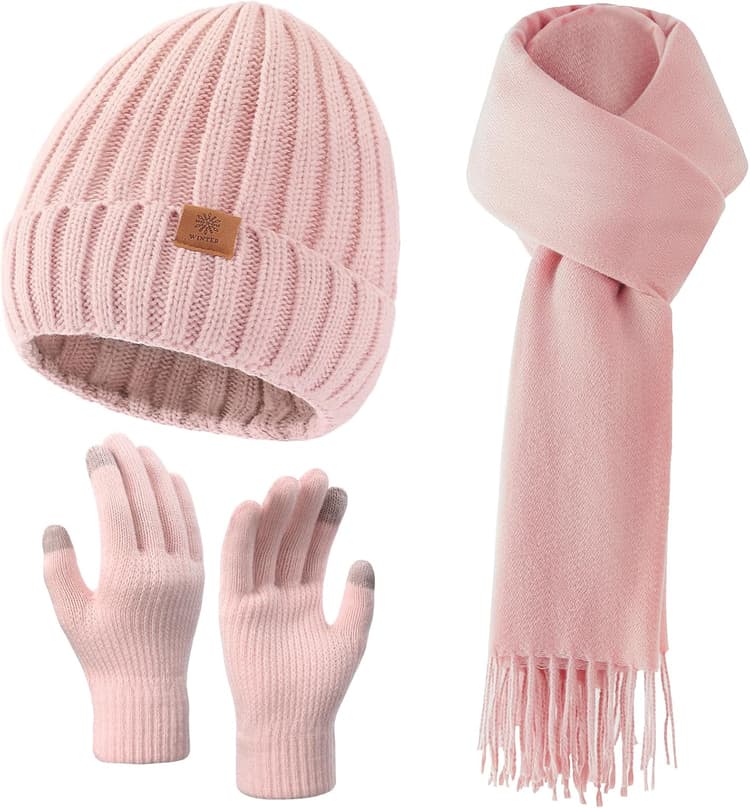
Tavaleu
$7.99
$13.99
-43 %
*
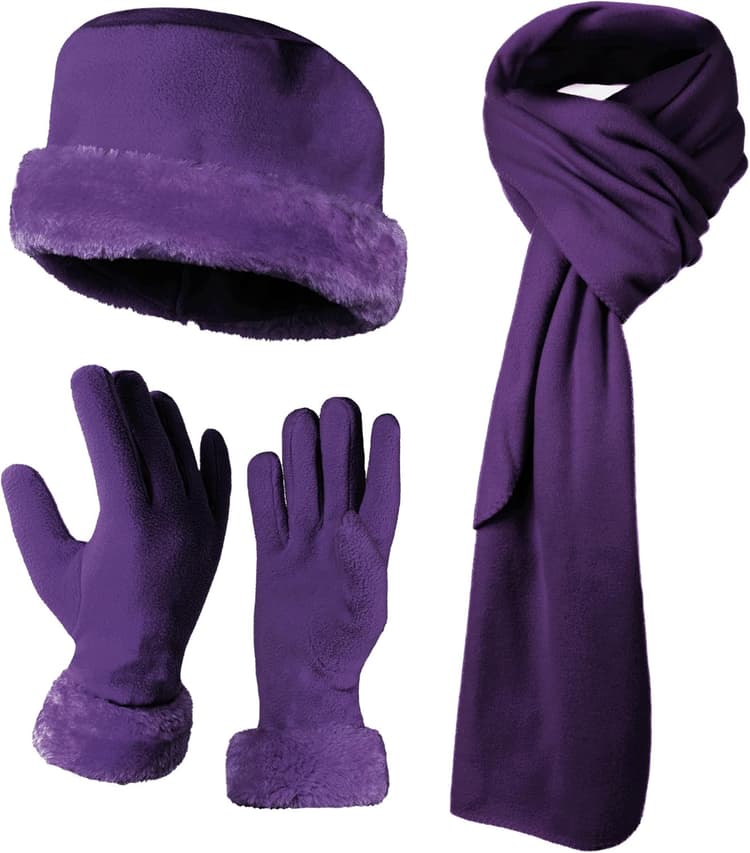
Passionbility
$8.49
$13.99
-39 %
*
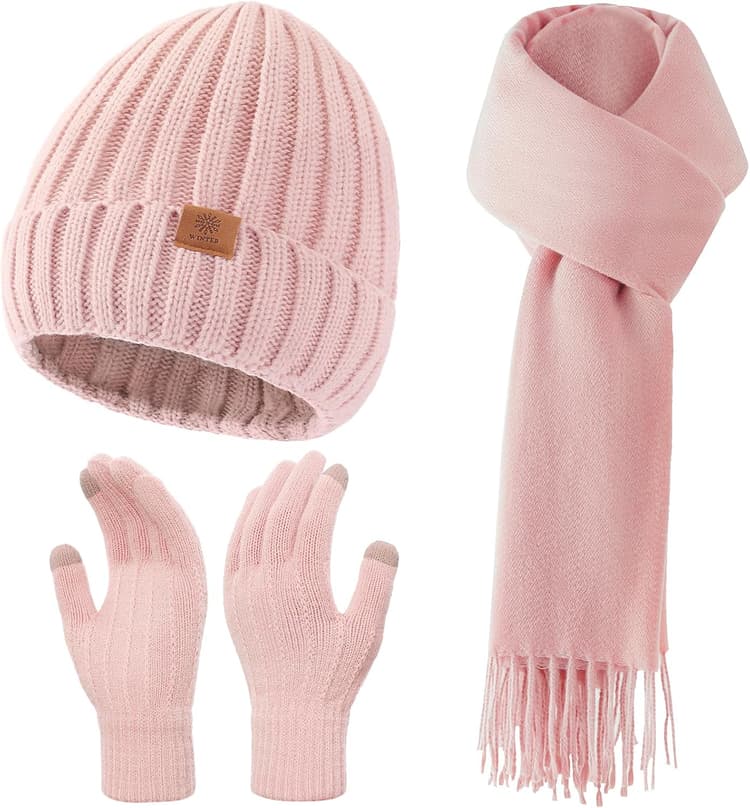
boxed-gifts
$12.99
$19.99
-35 %
*
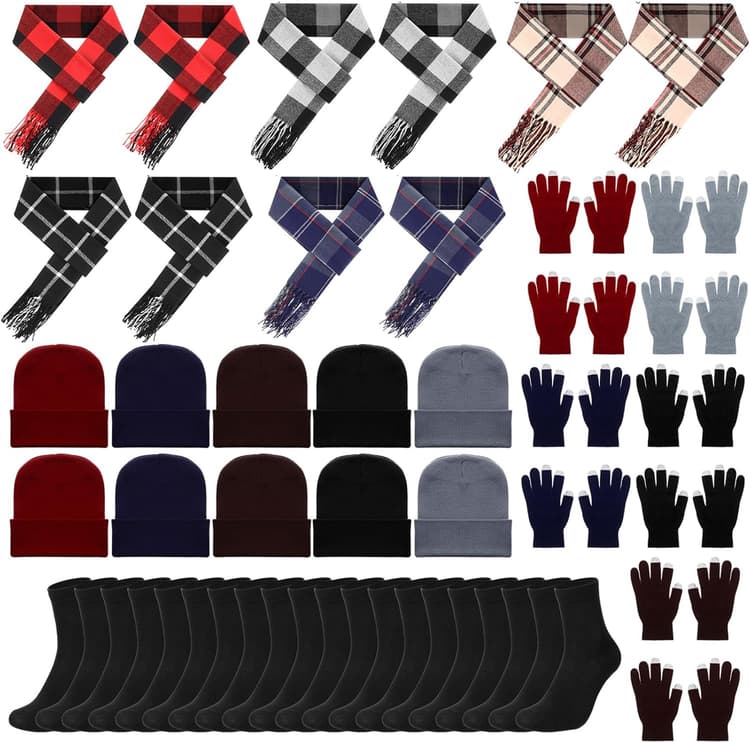
Premillow
$13.49
$19.99
-33 %
*
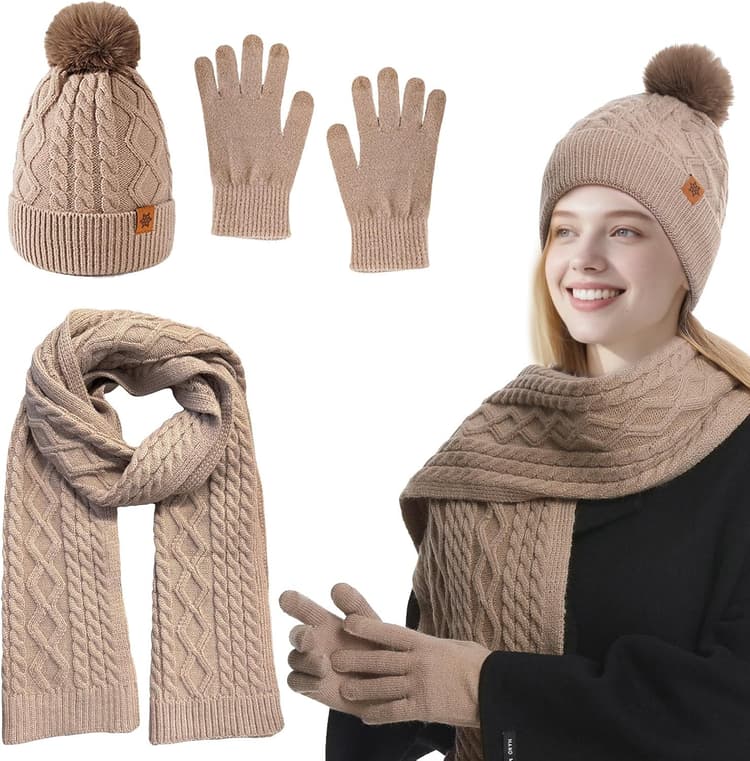
Panitay
$39.99
$56.99
-30 %
*
QUIRAI
$7.99
$9.99
-20 %
*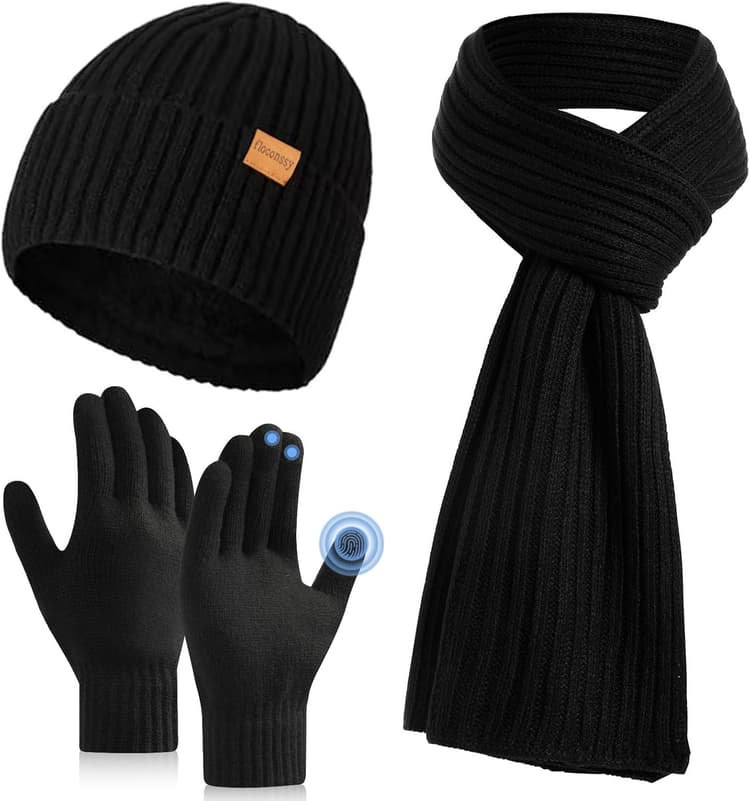
floconssy
$22.99
$26.99
-15 %
*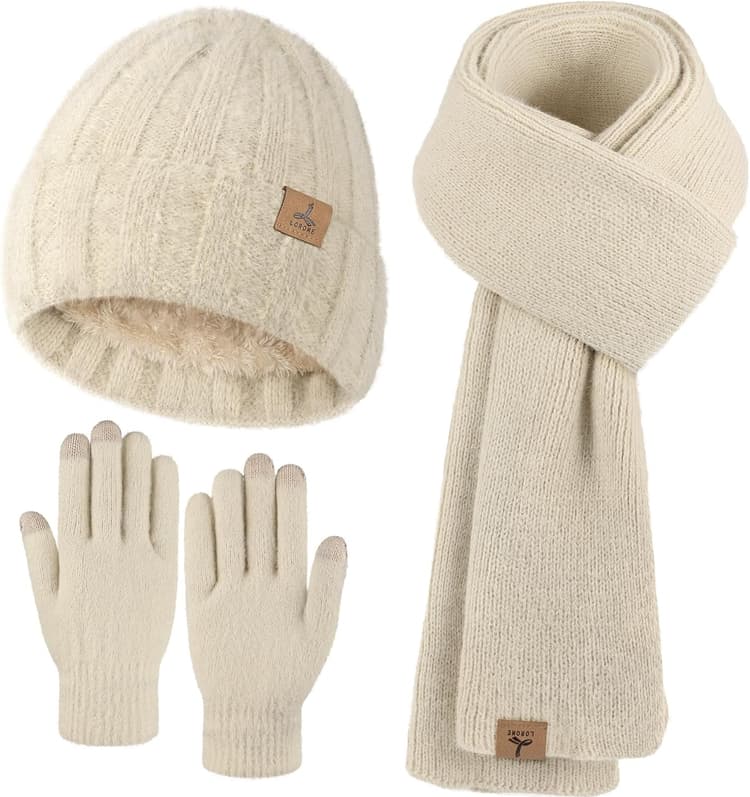
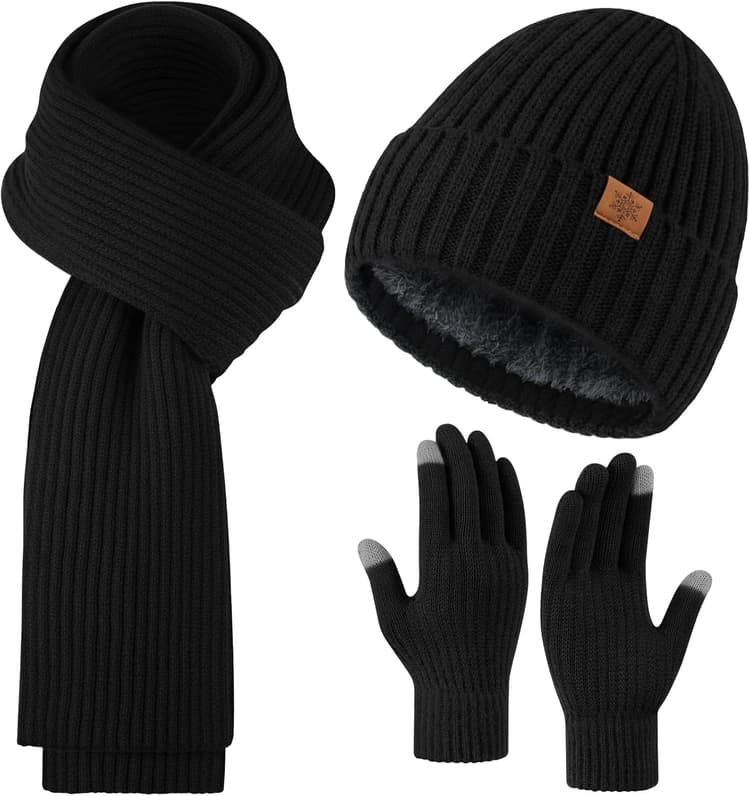
LOROME
$25.99
$29.99
-13 %
*
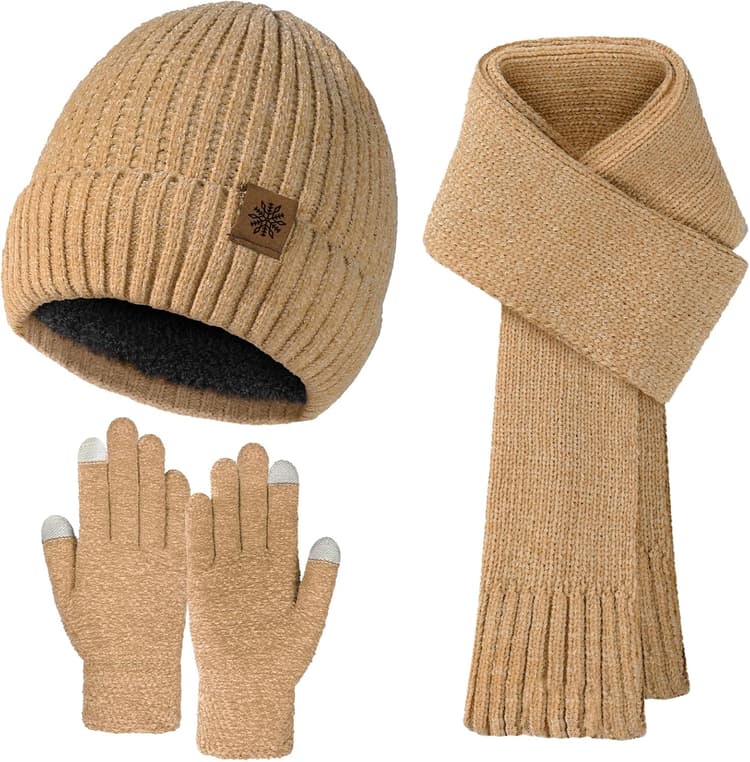
Premillow
$6.99
$7.99
-13 %
*
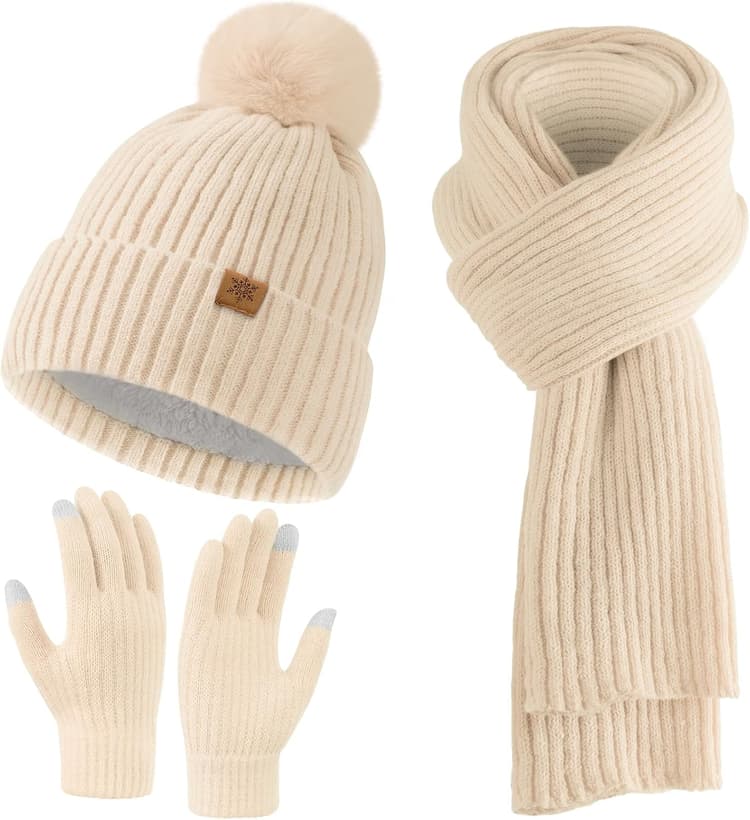
Pleneal
$7.99
$8.99
-11 %
*
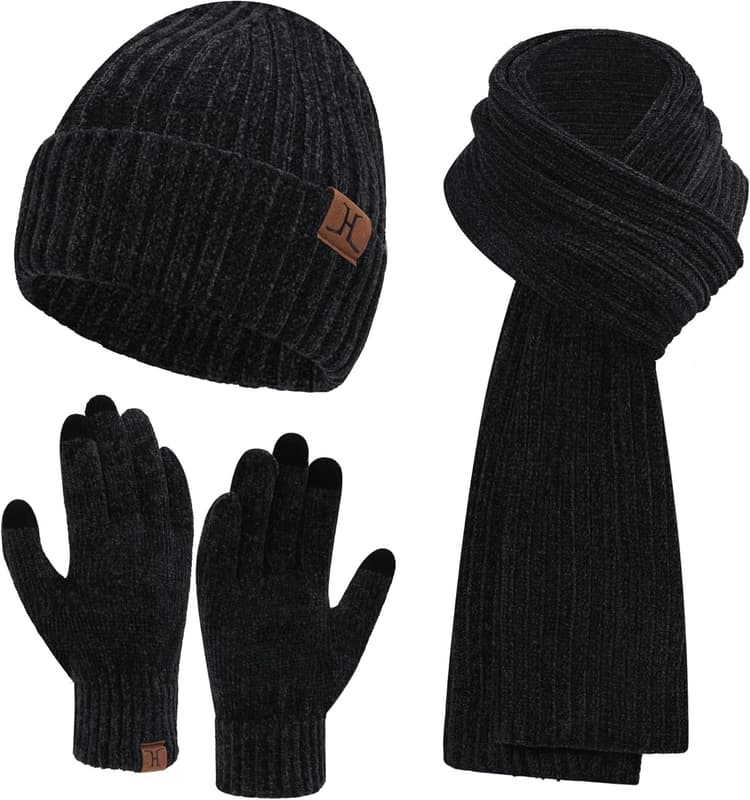
Passionbility
$7.99
$8.99
-11 %
*
AQOTHES
$18.99
$19.99
-5 %
*Start by clarifying primary use. Are you after maximum warmth, moisture protection, aesthetics or versatility? A thick wool scarf will insulate better for outdoor use, while a lightweight cotton or silk scarf suits transitional weather. For gloves, decide whether you need fine dexterity (for cycling or using a phone) or maximum insulation for static activities (standing outdoors for a long time).
Ask these practical questions:
Concrete example: an urban cyclist will prefer thin gloves with grip and some reinforcement, and a moderately breathable scarf to avoid moisture buildup. Someone walking long distances in very cold weather should choose wool blends or synthetic insulation for gloves plus a thick wool scarf to retain heat.
Rank your priorities on a simple 1-5 scale: warmth, mobility, durability, care, appearance. This ranking helps you make trade-offs: merino wool gives a great warmth-to-breathability ratio but needs more careful washing than synthetic blends. Knowing your priorities quickly narrows down suitable options.
Material choice largely determines performance and price. Common categories and what they mean:
Durability in practice: check knit density (tighter knits resist wear), glove seam quality (reinforcements on friction zones) and scarf edge finishing (secure hems or well-tied fringes). Additional treatments (waterproofing, windproof coatings) extend usefulness but may reduce breathability.
Durable example: a glove with microfleece lining, reinforced palm seams and a water-resistant membrane strikes a good balance between weather protection and longevity. For scarves, a tightly knitted wool blend will pill less than very fine single-fiber knits.
Care tip tied to durability: improper washing is a top cause of premature wear. Follow care labels, use mesh bags for delicate knits and store natural fibers in dry conditions, with moth prevention if needed.
Price reflects fiber quality, manufacturing complexity, technical treatments, brand and distribution channels. Read price in these common tiers:
How to judge price versus value: check composition (percentage of noble fibers), knit density and construction quality. A 70% wool/30% acrylic blend can give good warmth with easier care at a moderate price. For gloves, examine the palm and seams; reinforcements suggest better lifespan. Consider cost-per-use: a durable glove lasting several seasons can be cheaper in the long run than replacing a cheap pair yearly.
Practical test: compare two gloves side-by-side without labels. Feel thickness, test finger flexibility and rub the palm to assess grip. These tactile checks help determine whether a price difference delivers measurable benefits for your intended use.
Fit is key for comfort and function. For gloves, the right size provides dexterity and thermal efficiency: too tight restricts circulation and reduces insulation performance; too loose allows cold air to circulate.
Simple measuring method:
For scarves, length and width depend on style and body shape: a shorter scarf (around 120 cm) is practical for quick wraps in the city; a longer scarf (180 cm or more) allows multiple wraps and better thermal sealing. Also consider thickness: a bulky scarf warms well but may not fit under a close-collared coat.
Tactile comfort: test softness against skin, check for itchiness (some wool can be abrasive) and fabric flexibility. Assess breathability by holding the scarf briefly over your mouth: if it feels stifling, the material may trap moisture during activity.
Practical tips:
A considered fit enhances thermal performance and daily usability; spend a few minutes trying items on before buying.
Use a simple, testable checklist to compare items. Common features and how to evaluate them during a trial:
How to judge everyday performance:
A structured comparison helps align real-world function with the priorities set at the start. Keep the trade-off between targeted performance and versatility in mind.
Common mistakes:
Easy expert tips:
Budget tip: good value often lies in mid-range wool-synthetic blends, offering warmth and easier care. Keep track of real usage: if you regularly experience sweat or discomfort, adjust your priorities toward breathability next time.
These practical suggestions reduce basic errors and make choices that typically require experience accessible to beginners.
Honnesserry
$29.99
floconssy
$22.99
$26.99
-15 %
*AQOTHES
$18.99
$19.99
-5 %
*
Loritta
$9.99
FISFET
$23.99
LOROME
$25.99
$29.99
-13 %
*
BRUCERIVER
$19.99
Trifabricy
$8.99
Pleneal
$7.99
$8.99
-11 %
*Premillow
$13.49
$19.99
-33 %
*
Tavaleu
$5.99
Tavaleu
$7.99
$13.99
-43 %
*Choosing scarves and gloves is about balancing real needs, materials, fit and budget. Start by identifying primary use and ranking warmth, mobility, durability and care. Materials (wool, cashmere, leather, synthetics) heavily influence performance and upkeep; blends often provide a pragmatic compromise. Inspect construction: tight knitting, reinforced friction zones and clean finishes extend lifespan.
Perform simple in-store tests: measure your hands, try gloves while doing everyday actions, and wear a scarf on a short walk to assess breathability. Use a comparison checklist aligned with your priorities to choose between options. Finally, follow care instructions suited to the material to maintain appearance and function over time.
In short, the best purchase meets intended use: enough warmth without sacrificing mobility, care requirements that match your routine, and solid construction for longevity. Using the methods in this guide, you can quickly evaluate multiple options and pick the one that fits your practical needs.
This guide explains criteria and methods for choosing scarves and gloves without recommending specific products or brands. The information is based on general principles of materials, fit and care to help readers compare available options. No commercial data, prices or product tests were invented for this document. If links or partnerships appear on the published page, they will be clearly disclosed and separated from editorial content.
Our selections rely on independent analysis and hands-on testing, without commercial influence.
Clear comparison guides based on technical criteria and expert reviews.
We frequently revise articles to reflect new models and fashion trends.
Some links are affiliate: we may earn a commission and redirect you to trusted partner retailers.