
Disney
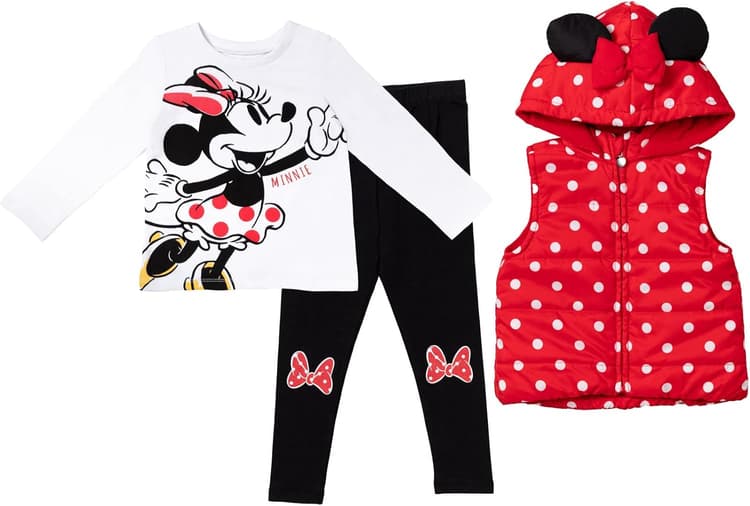
Disney Minnie Mouse Zip Up Vest Puffer T-Shirt and Leggings 3 Piece Outfit Set Infant to Big Kid
★★★★☆4.8
$7.77
$47.99
-84 %
*
Senior editorial writer specializing in clothing reviews, style guides, and deals.

Buying clothes for a toddler may seem straightforward, yet size variability, fabric choices and price tiers make the decision trickier than it looks. This pedagogical guide breaks down the selection process into manageable steps for caregivers of children roughly 1 to 3 years old. Its aim is to help you make informed choices based on real needs rather than trends or labels.
Instead of recommending specific brands, the guide walks you through practical decision points: assessing the childs daily needs, understanding what drives pricing, choosing proper fit and comfort, evaluating fabrics and durability, comparing essential features and judging everyday performance. Each section includes concrete criteria, usage examples and common pitfalls to avoid.
The approach is step‑oriented. You will learn how to prioritize factors such as dressing independence, skin sensitivity, and laundry frequency, and how to balance upfront cost versus long‑term value. Use the information to create a personalized checklist that works both in stores and when shopping online. The guide also highlights mistakes new buyers often make and offers hands‑on tips for care and extended garment life.
Disney
$7.77
$47.99
-84 %
*
The Children's Place
$26.97
$59.95
-55 %
*
The Children's Place
$29.99
$50.95
-41 %
*
LIMIROLER
$28.89
$33.99
-15 %
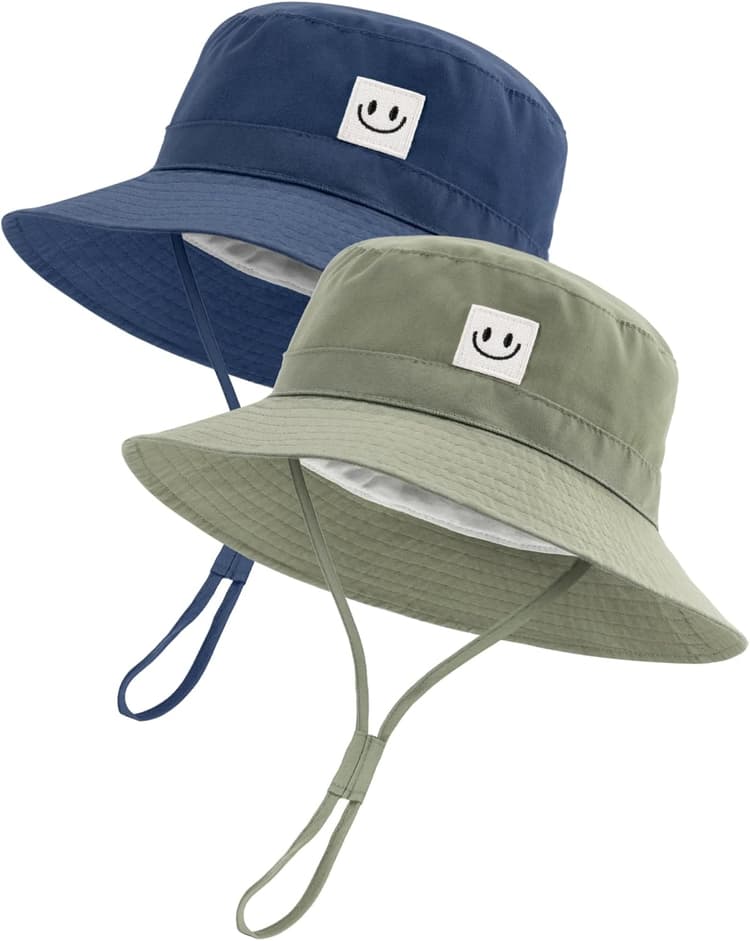
*
FURTALK
$14.99
$16.99
-12 %
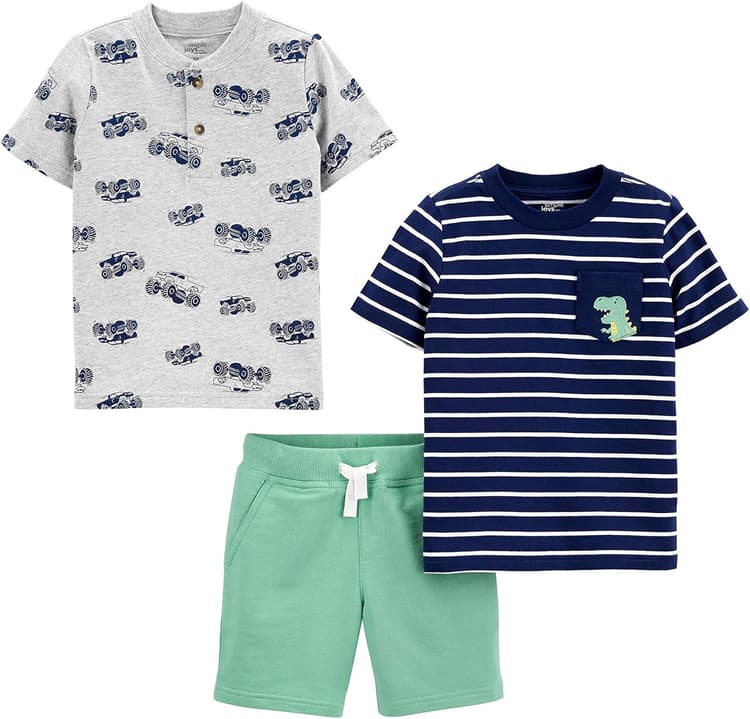
*
Simple Joys by Carter's
$19.00
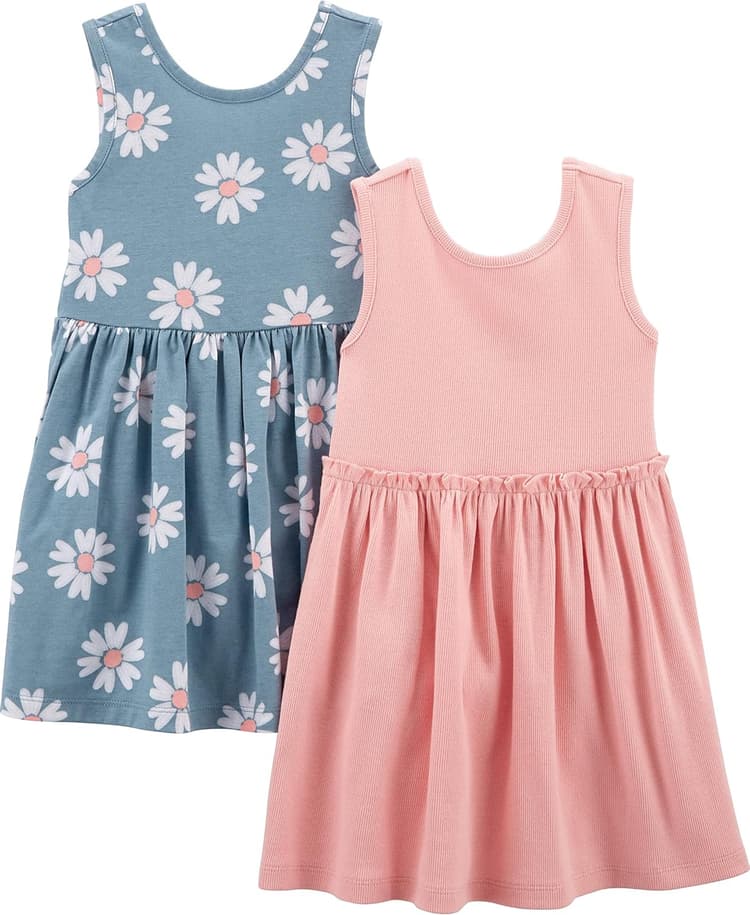
Simple Joys by Carter's
$20.00
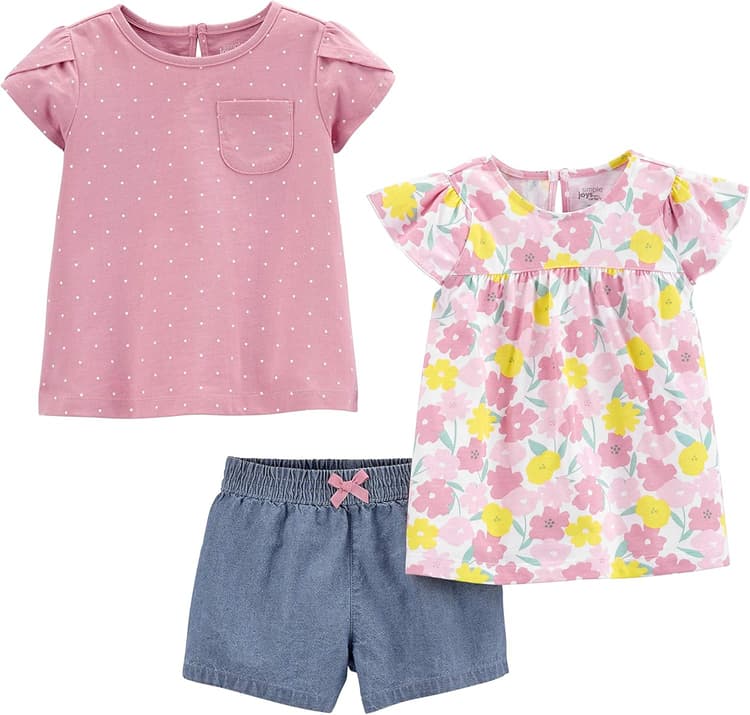
Simple Joys by Carter's
$19.00
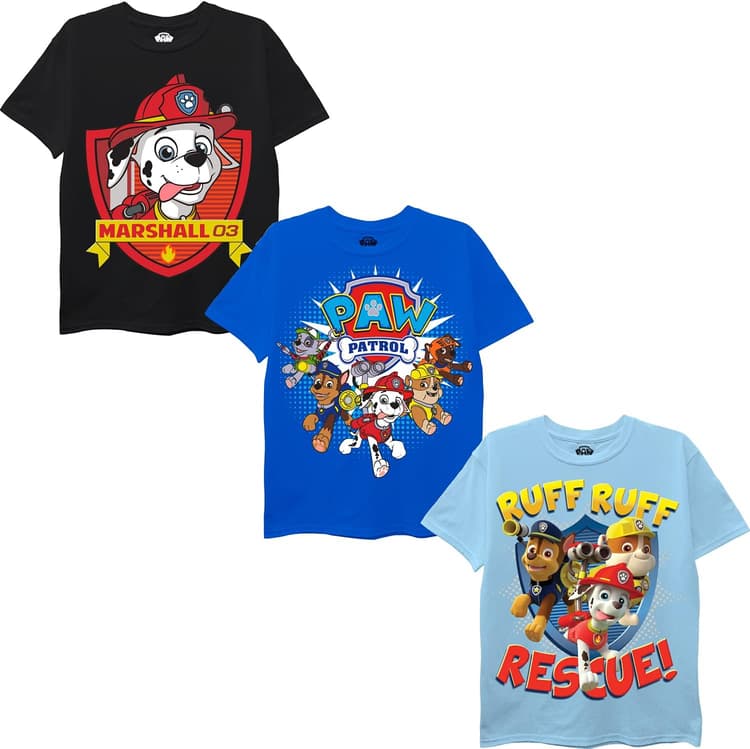
Nickelodeon
$18.27
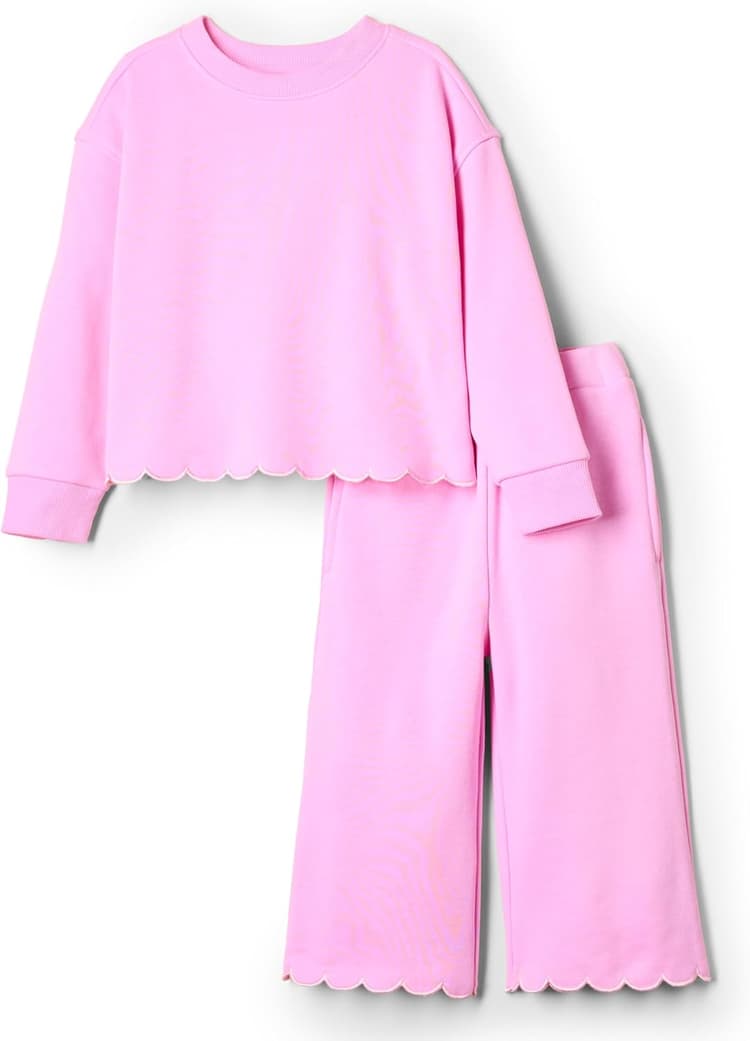
Amazon Essentials
$19.90
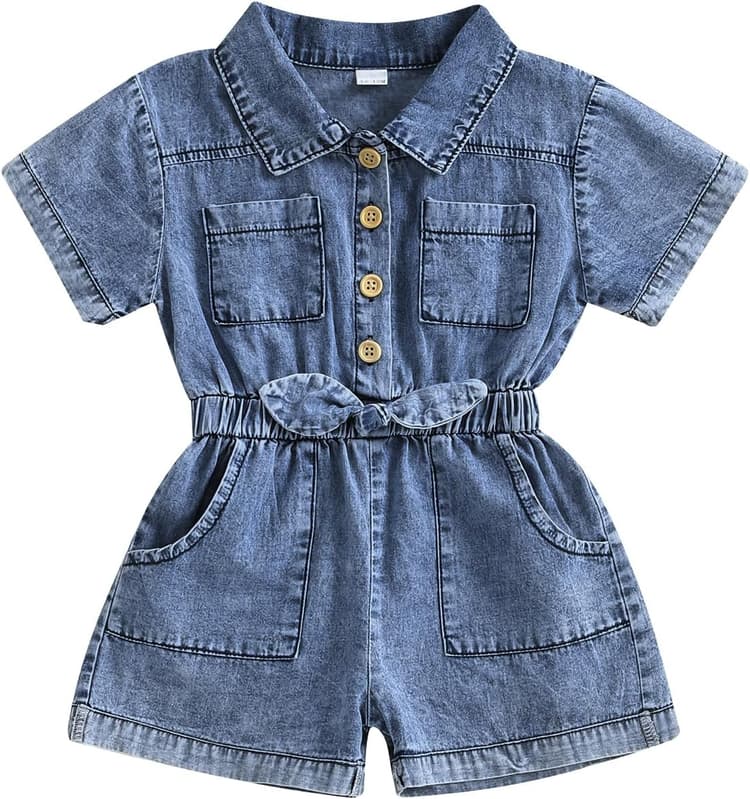
Ledy Champswiin
$16.89
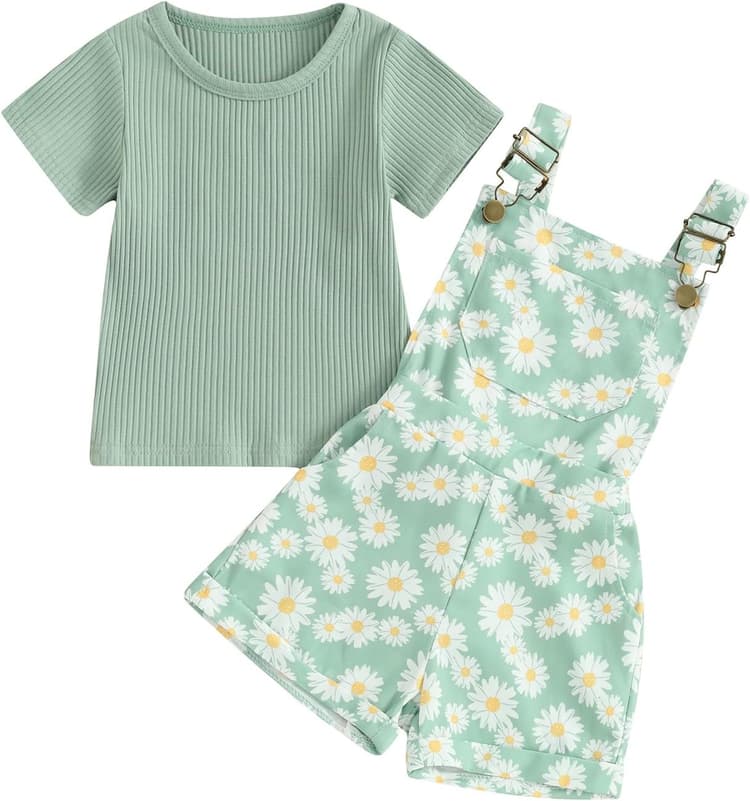
Lucikamy
$19.99
Start with a clear picture of constraints and goals. Needs differ by age, climate, lifestyle and laundry frequency. To set priorities, answer these practical questions:
Concrete examples: for daycare, choose sturdy garments without small detachable parts and that are easy to put on. For a toddler learning to dress, favor simple closures, soft elastic waists and garments that clearly indicate front and back.
Make a ranked list of needs. With these priorities in hand, you can evaluate size, fabric and price options against what matters most. This structured approach reduces impulse buys of attractive but impractical items.
Toddler clothing prices span a broad range: low‑cost economical items, midrange practical pieces and higher‑end garments emphasizing materials and finish. Factors that typically affect price include:
How to apply this: decide whether you are paying for longevity or for short‑term savings. If a sweater will be worn across seasons and laundered often, investing in stronger fabric and stitching may be more economical over time. For garments intended for short use or quick hand‑downs, budget options are often acceptable.
A simple metric: estimate cost per use by dividing the price by expected number of wears or washes. This helps compare true value across price tiers.
Size is a common source of mistakes. Kids grow quickly and sizing charts differ between brands. Use this step‑by‑step method:
Practical comfort considerations:
When possible, try garments in store. For online purchases, read reviews about fit and fabric. Keep receipts and check return policies in case an exchange is needed.
Fabrics determine feel, breathability and longevity. Common textiles and their practical traits:
Durability considerations:
Care and longevity: follow care labels, but when unsure choose a gentle wash cycle and flat drying to minimize distortion. For daily items, favor robust materials and reinforced zones as a cost‑effective choice over time.
Make choices objectively by comparing key features in a simple checklist or mental table. Criteria and practical meanings:
Practical method: choose your three non‑negotiable criteria first (for example, dressing ease, machine washability and wear resistance). For each garment, mark whether the criteria are met on a simple 0–2 scale: 0 = no, 1 = partly, 2 = fully. Sum the scores to get a quick comparative metric. This turns subjective feelings into measurable decision points.
Example: a pair of pants with an adjustable waist (2), reinforced knees (2) but delicate wash instructions (1) would score 5/6 if those three criteria are your top priorities. The method makes comparisons transparent and aligned with real use.
Garment performance shows over time: how it holds up after repeated washes, maintains comfort and resists abrasion. To evaluate performance, inspect and test:
Longer term checks:
Care tips: wash on gentle cycles, turn printed garments inside out, use cold or lukewarm water to protect fibers and avoid fabric softener on technical fabrics. Proper care significantly extends performance and garment life.
Common beginner mistakes and straightforward expert tips:
Typical mistakes:
Practical expert tips:
A practical rule: compute cost per expected use and prefer fabrics that retain shape after multiple washes. Talk with other caregivers to gather real‑world feedback about fit and longevity of specific cuts.
Simple Joys by Carter's
$19.00
Simple Joys by Carter's
$20.00
Simple Joys by Carter's
$19.00
The Children's Place
$29.99
$50.95
-41 %
*FURTALK
$14.99
$16.99
-12 %
*Disney
$7.77
$47.99
-84 %
*Nickelodeon
$18.27
Amazon Essentials
$19.90
The Children's Place
$26.97
$59.95
-55 %
*Ledy Champswiin
$16.89
LIMIROLER
$28.89
$33.99
-15 %
*Lucikamy
$19.99
In short, buying toddler clothes becomes a more deliberate process when you follow a stepwise approach: first clarify the childs needs, set priorities (comfort, durability, dressing ease), then weigh options against fabric, construction and cost per use.
Match features to intended use: durable fabrics and reinforcements for daycare, practical cuts and simple closures for dressing independence, and soft materials for sensitive skin. Use the simple scoring method described earlier to compare items quickly and factor care requirements into your choice.
By applying these principles you make purchases that are more likely to be worn, comfortable and long‑lasting. Build a small rotational wardrobe, trial a midrange piece before buying many similar items, and keep receipts for exchanges. These practical steps reduce waste, stretch your budget and improve daily comfort for the toddler.
This guide is written from practical principles and pedagogical expertise on toddler clothing. It does not promote specific brands or include commercial links. Recommendations are based on objective criteria: sizing, materials, construction and care. No proprietary data or fabricated product tests were used in creating this content.
Our selections rely on independent analysis and hands-on testing, without commercial influence.
Clear comparison guides based on technical criteria and expert reviews.
We frequently revise articles to reflect new models and fashion trends.
Some links are affiliate: we may earn a commission and redirect you to trusted partner retailers.