
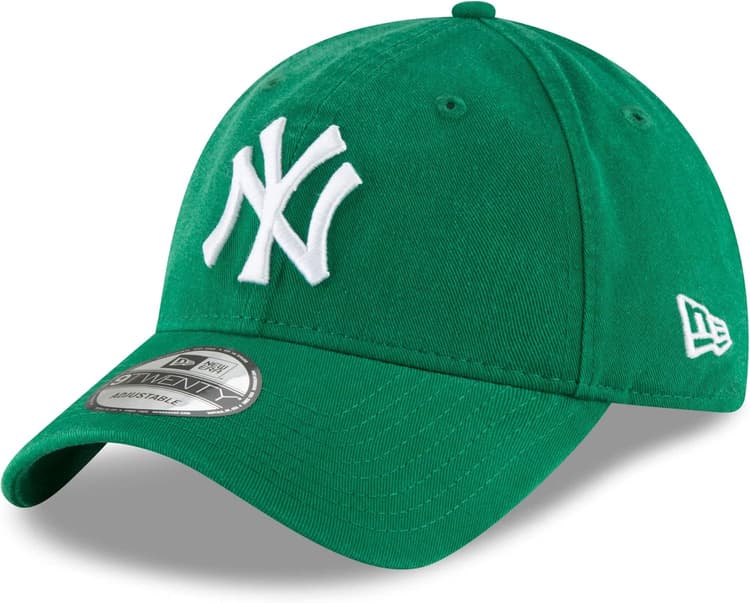
New Era
New Era MLB Khaki Core Classic 9TWENTY Adjustable Hat Cap One Size Fits All
★★★★☆4.7
$28.00
$36.99
-24 %
*
Product analyst covering fabric tech, fit advice, and budget-friendly finds.

This guide explains, in a step-by-step educational way, how to choose the right hat or cap for your needs. Instead of recommending models, we examine concrete selection criteria: intended use (sun protection, fashion, work), fit and comfort, materials and durability, and price tiers plus what they usually mean for quality. You will find simple methods to measure head size, compare essential features, and anticipate daily performance.
The structure is designed for readers who want to learn how to evaluate headwear without brand influence. Each section offers checklists and measurable cues: how to test fit in-store or at home, which label indicators suggest long-lasting construction, and which attributes suit heavy daily use. Common mistakes are highlighted so you can avoid wrong purchases.
The tone is pedagogical: we break down principles and provide quick exercises (taking measurements, inspecting seams, testing stability). The guidance applies across typical contexts — urban wear, sports, sun exposure, wet weather — and maintains a neutral, non-commercial stance. Treat this guide as a practical checklist for comparing options and interpreting technical details often omitted in product descriptions.
New Era
$28.00
$36.99
-24 %
*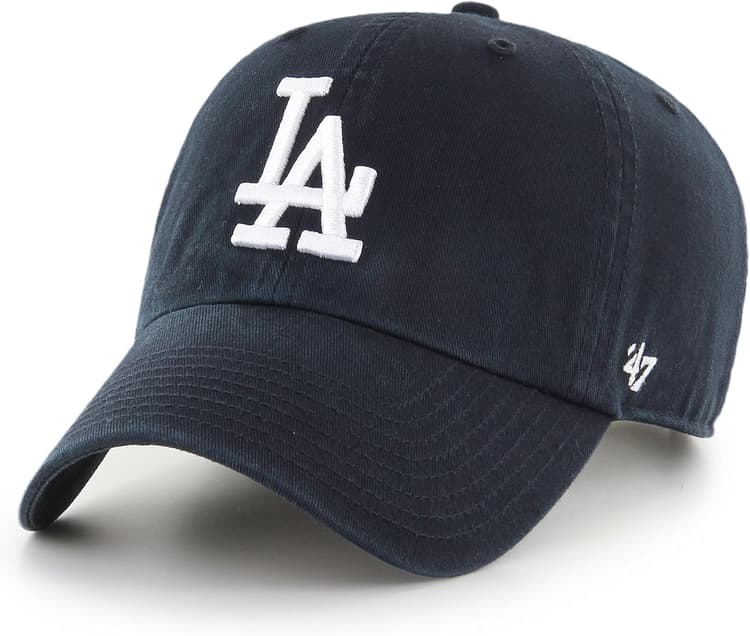
47
$27.86
$34.99
-20 %
*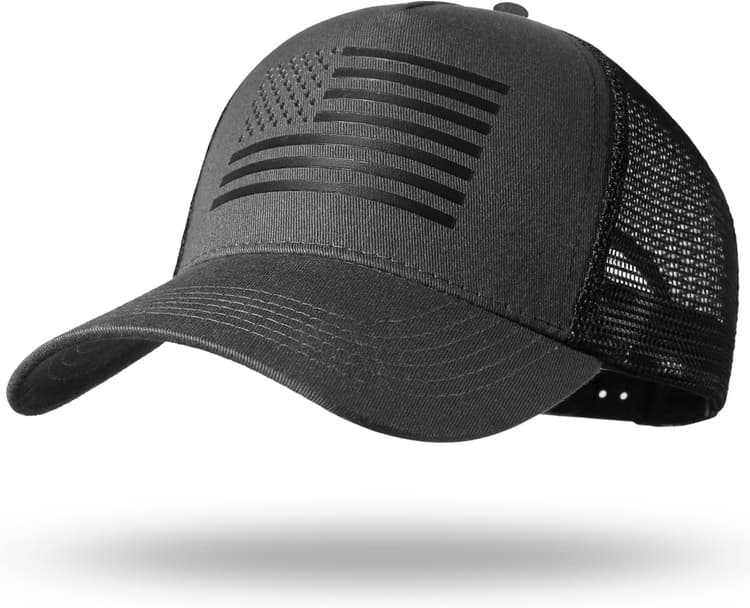
RONGJUN
$14.98
$17.99
-17 %
*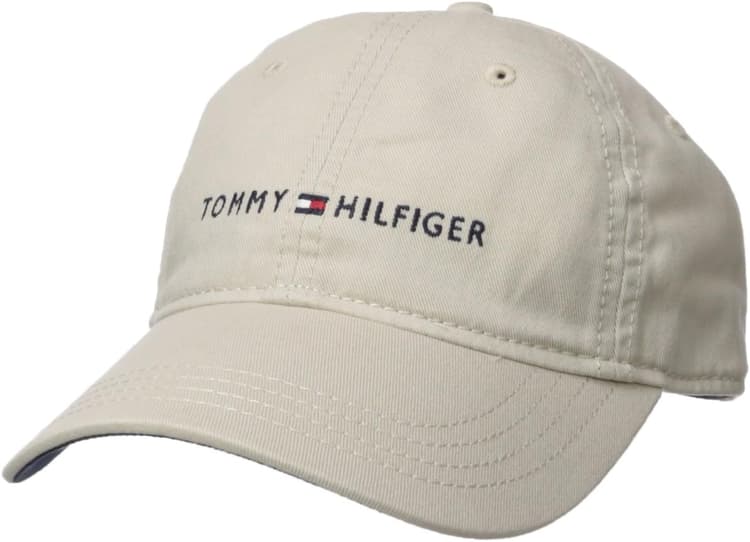
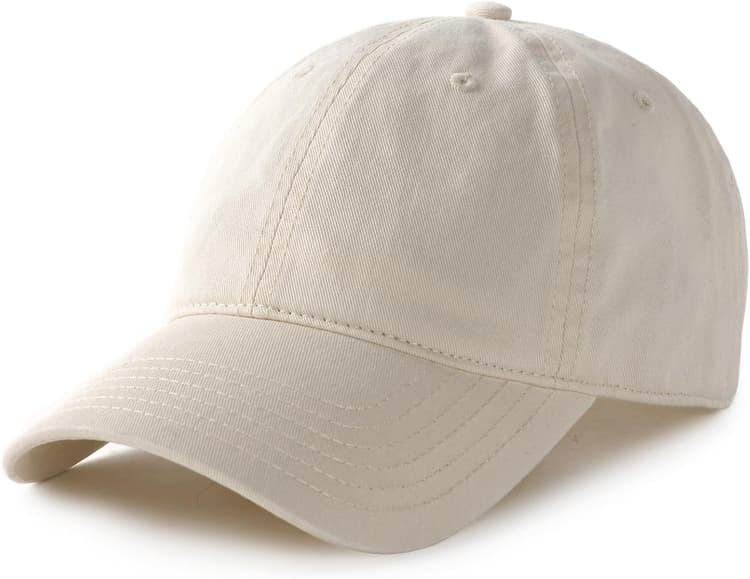
Tommy Hilfiger
$18.45
$19.99
-8 %
*
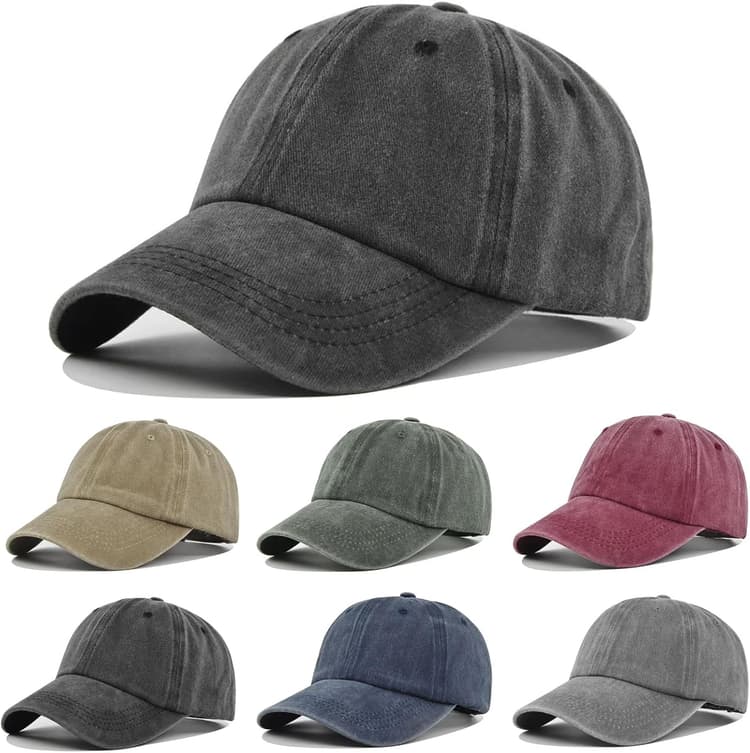
FURTALK
$11.99
$12.99
-8 %
*
Cmonie
$18.99
$19.99
-5 %
*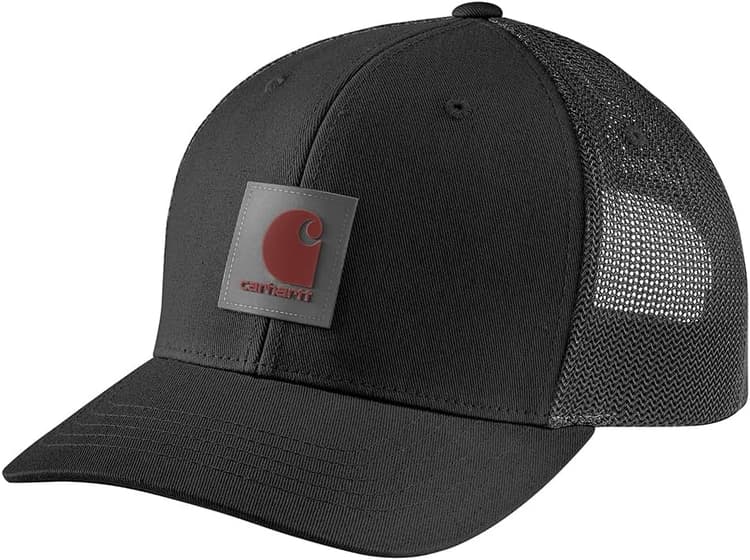
Carhartt
$32.99
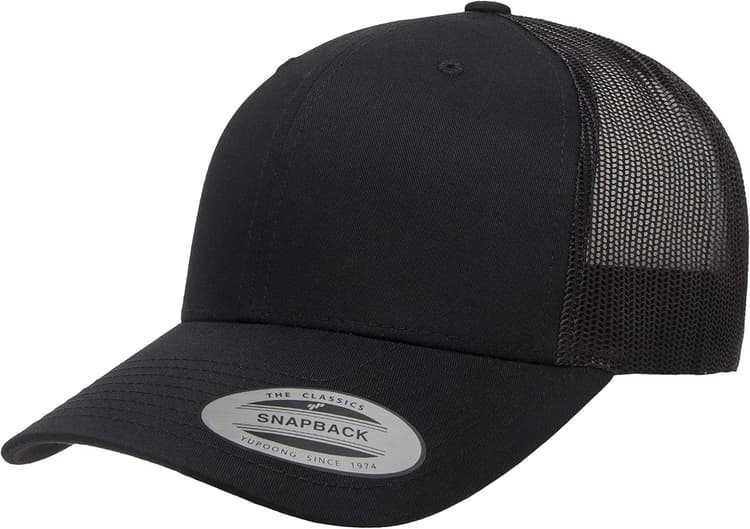
Yupoong
$9.26
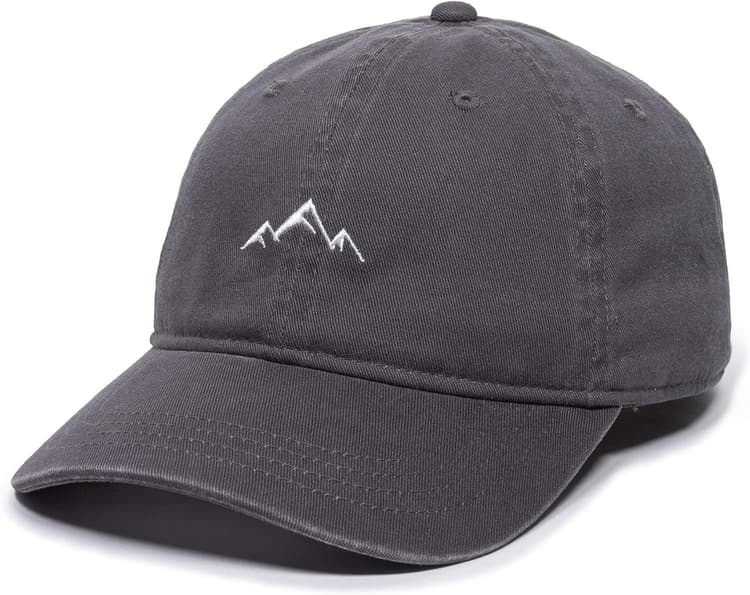
Outdoor Cap
$17.99
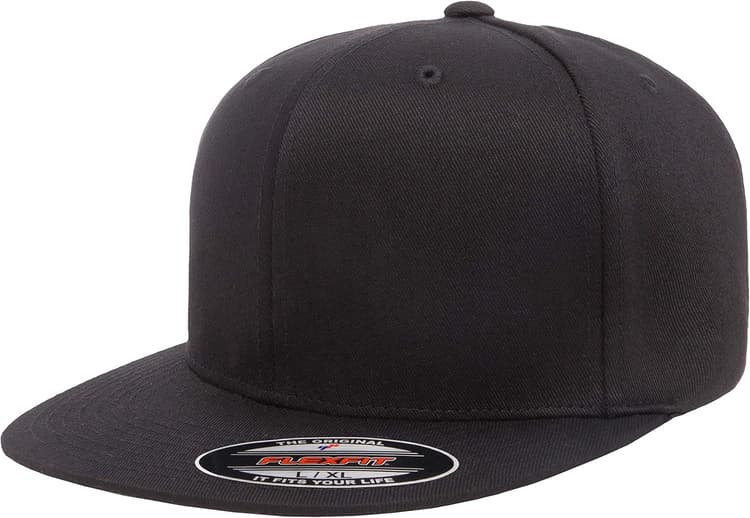
Flexfit
$12.80
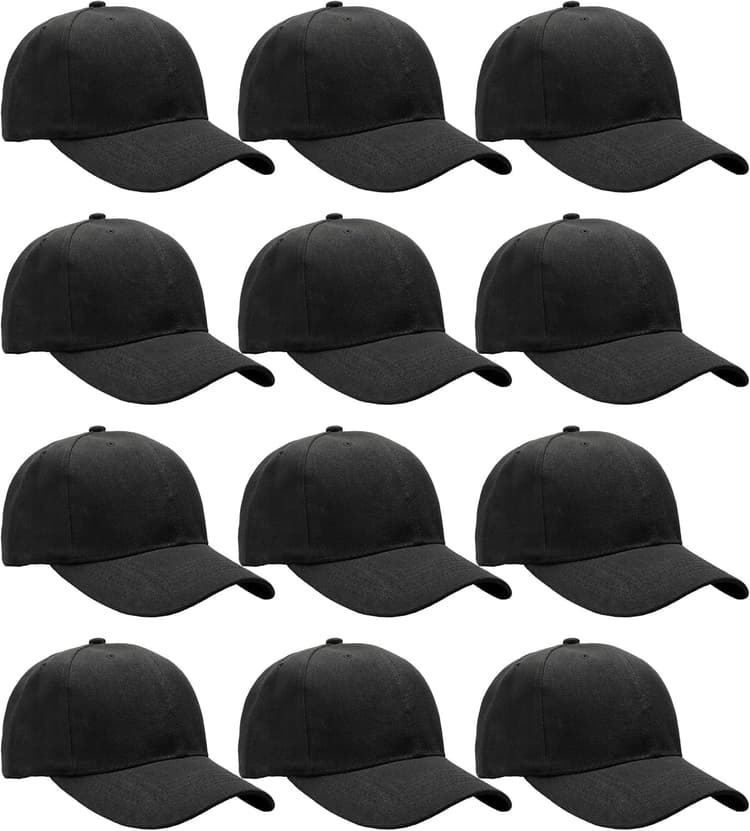
Falari
$29.99
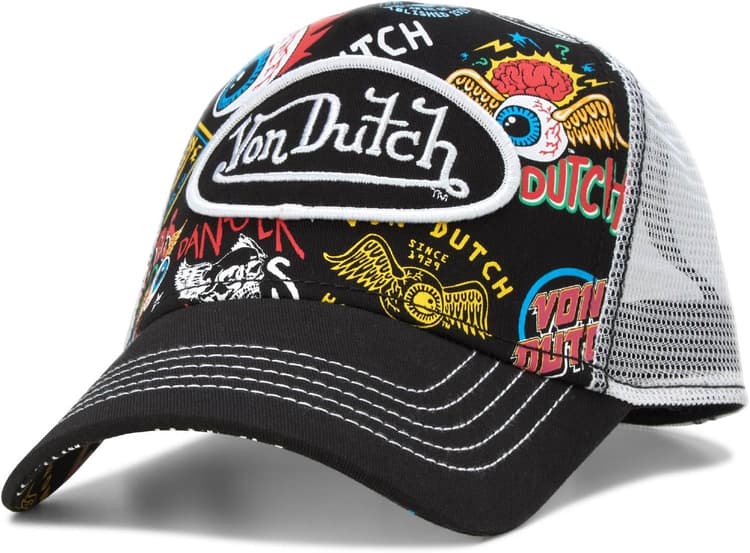
Von Dutch
$48.00
Start by defining the main purpose of the hat. The same hat shape can serve very different needs depending on context. Use this three-step method to clarify priorities:
List intended uses: sun protection, warmth, style, sports, outdoor work, or occasional wear. For instance, a summer hiking hat prioritizes UV protection and ventilation; an urban hat values fit and style.
Rank constraints: weight, packability, maintenance, water resistance, and field of view (wide brim vs visibility). A baseball cap is light and compact; a wide-brim hat offers more shade but occupies space and can be heavy.
Assess frequency of use: occasional, daily, or heavy-duty. Daily wear calls for sturdier construction and easy-to-clean materials; occasional wear allows more focus on immediate comfort or appearance.
Concrete example: someone working outdoors all week needs a wide-brim hat with a sweatband and UV-resistant fabric. A city cyclist benefits from a lightweight cap with a stiff visor and secure fit that resists wind.
Quick checklist:
Answering these questions narrows your options to models that truly match your needs, saving time when comparing specifics later.
Hat and cap prices span a wide range. Materials, manufacturing, finish, and distribution explain most price differences. Below are key cost drivers and how to read them beyond marketing claims.
Materials: the raw material is the most visible factor. Felted wool, leather, and high-performance technical fabrics cost more than basic synthetic blends. However, an expensive fabric poorly assembled will still wear out; always pair material quality with workmanship.
Construction and labor: reinforced stitching, a well-stitched sweatband, a properly finished brim, or internal reinforcements increase cost. Handmade items or those with stringent quality control are pricier but tend to last longer.
Technical features: water-repellent treatments, certified UV protection, breathable membranes, or heat-sealed seams add cost. Decide if these features match your use—water resistance is worth the extra for wet climates.
Brand and distribution: brand prestige and retail channels can add markup without guaranteeing durability. Look for technical evidence (material sheets, tests) rather than buying on reputation alone.
Value checklist: compare three measurable items: label composition, sweatband construction, and brim finishing. A mid-range, well-built hat can outperform a top-end, poorly made one.
Practical rules:
In short, read labels and inspect build quality. These tell you more than the price tag.
Fit and comfort are often sacrificed for style, yet they are crucial for daily wear. Use this practical method to measure and test fit.
Measuring your head:
Construction effects on fit:
Comfort tests to perform:
Sweatband and lining: look for an absorbent sweatband if you perspire frequently. Soft padding at the forehead improves long-wear comfort.
Practical tips:
Following these steps reduces the risk of buying an uncomfortable hat and helps you objectively compare models at purchase time.
Knowing materials is key to anticipating lifespan and care. Labels show composition, but you must interpret treatments and construction too.
Common material types:
Treatments and finishes:
Signs of lasting construction:
Care and repairability:
Practical example: for outdoor work, prefer a water-resistant synthetic fabric with reinforced seams and an absorbent internal band. For city wear, a well-finished wool offers better aesthetics but requires more maintenance.
Read labels with your intended use and care routine in mind to make the best material choice.
When comparing models, focus on measurable features rather than looks alone. Use this practical comparison framework.
Features to evaluate:
How to test daily performance:
Quick mental matrix by use:
Concrete tip: when choosing between two similar hats, compare crown depth and brim width in millimeters; small differences can affect sun protection and wind stability.
This framework helps you move from appearance-based choices to fact-based comparisons of real-world performance.
The most common mistakes happen when buyers focus on looks alone or skip fit checks. Below are common pitfalls and how to correct them.
Mistake 1: Skipping head measurement
Mistake 2: Mixing fashion with function
Mistake 3: Underestimating care needs
Mistake 4: Not testing movement and accessories
Mistake 5: Relying only on price or brand
Corrective checklist:
Avoiding these simple errors greatly increases the chance of a durable, properly suited purchase. The key is practical testing and matching choice to real use rather than looks alone.
This section condenses expert insight into immediately applicable tips.
Favor replaceability: a removable sweatband and an adjustable visor extend lifespan. If spare parts are available, that’s a plus.
Measure concrete elements: crown depth, brim width, and band circumference. Record these figures to compare models precisely.
Test breathability: hold the hat near cool steam to check airflow; fabrics that trap moisture will be uncomfortable during activity.
Inspect weak points: visor seams, rivets, and inner brim. These spots often show the earliest signs of wear.
Consider versatility: neutral colors and classic shapes increase opportunities for use and reduce the need to own multiple hats.
Preventive care: reapply water-repellent treatment if needed and clean the sweatband regularly to prevent odor and fabric breakdown. Avoid aggressive drying methods that distort shape.
Prioritize sweatband quality for frequent use: an absorbent, breathable band greatly improves comfort and protects the outer fabric.
Assess repairability: prefer models that are easy to resew or whose bands can be replaced rather than fully glued or heat-bonded constructions.
Practical example: for everyday wear, pick a hat with a replaceable band, double stitching, and a lightly treated fabric. This keeps look and function intact longer without full replacement.
These tips turn technical criteria into concrete actions for selection and upkeep, optimizing the hat's durability and real-life performance.
Carhartt
$32.99
47
$27.86
$34.99
-20 %
*New Era
$28.00
$36.99
-24 %
*Yupoong
$9.26
Tommy Hilfiger
$18.45
$19.99
-8 %
*Outdoor Cap
$17.99
Flexfit
$12.80
RONGJUN
$14.98
$17.99
-17 %
*Falari
$29.99
FURTALK
$11.99
$12.99
-8 %
*Von Dutch
$48.00
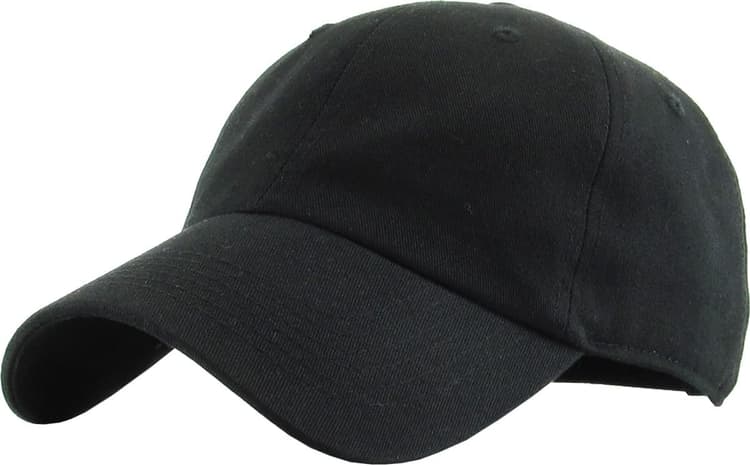
KBETHOS
$8.95
Choosing a hat or cap is about balancing intended use, fit, materials, and budget. This pedagogical guide recommends a clear process: define needs, measure your head, inspect construction, and read technical labels. Avoid relying solely on price or style; evaluating materials, finishing, and repairability provides a clearer sense of long-term value.
Key steps to remember:
Following these steps minimizes surprises and helps you select headwear that truly fits your needs. Use the guide as a checklist during comparison and give functional suitability priority when aesthetics and function conflict.
This guide was prepared independently in an educational format to help readers choose hats and caps based on objective criteria. No specific brands are promoted and no invented data is used. Recommendations rely on technical principles and common evaluation and care practices. If links or references appear on the final page, they will clearly indicate whether they are technical sources, studies, or commercial partners.
Our selections rely on independent analysis and hands-on testing, without commercial influence.
Clear comparison guides based on technical criteria and expert reviews.
We frequently revise articles to reflect new models and fashion trends.
Some links are affiliate: we may earn a commission and redirect you to trusted partner retailers.